Athletic Conditioning
Dive into athletic conditioning, its mechanisms, applications, and how to effectively integrate it into your fitness regimen.

Explore the world of athletic conditioning within the fitness optimization realm, focusing on its definition, mechanisms, evidence, practical applications, and more. Understand how it supports body systems and common fitness goals while ensuring safety and effective integration into daily routines.
What It Is
Athletic conditioning is a systematic approach to preparing individuals for optimal performance in their chosen sports or physical activities. It involves a combination of strength training, endurance building, flexibility enhancement, and skill development tailored to specific athletic demands. This multifaceted discipline aims to improve overall physical capabilities, enhance resilience against injuries, and maximize athletic potential.
At its core, athletic conditioning emphasizes the importance of personalized training programs that consider an athlete's unique needs, goals, and physical capabilities. It serves as a foundation for athletes to build on their skills, improve their physical fitness, and ultimately achieve peak performance during competitions.
Mechanism / How It Works
The mechanisms behind athletic conditioning involve a variety of physiological and biomechanical processes. Training programs typically incorporate specific exercises designed to enhance muscular strength, cardiovascular endurance, and flexibility. These exercises stimulate muscle fibers, improve neuromuscular coordination, and increase aerobic capacity, all of which contribute to enhanced athletic performance.
Furthermore, athletic conditioning often includes sport-specific drills that not only build physical attributes but also refine technical skills, ensuring that athletes can execute their sport's demands effectively. Periodization is a critical aspect, involving the systematic planning of training phases to optimize physical adaptation while allowing for recovery and preventing overtraining.
Evidence Summary
The evidence supporting athletic conditioning is robust, with numerous studies demonstrating its effectiveness in improving performance and reducing injury risk among athletes. Research has shown that structured conditioning programs can lead to significant enhancements in strength, speed, agility, and endurance.
However, there are also conflicting findings, particularly concerning the most effective methods for different sports or individual athletes. While some studies advocate for high-intensity interval training (HIIT) as a superior method for conditioning, others emphasize the benefits of traditional endurance training. More research is needed to establish definitive guidelines tailored to various athletic populations.
Practical Application
Implementing athletic conditioning requires a strategic approach. Athletes should start by assessing their current fitness levels and identifying specific performance goals. From there, a tailored program can be developed, incorporating elements such as strength training, endurance workouts, and sport-specific drills.
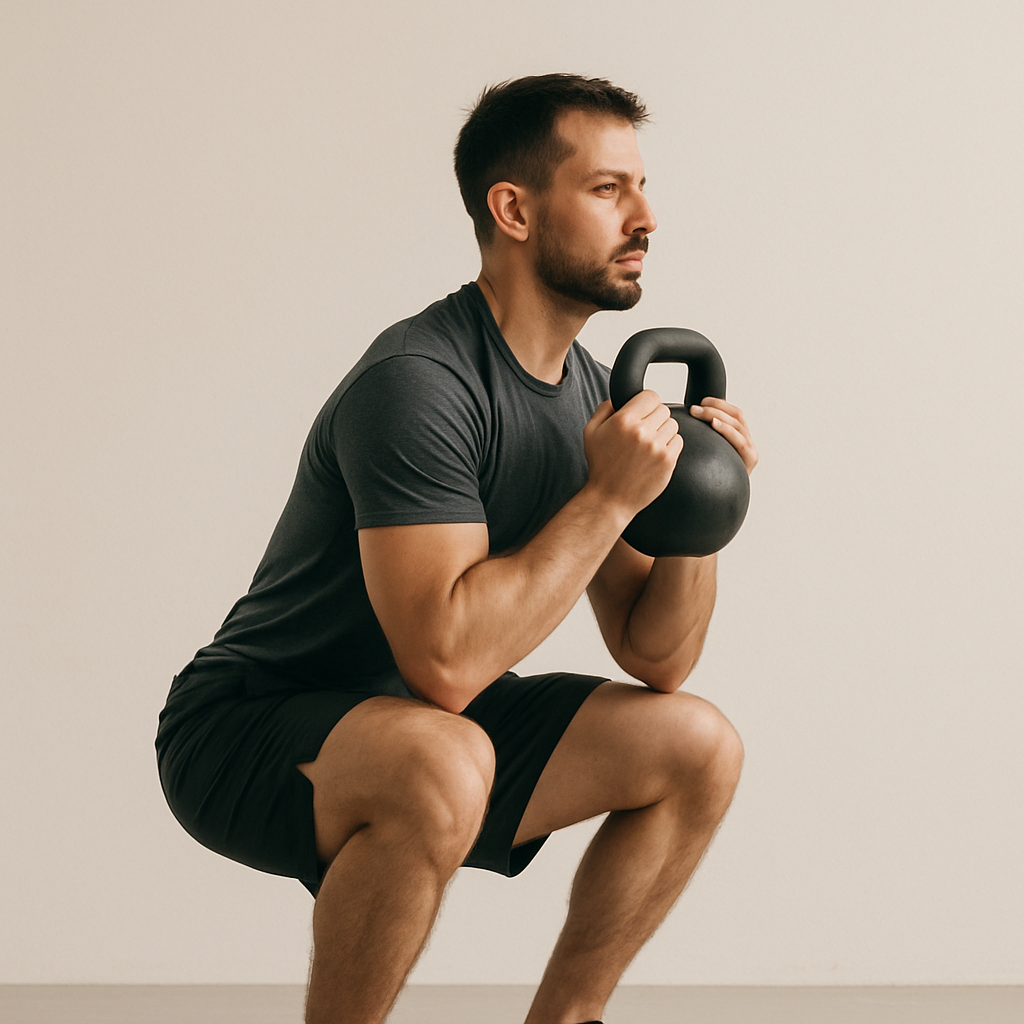
- Protocols: A typical conditioning protocol may include a warm-up, followed by strength exercises (e.g., weightlifting), aerobic sessions (e.g., running or cycling), and cool-down stretches.
- Daily Integration: Conditioning should be integrated into a daily routine, balancing training intensity with adequate recovery times to prevent injuries.
- Common Pitfalls: Athletes often fall into the trap of overtraining, neglecting recovery, or failing to adapt their program to their evolving needs. Regular assessments and adjustments are essential.
Relevant Biomarkers & Tracking
Tracking progress in athletic conditioning can be enhanced by monitoring several biomarkers and performance metrics, including:
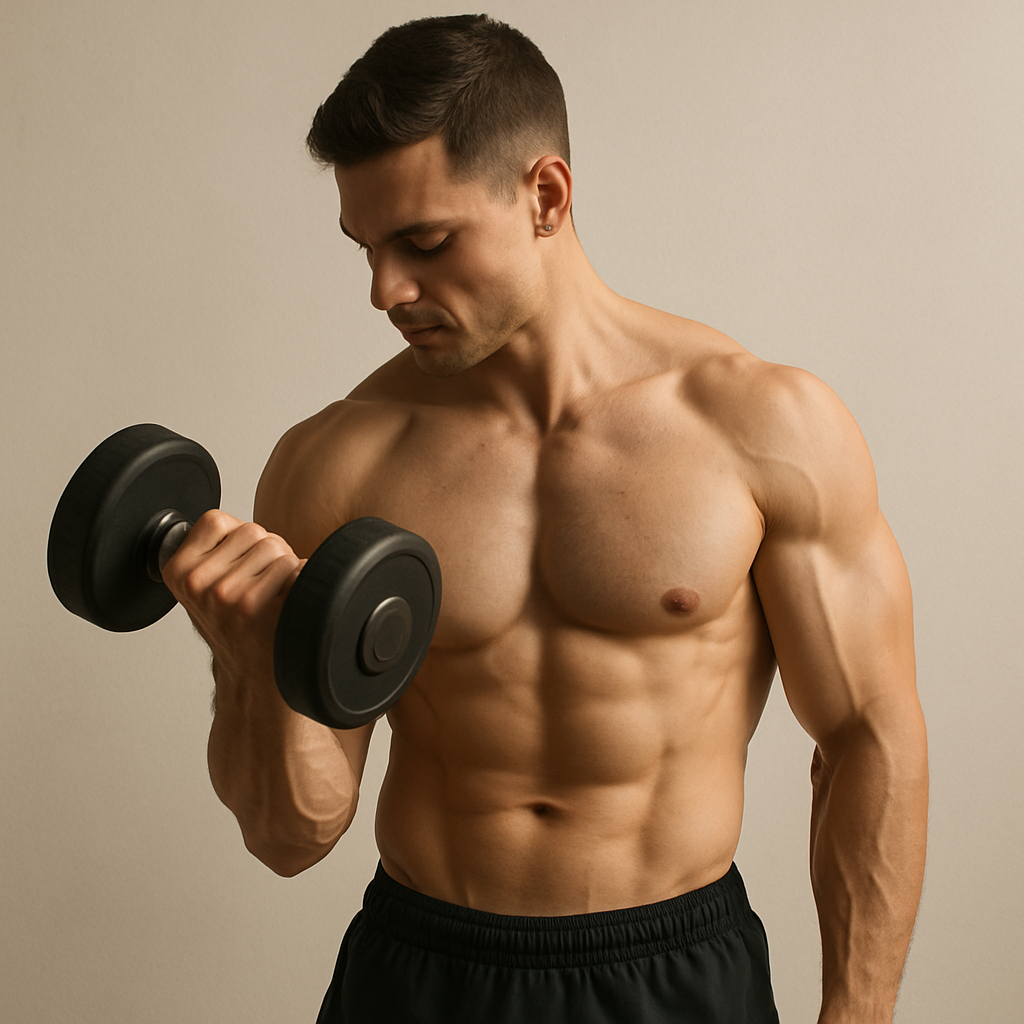
- Muscle strength (measured through weight lifting progress)
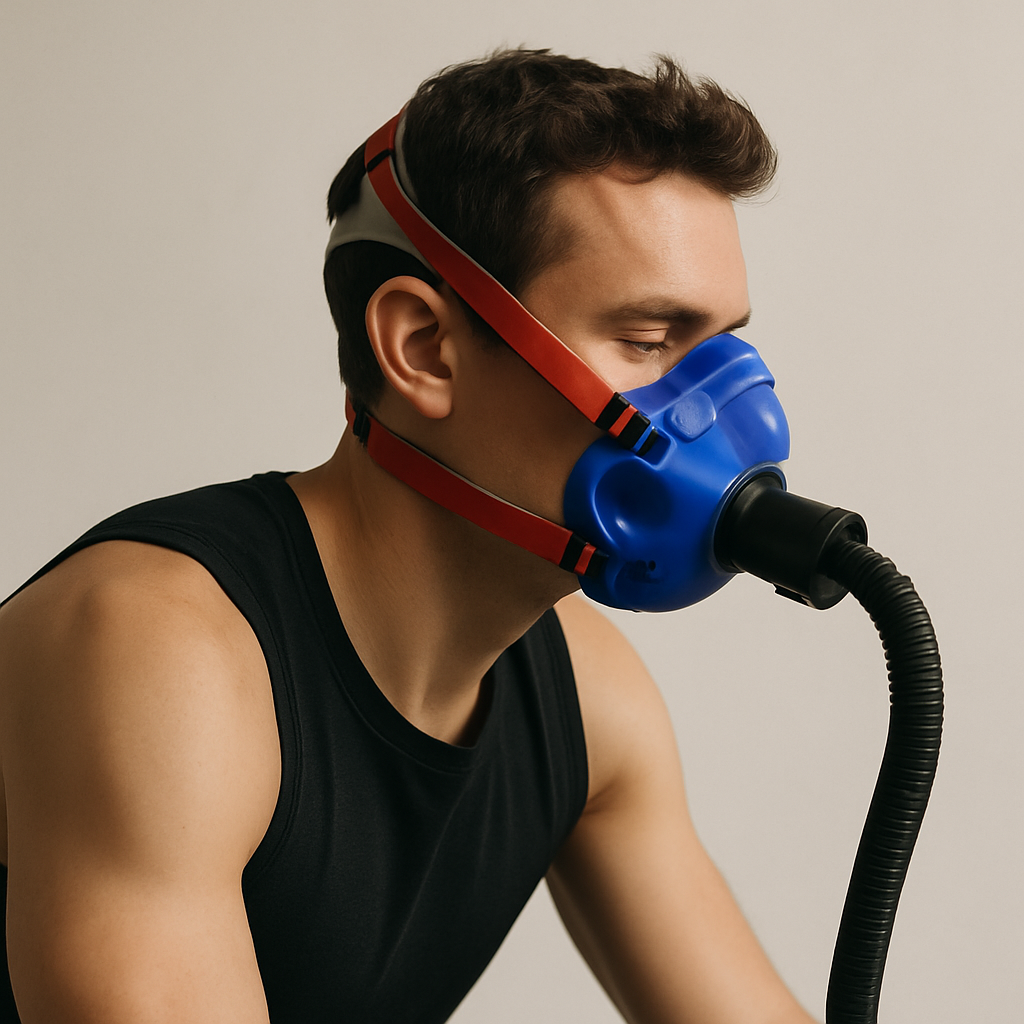
- Cardiovascular endurance (assessed through VO2 max testing)
- Flexibility (measured by range of motion tests)
- Body composition (using skinfold measurements or bioelectrical impedance)
- Injury incidence and recovery times
Body Systems Supported
Athletic conditioning supports various body systems, including:
- Muscular System: Enhances strength and endurance.
- Cardiovascular System: Improves heart health and blood circulation.
- Respiratory System: Increases lung capacity and efficiency.
- Nervous System: Enhances coordination and reaction times.
Common Goals
The primary goals of athletic conditioning include:
- Improving overall athletic performance
- Enhancing strength and power output
- Increasing endurance and stamina
- Reducing the risk of injuries
- Refining sport-specific skills
Safety, Contraindications & Edge Cases
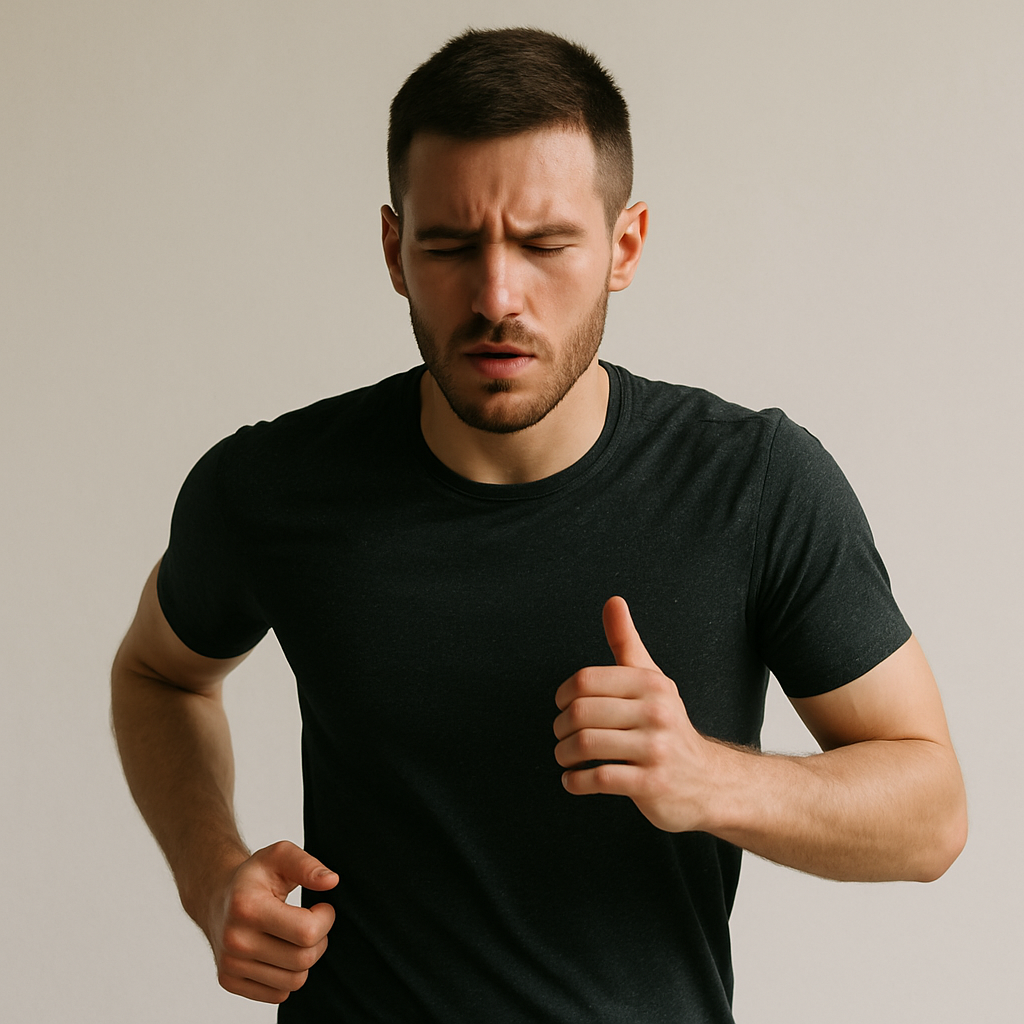
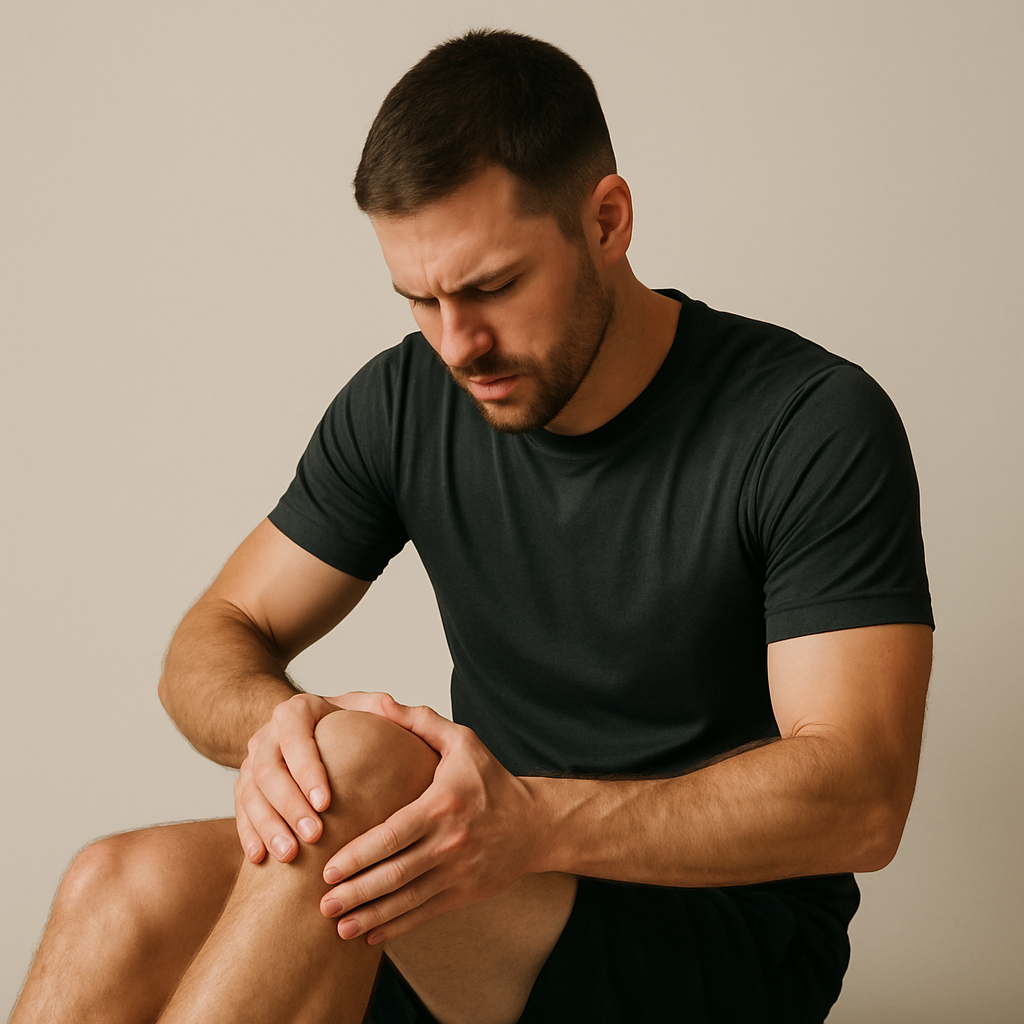
While athletic conditioning is generally safe for most individuals, certain contraindications should be considered. Athletes with pre-existing injuries or medical conditions should consult with healthcare professionals before starting a conditioning program. Additionally, recognizing signs of overtraining, such as excessive fatigue or decreased performance, is crucial to maintaining safety during training.
Pairs Well With
Athletic conditioning can be effectively paired with various ancient or natural wellness practices, such as:
- Yoga: Enhances flexibility and mental focus.
- Pilates: Improves core strength and stability.
- Traditional Strength Practices: Such as martial arts or calisthenics that emphasize body control.
FAQs (5)
- What is the difference between athletic conditioning and general fitness? Athletic conditioning is specifically tailored for athletes and focuses on performance enhancement, while general fitness aims at overall health.
- How often should I engage in conditioning workouts? Most athletes benefit from conditioning sessions 3-5 times a week, depending on their sport and training phase.
- Can I do conditioning workouts at home? Yes, many conditioning exercises can be adapted for home workouts using body weight or minimal equipment.
- What should I do if I feel pain during conditioning? It is important to stop the activity and assess the pain. Consult a healthcare professional if it persists.
- Is nutrition important for athletic conditioning? Absolutely! Proper nutrition supports energy levels, recovery, and overall performance.
Frequently asked
What is the difference between athletic conditioning and general fitness?
Athletic conditioning is specifically tailored for athletes and focuses on performance enhancement, while general fitness aims at overall health.
How often should I engage in conditioning workouts?
Most athletes benefit from conditioning sessions 3-5 times a week, depending on their sport and training phase.
Can I do conditioning workouts at home?
Yes, many conditioning exercises can be adapted for home workouts using body weight or minimal equipment.
What should I do if I feel pain during conditioning?
It is important to stop the activity and assess the pain. Consult a healthcare professional if it persists.
Is nutrition important for athletic conditioning?
Absolutely! Proper nutrition supports energy levels, recovery, and overall performance.