Functional Fitness
Dive into Functional Fitness, its principles, applications, and how it optimizes physical performance and health.

Explore the concept of Functional Fitness within the realm of Fitness Optimization, focusing on its definition, mechanisms, evidence, applications, and safety considerations.
What It Is
Functional fitness is a training approach designed to improve the body's ability to perform daily activities effectively and efficiently. Unlike traditional workout regimens that often isolate specific muscle groups, functional fitness emphasizes movements that mimic real-life actions, engaging multiple muscle groups and promoting overall strength, flexibility, and coordination. This holistic approach aims to enhance not just physical appearance but overall functional ability.
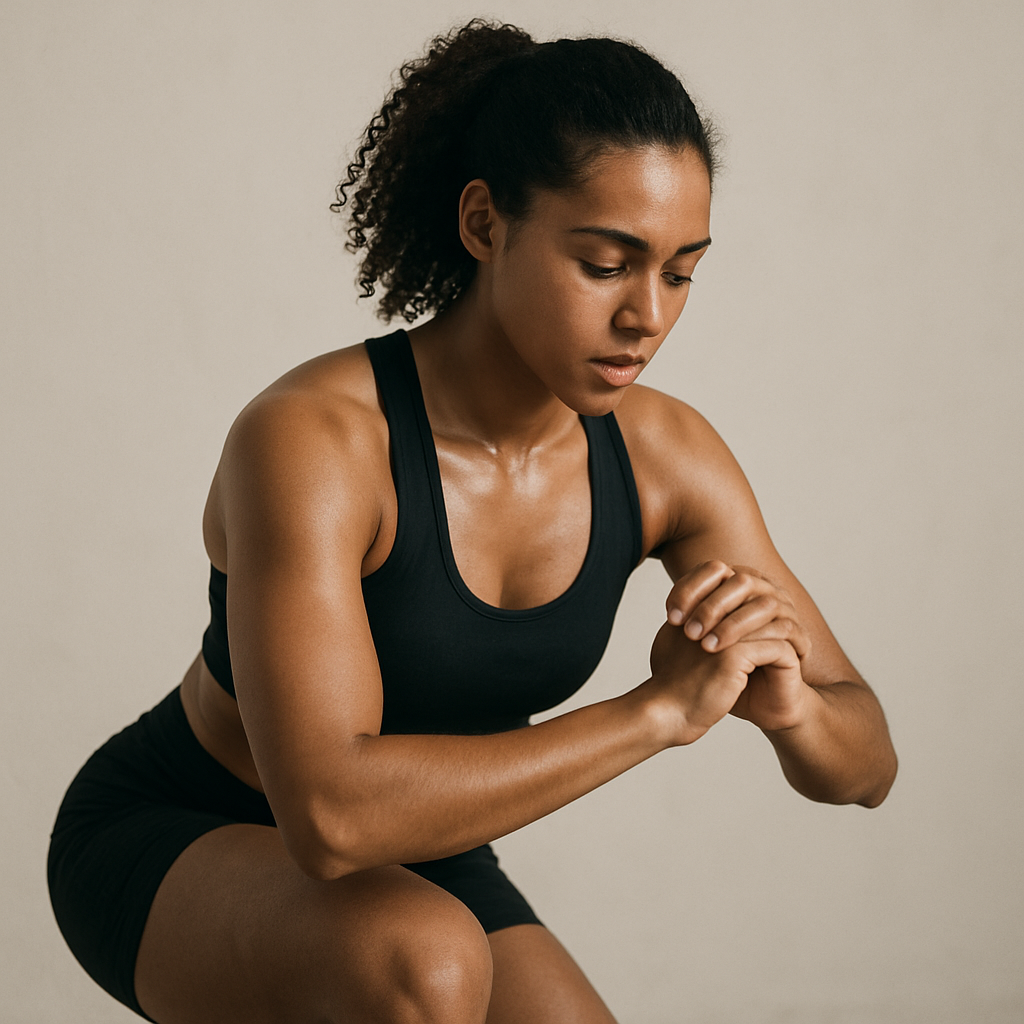
At its core, functional fitness incorporates exercises that require balance, coordination, strength, and endurance. Common activities may include squatting, lifting, pushing, pulling, and rotating, which reflect the movements we perform in everyday life. By focusing on these compound movements, functional fitness seeks to improve the quality of life, enabling individuals to carry out daily tasks with greater ease and reduced risk of injury.
Mechanism / How It Works
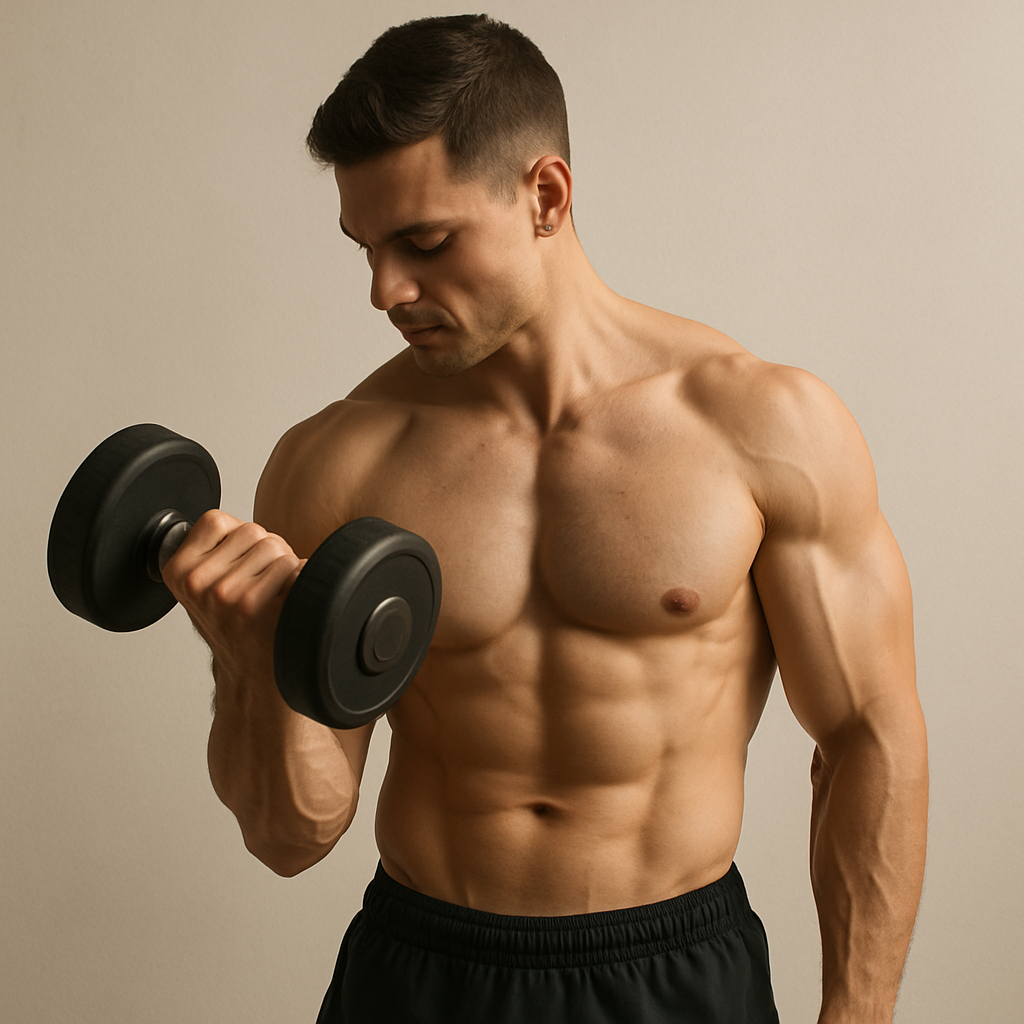
Functional fitness works by training the body in a way that closely simulates natural movements. This approach engages multiple muscle groups simultaneously, which not only builds strength but also enhances stability and mobility. Exercises are often performed using body weight, resistance bands, or free weights, and they can be adapted to fit various fitness levels.
The effectiveness of functional fitness lies in its emphasis on core stability and strength. The core acts as a central hub for all movements, and strengthening it can lead to improved performance and reduced risk of injury. Additionally, functional fitness promotes neuromuscular coordination, enabling the brain and muscles to work together more efficiently. This coordination is crucial for executing complex movements and maintaining balance, which is particularly important as we age.
Evidence Summary
Research on functional fitness is still emerging, but there is growing evidence that supports its benefits. Preliminary studies indicate that functional fitness training can enhance overall physical performance, improve balance, and reduce the risk of falls, particularly in older adults. A few clinical trials have shown that participants who engage in functional fitness programs experience significant improvements in strength, flexibility, and daily living activities.
However, conflicting evidence exists regarding the superiority of functional fitness over traditional strength training. Some studies suggest that while functional fitness can improve certain physical capabilities, it may not be as effective in building maximum strength compared to traditional weightlifting. More comprehensive research is needed to fully understand the long-term benefits and potential drawbacks of functional fitness as a standalone training method.
Practical Application
Integrating functional fitness into daily routines can be straightforward. Here are some practical protocols:
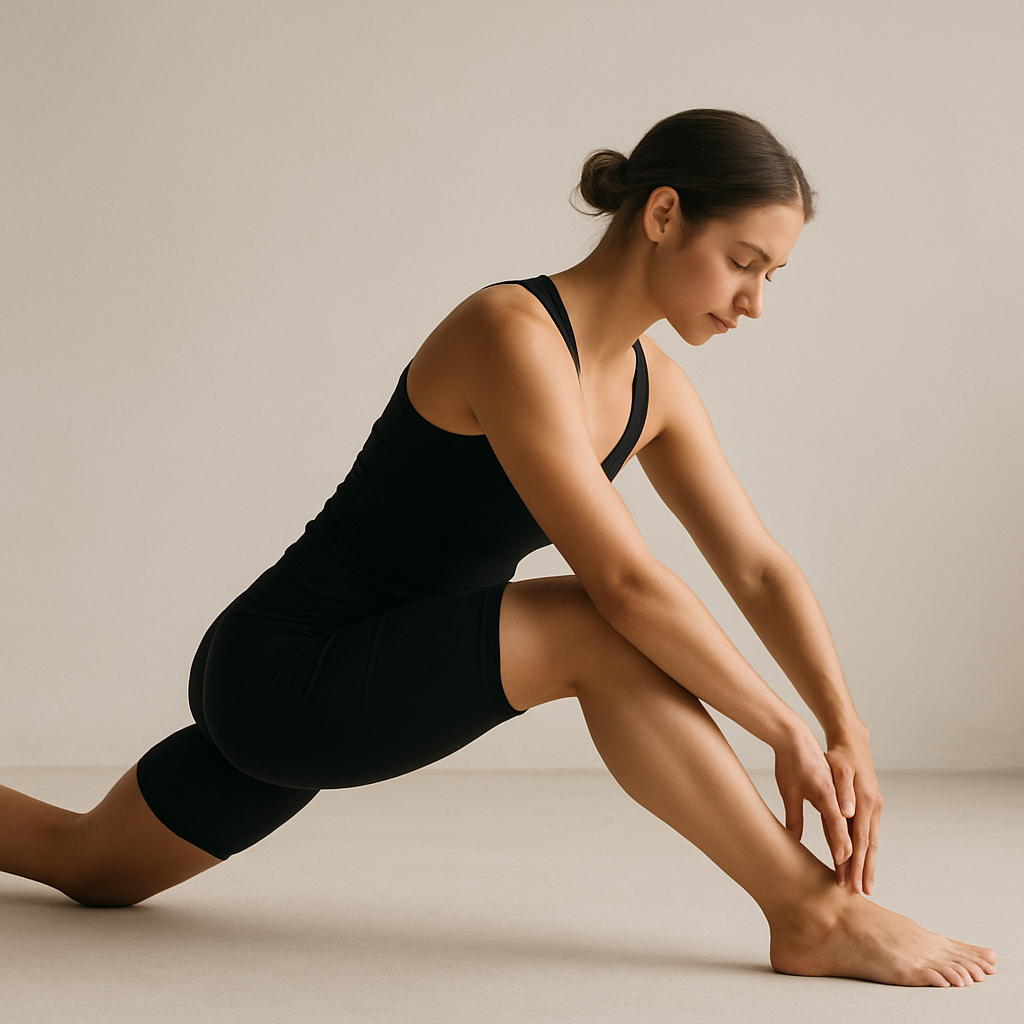
- Warm-Up: Begin each session with dynamic stretches that mimic the movements you will perform during the workout.
- Workout Routine: Incorporate exercises like squats, lunges, kettlebell swings, and push-ups that engage multiple muscle groups.
- Cool Down: End with static stretching to promote flexibility and recovery.
- Daily Activities: Find opportunities to apply functional movements in daily life, such as using proper lifting techniques or incorporating balance exercises.
Common pitfalls include neglecting proper form, which can lead to injuries, and failing to progress the difficulty of exercises over time. It is essential to listen to your body and adjust workouts accordingly to avoid overtraining.
Relevant Biomarkers & Tracking
To gauge the effectiveness of functional fitness, various biomarkers and tracking methods can be utilized. These may include:
- Strength Assessments: Track improvements in weight lifted or repetitions completed.
- Balance Tests: Assess balance through exercises like single-leg stands or dynamic balance tests.
- Flexibility Measurements: Use goniometers or simple reach tests to measure improvements in flexibility.
- Functional Movement Screens: Evaluate overall movement patterns to identify areas for improvement.
Body Systems Supported
Functional fitness supports several body systems, including:
- Muscular System: Enhances muscle strength and endurance.
- Cardiovascular System: Improves heart health through dynamic movements.
- Neuromuscular System: Promotes coordination and balance.
- Skeletal System: Strengthens bones and improves joint stability.
Common Goals
Individuals pursuing functional fitness often have specific goals, such as:
- Improving overall strength and endurance.
- Enhancing balance and coordination.
- Increasing flexibility and mobility.
- Reducing the risk of injury in daily activities.
- Improving performance in sports or recreational activities.
Safety, Contraindications & Edge Cases
While functional fitness is generally safe for most individuals, certain precautions should be considered:
- Existing Injuries: Individuals with injuries should consult a healthcare professional before starting any fitness program.
- Medical Conditions: Those with chronic health conditions may require modifications to exercises.
- Proper Supervision: Beginners should ideally work with a certified trainer to ensure correct technique and prevent injuries.
Pairs Well With
Functional fitness complements various ancient and natural wellness practices, such as:
- Yoga: Enhances flexibility and mindfulness.
- Martial Arts: Improves coordination and balance.
- Pilates: Focuses on core strength and stability.
- Natural Movement Practices: Emphasizes movement in natural environments, promoting functional strength.
FAQs (5)
- What is the difference between functional fitness and traditional strength training?
Functional fitness focuses on movements that mimic daily activities, while traditional strength training often isolates muscle groups. - Can functional fitness help with weight loss?
Yes, by increasing overall activity levels and building muscle, functional fitness can contribute to weight loss. - Is functional fitness suitable for older adults?
Absolutely, functional fitness can improve balance and strength, which helps reduce the risk of falls in older populations. - How often should I practice functional fitness?
Aim for at least 2-3 sessions per week, incorporating a mix of strength, balance, and flexibility exercises. - Can I do functional fitness at home?
Yes, many functional fitness exercises can be done at home with minimal equipment.
Frequently asked
What is the difference between functional fitness and traditional strength training?
Functional fitness focuses on movements that mimic daily activities, while traditional strength training often isolates muscle groups.
Can functional fitness help with weight loss?
Yes, by increasing overall activity levels and building muscle, functional fitness can contribute to weight loss.
Is functional fitness suitable for older adults?
Absolutely, functional fitness can improve balance and strength, which helps reduce the risk of falls in older populations.
How often should I practice functional fitness?
Aim for at least 2-3 sessions per week, incorporating a mix of strength, balance, and flexibility exercises.
Can I do functional fitness at home?
Yes, many functional fitness exercises can be done at home with minimal equipment.