Wearables
Discover how wearables enhance biohacking practices, from tracking biomarkers to supporting body systems and achieving wellness goals.
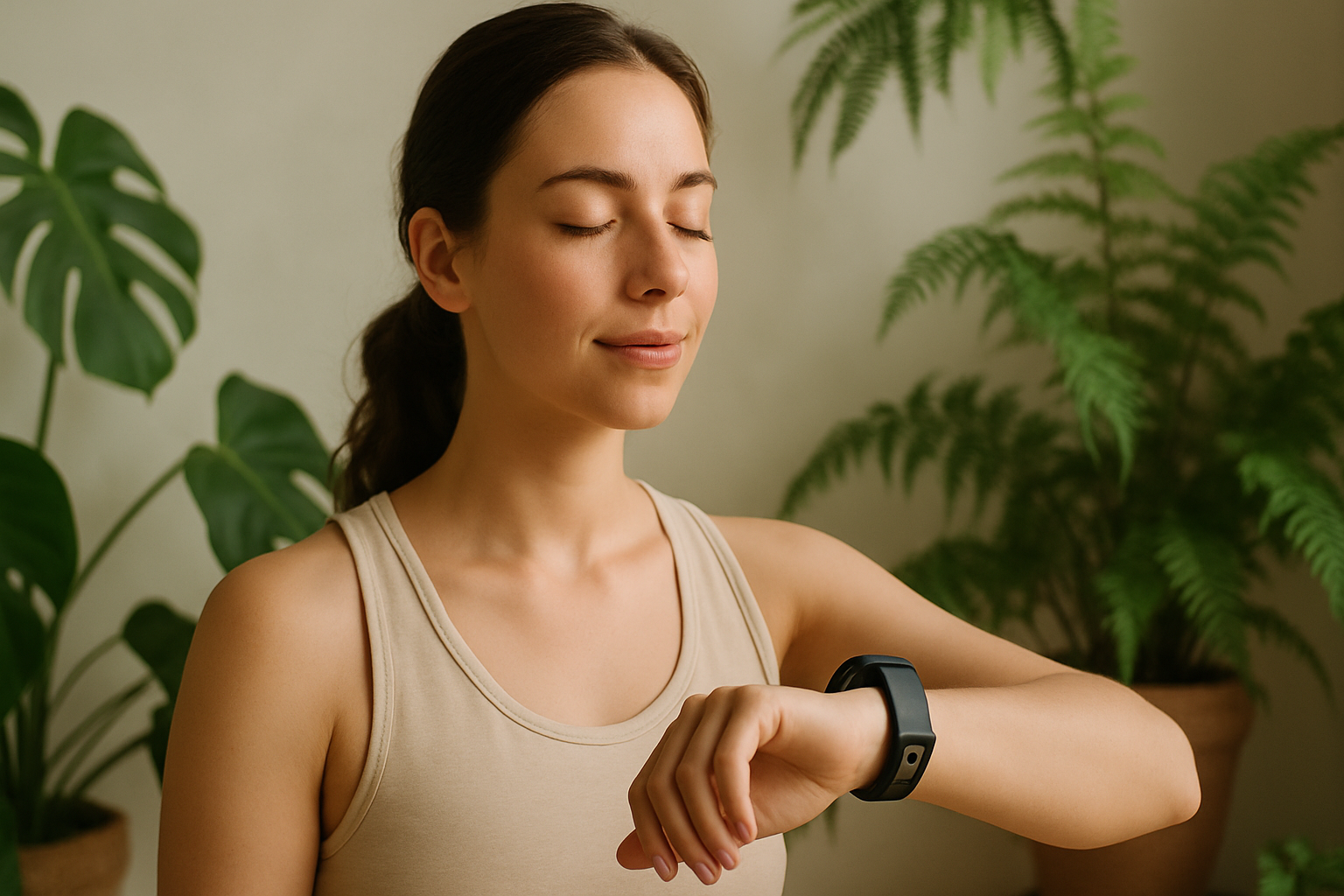
Explore the transformative world of wearables in biohacking, understanding their mechanisms, applications, and impact on health and wellness.
What It Is
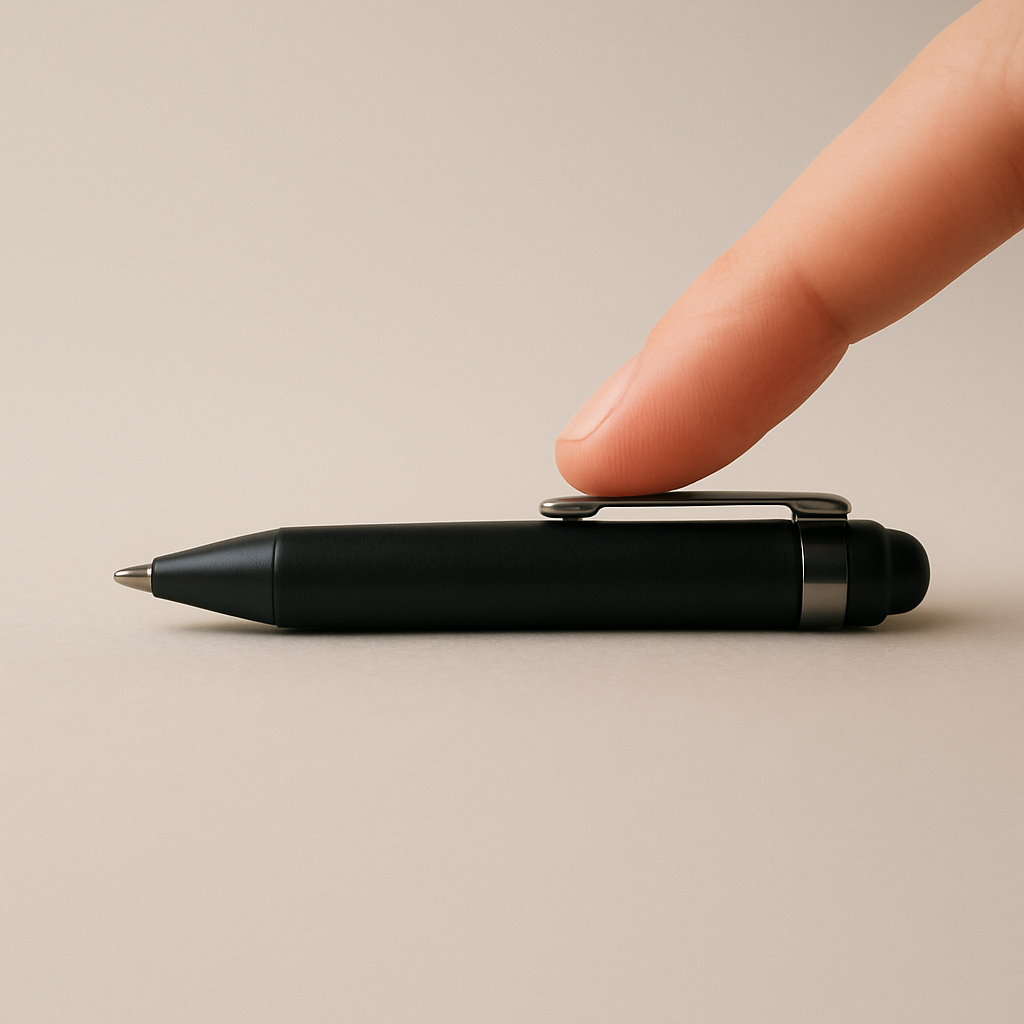
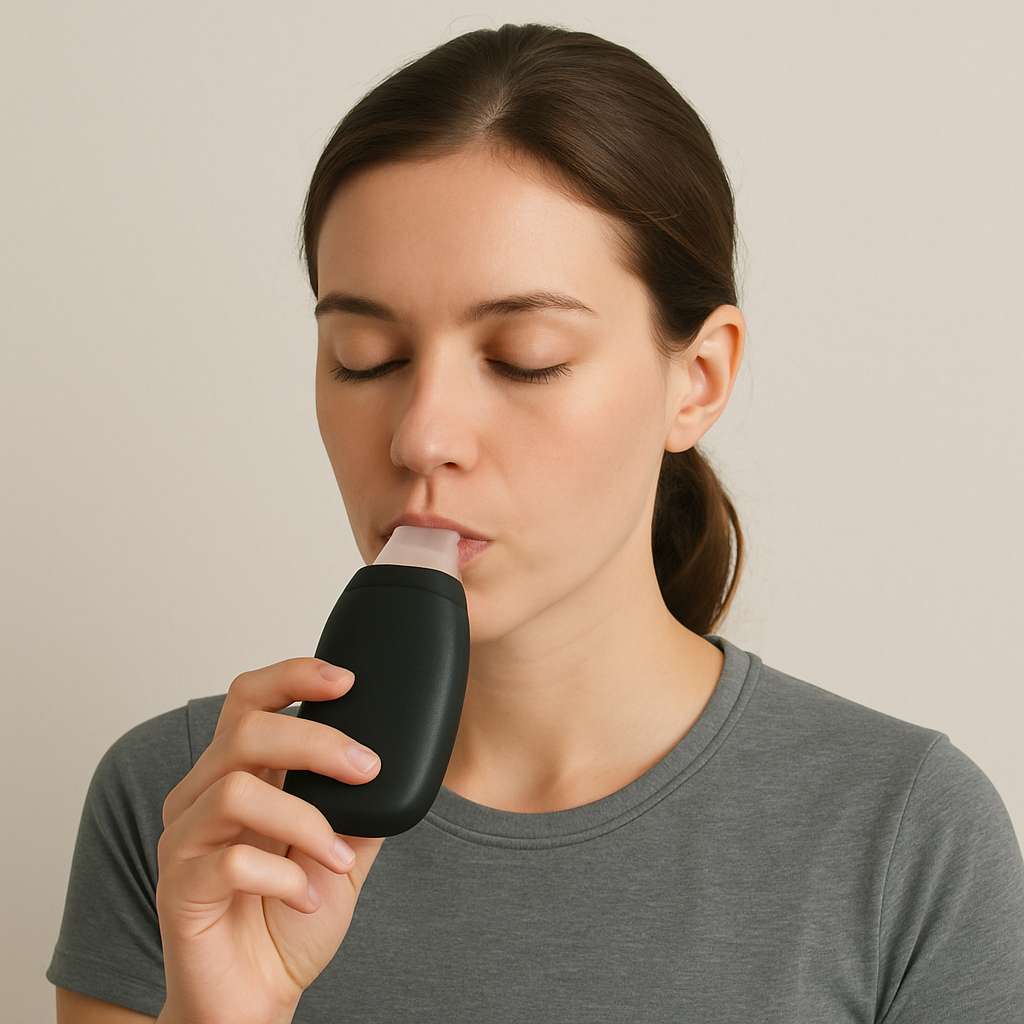
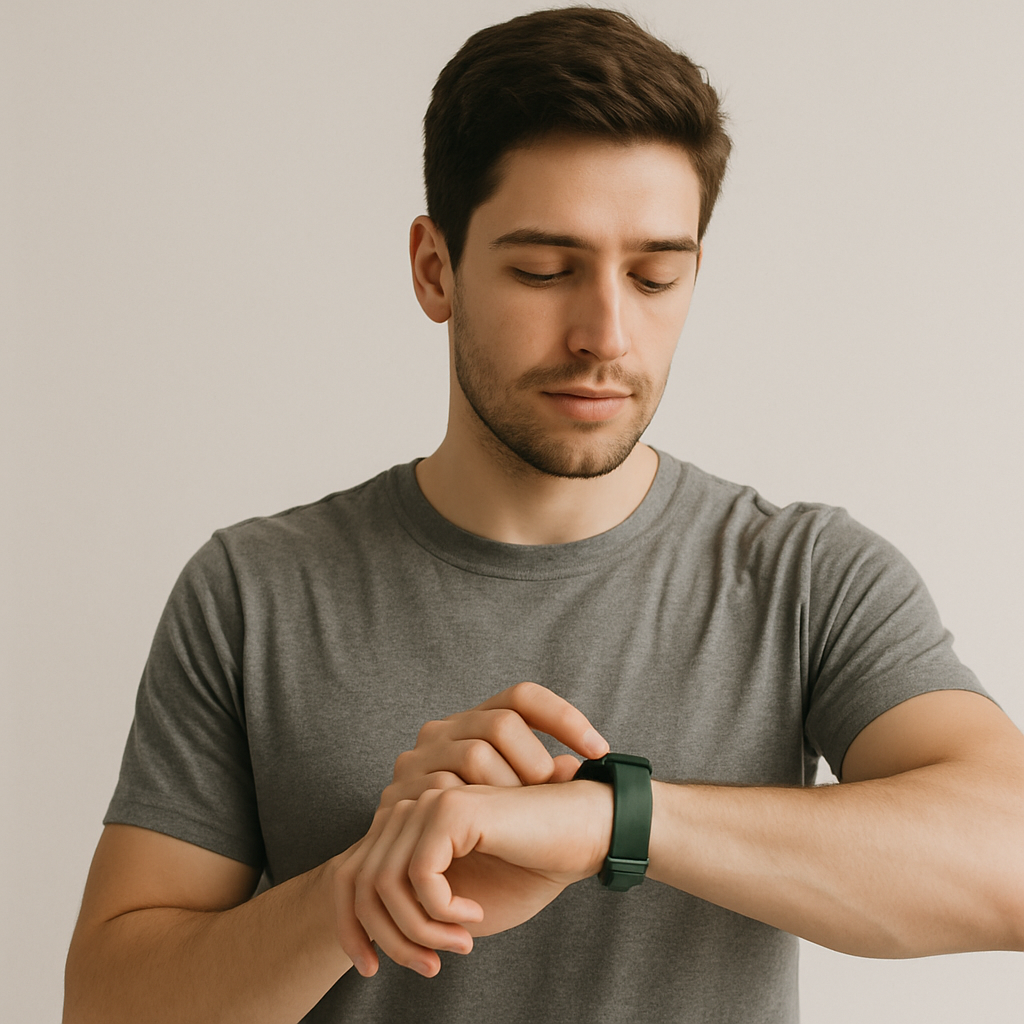
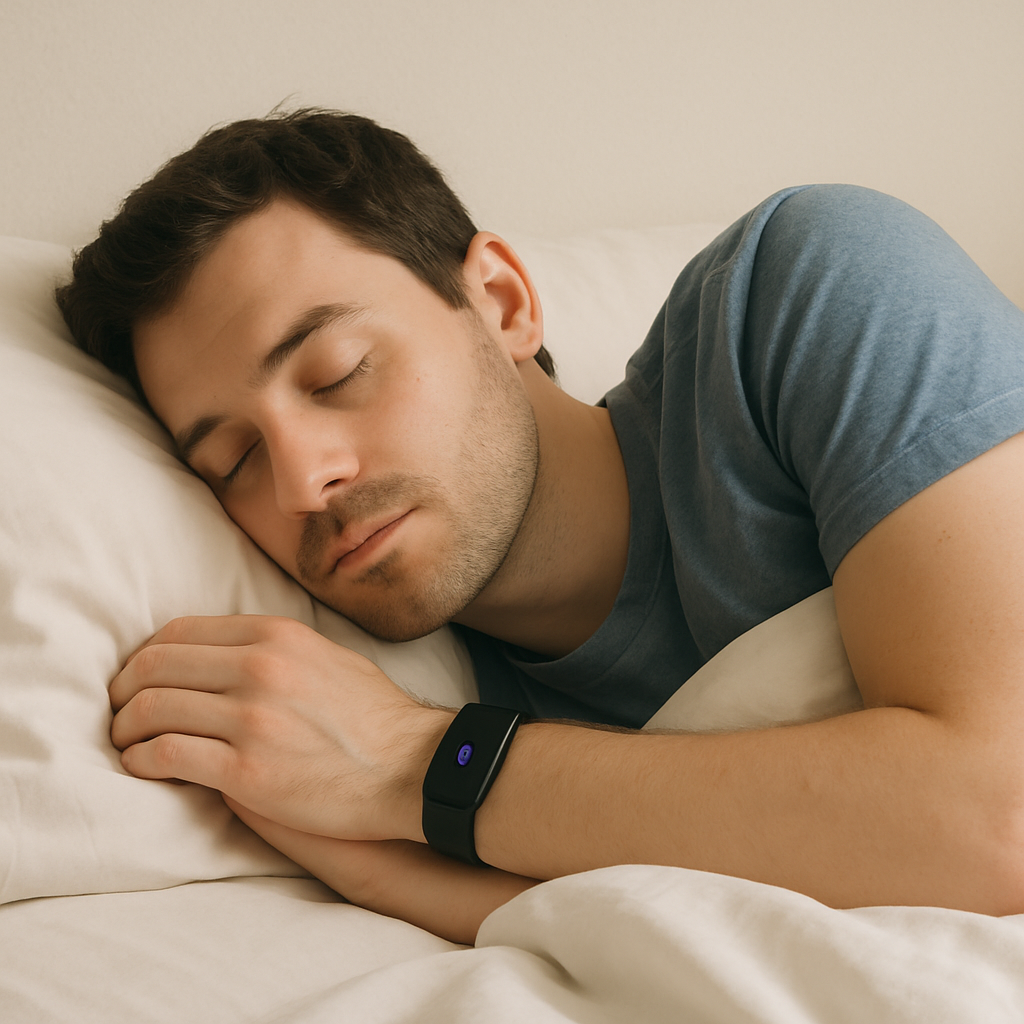
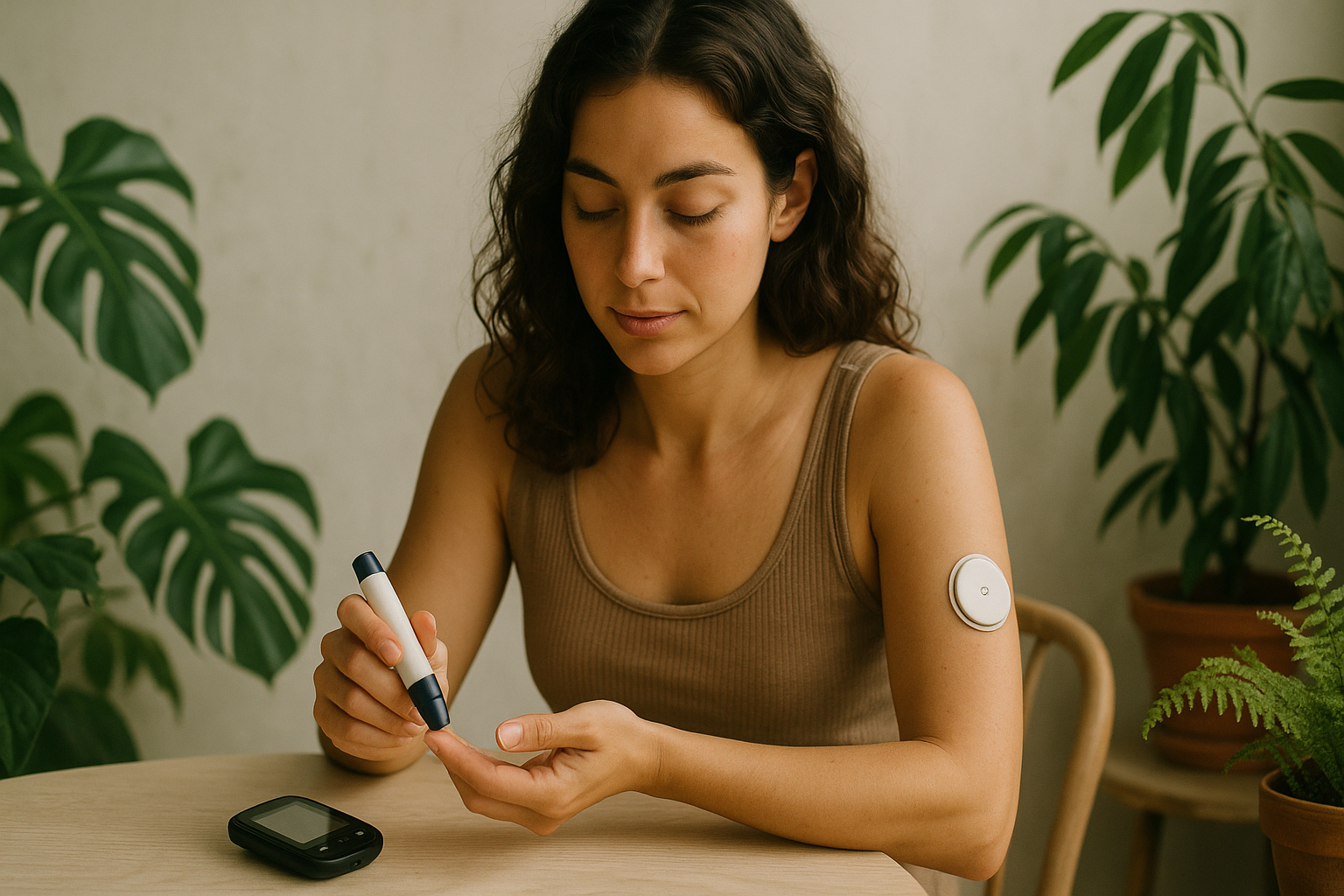
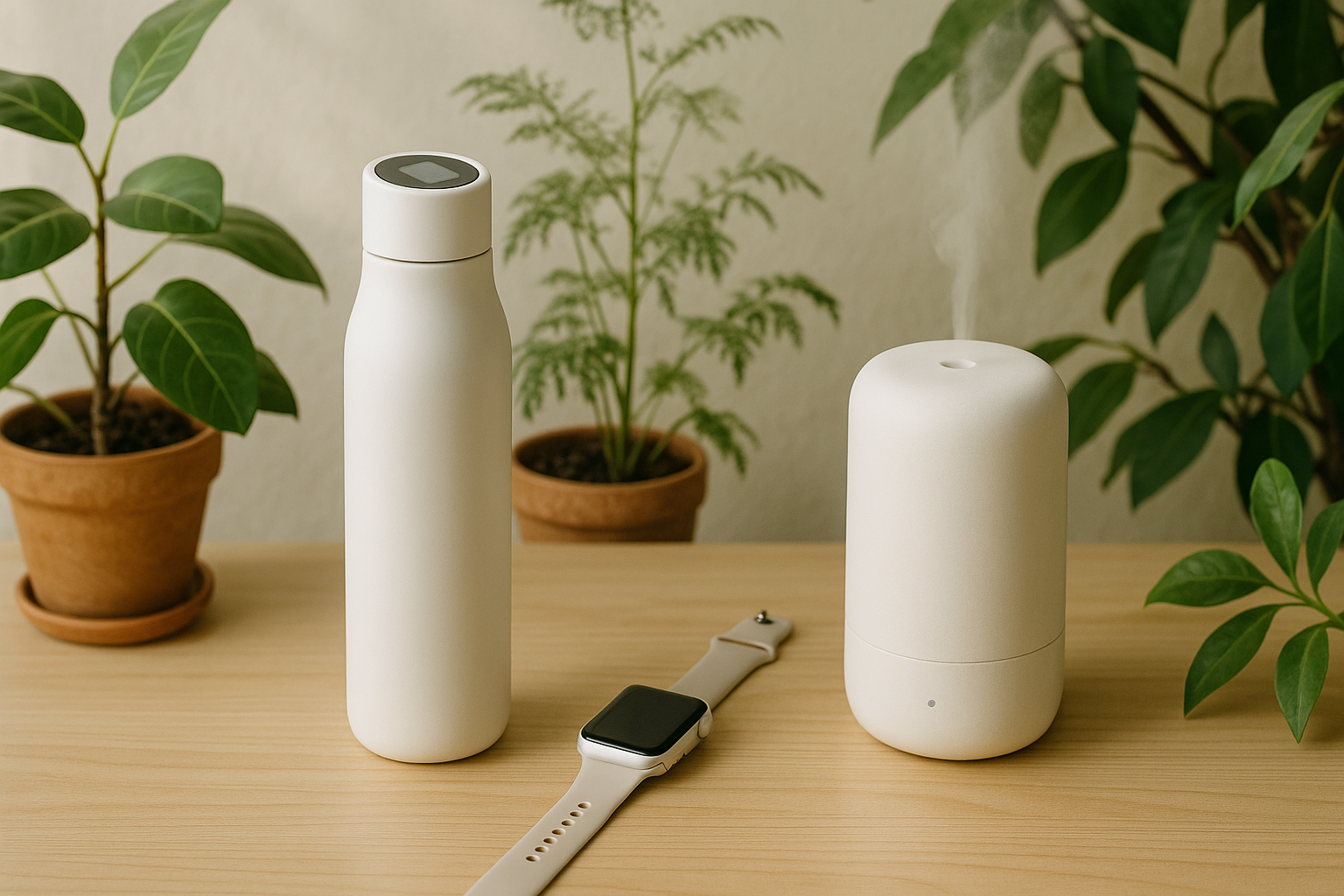
Wearables are innovative devices designed to be worn on the body, often equipped with sensors that monitor various health metrics. These devices range from smartwatches and fitness trackers to more specialized gadgets that track heart rate, sleep patterns, and even stress levels. By collecting real-time data, wearables empower users to gain insights into their health, facilitating informed decisions and lifestyle adjustments.
The rise of wearables in the realm of biohacking represents a significant shift towards self-optimization and personal health management. With a focus on metrics and data, individuals can tailor their wellness journeys, enhancing physical performance, mental clarity, and overall well-being. This technology has made it easier than ever to track progress and make informed health choices.
Mechanism / How It Works
Wearables utilize various sensors to collect data on physiological markers. For example, heart rate monitors use photoplethysmography to detect blood flow changes, while accelerometers track movement and activity levels. These sensors feed data into an app or device interface, where users can visualize their metrics and trends over time.
The data collected can be synced with smartphones or computers, allowing for detailed analysis and integration with other health apps. Some wearables also feature algorithms that provide personalized recommendations based on the user's activity patterns and health data, enhancing the biohacking experience.
Evidence Summary
Research on wearables has shown promising results, with studies indicating that they can encourage physical activity, improve sleep quality, and enhance overall health awareness. However, the evidence is not universal. Some studies report conflicting findings regarding the long-term effectiveness of wearables in sustaining behavior change.
While preliminary evidence supports the use of wearables for tracking physical activity and promoting health engagement, more rigorous clinical trials are necessary to establish definitive conclusions regarding their impact on specific health outcomes. Users should approach wearables as tools for guidance rather than definitive solutions.
Practical Application
To effectively integrate wearables into daily life, users can establish protocols that align with their wellness goals. For instance, setting daily step goals, monitoring sleep patterns, or tracking nutrition intake can create structured routines that enhance overall health.
Common pitfalls include over-reliance on technology, leading to anxiety or frustration if goals are not met. It’s essential to maintain a balanced approach, using wearables as supportive tools rather than strict mandates. Regularly reviewing collected data to adjust goals and practices can help users stay engaged without feeling overwhelmed.
Relevant Biomarkers & Tracking
Wearables can track various biomarkers that provide insights into overall health, including:
- Heart Rate Variability (HRV)
- Sleep Quality and Duration
- Steps Taken
- Caloric Burn
- Blood Oxygen Levels
- Stress Levels
By monitoring these metrics, users can gain a comprehensive overview of their health status and make informed decisions to improve their well-being.
Body Systems Supported
Wearables primarily support the following body systems:
- Cardiovascular System: Monitoring heart rate and blood pressure.
- Musculoskeletal System: Tracking physical activity and movement patterns.
- Nervous System: Providing insights into stress levels and sleep quality.
- Endocrine System: Assessing metabolic rate through activity tracking and caloric expenditure.
By supporting these systems, wearables can contribute to a holistic approach to health management.
Common Goals
Individuals use wearables to achieve various health and wellness goals, such as:
- Weight Management: Tracking caloric intake and physical activity.
- Improved Sleep: Monitoring sleep patterns to enhance quality.
- Enhanced Physical Performance: Setting and achieving fitness goals.
- Stress Reduction: Identifying triggers and managing stress levels.
By setting specific, measurable goals, users can utilize wearables to foster a proactive approach to their health.
Safety, Contraindications & Edge Cases
While wearables are generally safe for most individuals, there are some considerations to keep in mind:
- Skin Irritation: Prolonged contact with wearable devices may cause skin irritation for some users.
- Data Privacy: Users should be aware of data-sharing policies and ensure their information is secure.
- Medical Conditions: Individuals with certain medical conditions should consult with healthcare providers before using wearables that monitor specific health metrics.
As with any health technology, users should prioritize their comfort and personal health needs when incorporating wearables into their routine.
Pairs Well With
Wearables can be effectively paired with ancient or natural wellness practices, enhancing the biohacking experience. Consider integrating:
- Meditation: Use wearables to track heart rate and stress levels before and after meditation sessions.
- Yoga: Monitor physical activity and flexibility during yoga practice.
- Nutrition Tracking: Combine wearable data with a healthy eating plan for a comprehensive health approach.
These complementary practices can enrich the benefits of wearables and foster a more holistic approach to wellness.
FAQs (5)
- Q: Can wearables replace medical advice?
A: No, wearables are tools for tracking health metrics, but they should not replace professional medical advice or treatment. - Q: How accurate are wearable devices?
A: Accuracy varies by device and the metrics being measured; it is essential to choose reputable brands and understand their limitations. - Q: Can I wear my device during exercise?
A: Most wearables are designed for exercise and can provide valuable data during physical activities. - Q: What should I do if my wearable causes skin irritation?
A: Remove the device, clean the area, and consult a healthcare provider if irritation persists. - Q: Are there any age restrictions for using wearables?
A: While many wearables are suitable for various ages, parents should supervise younger users to ensure safe and appropriate usage.
Frequently asked
Can wearables replace medical advice?
No, wearables are tools for tracking health metrics, but they should not replace professional medical advice or treatment.
How accurate are wearable devices?
Accuracy varies by device and the metrics being measured; it is essential to choose reputable brands and understand their limitations.
Can I wear my device during exercise?
Most wearables are designed for exercise and can provide valuable data during physical activities.
What should I do if my wearable causes skin irritation?
Remove the device, clean the area, and consult a healthcare provider if irritation persists.
Are there any age restrictions for using wearables?
While many wearables are suitable for various ages, parents should supervise younger users to ensure safe and appropriate usage.