Breathing Optimization
Explore the science and practice of breathing optimization in biohacking to enhance your well-being and performance.
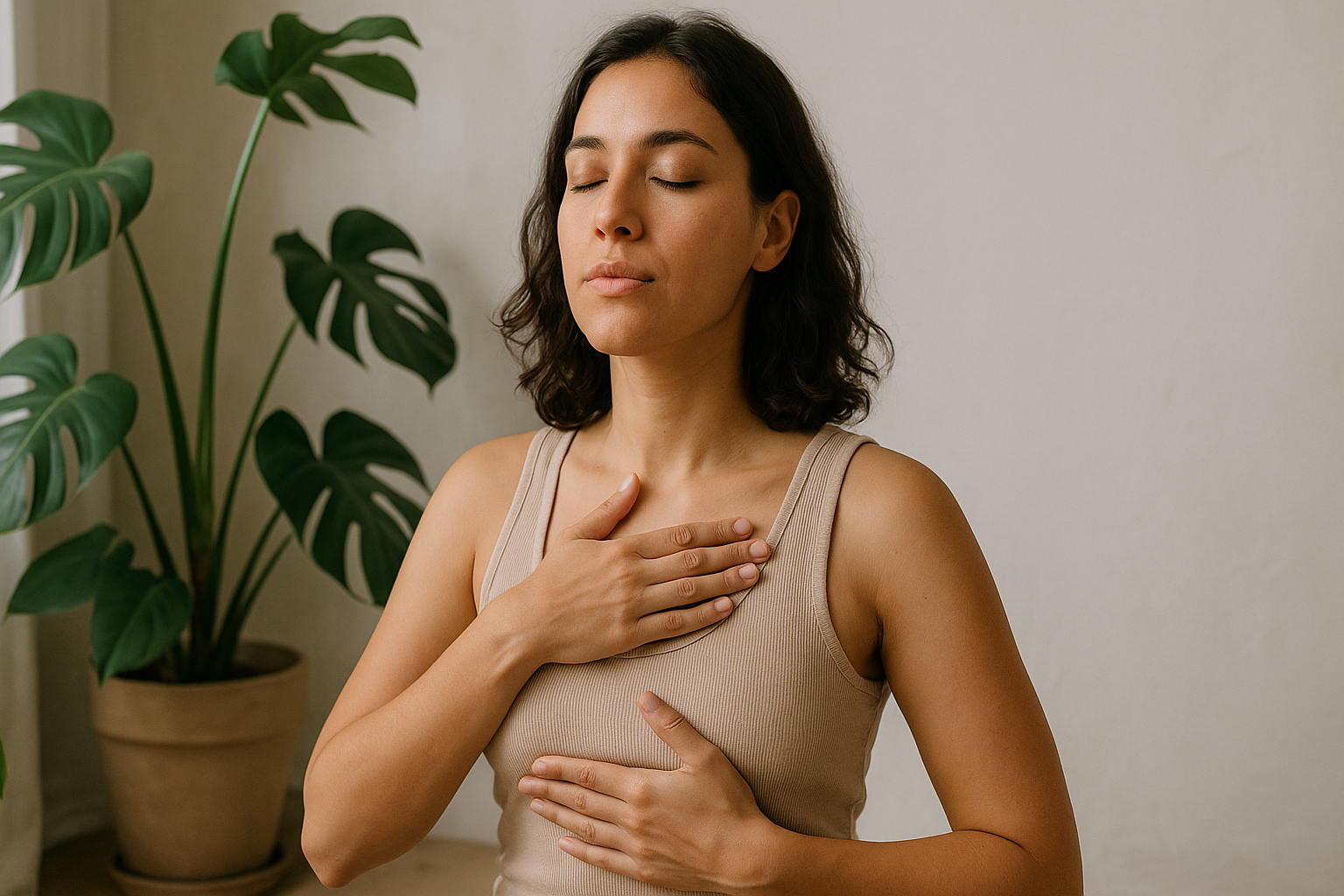
Breathing optimization is a biohacking practice that focuses on enhancing respiratory function for improved health and well-being. By utilizing specific techniques, individuals can potentially increase energy levels, reduce stress, and improve overall physical and mental performance.
What It Is
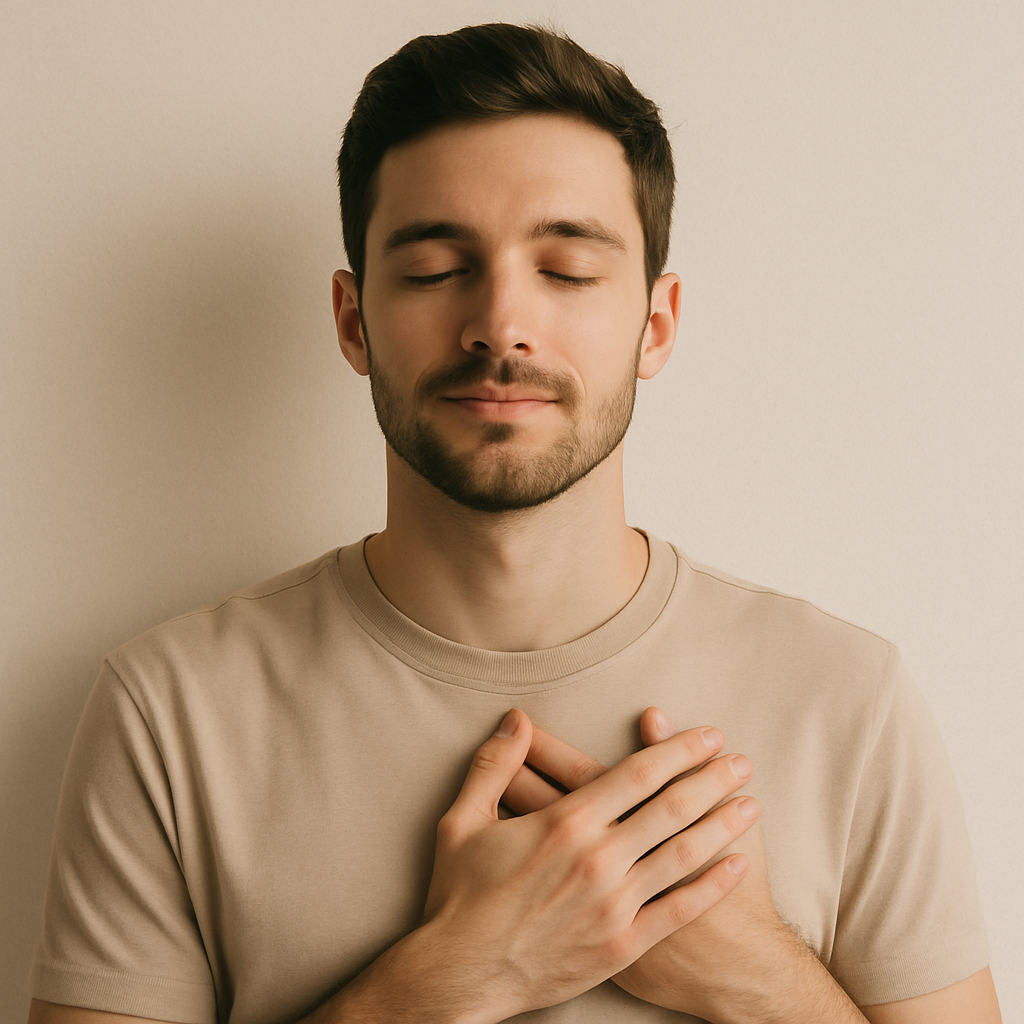
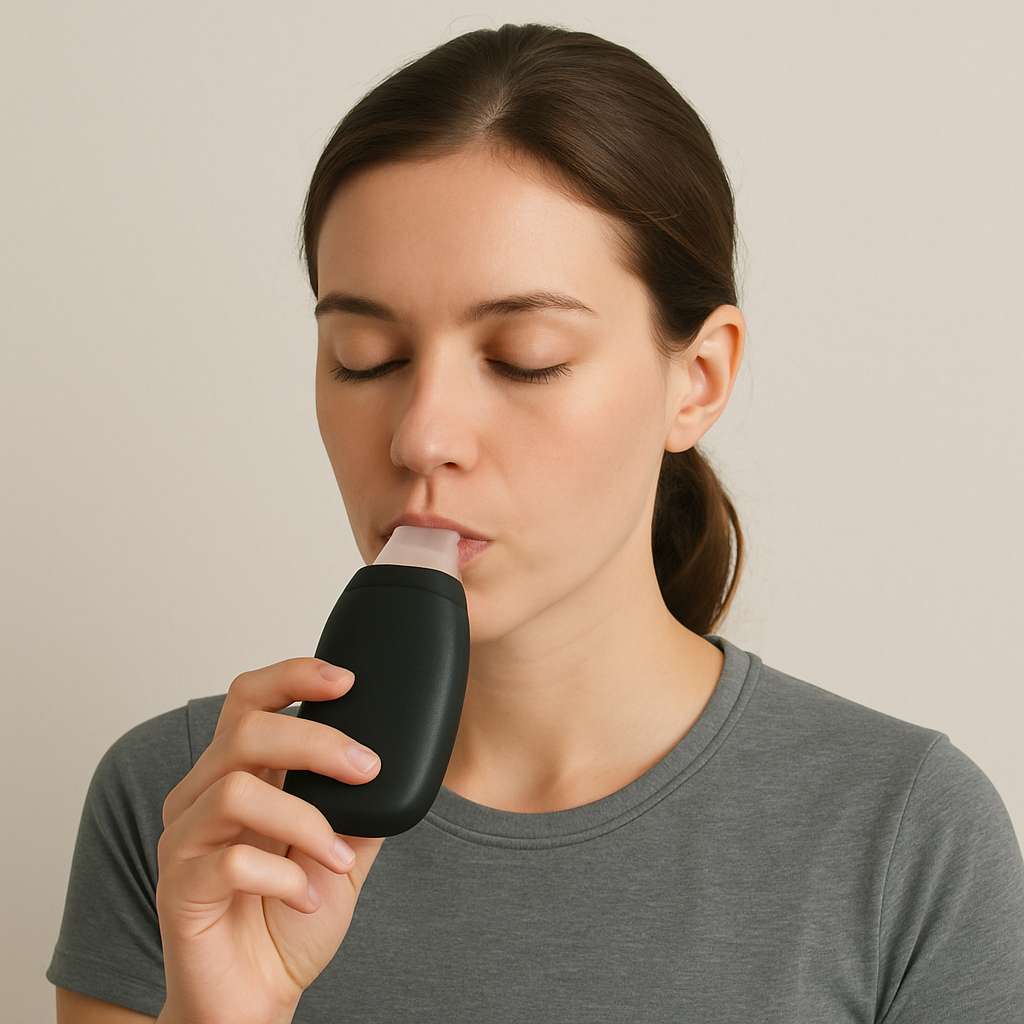
Breathing optimization refers to various techniques and practices designed to improve the efficiency and effectiveness of breathing. The goal is to harness the power of breath to enhance physical performance, mental clarity, and emotional regulation. Techniques may include controlled breathing exercises, breathwork practices, and mindfulness techniques aimed at maximizing oxygen intake and improving overall respiratory function.
At its core, breathing optimization is grounded in the understanding that the way we breathe can significantly impact our body and mind. By consciously altering our breathing patterns, we can influence our autonomic nervous system, shift our state of mind, and enhance our overall health. This approach not only aims to improve lung capacity but also to promote relaxation and reduce stress levels.
Mechanism / How It Works
The mechanism behind breathing optimization involves a combination of physiological and psychological processes. When we breathe deeply and slowly, we stimulate the parasympathetic nervous system, which is responsible for the body's rest-and-digest functions. This activation leads to a reduction in heart rate, lowered blood pressure, and a sense of calm.
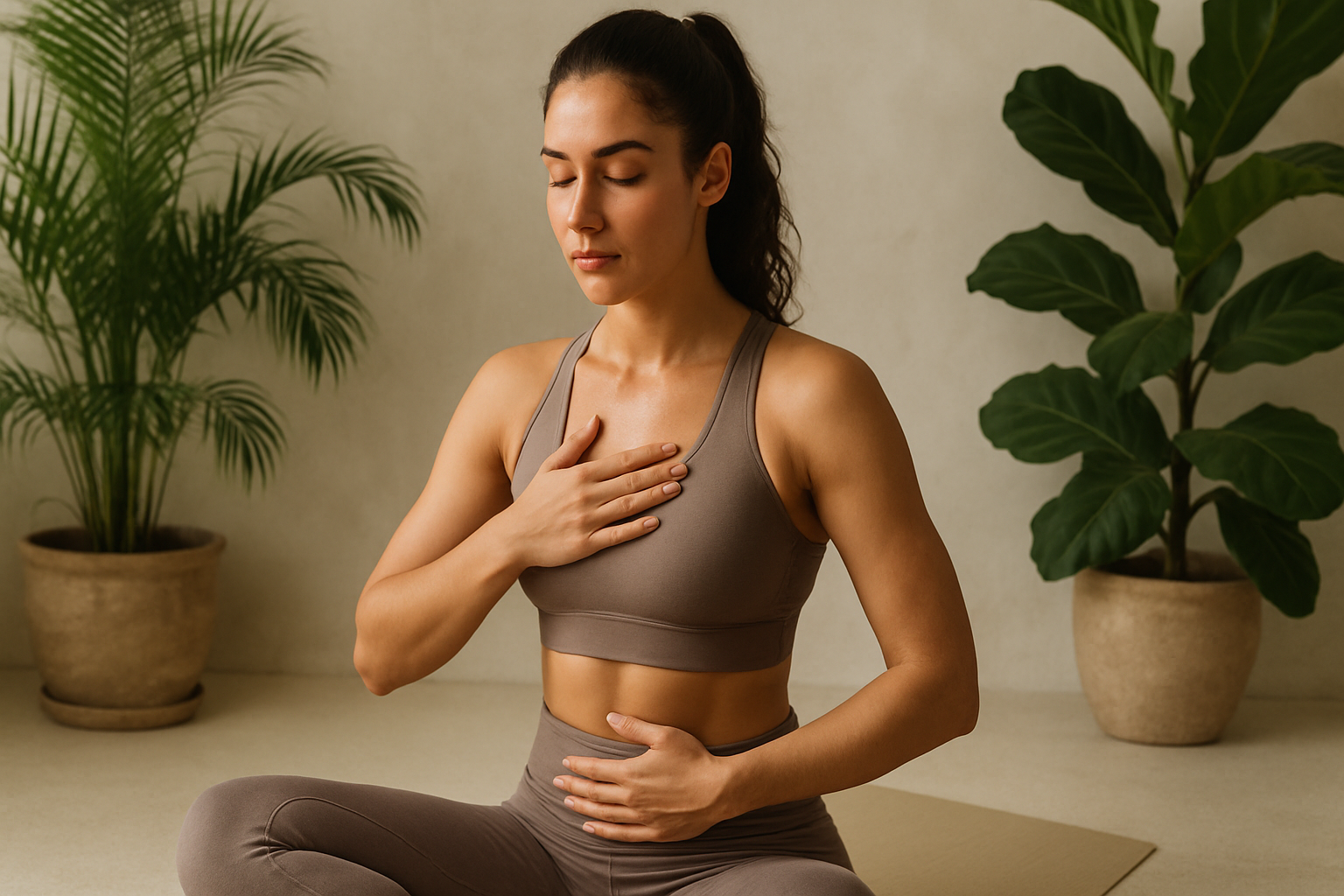
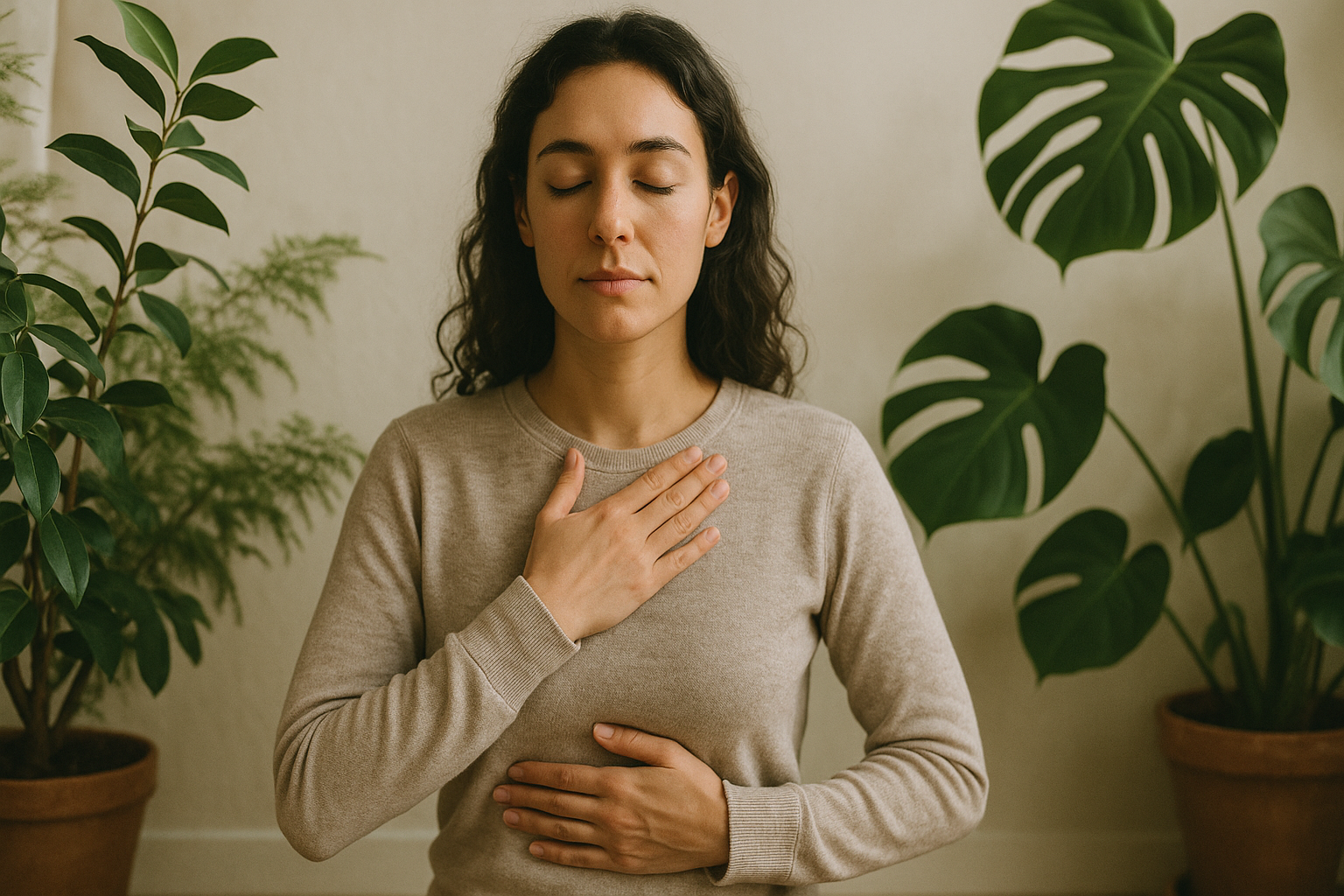
Moreover, specific breathing techniques can influence gas exchange in the lungs, leading to increased oxygen delivery to tissues and improved carbon dioxide elimination. This can enhance physical performance by improving endurance and stamina. Additionally, practices such as diaphragmatic breathing can strengthen the respiratory muscles, promoting more efficient breathing patterns.
Evidence Summary
Research on breathing optimization is still evolving, with a mix of preliminary studies and clinical trials exploring its effects. Some studies suggest that breath control techniques can reduce anxiety and stress, improve focus, and enhance athletic performance. For example, a study published in the Journal of Clinical Psychology found that mindful breathing exercises significantly reduced symptoms of anxiety in participants.
However, evidence is not universally conclusive. While some individuals report significant benefits from breathing optimization practices, others may not experience the same effects. Conflicting results can arise from variations in individual physiology, the specific techniques used, and the context of practice. More rigorous, large-scale studies are needed to draw definitive conclusions about the efficacy of these practices.
Practical Application
Integrating breathing optimization into daily life can be straightforward and beneficial. Here are some practical protocols:
- Morning Routine: Start your day with a 5-10 minute focused breathing session to set a positive tone.
- During Work: Take short breaks to practice deep breathing, especially during stressful moments.
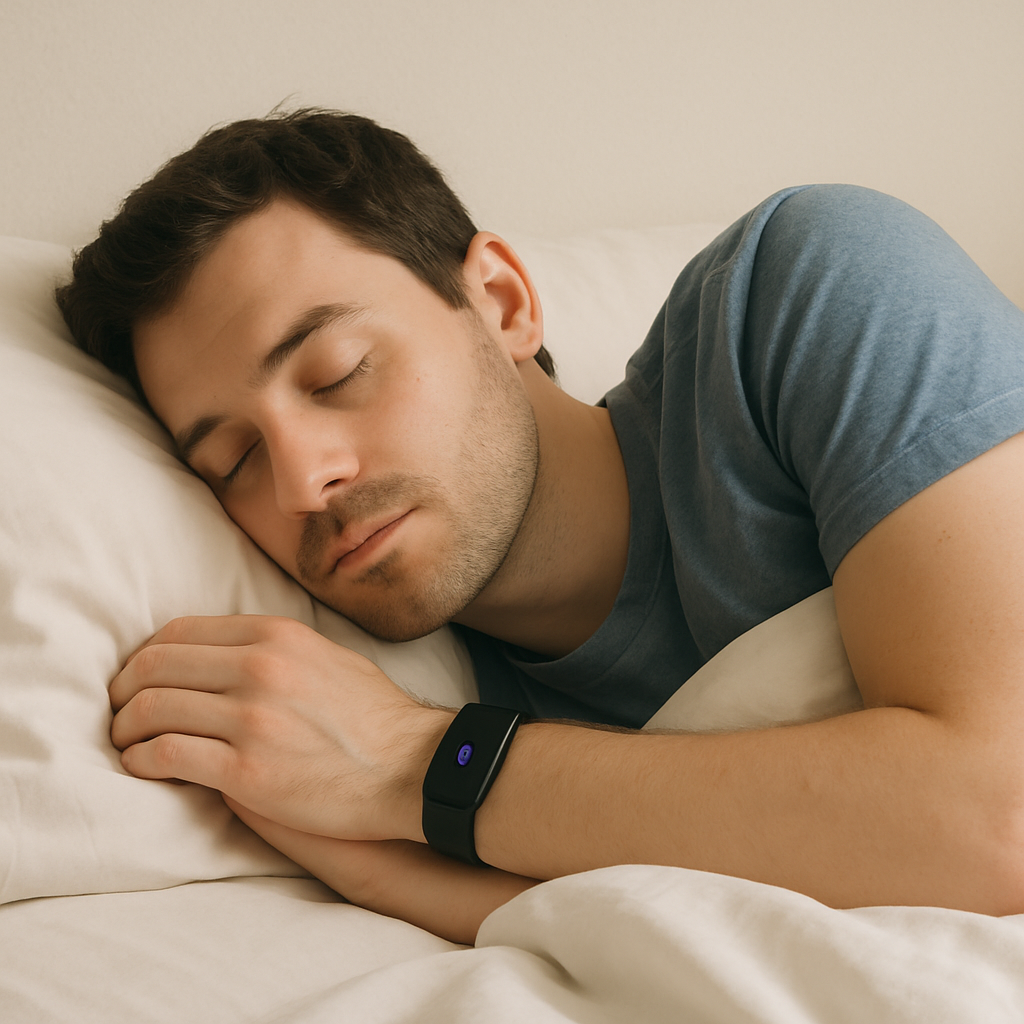
- Before Sleep: Engage in calming breathwork to promote relaxation and improve sleep quality.
Common pitfalls include overexerting oneself during breath exercises, which can lead to discomfort or anxiety. It’s essential to listen to your body and start slowly, gradually increasing the intensity and duration of practice.
Relevant Biomarkers & Tracking
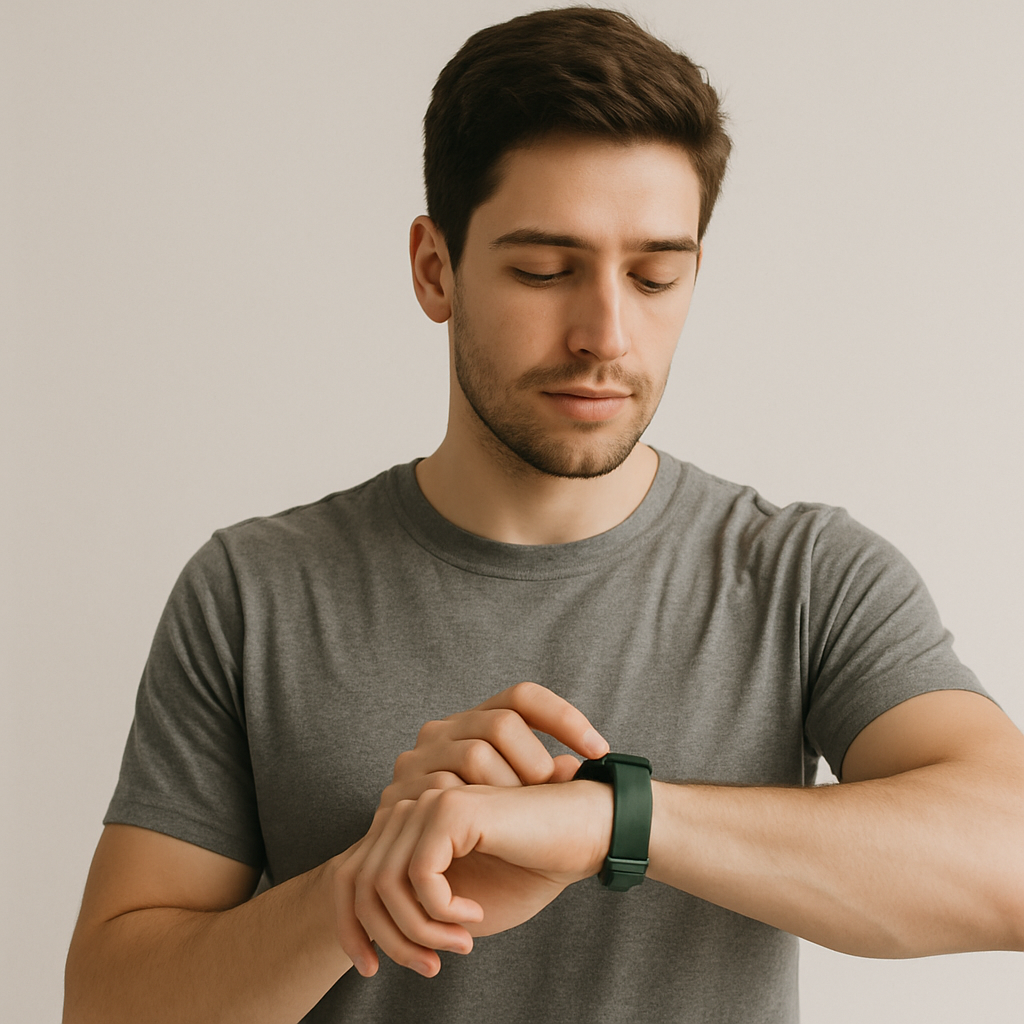
Several biomarkers can be monitored to assess the effectiveness of breathing optimization techniques. These may include:
- Heart rate variability (HRV) - reflective of autonomic nervous system balance.
- Oxygen saturation levels - indicating the efficiency of oxygen uptake.
- Respiratory rate - tracking changes in breathing patterns over time.
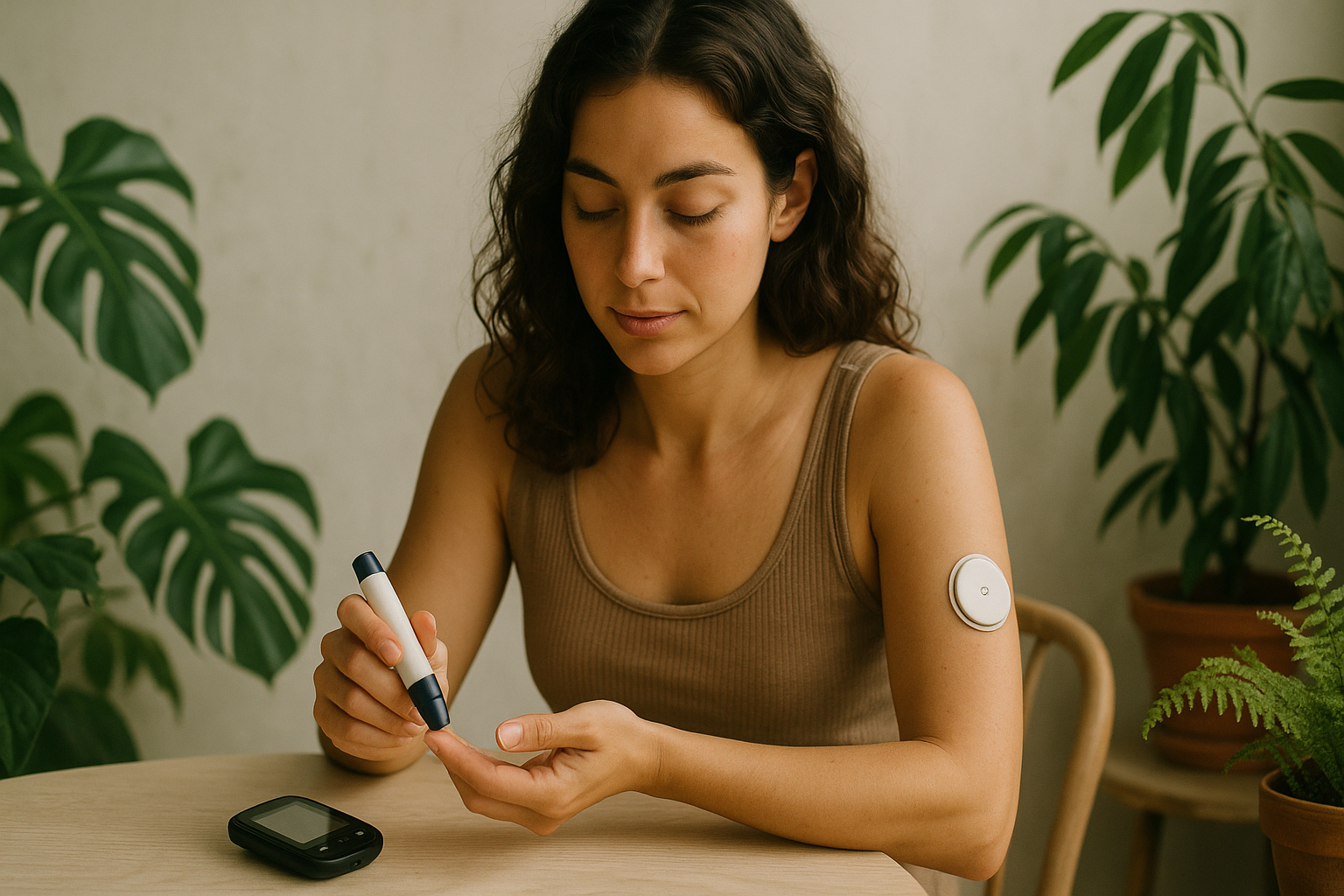
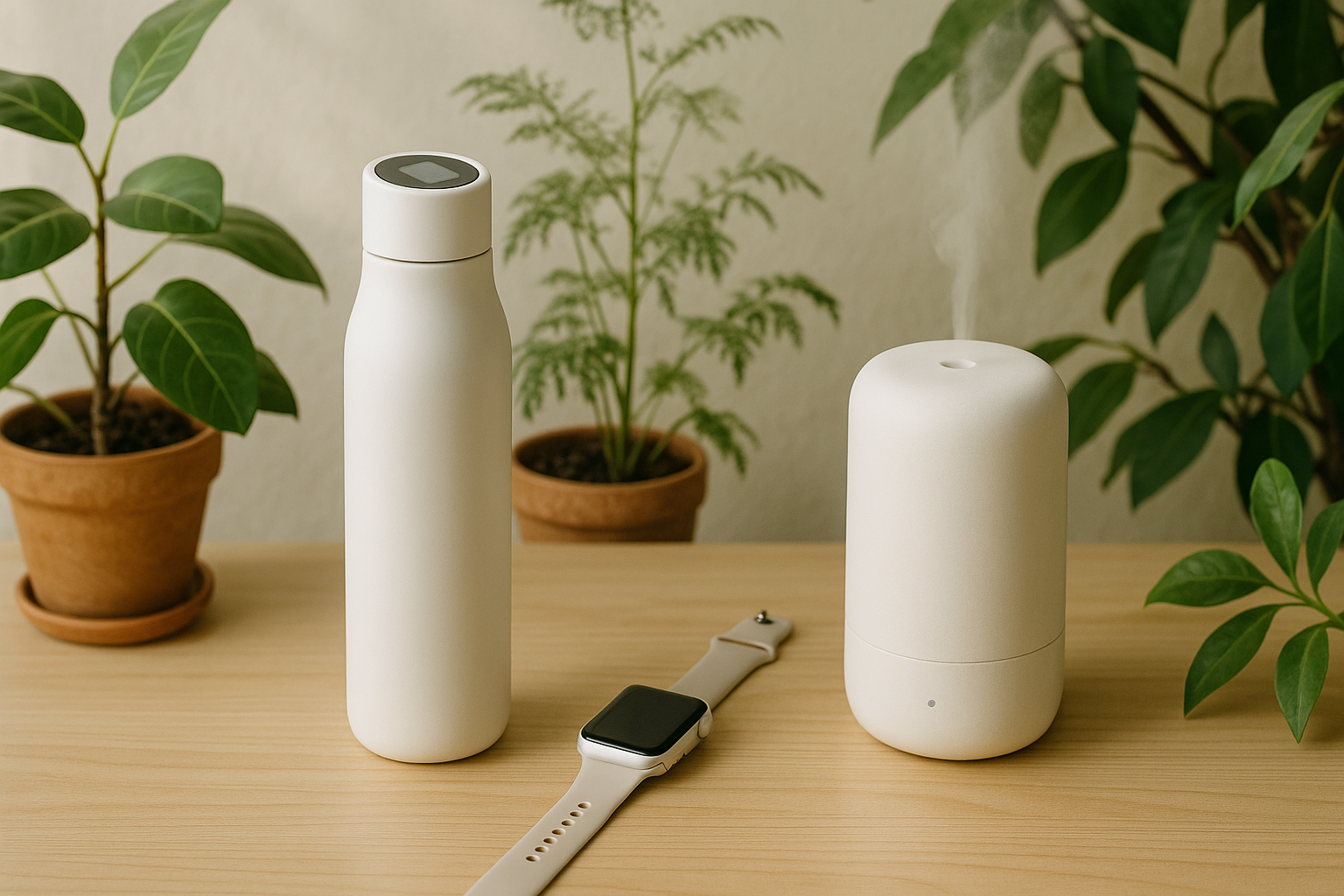
Utilizing wearable devices that track these metrics can provide valuable insights into the impact of breathing optimization on overall health.
Body Systems Supported
Breathing optimization primarily supports the following body systems:
- Respiratory System: Enhances lung capacity and efficiency.
- Nervous System: Promotes balance between sympathetic and parasympathetic responses.
- Cardiovascular System: Improves blood circulation and heart function.
Common Goals
Individuals may seek breathing optimization for various reasons, including:
- Reducing stress and anxiety levels.
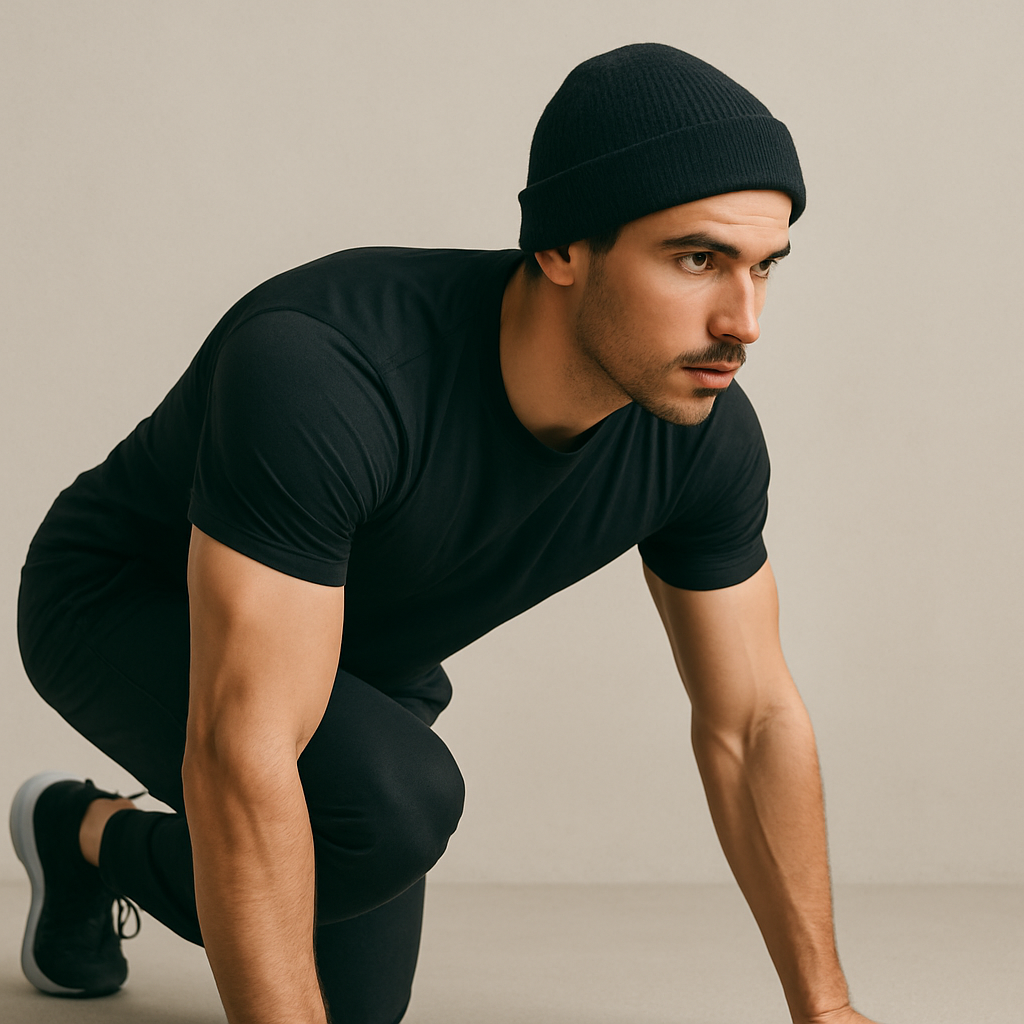
- Improving athletic performance and endurance.
- Enhancing focus and mental clarity.
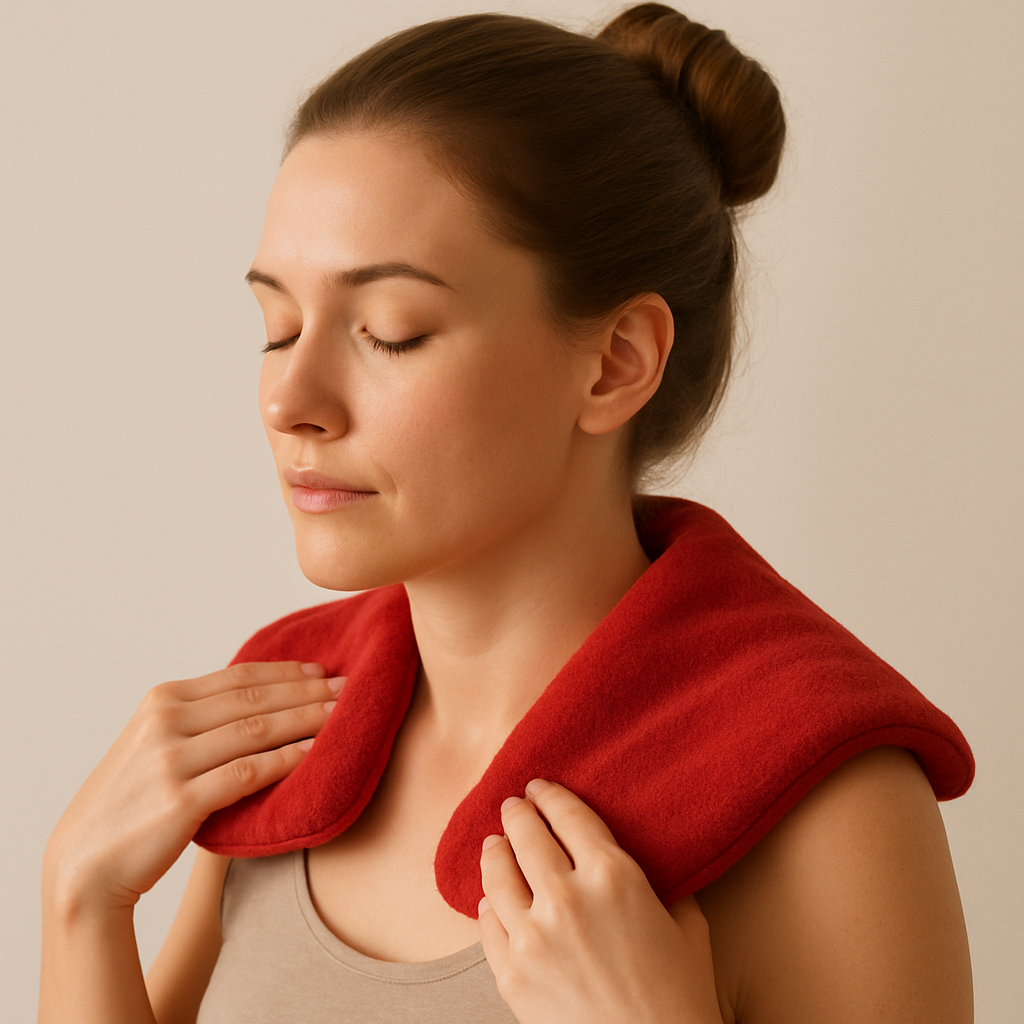
- Promoting relaxation and better sleep quality.
Safety, Contraindications & Edge Cases
While breathing optimization is generally safe for most individuals, certain contraindications should be considered. Individuals with respiratory conditions such as asthma, COPD, or other lung diseases should consult a healthcare professional before engaging in intensive breathwork practices. Additionally, those with anxiety disorders may experience discomfort with specific breathing techniques, such as hyperventilation exercises.
Pairs Well With
Breathing optimization can be effectively paired with various ancient practices and natural therapies to enhance overall wellness:
- Yoga: Combines breath control with physical movement for holistic benefits.
- Meditation: Utilizes breath awareness to deepen mindfulness and relaxation.
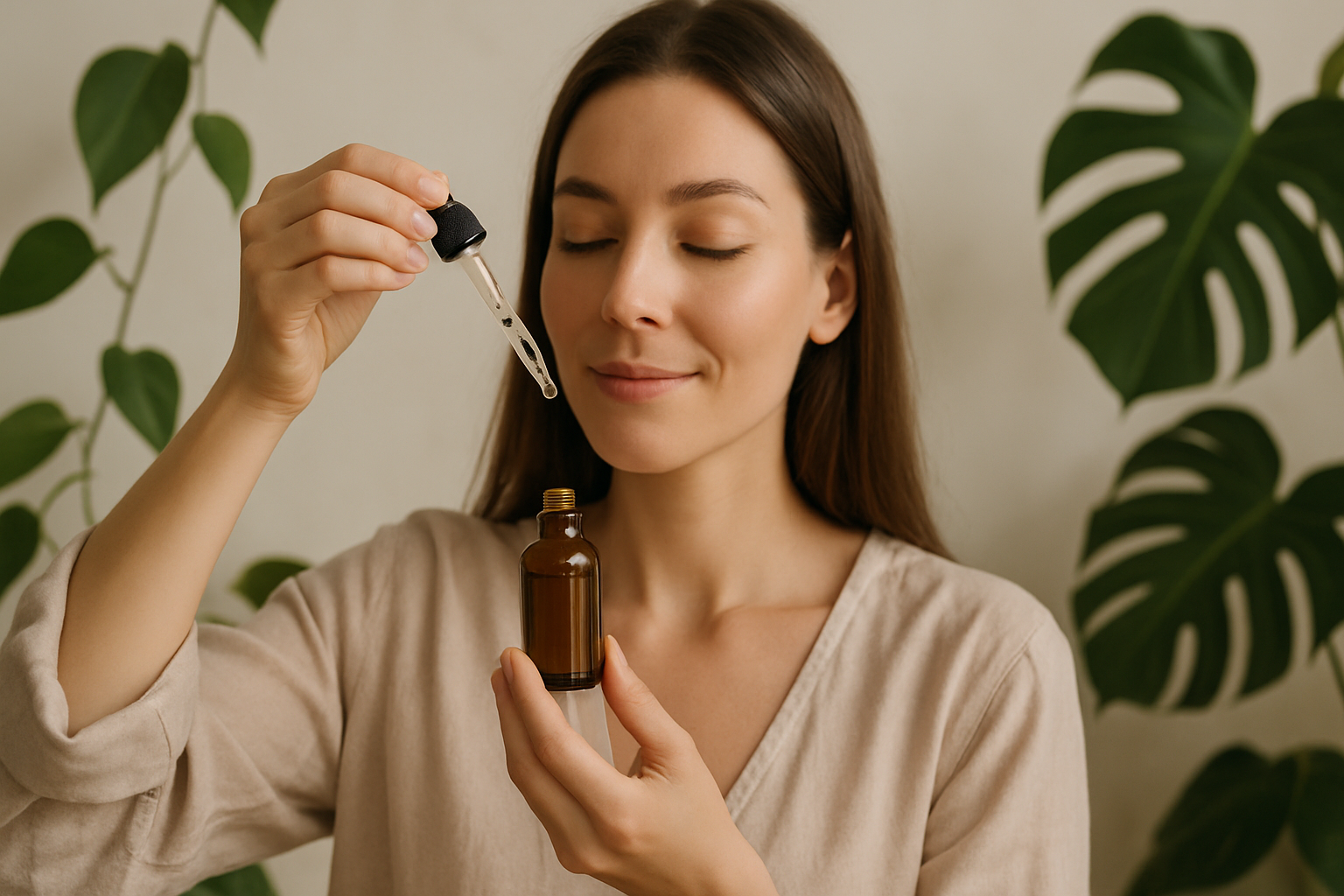
- Aromatherapy: Enhances the calming effects of breathwork through essential oils.
FAQs (5)
- Can breathing optimization improve my mental health? Yes, many people report reduced anxiety and improved focus through breath control techniques.
- How long should I practice breathing optimization each day? Starting with just 5-10 minutes daily can be beneficial, gradually increasing as comfortable.
- Are there any risks associated with breathing optimization? Generally low-risk, but individuals with certain health conditions should consult a professional.
- What techniques are best for beginners? Diaphragmatic breathing and box breathing are great starting points.
- Can I do breathing optimization while exercising? Yes, many athletes incorporate breathing techniques to enhance performance and endurance.
Frequently asked
Can breathing optimization improve my mental health?
Yes, many people report reduced anxiety and improved focus through breath control techniques.
How long should I practice breathing optimization each day?
Starting with just 5-10 minutes daily can be beneficial, gradually increasing as comfortable.
Are there any risks associated with breathing optimization?
Generally low-risk, but individuals with certain health conditions should consult a professional.
What techniques are best for beginners?
Diaphragmatic breathing and box breathing are great starting points.
Can I do breathing optimization while exercising?
Yes, many athletes incorporate breathing techniques to enhance performance and endurance.