Habit Tracking
Explore the benefits, mechanisms, and practical applications of habit tracking within the realm of biohacking and modern wellness.
Habit tracking is a modern wellness tool that helps individuals monitor their daily behaviors, goals, and routines. It employs systematic approaches to enhance personal growth and productivity.
What It Is
Habit tracking is a method of monitoring and recording daily behaviors, routines, and habits with the goal of fostering positive change and personal growth. By systematically documenting actions, individuals can gain insights into their patterns and identify areas for improvement. This practice has gained traction in the biohacking community as a tool for enhancing productivity, achieving personal goals, and promoting overall well-being.
In essence, habit tracking serves as a form of self-reflection. It empowers individuals to take charge of their actions by visually representing their progress over time. Whether through a digital app or a traditional journal, habit tracking encourages accountability and can lead to sustained behavioral changes.
Mechanism / How It Works
The mechanism behind habit tracking is simple yet effective. It involves the consistent recording of specific behaviors or habits over a defined period. Users typically set clear, measurable goals, such as drinking a certain amount of water daily, exercising regularly, or practicing mindfulness. By tracking these habits, individuals can observe trends and make necessary adjustments.
Habit tracking often incorporates visual elements, such as charts or graphs, that allow users to see their progress at a glance. This visual feedback can be motivating and may encourage adherence to goals. Additionally, some habit tracking systems incorporate reminders and prompts, further supporting users in developing consistent routines.
Evidence Summary
The evidence surrounding habit tracking is still evolving, with preliminary studies indicating its potential benefits. Research suggests that tracking habits can enhance self-awareness and motivation, leading to improved behavioral outcomes. However, the clinical evidence is somewhat limited, and results can vary widely based on individual circumstances.
Conflicting findings exist as well. Some studies indicate that while tracking can be beneficial, it may not work for everyone. Factors such as personality traits, existing habits, and the specific context of behavior change play significant roles in the effectiveness of habit tracking. Thus, while many individuals report positive experiences, more extensive research is needed to establish definitive conclusions.
Practical Application
To effectively integrate habit tracking into daily life, individuals can follow these practical protocols:
- Choose Your Habits: Start with a small number of habits to track, focusing on those that align with personal goals.
- Select a Tracking Method: Decide whether to use a digital app, a spreadsheet, or a traditional journal for tracking.
- Set Clear Goals: Define specific, achievable goals to create a sense of purpose in habit tracking.
- Review Progress Regularly: Schedule weekly or monthly reviews to assess progress and make adjustments as necessary.
Common pitfalls include overloading oneself with too many habits to track, leading to overwhelm and burnout. Additionally, failing to review progress can diminish the effectiveness of tracking, as individuals may lose sight of their goals.
Relevant Biomarkers & Tracking
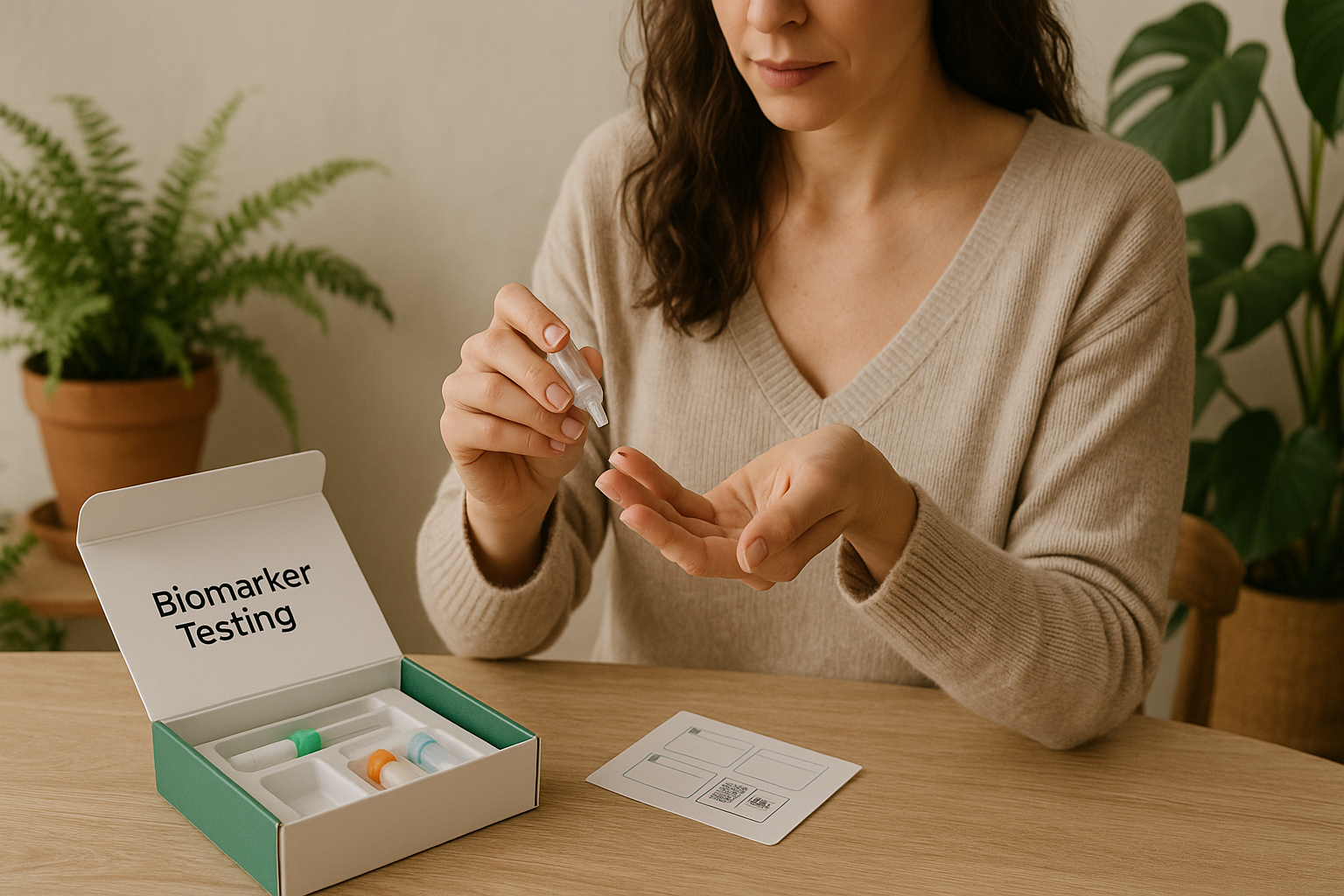
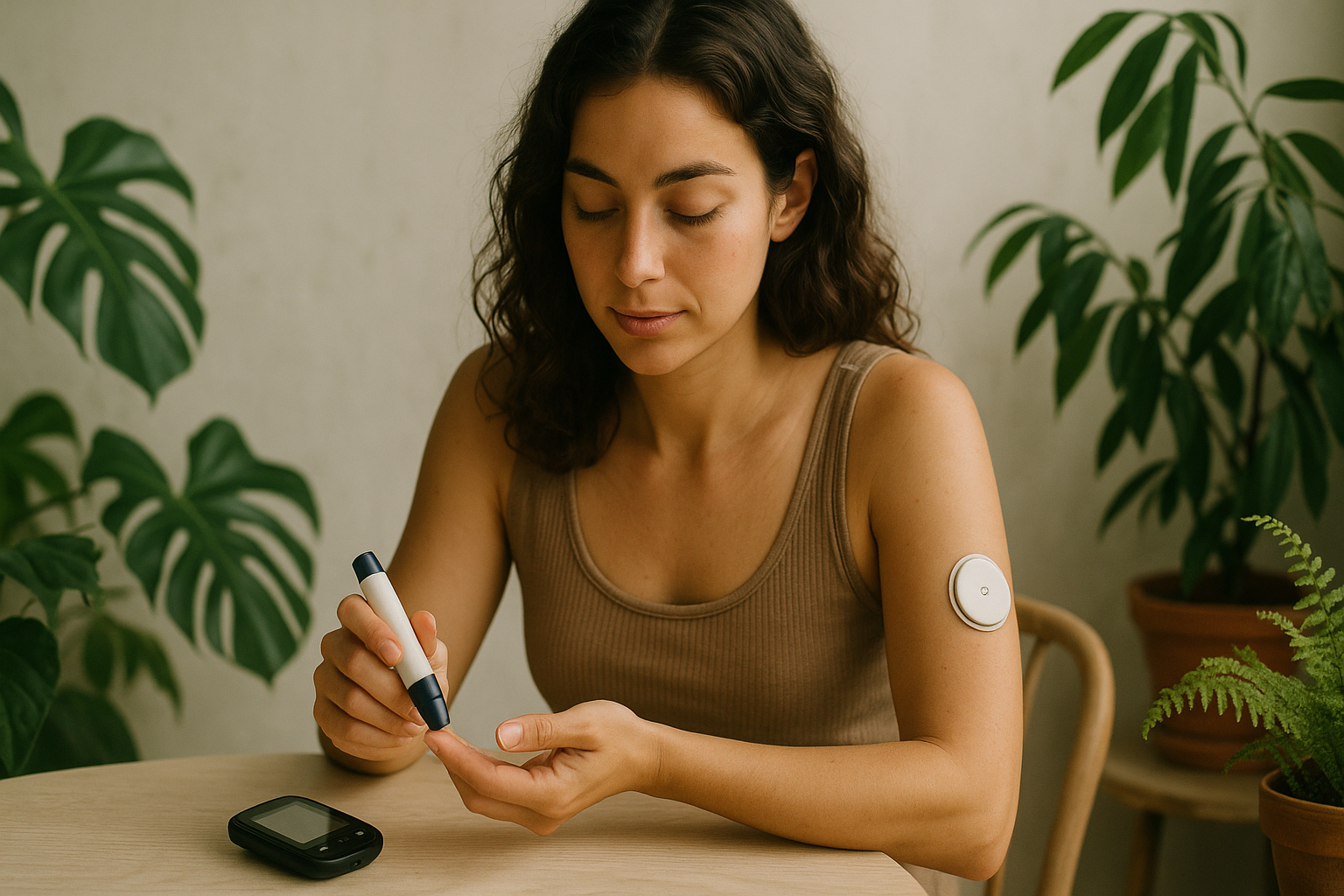
While habit tracking primarily focuses on behaviors, it can indirectly influence various biomarkers related to health and wellness. For example, tracking exercise habits may lead to improvements in cardiovascular health indicators, such as heart rate and blood pressure. Similarly, monitoring dietary habits can impact biomarkers like blood glucose levels and cholesterol profiles.
By aligning habit tracking with specific health goals, individuals can gain insights into how their behaviors affect their overall well-being.
Body Systems Supported
Habit tracking can support multiple body systems, including:
- Cardiovascular System: Regular exercise tracking can enhance heart health.
- Digestive System: Monitoring dietary habits may improve digestive health.
- Nervous System: Tracking mindfulness practices can reduce stress and promote mental well-being.
Common Goals
Individuals often utilize habit tracking to achieve various common goals, such as:
- Increasing physical activity.
- Improving dietary choices.
- Enhancing sleep quality.
- Developing mindfulness or meditation practices.
- Boosting productivity and time management skills.
Safety, Contraindications & Edge Cases
While habit tracking is generally safe for most individuals, there are some considerations to keep in mind. Overemphasis on tracking can lead to anxiety or stress for some, particularly if individuals become overly focused on perfection. Additionally, people with certain mental health conditions may find that tracking exacerbates their symptoms.
It is essential for individuals to approach habit tracking with a balanced mindset, recognizing that flexibility is key. If tracking becomes a source of stress rather than a tool for improvement, it may be beneficial to reassess the approach.
Pairs Well With
Habit tracking can be complemented by various ancient and natural wellness practices, such as:
- Mindfulness Meditation: Enhances self-awareness and supports mental health.
- Journaling: Offers a reflective outlet that pairs well with habit tracking.
- Nutrition Planning: Aligns dietary habits with tracked goals for improved health outcomes.
FAQs (5)
- What are the best habits to start tracking? Common starting points include exercise, water intake, sleep quality, and dietary choices.
- How often should I review my tracked habits? Regular reviews can be conducted weekly or monthly to assess progress and adjust goals.
- Can habit tracking help with mental health? Yes, many individuals find that tracking habits related to self-care and mindfulness positively impacts their mental well-being.
- What should I do if I miss a day of tracking? Missing a day is normal; focus on consistency over perfection. Simply resume tracking the next day.
- Are there any apps you recommend for habit tracking? Popular habit tracking apps include Habitica, HabitBull, and Strides, each offering unique features to assist users.
Frequently asked
What are the best habits to start tracking?
Common starting points include exercise, water intake, sleep quality, and dietary choices.
How often should I review my tracked habits?
Regular reviews can be conducted weekly or monthly to assess progress and adjust goals.
Can habit tracking help with mental health?
Yes, many individuals find that tracking habits related to self-care and mindfulness positively impacts their mental well-being.
What should I do if I miss a day of tracking?
Missing a day is normal; focus on consistency over perfection. Simply resume tracking the next day.
Are there any apps you recommend for habit tracking?
Popular habit tracking apps include Habitica, HabitBull, and Strides, each offering unique features to assist users.