Recovery Tracking
Discover how Recovery Tracking can enhance your wellness journey through evidence-based practices and biomarker monitoring.
Explore the concept of Recovery Tracking within Biohacking, its mechanisms, evidence base, practical applications, and more.
What It Is
Recovery Tracking is a modern wellness approach that focuses on monitoring the body's recovery processes after physical or mental exertion. It involves the use of various tools and techniques to assess how well an individual recuperates, aiming to optimize performance and overall health. By understanding recovery patterns, individuals can make informed decisions about training regimens, lifestyle changes, and wellness practices.
This practice is rooted in biohacking, which emphasizes self-experimentation and data collection to improve health outcomes. Recovery Tracking encompasses a range of methods, from wearable technology that monitors heart rate variability to subjective assessments of mood and fatigue. The ultimate goal is to leverage this data to enhance recovery, prevent burnout, and promote long-term well-being.
Mechanism / How It Works
The mechanisms behind Recovery Tracking involve a combination of physiological and psychological assessments. By collecting data on various biomarkers and self-reported metrics, individuals can identify trends in their recovery processes. For instance, heart rate variability (HRV) serves as a key indicator of the autonomic nervous system's balance, reflecting how well the body is recovering from stressors.
Additionally, subjective measures such as sleep quality, perceived exertion, and mood can provide further insights into recovery. By integrating these data points, individuals can develop a comprehensive understanding of their recovery status, allowing for tailored interventions, such as adjusting training intensity or incorporating restorative practices.
Evidence Summary
The evidence surrounding Recovery Tracking is evolving, with a mix of preliminary findings and clinical research. Many studies suggest that monitoring recovery metrics, such as HRV, can provide valuable insights into an individual’s readiness to perform and overall well-being. For example, research has shown that lower HRV may correlate with increased stress and fatigue, indicating a need for recovery.
However, conflicting results exist, particularly regarding the effectiveness of specific tracking methods and their application in diverse populations. While some athletes report significant benefits from structured recovery tracking, others may find little difference. More research is needed to establish standard protocols and validate the reliability of various tracking methods.
Practical Application
- Establish Baselines: Begin by tracking key metrics, such as HRV, sleep duration, and subjective fatigue levels, to establish personal baselines.
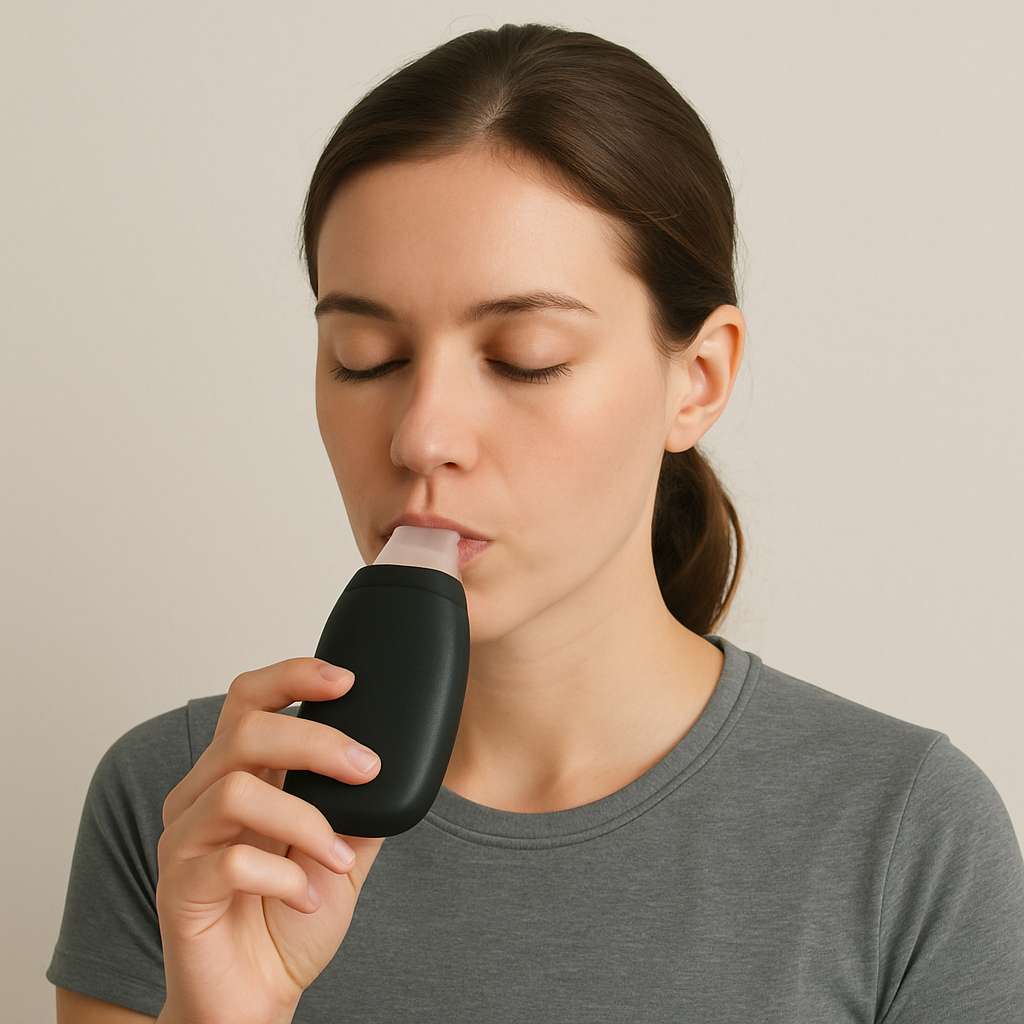
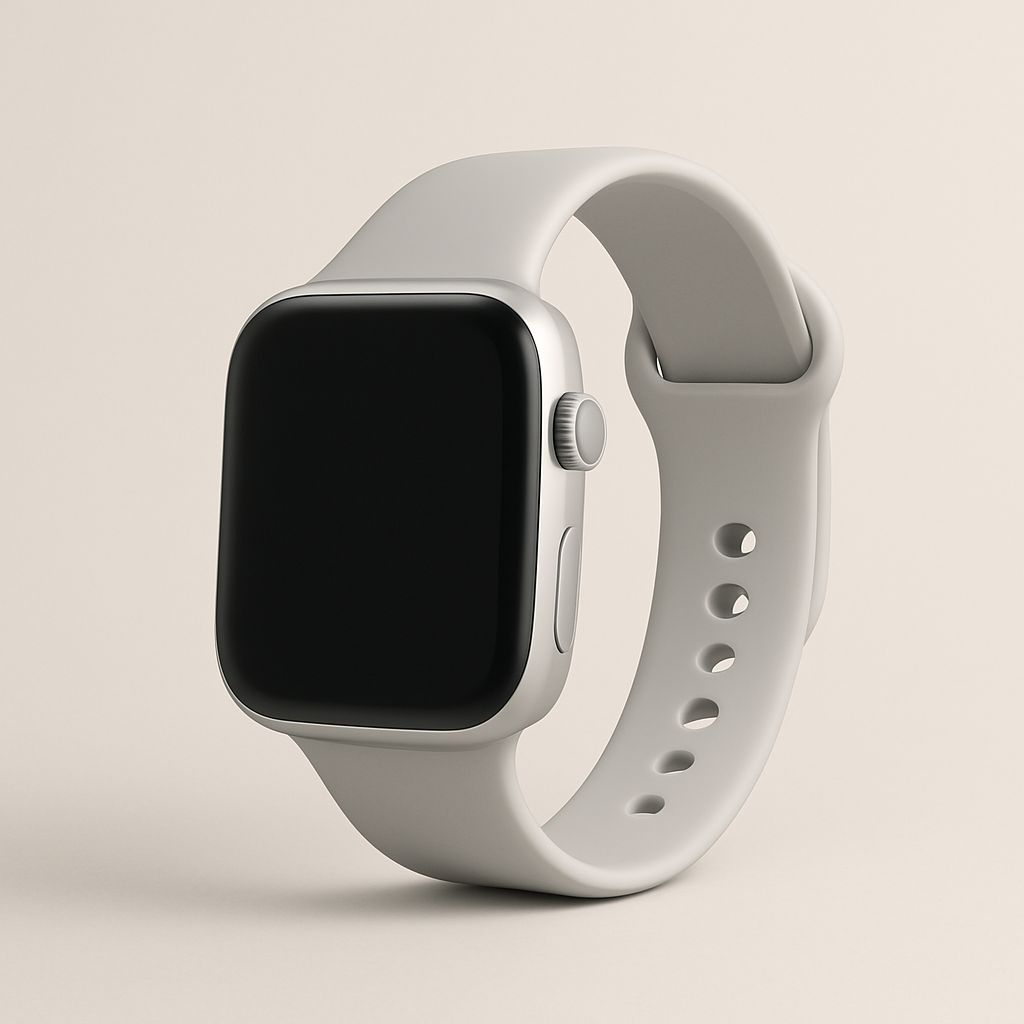
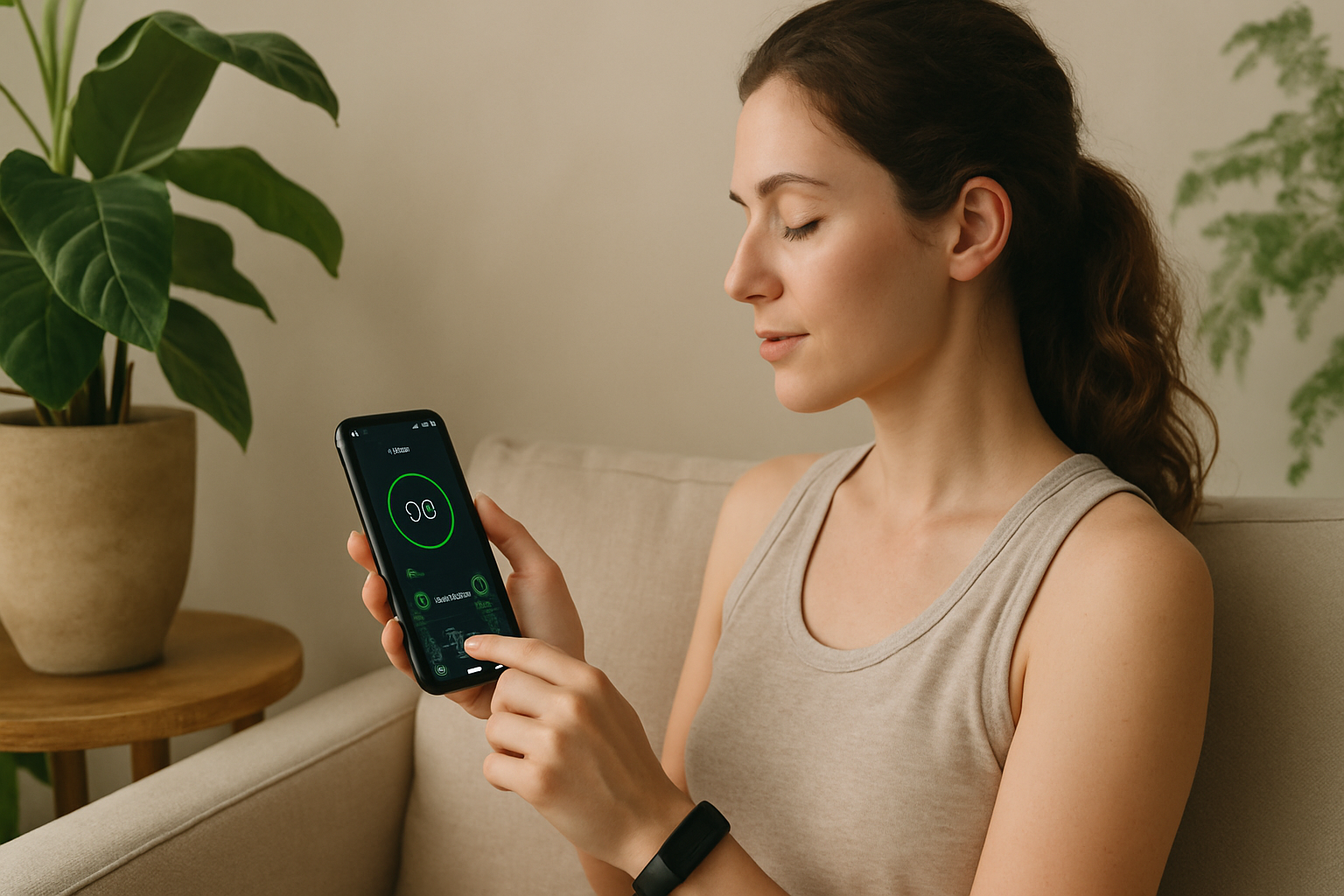
- Use Technology: Consider wearable devices or mobile apps designed for recovery tracking, which can provide real-time feedback and data analysis.
- Set Goals: Define specific recovery goals based on your activity levels and personal needs, adjusting your training or lifestyle accordingly.
- Reflect Regularly: Regularly review your recovery data and make necessary adjustments to your routines or practices.
Common pitfalls include over-reliance on technology, neglecting subjective feelings, and failing to adjust practices based on data insights. It's crucial to combine objective data with personal intuition for optimal results.
Relevant Biomarkers & Tracking
Key biomarkers commonly monitored in Recovery Tracking include:
- Heart Rate Variability (HRV): Indicates autonomic nervous system function and recovery status.
- Resting Heart Rate: A lower resting heart rate often indicates better cardiovascular fitness and recovery.
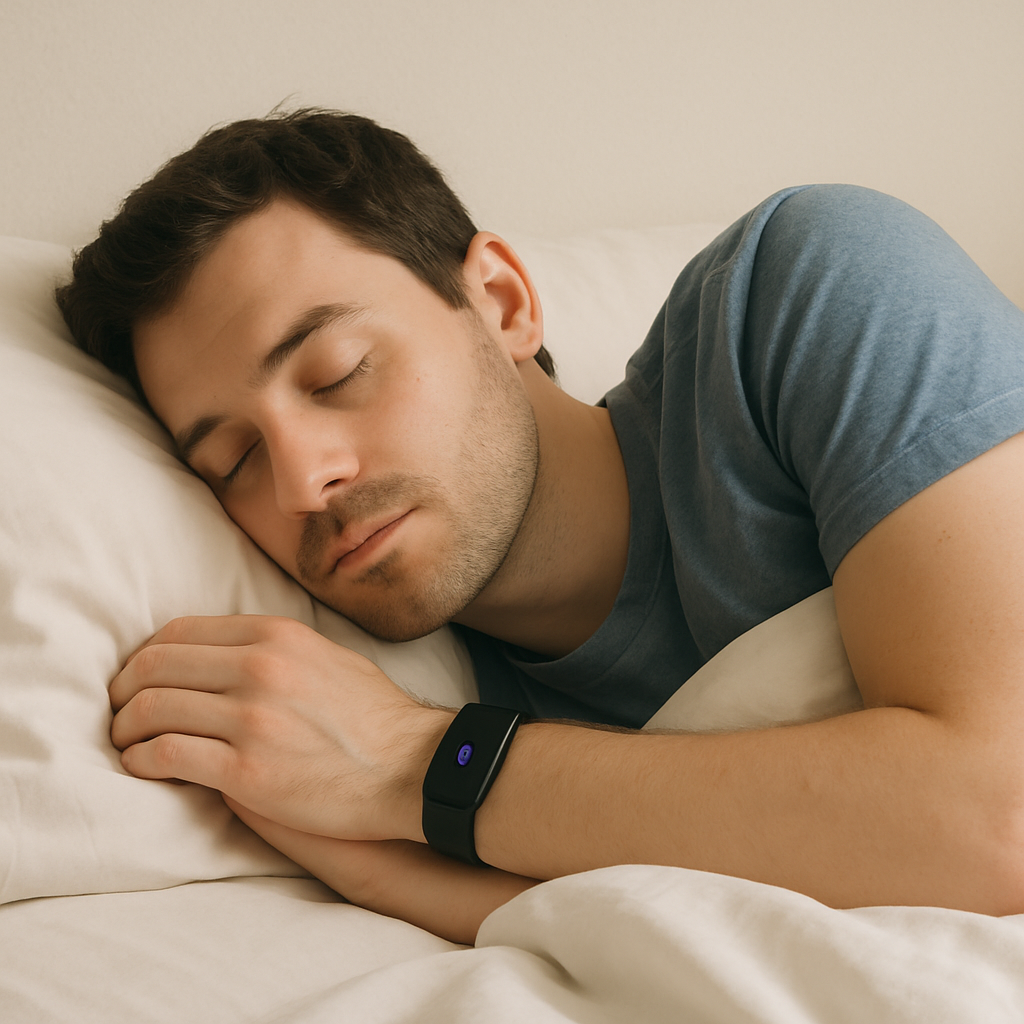
- Sleep Quality: Essential for recovery; metrics may include duration, disturbances, and sleep cycles.
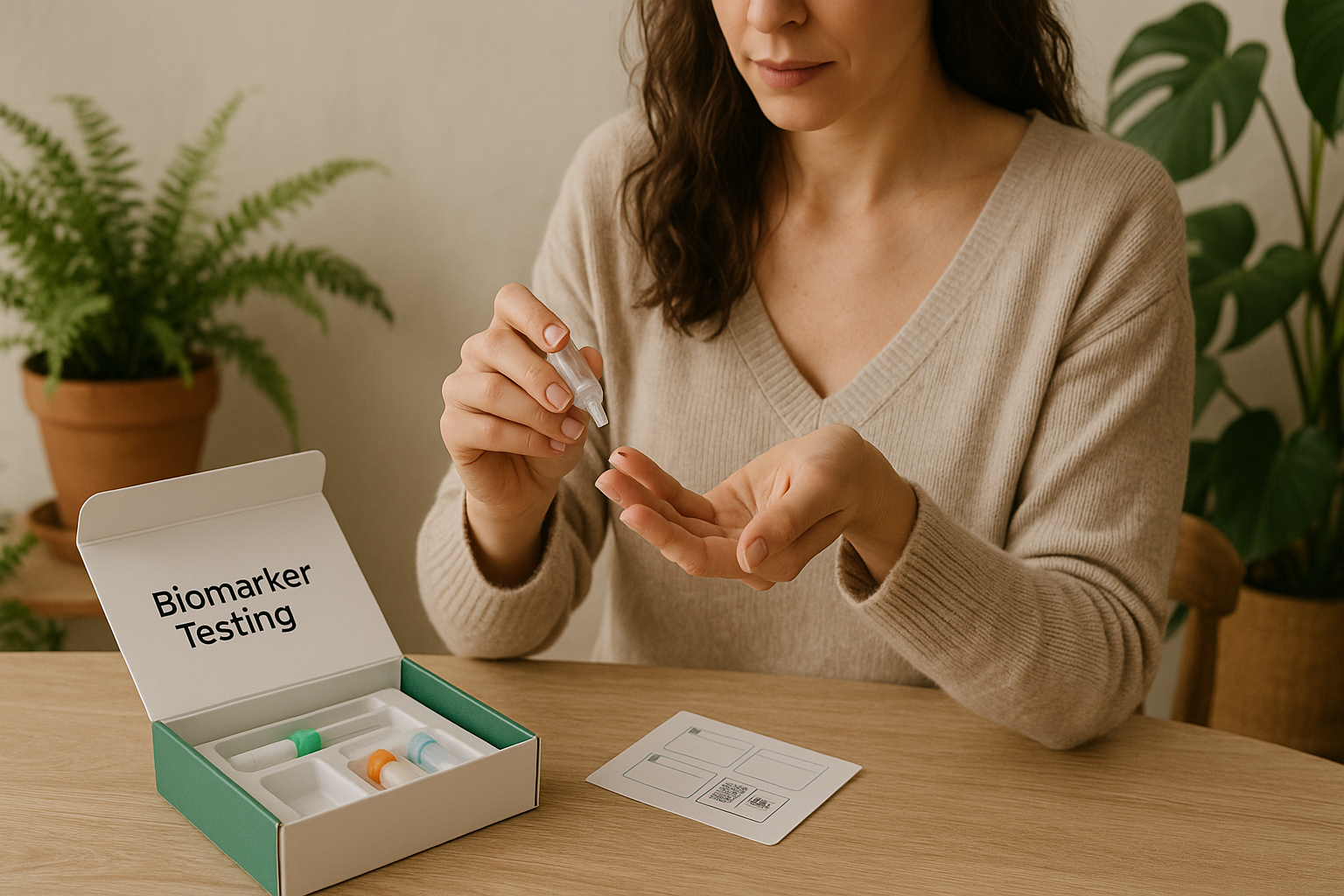
- Biochemical Markers: Some may track cortisol levels, inflammation markers, and other blood parameters for a comprehensive view of recovery.
Body Systems Supported
Recovery Tracking supports several body systems, including:
- Cardiovascular System: Monitoring heart rate and HRV can provide insights into heart health and fitness levels.
- Endocrine System: Tracking hormonal responses, such as cortisol, can indicate stress levels and recovery needs.
- Nervous System: Understanding autonomic balance helps in managing stress and enhancing mental recovery.
- Musculoskeletal System: Recovery metrics can guide training loads and reduce the risk of injury.
Common Goals
Individuals engaging in Recovery Tracking may aim for several goals, including:
- Optimizing Performance: Enhancing athletic performance through improved recovery.
- Preventing Burnout: Identifying early signs of overtraining or stress to maintain mental and physical health.
- Improving Sleep: Enhancing sleep quality and duration for better overall recovery.
- Promoting Overall Well-Being: Achieving a balanced lifestyle that supports long-term health and resilience.
Safety, Contraindications & Edge Cases
While Recovery Tracking is generally safe, certain considerations should be kept in mind:
- Medical Conditions: Individuals with specific health conditions should consult healthcare professionals before making significant changes.
- Over-Reliance: Dependence on tracking metrics can lead to anxiety or obsession; balance is key.
- Data Interpretation: Misinterpretation of data can lead to poor decisions regarding training and recovery.
Pairs Well With
Recovery Tracking can complement various ancient and natural wellness practices, enhancing its efficacy. Consider integrating the following:
- Meditation: Mindfulness and meditation practices can support mental recovery and stress management.
- Yoga: Gentle movement and stretching can promote physical recovery and balance.
- Nutritional Strategies: Incorporating anti-inflammatory foods and proper hydration can further support recovery processes.
FAQs (5)
If you're considering Recovery Tracking, here are some frequently asked questions:
- What is the best way to start tracking recovery? Begin by identifying key metrics that resonate with your lifestyle, such as HRV, sleep quality, and subjective fatigue levels.
- How often should I track my recovery? Regular monitoring is advised, ideally on a daily basis, to observe trends and make timely adjustments.
- Can I use Recovery Tracking without technology? Yes, subjective assessments such as mood and energy levels can be valuable, though technology can enhance accuracy.
- What if my recovery metrics are consistently poor? Consider consulting a healthcare professional, as it may indicate underlying health issues or the need for lifestyle changes.
- Is Recovery Tracking beneficial for everyone? While many individuals can benefit, those with specific medical conditions should approach with caution and seek guidance.
Frequently asked
What is the best way to start tracking recovery?
Begin by identifying key metrics that resonate with your lifestyle, such as HRV, sleep quality, and subjective fatigue levels.
How often should I track my recovery?
Regular monitoring is advised, ideally on a daily basis, to observe trends and make timely adjustments.
Can I use Recovery Tracking without technology?
Yes, subjective assessments such as mood and energy levels can be valuable, though technology can enhance accuracy.
What if my recovery metrics are consistently poor?
Consider consulting a healthcare professional, as it may indicate underlying health issues or the need for lifestyle changes.
Is Recovery Tracking beneficial for everyone?
While many individuals can benefit, those with specific medical conditions should approach with caution and seek guidance.