Performance Tracking
Performance tracking in biohacking leverages technology and data to optimize health and wellness, enabling individuals to monitor their physical and mental performance effectively.

Explore the world of performance tracking within biohacking, a modern wellness approach that focuses on optimizing your physical and mental capabilities through data-driven insights.
What It Is
Performance tracking is a method used in the biohacking community to measure and analyze various aspects of an individual’s physical and mental performance. By utilizing technology, such as wearable devices, apps, and other monitoring tools, individuals can gather data that informs their health choices, fitness routines, and overall well-being. This process enables users to understand their body’s responses to different stimuli, allowing for personalized adjustments to improve performance.
At its core, performance tracking is about harnessing data to make informed decisions that promote optimal health. It encompasses a wide range of metrics, including physical activity levels, heart rate variability, sleep patterns, and even cognitive performance. The ultimate goal is to empower individuals with knowledge about their unique biology, leading to enhanced physical abilities, better mental clarity, and improved overall quality of life.
Mechanism / How It Works
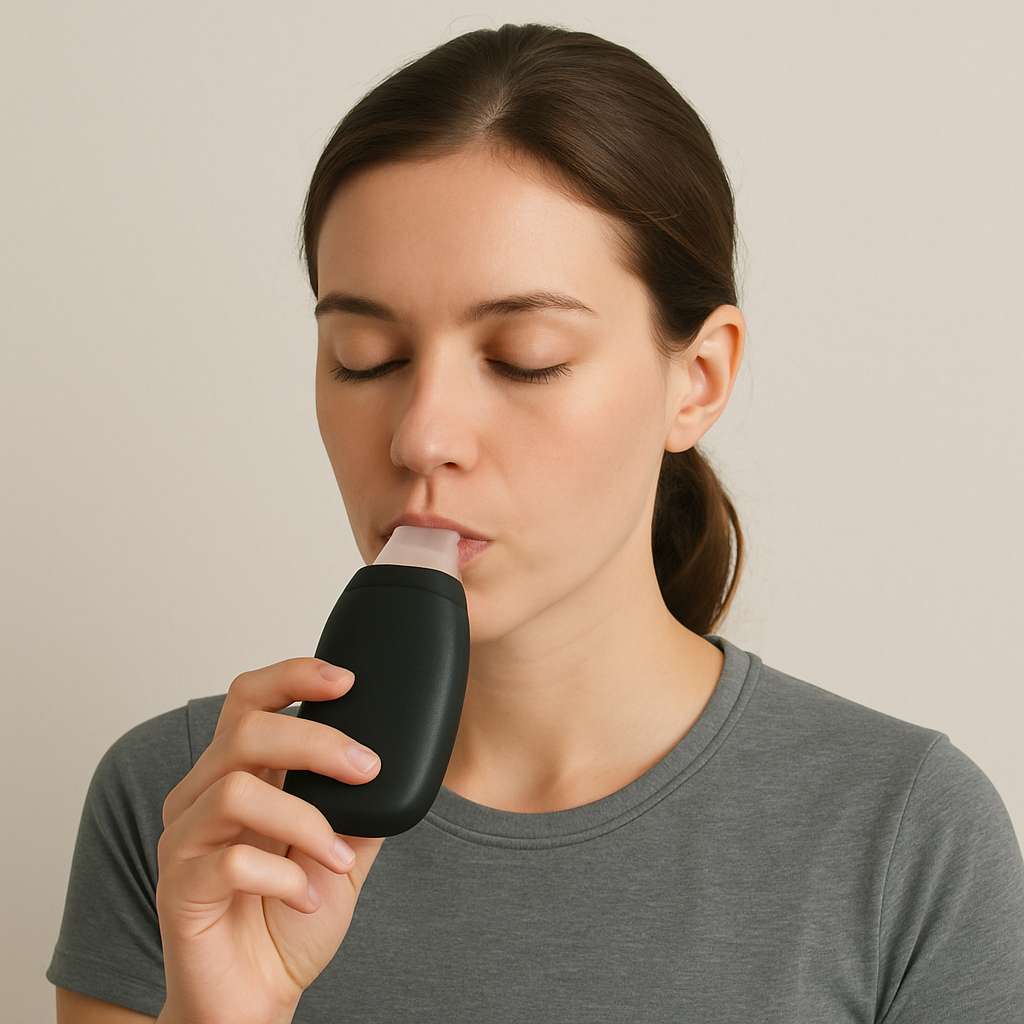
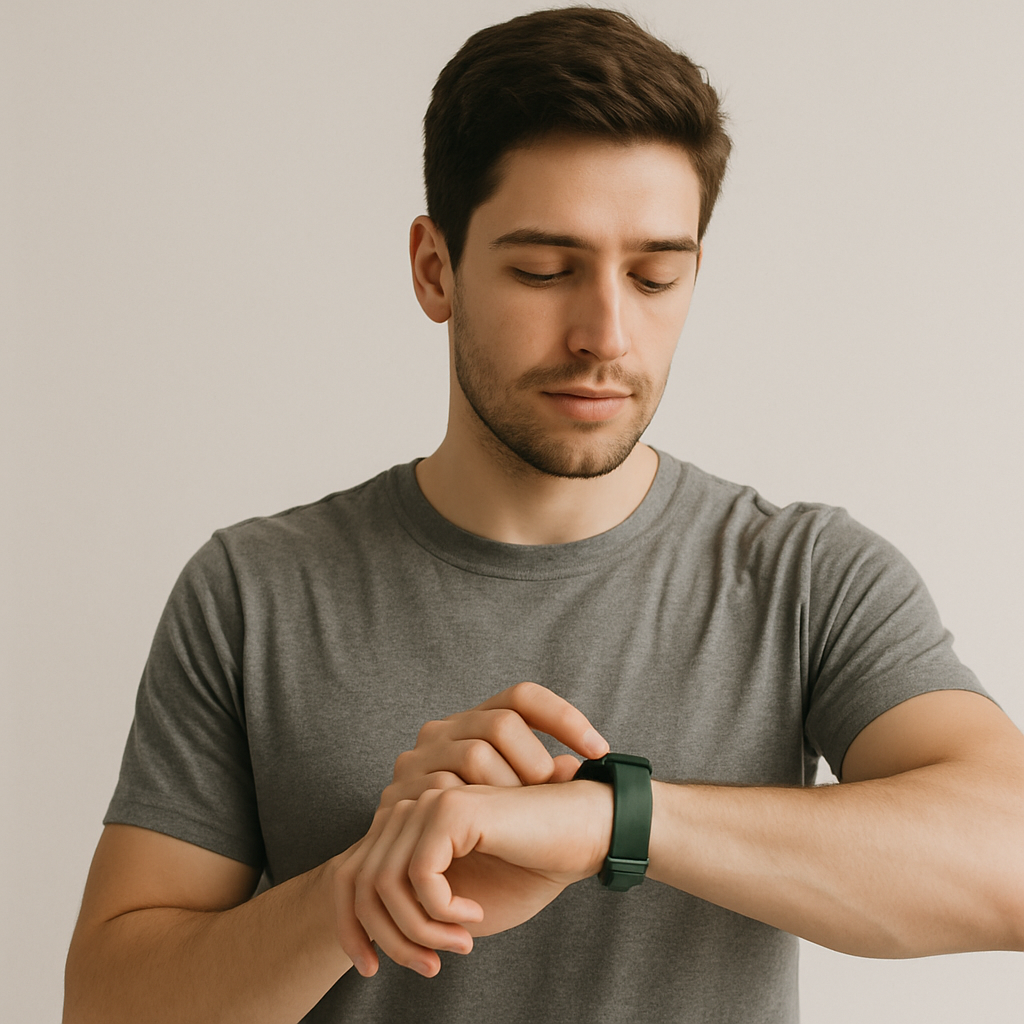
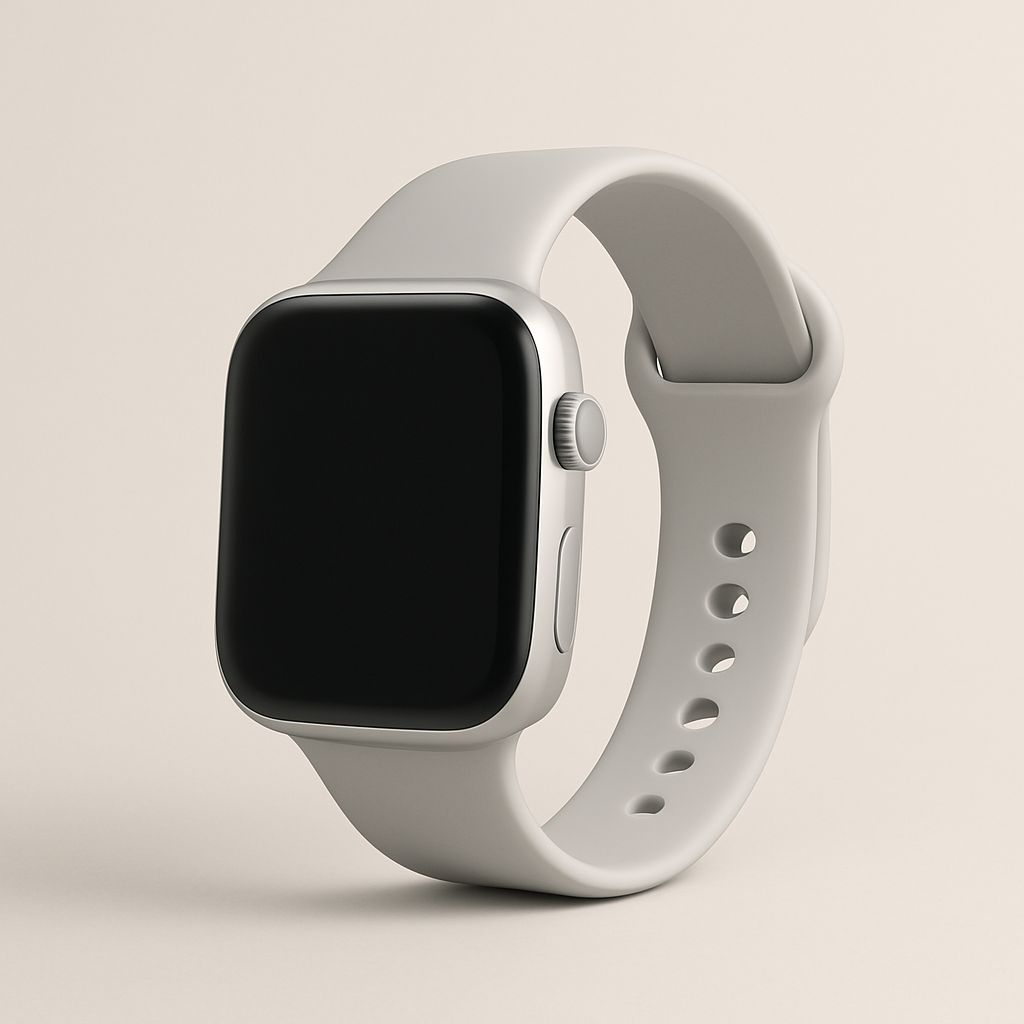
The mechanism behind performance tracking involves the continuous collection and analysis of data. Devices such as fitness trackers, smartwatches, and mobile apps play a significant role in this process. These tools often employ sensors to monitor various metrics, which are then transmitted to a central platform for analysis. Users can access their data in real-time, making it easier to identify trends, set goals, and track progress over time.
Performance tracking can also incorporate various methodologies, such as comparing baseline measurements with ongoing data to assess improvements. Additionally, advanced analytics may use algorithms and machine learning to predict future performance based on historical data. By understanding these patterns, individuals can tailor their training and lifestyle choices to optimize their results.
Evidence Summary
The evidence surrounding performance tracking is varied. Preliminary studies suggest that individuals who engage in systematic tracking of their health metrics often report improved outcomes, including better fitness levels and enhanced mental clarity. However, clinical evidence is still developing, with some studies indicating that while tracking can motivate behavior change, it may not always lead to significant improvements in health.
Conflicting evidence often arises from the subjective nature of some performance metrics. For instance, while wearable technology can accurately track physical activity, the interpretation of cognitive performance can be more complex and less reliable. As the field evolves, ongoing research aims to clarify these relationships, but it's essential to approach performance tracking with a balanced understanding of its potential benefits and limitations.
Practical Application
To effectively integrate performance tracking into daily life, individuals can adopt specific protocols that align with their health goals. Here are some practical steps:
- Choose appropriate tracking devices that suit your lifestyle and goals, such as fitness trackers for physical activity or sleep monitors for rest quality.
- Set measurable objectives based on your data; for example, aim to increase your daily step count or improve your sleep duration.
- Review and analyze your data regularly to identify trends and make necessary adjustments to your routines.
- Stay mindful of potential pitfalls, such as over-reliance on data or becoming discouraged by perceived lack of progress.
By incorporating these practices, individuals can foster a positive relationship with performance tracking that promotes continuous improvement without becoming overwhelmed by the data.
Relevant Biomarkers & Tracking
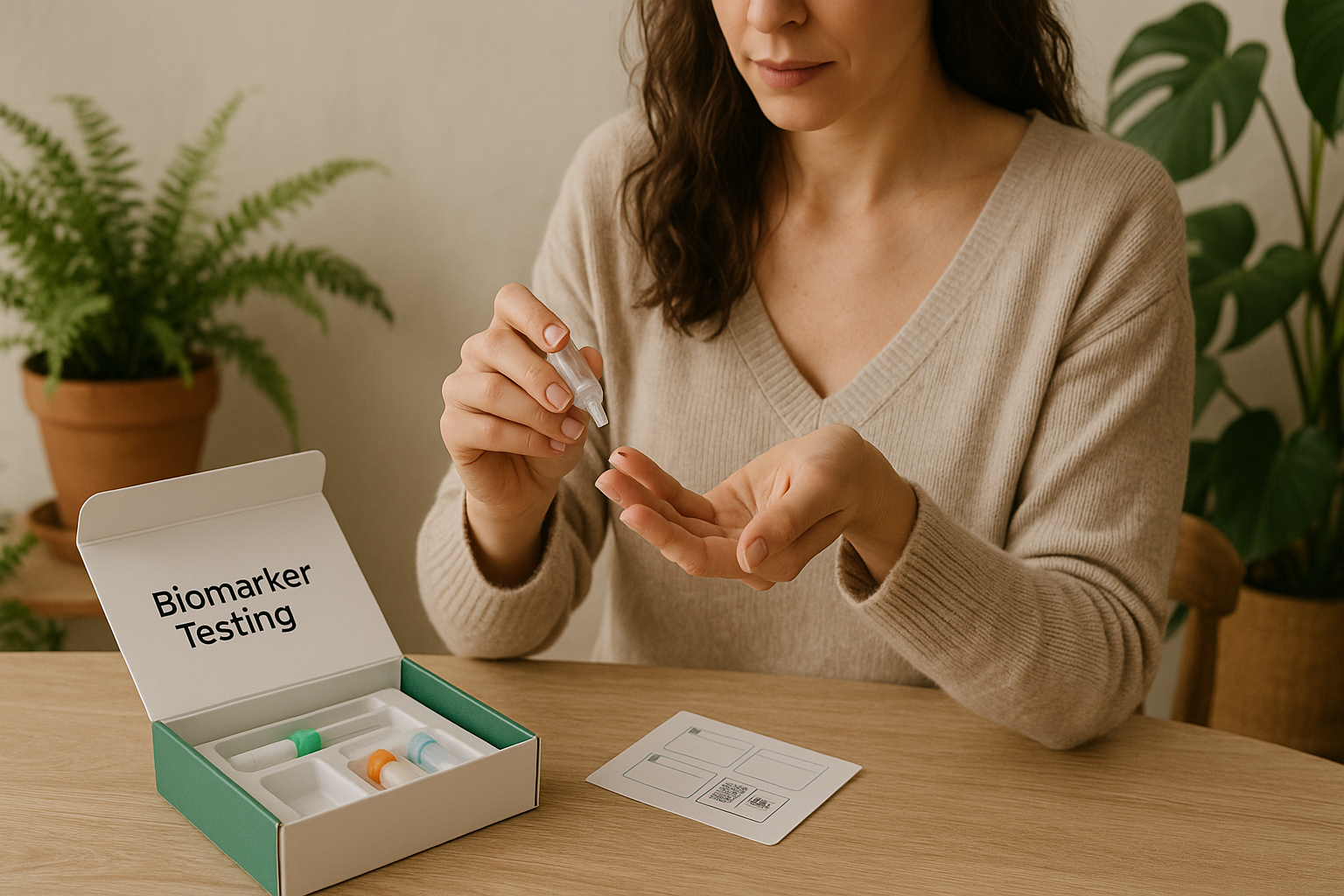
Performance tracking can involve a variety of biomarkers that provide insights into health and performance. Some commonly tracked biomarkers include:
- Heart Rate Variability (HRV): Indicates stress levels and recovery status.
- Resting Heart Rate: Reflects cardiovascular fitness.
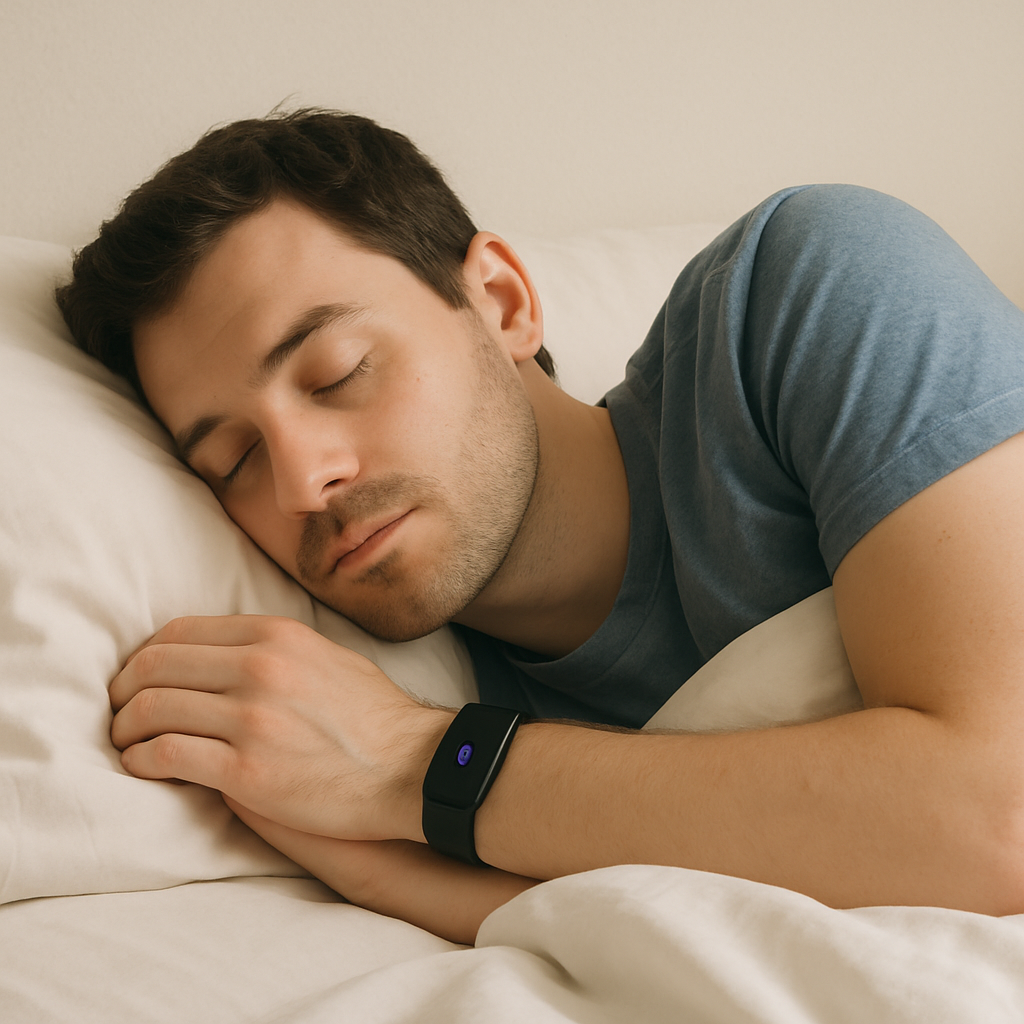
- Sleep Quality: Assesses the restorative nature of sleep.
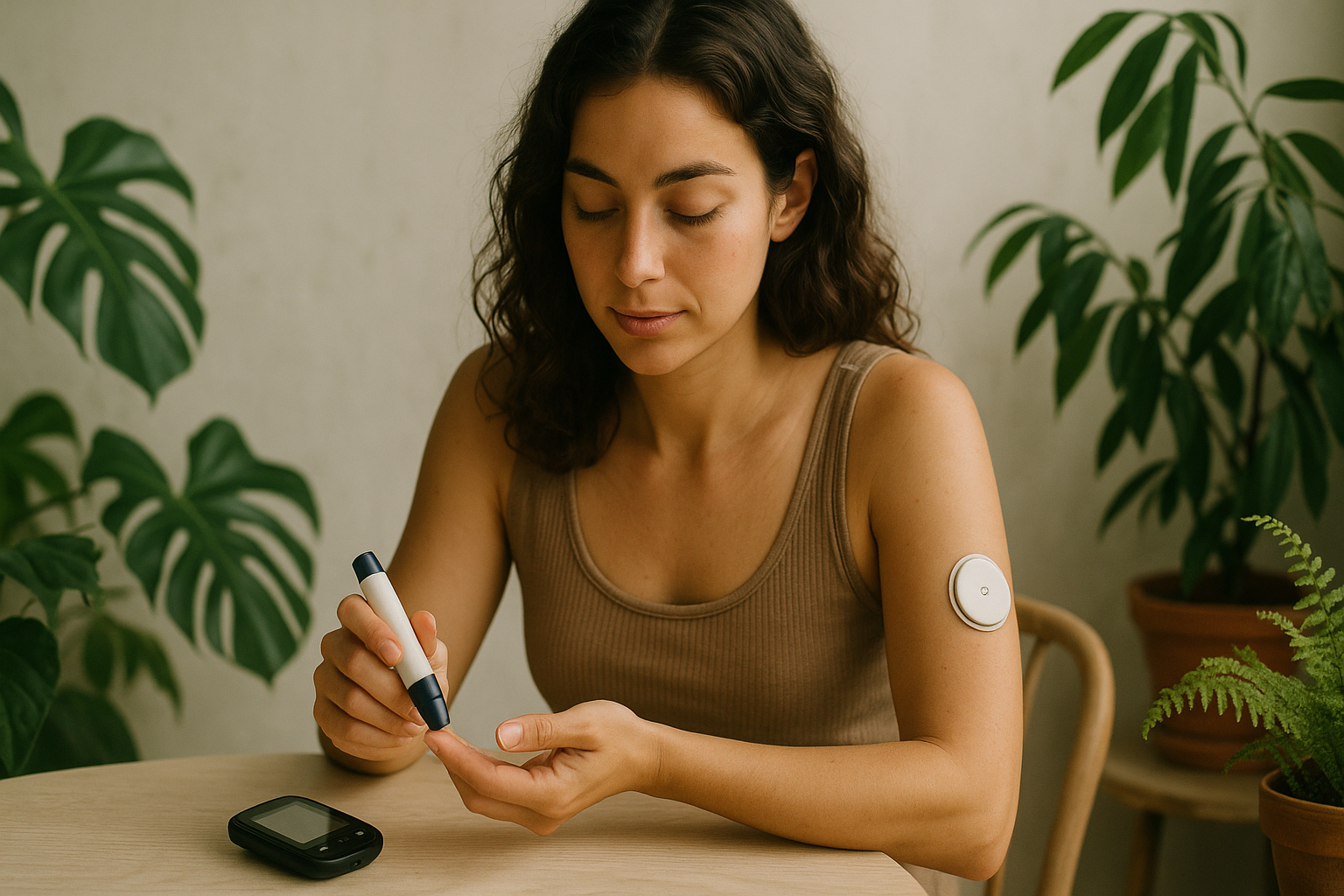
- Blood Glucose Levels: Provides insights into metabolic health.
- Cognitive Performance Metrics: Can include reaction time and memory assessments.
Body Systems Supported
Performance tracking supports several body systems, helping to enhance overall function and health:
- Cardiovascular System: Monitoring heart rate and blood pressure improves heart health.
- Nervous System: Tracking HRV and cognitive metrics can enhance mental resilience and cognitive function.
- Endocrine System: Blood glucose tracking can assist in managing metabolic processes.
- Musculoskeletal System: Physical activity tracking helps optimize exercise routines and prevent injuries.
Common Goals
Individuals engaging in performance tracking often have specific goals, such as:
- Improving physical fitness and endurance.
- Enhancing cognitive function and mental clarity.
- Optimizing sleep quality for better recovery.
- Managing stress and emotional well-being.
- Tracking nutritional intake for better metabolic health.
Safety, Contraindications & Edge Cases
While performance tracking can be beneficial, it is essential to consider safety and potential contraindications. Some individuals may experience anxiety or stress related to tracking data excessively, leading to a negative impact on mental health. Additionally, certain conditions may require a more cautious approach to tracking, such as:
- Individuals with eating disorders should avoid obsessive tracking of calories or weight.
- People with chronic health conditions should consult healthcare professionals before starting a tracking regimen.
In edge cases, the data produced by performance tracking devices can sometimes be inaccurate or misleading. It is critical to interpret the data within the context of individual health and lifestyle.
Pairs Well With
Performance tracking can complement various ancient or natural wellness practices, enhancing overall health. Some effective pairings include:
- Mindfulness and Meditation: Combining data tracking with mindfulness practices can enhance mental resilience.
- Nutrition and Dietary Adjustments: Tracking nutritional intake can work alongside traditional dietary guidelines for optimal health.
- Physical Training Regimens: Integrating performance tracking with structured workout programs can maximize fitness results.
FAQs (5)
- Q: What types of devices are best for performance tracking?
A: The best devices depend on your goals, but popular options include fitness trackers, smartwatches, and mobile health apps. - Q: Can performance tracking help with weight loss?
A: Yes, tracking can provide insights into activity levels and caloric intake, which can be helpful for weight management. - Q: Is performance tracking suitable for everyone?
A: While many can benefit, those with certain mental health conditions or chronic illnesses should consult a professional before starting. - Q: How accurate are the metrics provided by wearable devices?
A: Accuracy varies by device and metric; while some measures like heart rate are generally reliable, others may be less precise. - Q: How often should I review my performance data?
A: Regular reviews, ideally weekly or bi-weekly, allow you to track progress and make necessary adjustments to your goals.
Frequently asked
What types of devices are best for performance tracking?
The best devices depend on your goals, but popular options include fitness trackers, smartwatches, and mobile health apps.
Can performance tracking help with weight loss?
Yes, tracking can provide insights into activity levels and caloric intake, which can be helpful for weight management.
Is performance tracking suitable for everyone?
While many can benefit, those with certain mental health conditions or chronic illnesses should consult a professional before starting.
How accurate are the metrics provided by wearable devices?
Accuracy varies by device and metric; while some measures like heart rate are generally reliable, others may be less precise.
How often should I review my performance data?
Regular reviews, ideally weekly or bi-weekly, allow you to track progress and make necessary adjustments to your goals.