Lifestyle Optimization
Discover how lifestyle optimization can enhance your health and wellness through biohacking techniques.
Explore the world of lifestyle optimization within biohacking, focusing on its definition, mechanisms, evidence, practical applications, biomarkers, body systems, goals, safety, and complementary practices.
What It Is
Lifestyle optimization, a key aspect of biohacking, refers to the intentional and systematic approach to improving one's overall well-being through various lifestyle choices. This concept encompasses a wide range of practices, including nutrition, exercise, sleep management, and mental health strategies, all aimed at enhancing physical and cognitive performance.
At its core, lifestyle optimization seeks to identify and implement changes in daily routines that can lead to improved health outcomes. This may involve experimenting with different diets, adopting new exercise regimens, or incorporating mindfulness practices. The ultimate goal is to create a tailored approach that maximizes individual potential and promotes longevity.
Mechanism / How It Works
The mechanisms behind lifestyle optimization are multifaceted and interconnected. By focusing on specific areas such as nutrition, sleep, and stress management, individuals can influence key physiological processes in the body. For instance, adopting a balanced diet rich in whole foods can positively impact metabolic health, while regular physical activity is known to enhance cardiovascular function.
Furthermore, lifestyle optimization often involves tracking and measuring various health metrics to understand how changes affect individual well-being. This data-driven approach allows for adjustments and refinements to be made, ensuring that the strategies implemented are effective and aligned with personal health goals.
Evidence Summary
The evidence surrounding lifestyle optimization varies, with some areas well-researched and others still emerging. Numerous studies support the benefits of a balanced diet and regular exercise for overall health, demonstrating reduced risks of chronic diseases such as obesity, diabetes, and heart disease.
However, the science of biohacking is still evolving. While anecdotal evidence abounds, more rigorous clinical trials are needed to validate specific lifestyle optimization techniques. Conflicting results can also arise from individual differences in genetics, lifestyle, and environmental factors, indicating that what works for one person may not work for another.
Practical Application
To effectively integrate lifestyle optimization into daily life, individuals can follow certain protocols and practices. Here are some actionable steps:
- Nutrition: Focus on whole foods, reduce processed food intake, and consider dietary patterns like the Mediterranean or plant-based diets.
- Exercise: Aim for a mix of cardiovascular, strength training, and flexibility exercises, ideally incorporating movement into daily routines.
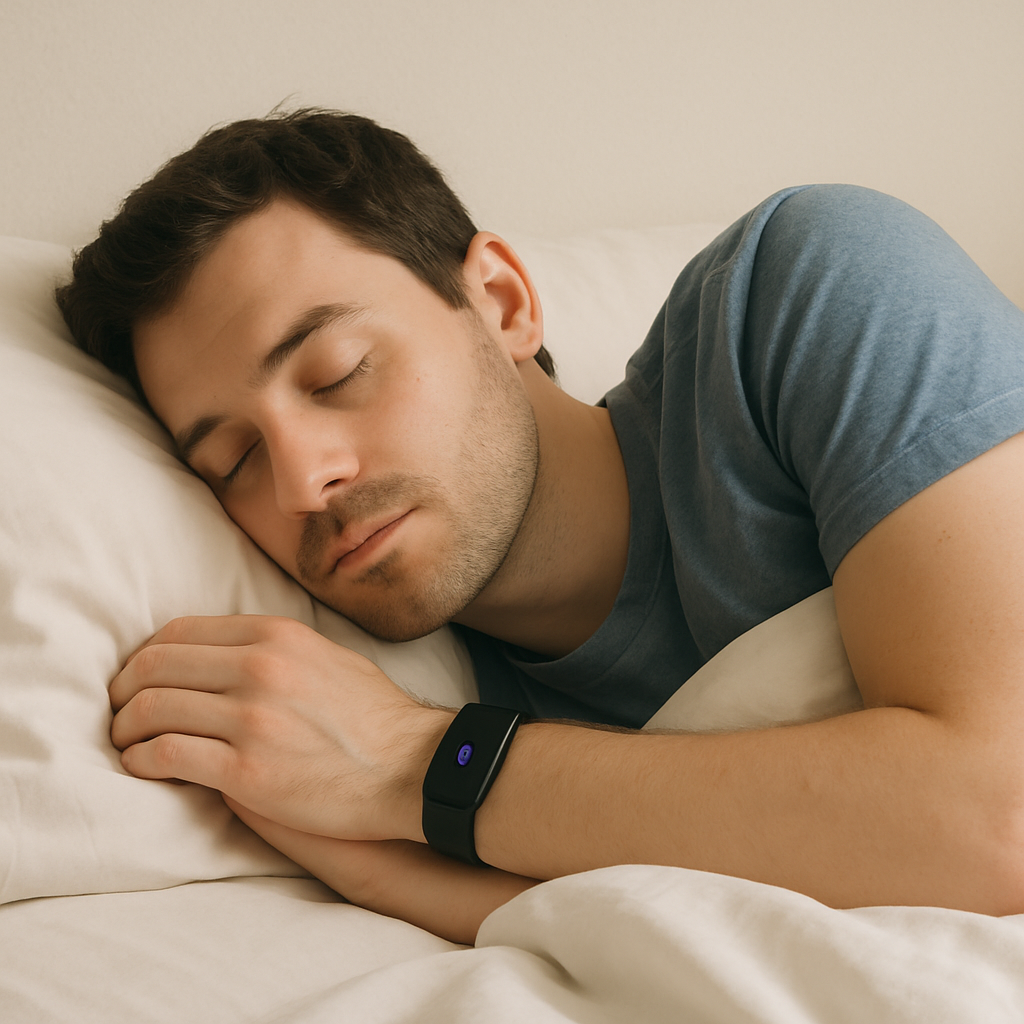
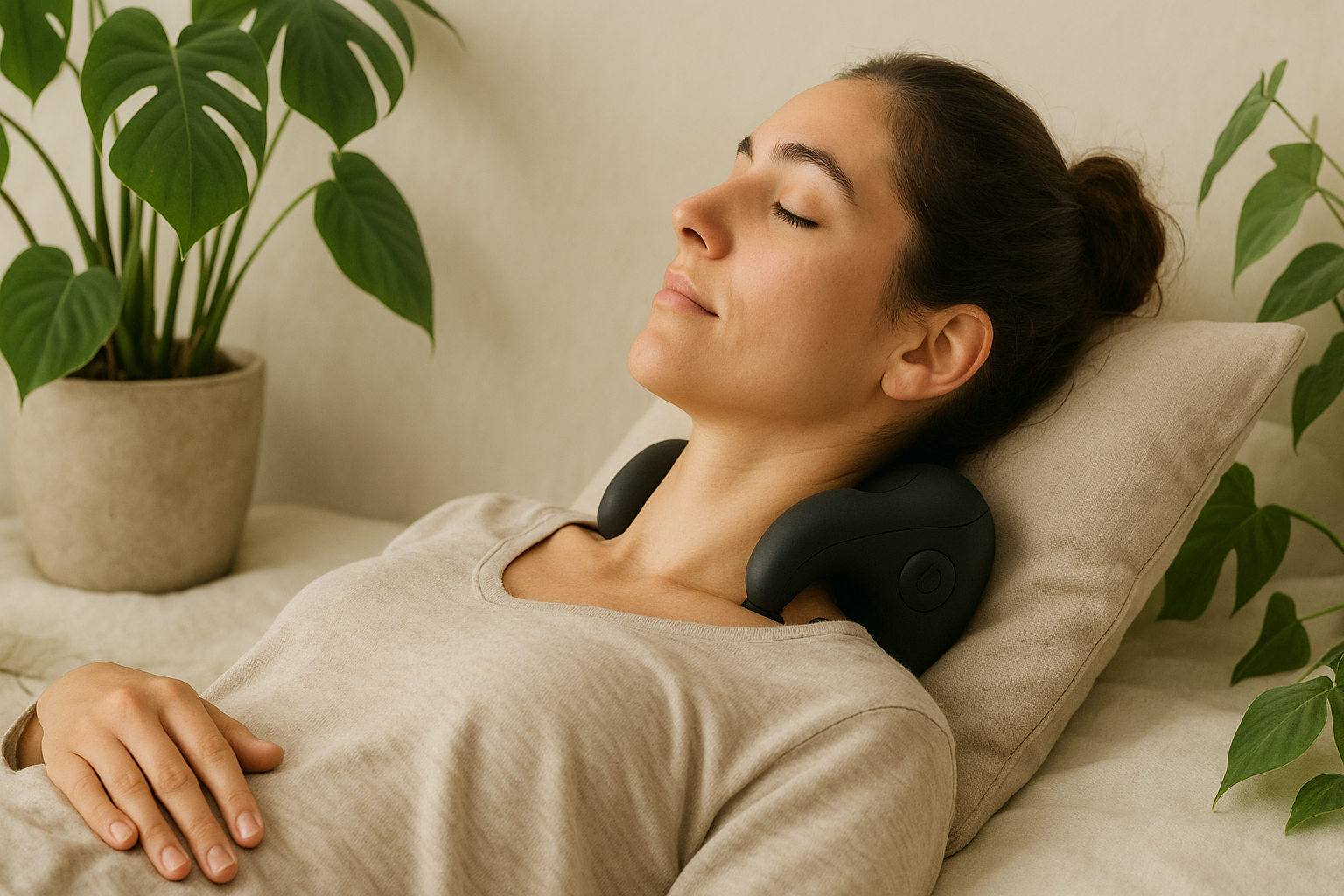
- Sleep: Prioritize quality sleep by establishing a consistent sleep schedule and creating a restful environment.
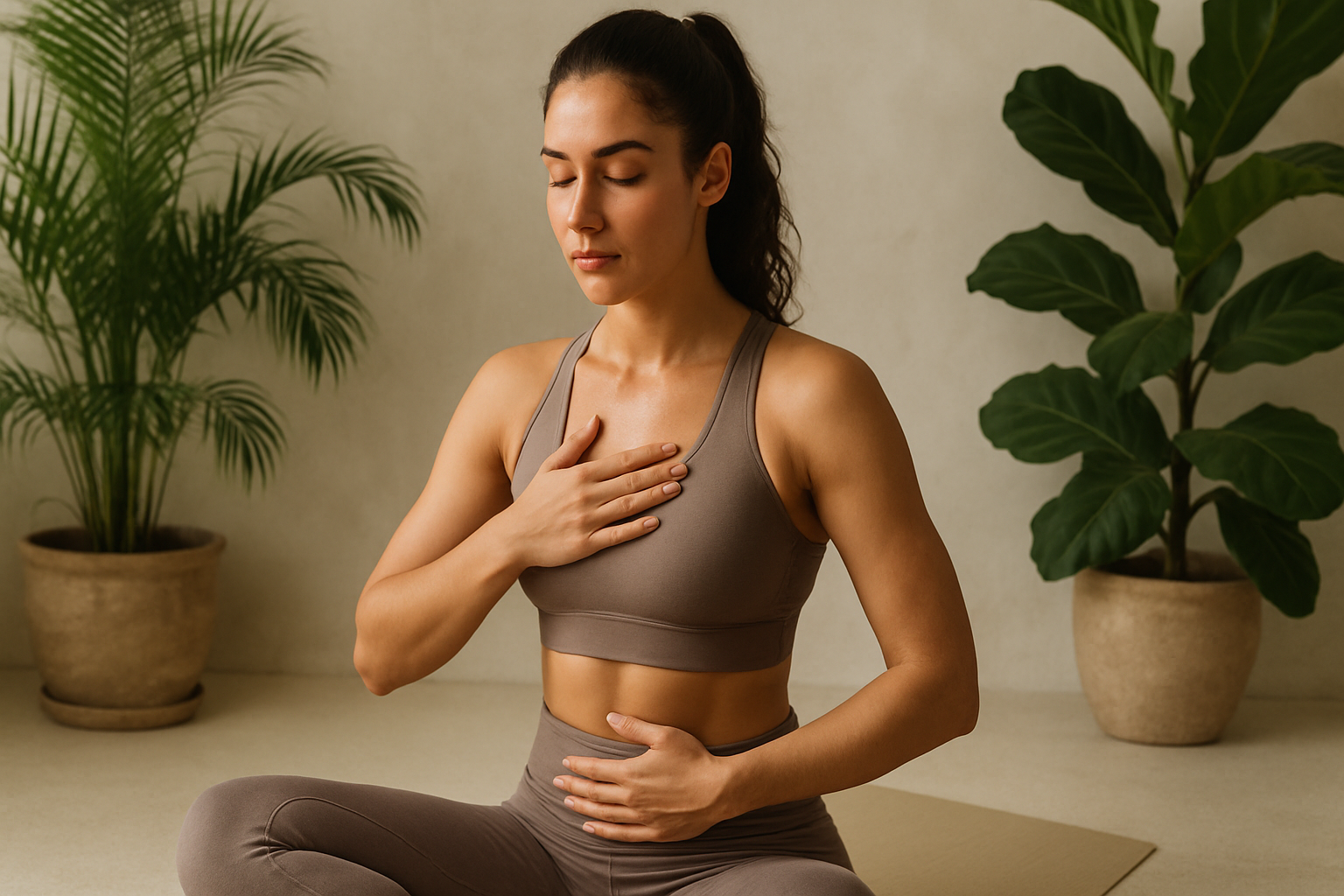
- Mental Health: Incorporate mindfulness practices, such as meditation or yoga, to manage stress effectively.
Common pitfalls include underestimating the importance of consistency and the potential for information overload. It is crucial to start small and gradually integrate changes to avoid feeling overwhelmed.
Relevant Biomarkers & Tracking
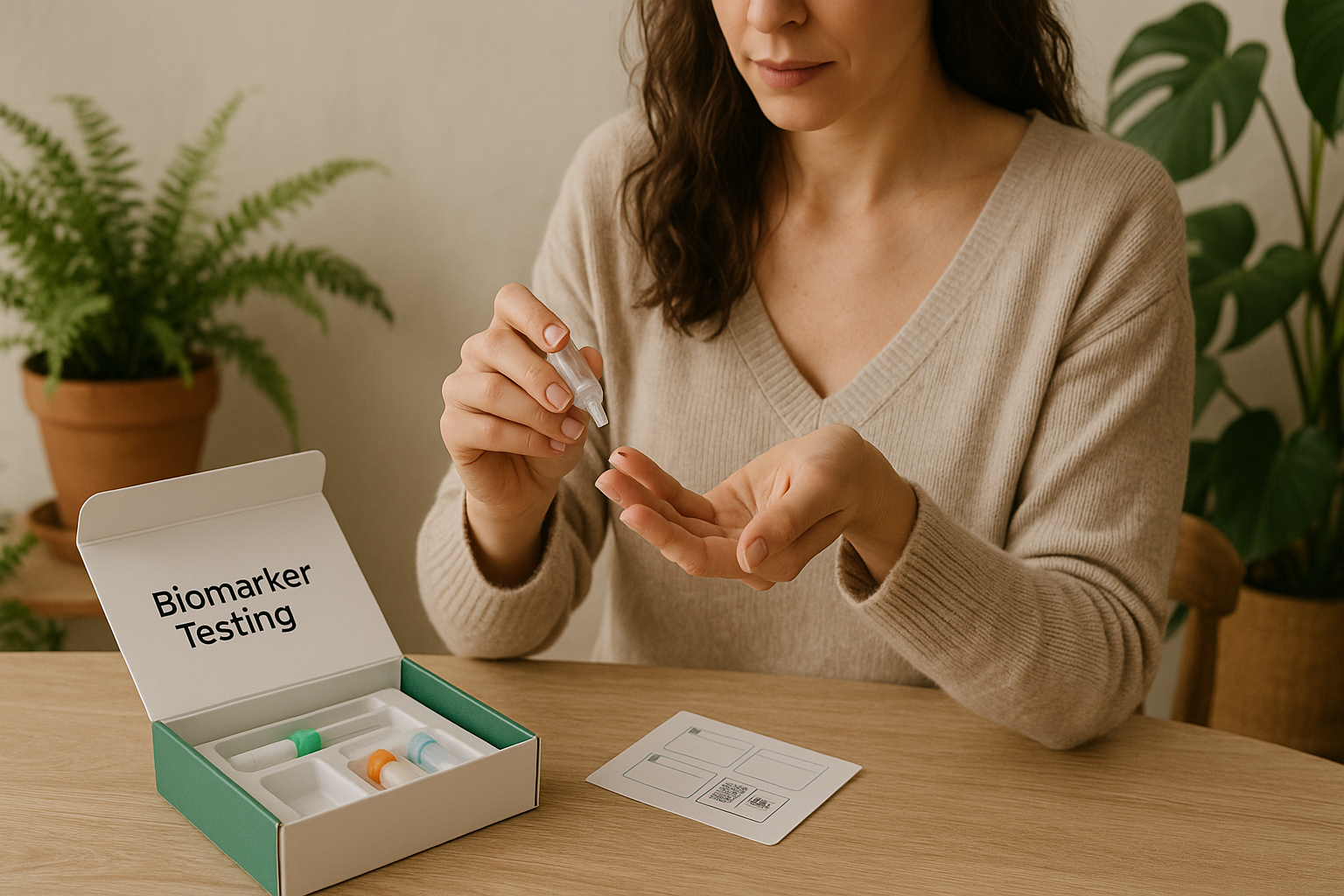
Tracking biomarkers is an essential component of lifestyle optimization. Relevant metrics may include:
- Body Mass Index (BMI)
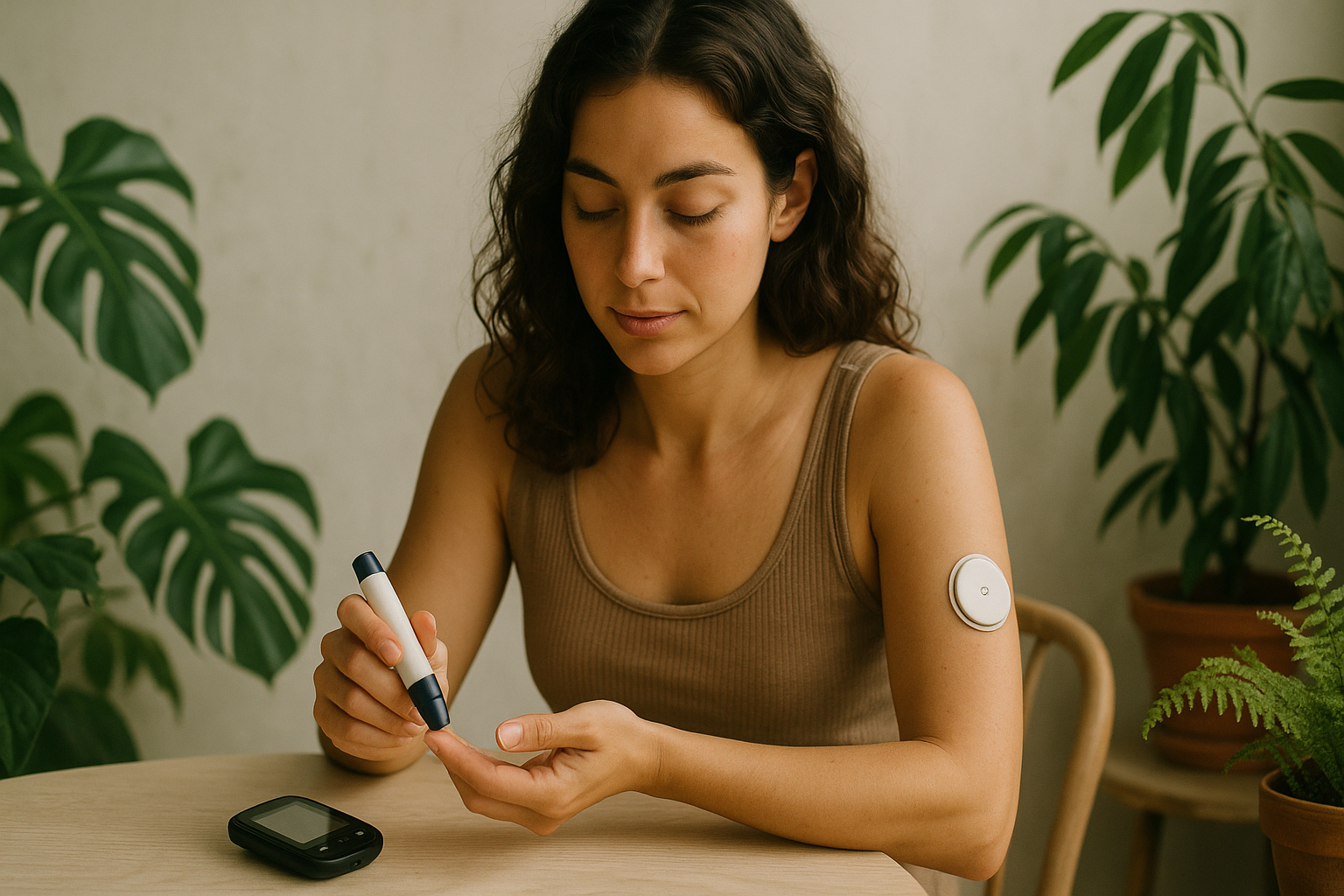
- Blood glucose levels
- Cholesterol levels
- Heart rate variability (HRV)
- Sleep quality metrics
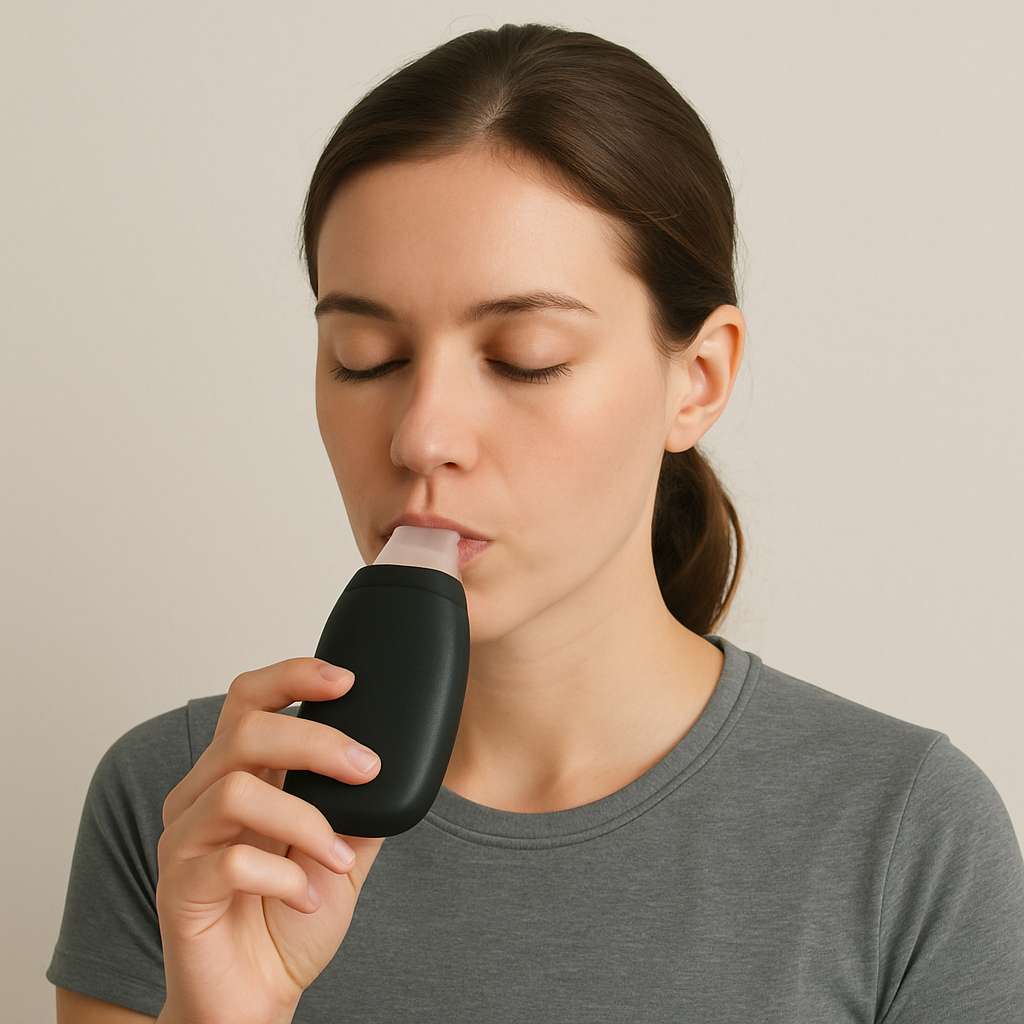
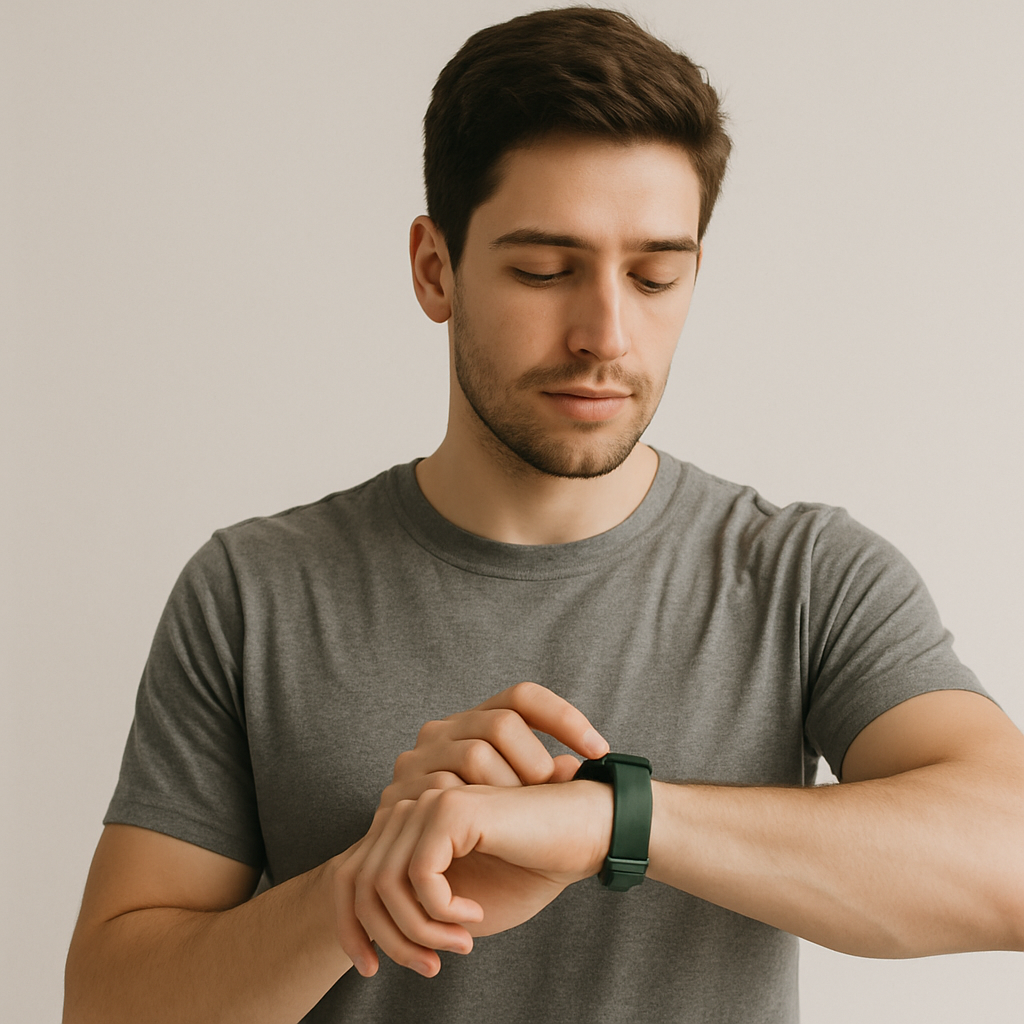
Utilizing wearable technology or health apps can facilitate tracking these biomarkers, providing valuable insights into how lifestyle changes impact health.
Body Systems Supported
Lifestyle optimization supports multiple body systems, including:
- Cardiovascular System: Improved diet and exercise contribute to better heart health.
- Endocrine System: Balanced nutrition and regular activity help regulate hormones.
- Nervous System: Stress management techniques enhance mental clarity and emotional well-being.
- Immune System: Proper lifestyle choices can strengthen immune function and resilience.
Common Goals
Individuals often pursue lifestyle optimization to achieve various health goals, such as:
- Weight management
- Enhanced physical performance
- Improved mental clarity and focus
- Better sleep quality
- Overall longevity and vitality
Safety, Contraindications & Edge Cases
While lifestyle optimization can be beneficial, certain precautions should be taken. Individuals with pre-existing health conditions or those taking specific medications should consult healthcare professionals before making significant lifestyle changes. Additionally, extreme dietary restrictions or exercise regimens can lead to adverse effects if not properly managed.
It is also essential to note that not all biohacking techniques are suitable for everyone. Personalized approaches should be considered to avoid potential negative outcomes.
Pairs Well With
Lifestyle optimization complements many ancient and natural wellness practices, such as:
- Ayurveda: Incorporating dietary and lifestyle recommendations based on individual constitutions.
- Traditional Chinese Medicine: Utilizing holistic approaches to balance the body’s energies.
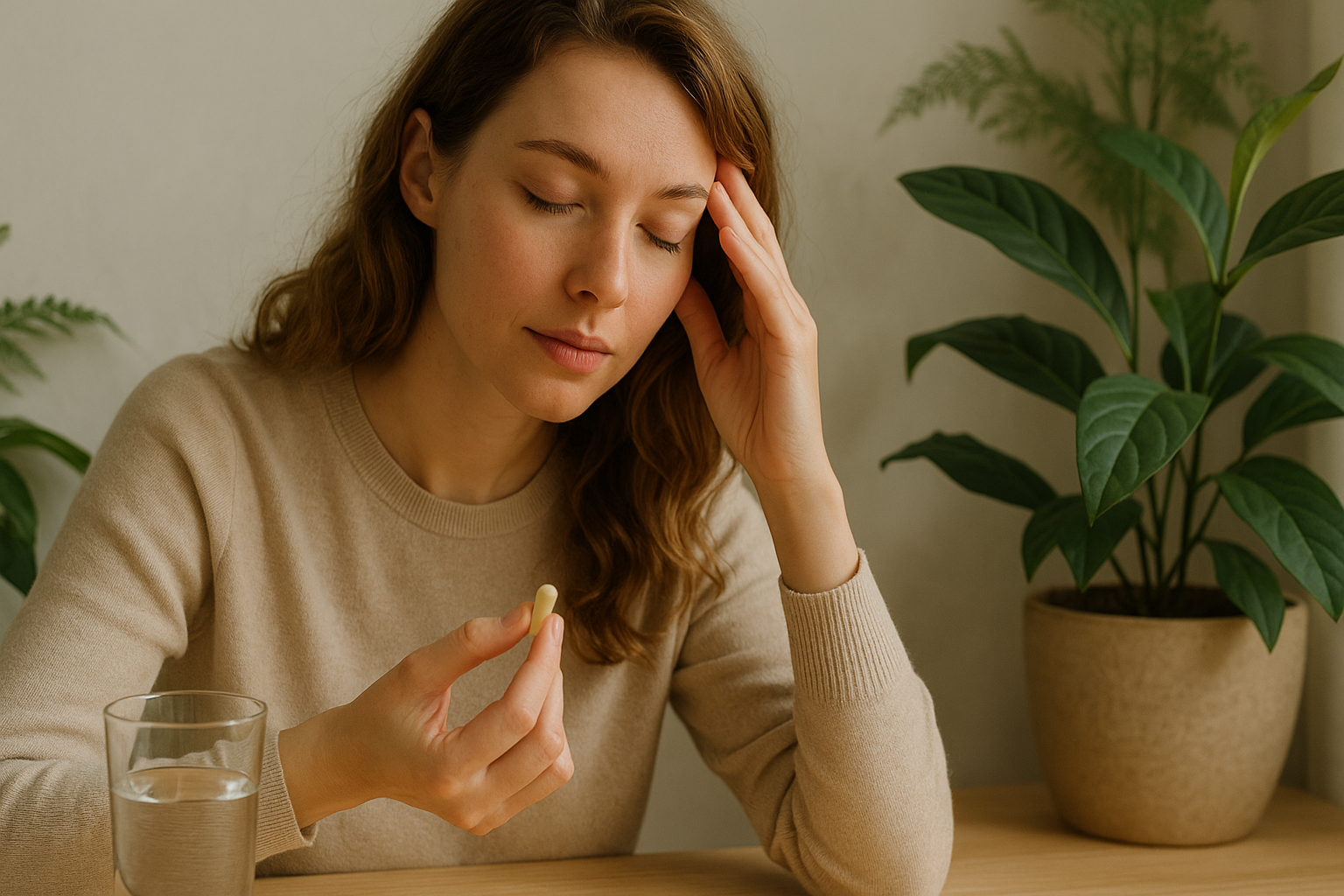
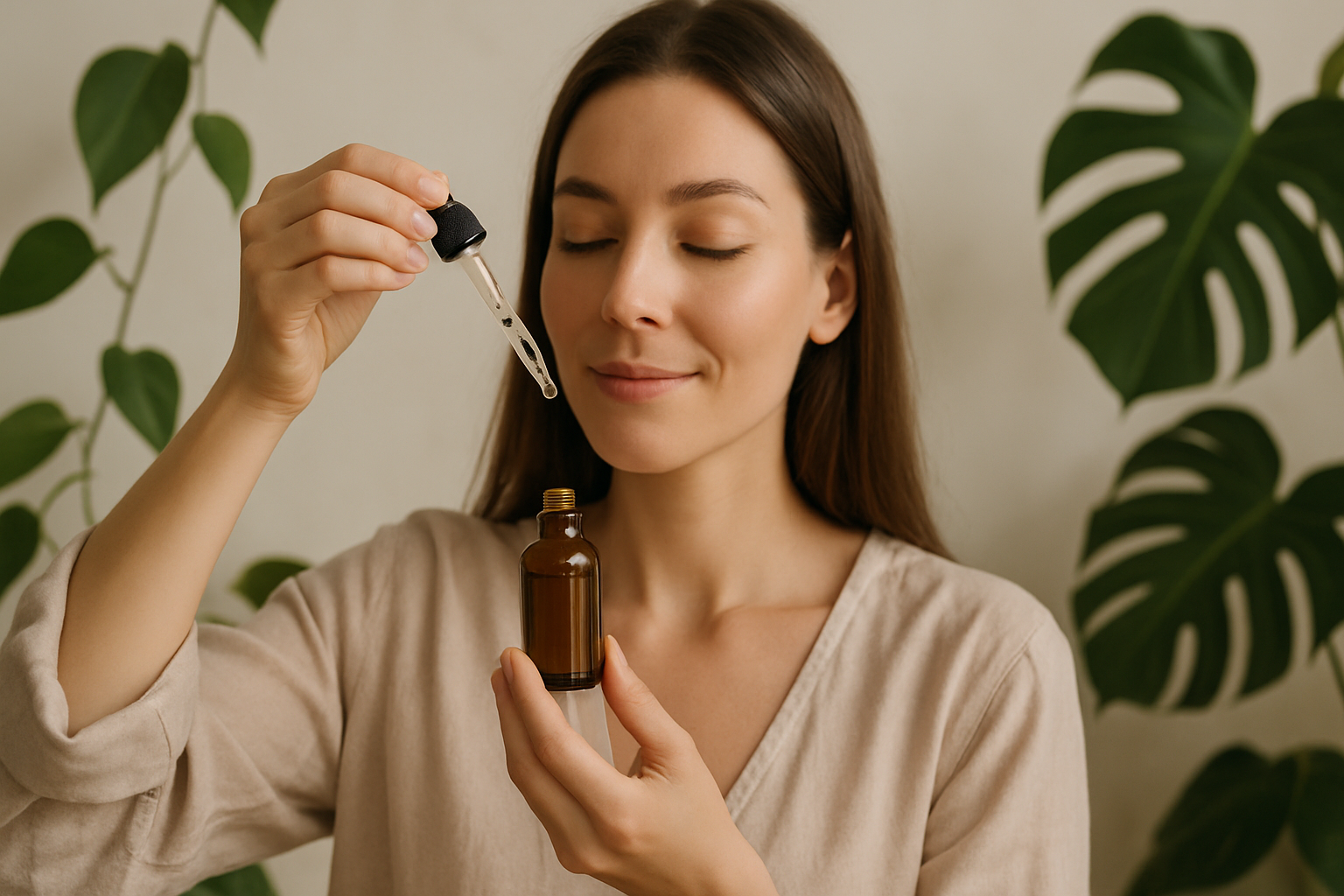
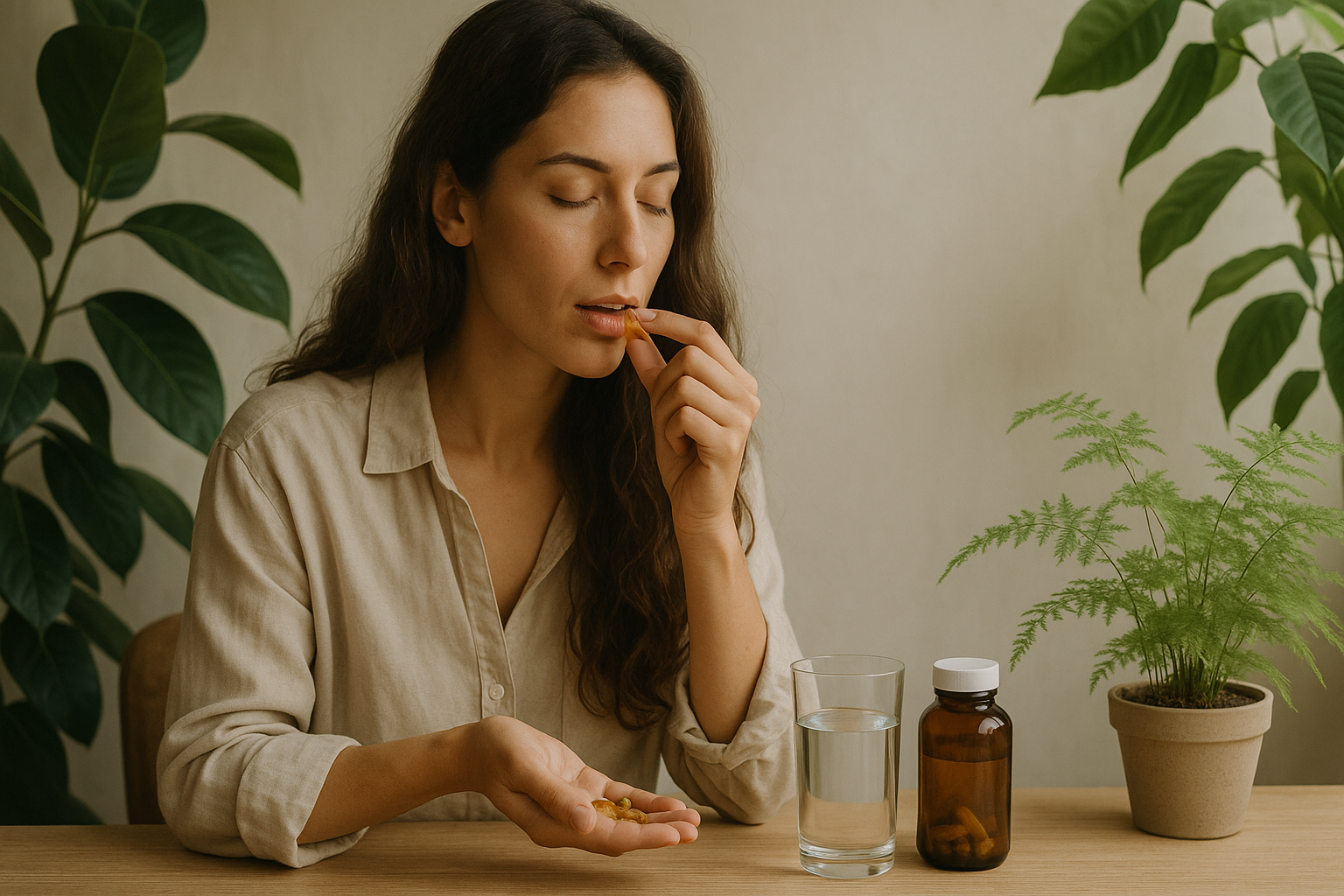
- Herbal Remedies: Supporting health through the use of natural herbs and supplements.
FAQs (5)
- What is the first step in lifestyle optimization? Start by assessing your current habits and identifying areas for improvement.
- How long does it take to see results? Results can vary; some may notice changes within weeks, while others may take months.
- Is lifestyle optimization suitable for everyone? While many can benefit, those with health conditions should consult a healthcare provider first.
- Can I biohack my way to better health? Biohacking can aid health improvements, but it should be part of a balanced approach.
- What are some common mistakes in lifestyle optimization? Overcomplicating changes and lacking consistency are common pitfalls.
Frequently asked
What is the first step in lifestyle optimization?
Start by assessing your current habits and identifying areas for improvement.
How long does it take to see results?
Results can vary; some may notice changes within weeks, while others may take months.
Is lifestyle optimization suitable for everyone?
While many can benefit, those with health conditions should consult a healthcare provider first.
Can I biohack my way to better health?
Biohacking can aid health improvements, but it should be part of a balanced approach.
What are some common mistakes in lifestyle optimization?
Overcomplicating changes and lacking consistency are common pitfalls.