Sleep Tracking
Delve into sleep tracking as a powerful tool in biohacking. Learn about its mechanisms, applications, and the science behind it.
Explore the world of sleep tracking within the biohacking community. Discover its mechanisms, evidence, and practical applications while understanding relevant biomarkers and safety considerations.
What It Is
Sleep tracking is the process of monitoring sleep patterns and behaviors to gain insights into sleep quality and duration. Utilizing various technologies, sleep tracking can help individuals understand their sleep cycles, identify potential disturbances, and make informed decisions to enhance their overall well-being. This practice is becoming increasingly popular within the biohacking community, where enthusiasts seek to optimize their health and performance through data-driven methods.
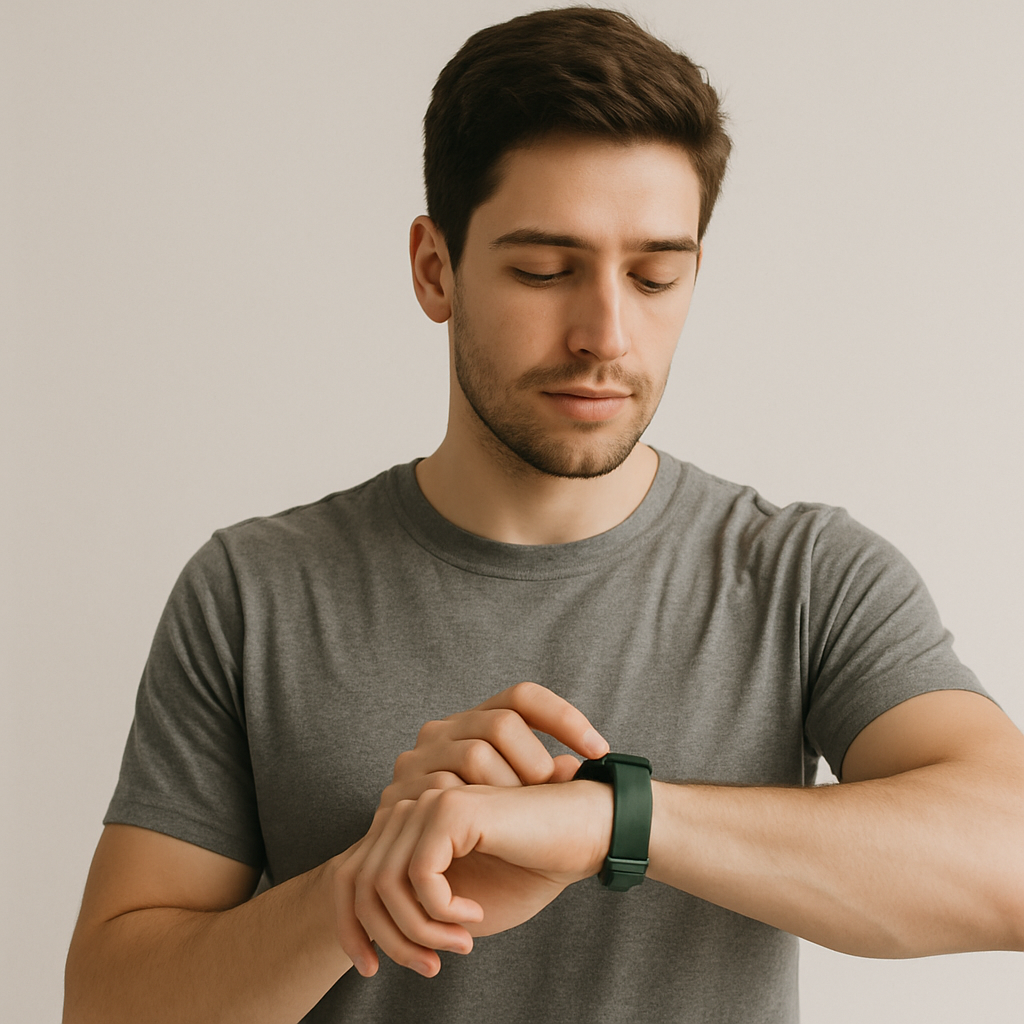
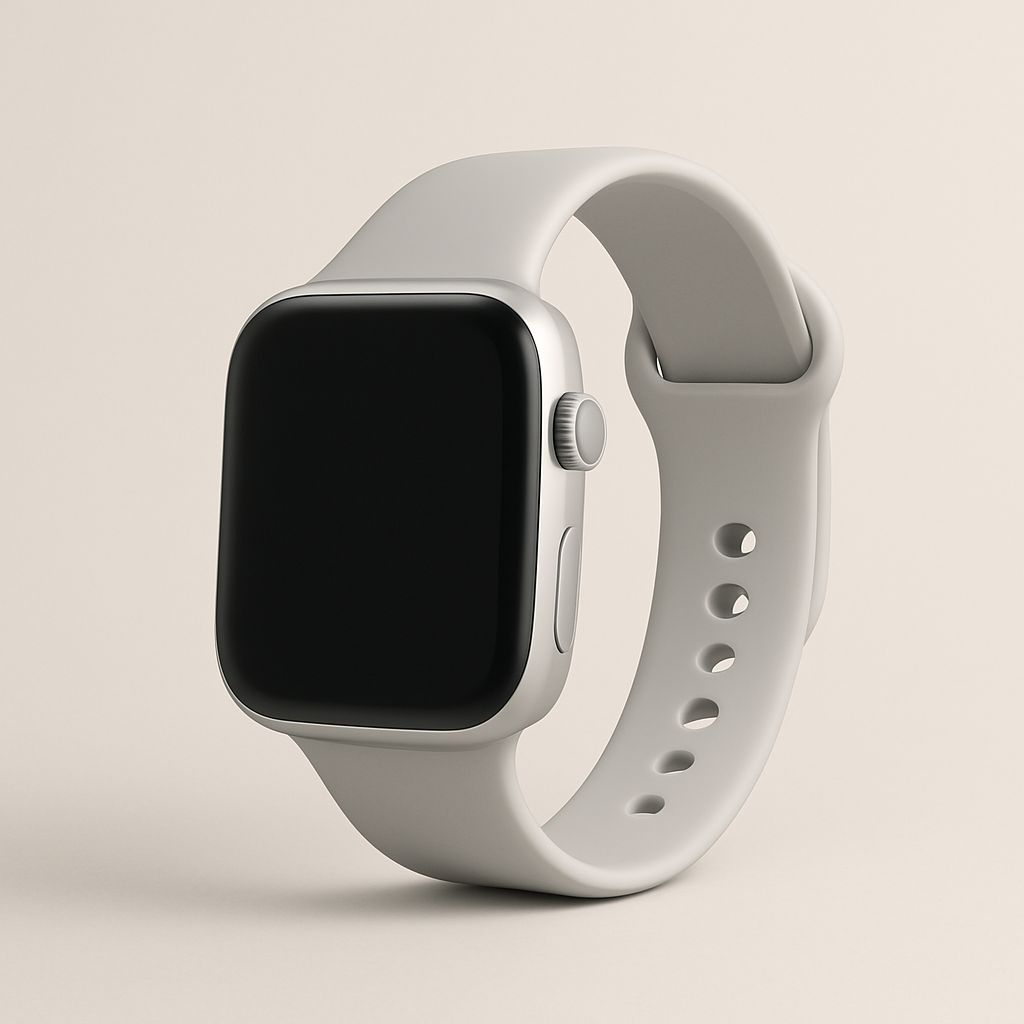
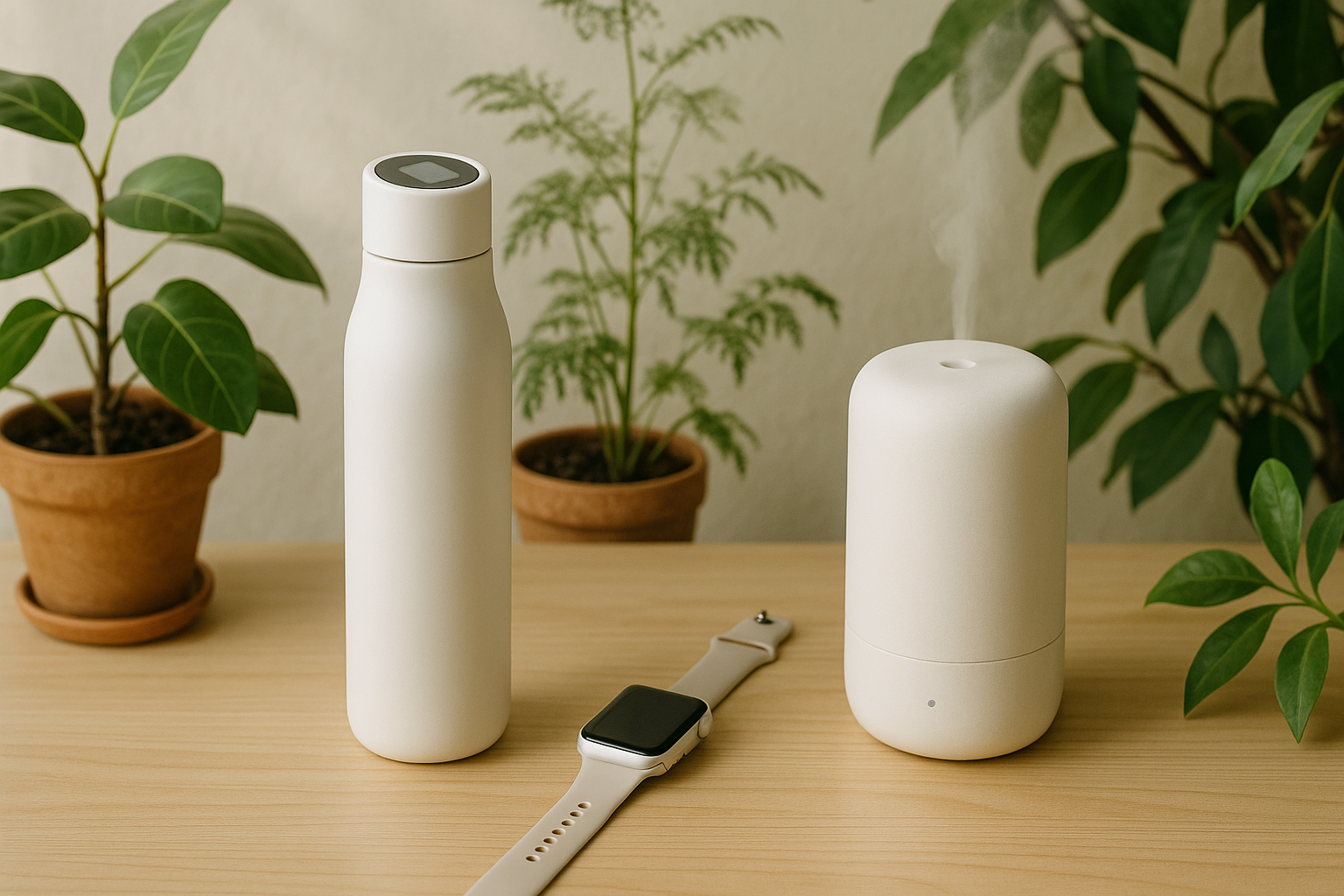
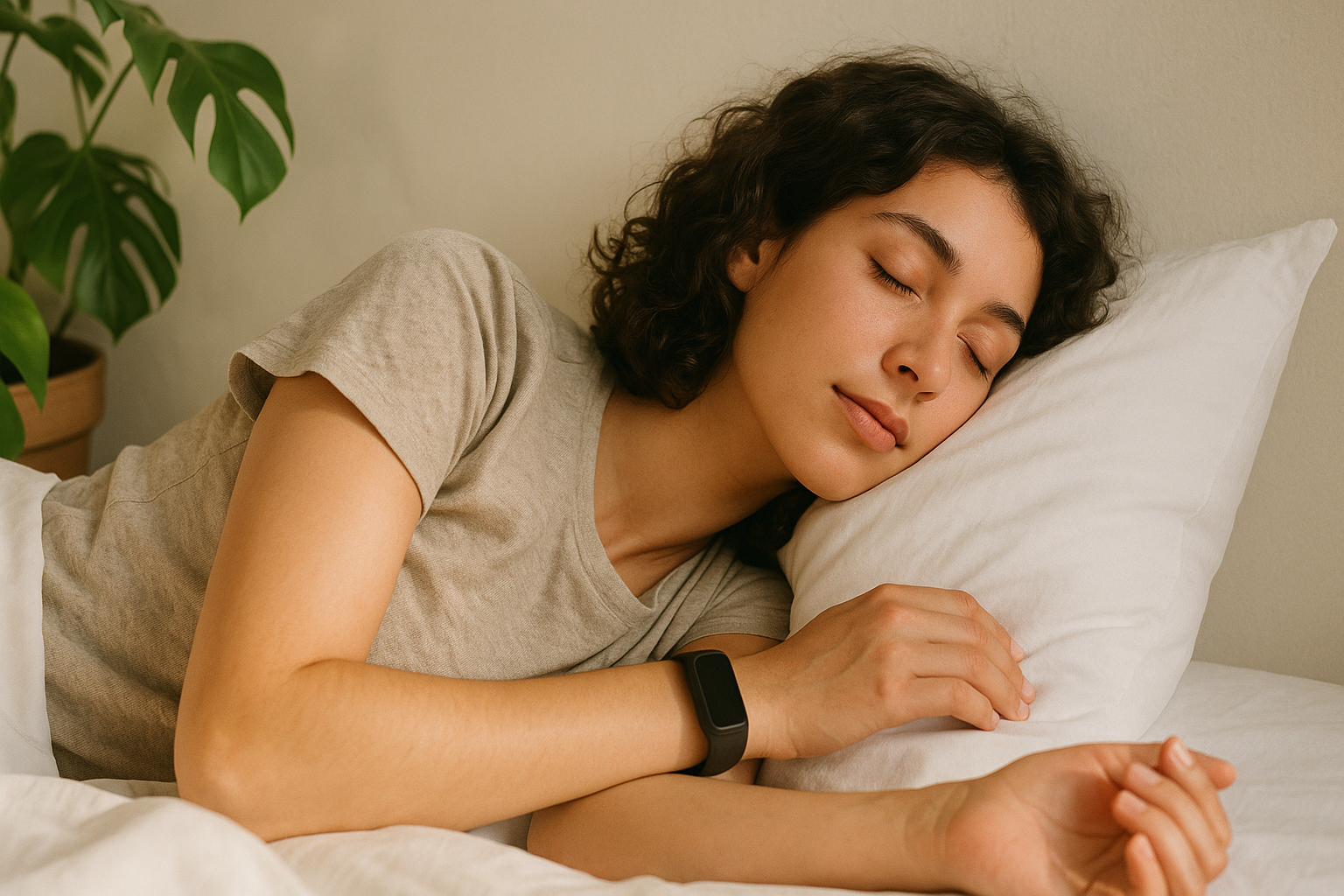
Sleep tracking can be done using a range of devices and applications, from wearable technology like smartwatches and fitness trackers to smartphone apps that analyze sleep patterns. By collecting data on factors such as heart rate, movement, and even environmental conditions, users can gain a comprehensive overview of their sleep habits, paving the way for potential improvements.
Mechanism / How It Works
Sleep tracking technology typically involves sensors that collect data on various physiological signals during sleep. These may include:
- Accelerometers: Measure movement to determine sleep stages based on restlessness and activity levels.
- Heart Rate Monitors: Track heart rate variability, which can indicate sleep depth and overall sleep quality.
- Environmental Sensors: Monitor factors like temperature, light, and noise levels that can affect sleep quality.
By analyzing this data, sleep tracking devices can provide insights into sleep duration, efficiency, and cycles. Some advanced devices use algorithms to predict sleep stages (light, deep, and REM sleep) and offer personalized recommendations for improving sleep quality.
Evidence Summary
The evidence surrounding sleep tracking is still evolving. Preliminary studies suggest that sleep tracking can help users identify patterns and behaviors that negatively impact sleep quality, leading to actionable changes. However, clinical evidence on the effectiveness of sleep tracking devices varies, with some studies showing positive correlations between tracked data and improved sleep outcomes, while others indicate discrepancies in accuracy among different devices.
Conflicting evidence exists regarding the impact of sleep tracking on anxiety and stress levels, as some individuals may feel pressure to achieve specific sleep goals, potentially counteracting the benefits of improved awareness. Overall, while sleep tracking can provide valuable insights, it is essential to consider the limitations and variability in device accuracy.
Practical Application
To integrate sleep tracking into your daily routine effectively, consider the following protocols:
- Choose the Right Device: Select a sleep tracker that fits your lifestyle and preferences, whether it's a wearable or an app.
- Set Realistic Goals: Use the data to identify manageable changes, such as establishing a consistent sleep schedule or creating a relaxing bedtime routine.
- Regularly Review Data: Analyze your sleep data weekly to identify trends and adjust your habits accordingly.
Common pitfalls include becoming overly fixated on the data, which can lead to anxiety about sleep, and neglecting other lifestyle factors that contribute to sleep quality, such as diet and exercise.
Relevant Biomarkers & Tracking
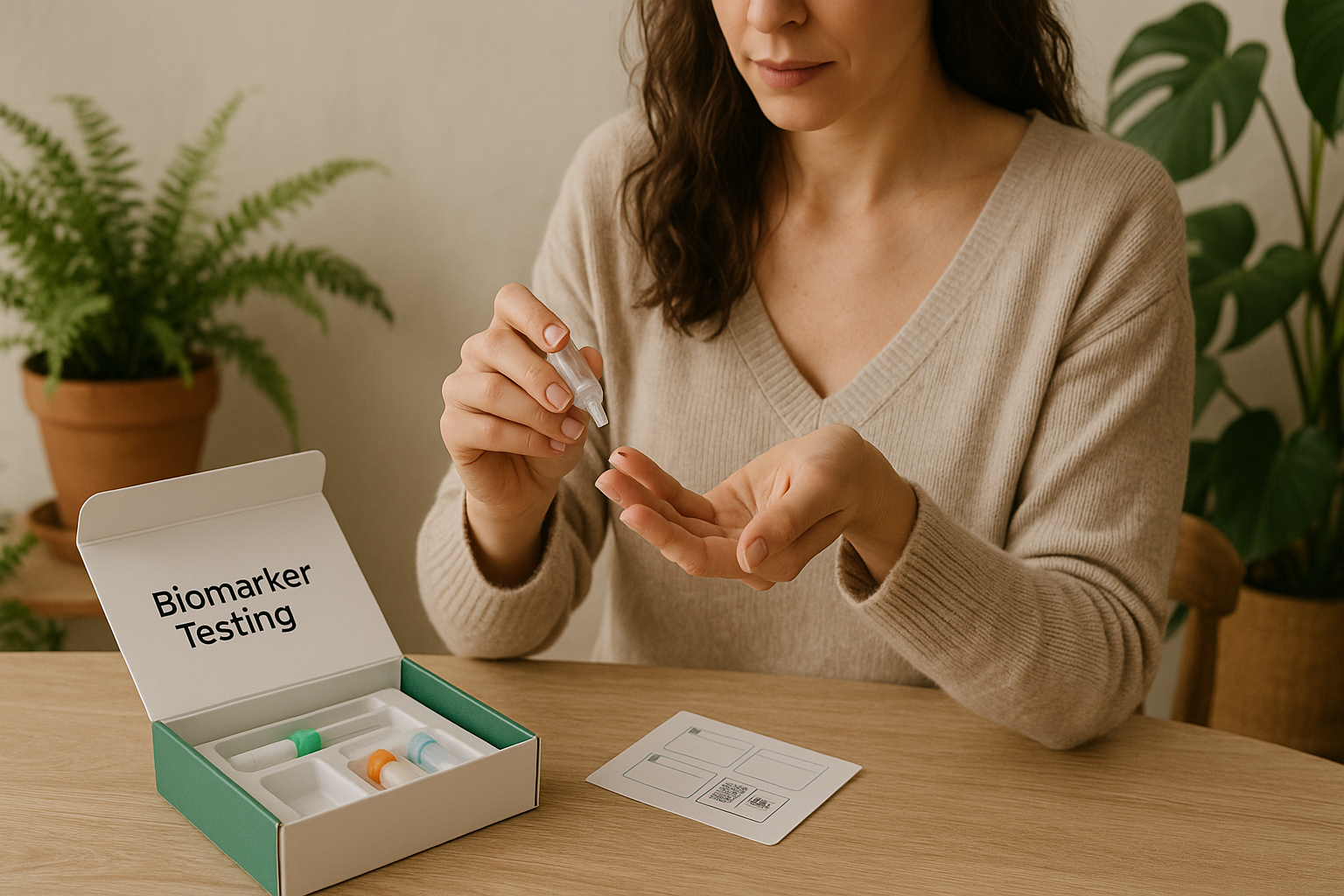
When tracking sleep, several key biomarkers can provide insights into sleep quality and overall health:
- Sleep Duration: Total hours of sleep obtained each night.
- Sleep Efficiency: The ratio of time spent asleep to time spent in bed.
- Sleep Stages: Duration of light, deep, and REM sleep.
- Heart Rate Variability: Indicates stress levels and recovery status.
These biomarkers can help individuals make informed decisions regarding their sleep hygiene and overall wellness strategies.
Body Systems Supported
Improved sleep quality through effective tracking supports various body systems, including:
- Endocrine System: Regulates hormones related to stress, metabolism, and growth.
- Nervous System: Enhances cognitive function and emotional regulation.
- Immune System: Strengthens immune response and reduces susceptibility to illness.
Overall, better sleep can lead to enhanced physical and mental health, contributing to improved quality of life.
Common Goals
Individuals engaging in sleep tracking often have various goals, including:
- Improving overall sleep quality.
- Increasing sleep duration.
- Enhancing cognitive function and productivity.
- Reducing daytime fatigue.
- Managing stress and anxiety levels.
By setting clear, achievable goals, individuals can utilize sleep tracking effectively to enhance their wellness journey.
Safety, Contraindications & Edge Cases
While sleep tracking is generally safe for most individuals, there are some considerations to keep in mind:
- Some individuals may experience anxiety from tracking their sleep too closely, leading to sleep disturbances.
- Specific medical conditions, such as sleep apnea, require professional evaluation and treatment rather than reliance on tracking alone.
It is crucial to approach sleep tracking as a tool for self-awareness rather than a definitive measure of health.
Pairs Well With
Sleep tracking can be complemented by practices rooted in ancient and natural wellness traditions, such as:
- Mindfulness Meditation: Reduces stress and promotes relaxation before bedtime.
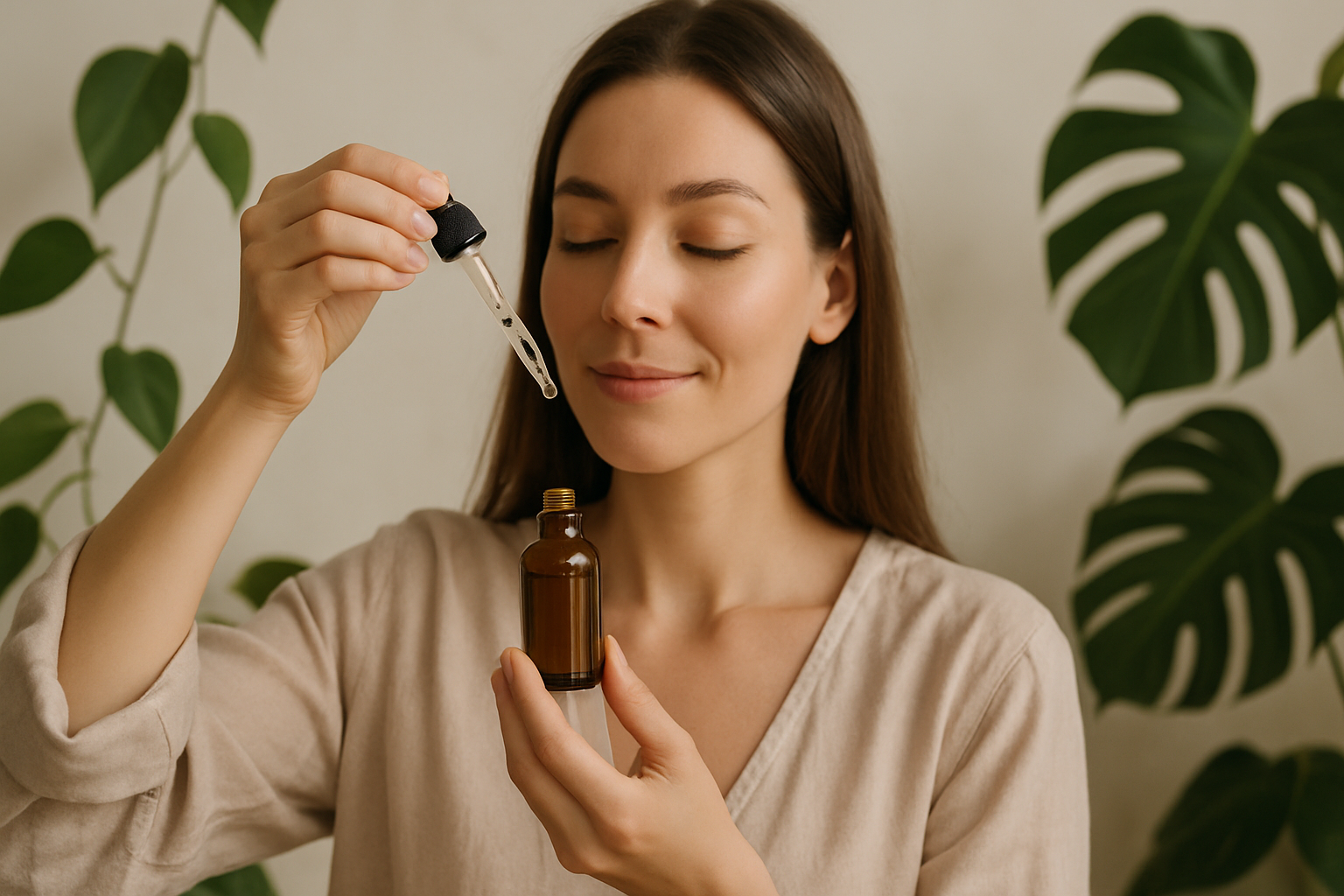
- Aromatherapy: Utilizes essential oils to create a calming sleep environment.
- Herbal Remedies: Incorporates natural sleep aids like valerian root or chamomile.
Integrating these practices with data-driven insights can enhance the overall effectiveness of sleep tracking.
FAQs (5)
- What is the best sleep tracker available? The best sleep tracker depends on individual needs and preferences, including accuracy, comfort, and features.
- Can sleep tracking improve my sleep? Yes, by providing insights into your sleep patterns, you can make informed changes to improve sleep quality.
- Is it safe to use sleep tracking devices? Generally, yes, but individuals should be mindful of anxiety triggers related to tracking.
- How accurate are sleep trackers? Accuracy varies by device; some are more reliable than others. Cross-referencing with sleep journals may help.
- What should I do if I have sleep issues? Consult a healthcare professional for personalized advice and treatment options.
Frequently asked
What is the best sleep tracker available?
The best sleep tracker depends on individual needs and preferences, including accuracy, comfort, and features.
Can sleep tracking improve my sleep?
Yes, by providing insights into your sleep patterns, you can make informed changes to improve sleep quality.
Is it safe to use sleep tracking devices?
Generally, yes, but individuals should be mindful of anxiety triggers related to tracking.
How accurate are sleep trackers?
Accuracy varies by device; some are more reliable than others. Cross-referencing with sleep journals may help.
What should I do if I have sleep issues?
Consult a healthcare professional for personalized advice and treatment options.