Heat Therapy
Heat therapy is a modern wellness practice that utilizes warmth for various health benefits. Learn how it works, its applications, and safety considerations.

Explore the benefits and mechanisms of heat therapy as a modern wellness practice. Discover its applications, biomarkers, and safety considerations while understanding how it complements other holistic approaches.
What It Is
Heat therapy, also known as thermotherapy, involves the application of heat to the body for therapeutic purposes. This ancient practice has been utilized across cultures to alleviate discomfort, promote relaxation, and improve overall well-being. In modern wellness, heat therapy can take various forms, including hot packs, warm baths, saunas, and heat wraps. The primary goal is to enhance blood circulation, reduce muscle tension, and support the body's natural healing processes.
By using controlled heat, individuals can target specific areas of discomfort or utilize full-body applications to encourage systemic benefits. Heat therapy is often integrated into physical therapy regimens, yoga, and wellness routines, making it a versatile tool for various health goals.
Mechanism / How It Works
Heat therapy operates on several physiological principles. When heat is applied to the skin, it causes vasodilation, or the widening of blood vessels, which increases blood flow to the affected area. This enhanced circulation brings more oxygen and nutrients while helping to remove metabolic waste, promoting healing and reducing inflammation.
Additionally, heat therapy can stimulate sensory receptors in the skin, which may help alleviate pain by interrupting pain signals sent to the brain. The warmth can also relax muscles and connective tissues, enhancing flexibility and reducing stiffness. Overall, the application of heat creates a soothing effect that can lead to both physical and psychological relaxation.
Evidence Summary
The evidence surrounding heat therapy is a mix of preliminary studies and clinical research, with varying levels of support for its efficacy. Some studies suggest that heat therapy can effectively reduce muscle pain and stiffness, improve range of motion, and aid in recovery from injuries. For instance, a systematic review indicated that heat application is beneficial for conditions such as lower back pain and osteoarthritis.
However, while many individuals report positive outcomes, the scientific community acknowledges that more rigorous clinical trials are necessary to establish definitive guidelines and protocols. Conflicting findings exist, particularly regarding optimal temperature, duration, and individual response to heat therapy, highlighting the need for personalized approaches.
Practical Application
Integrating heat therapy into a daily wellness routine can be straightforward and enjoyable. Here are some practical applications:
- Targeted Heat Packs: Use microwaveable heat packs on sore muscles or joints for 15-20 minutes at a time.
- Warm Baths: Soaking in a warm bath can promote relaxation and relieve tension. Adding Epsom salts may enhance the effects.
- Saunas: Regular sauna sessions can provide full-body benefits, including detoxification and relaxation.
- Heat Wraps: These can be worn throughout the day to provide continuous heat to specific areas, especially useful for chronic pain management.
Common pitfalls include using heat when it is contraindicated, such as in cases of acute injury or inflammation, and neglecting to monitor skin temperature to prevent burns. Always consult with a healthcare professional if unsure about the suitability of heat therapy for your condition.
Relevant Biomarkers & Tracking
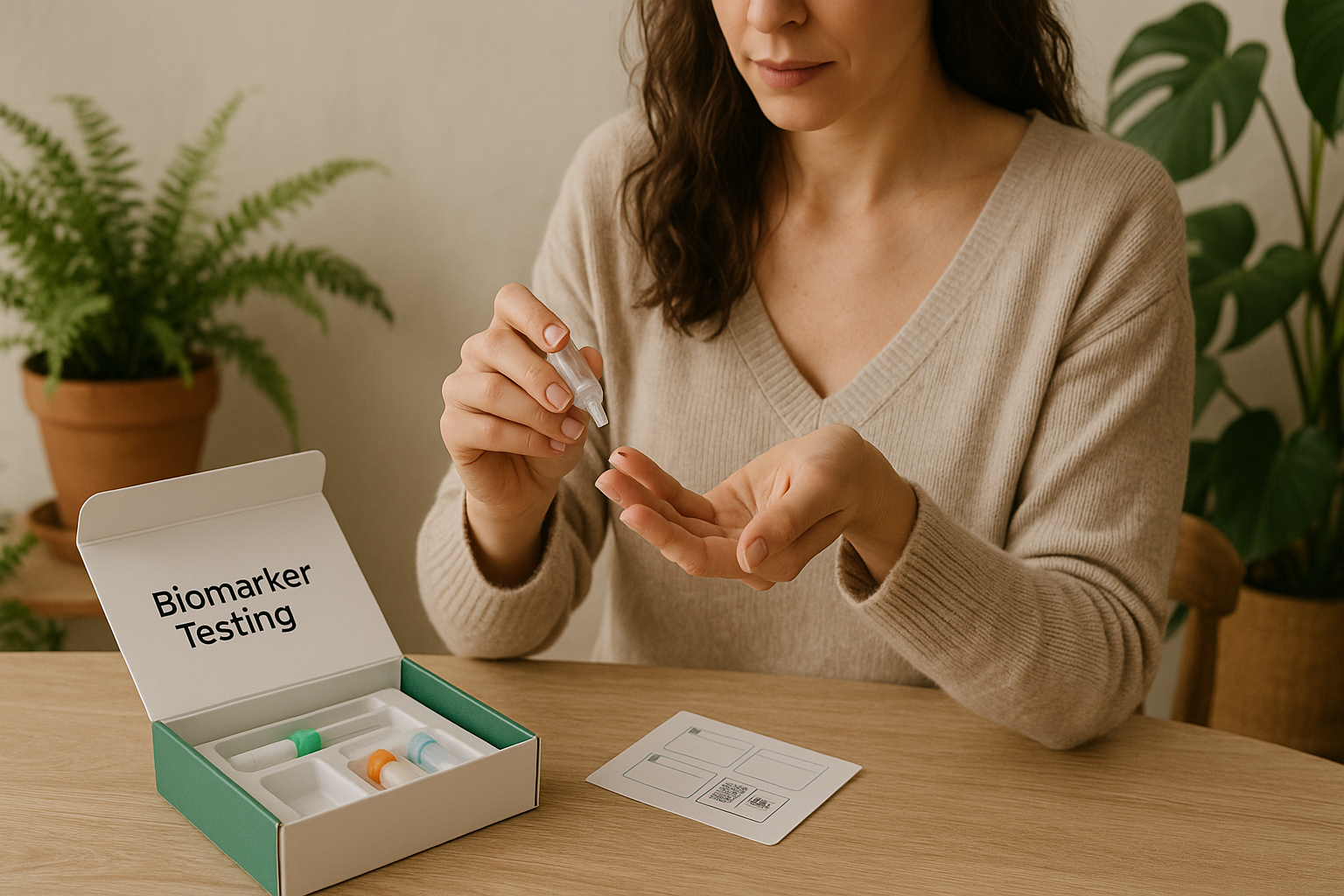
While heat therapy itself may not have direct biomarkers to track, its effects can be observed through various indicators. Key biomarkers to consider include:
- Pain Levels: Regularly assess pain intensity on a scale of 1-10 before and after heat application.
- Range of Motion: Measure flexibility or movement limitations in affected areas.
- Muscle Tension: Palpate for muscle tightness before and after sessions to gauge relaxation.
- Heart Rate: Monitor heart rate during sauna use to assess cardiovascular response.
Tracking these indicators can help individuals gauge the effectiveness of their heat therapy regimen.
Body Systems Supported
Heat therapy supports several body systems, including:
- Musculoskeletal System: Alleviates muscle tension and joint stiffness.
- Circular System: Enhances blood circulation and oxygen delivery.
- Nervous System: Modulates pain perception and promotes relaxation.
- Integumentary System: Improves skin health and promotes detoxification through sweating.
Common Goals
Individuals may seek heat therapy for various reasons, including:
- Pain Relief: Alleviating chronic pain and discomfort.
- Muscle Recovery: Supporting recovery post-exercise or injury.
- Stress Reduction: Promoting relaxation and reducing anxiety.
- Enhanced Flexibility: Improving mobility and range of motion.
Safety, Contraindications & Edge Cases
While heat therapy is generally safe for most individuals, there are some contraindications and precautions to consider:
- Acute Injuries: Avoid heat application on recent injuries where swelling is present.
- Skin Conditions: Use caution if you have skin sensitivities or conditions such as eczema.
- Circulatory Issues: Those with peripheral vascular disease or other circulatory concerns should consult a healthcare provider before use.
- Pregnancy: Pregnant individuals should exercise caution, especially with high heat exposure.
Always listen to your body and discontinue use if any adverse effects occur.
Pairs Well With
Heat therapy can be effectively combined with other holistic practices, enhancing overall wellness:
- Cryotherapy: Alternating heat and cold therapy can improve recovery and circulation.
- Massage Therapy: Combining heat with massage can deepen relaxation and enhance muscle recovery.
- Yoga: Practicing yoga in a heated environment (like hot yoga) can improve flexibility and promote detoxification.
- Aromatherapy: Using essential oils during heat therapy can enhance relaxation and mood.
FAQs (5)
- Is heat therapy safe for everyone? Most people can safely use heat therapy, but those with specific medical conditions should consult a healthcare provider.
- How long should I apply heat? Generally, 15-20 minutes is recommended, but it can vary based on the method and individual tolerance.
- Can heat therapy help with arthritis? Many individuals with arthritis find relief with heat therapy, but results can vary based on the severity of the condition.
- What is the best type of heat therapy? The best type can vary by individual preference; options include heat packs, saunas, and warm baths.
- Can I use heat therapy every day? Many people benefit from daily heat therapy, but it's essential to monitor how your body responds.
Frequently asked
Is heat therapy safe for everyone?
Most people can safely use heat therapy, but those with specific medical conditions should consult a healthcare provider.
How long should I apply heat?
Generally, 15-20 minutes is recommended, but it can vary based on the method and individual tolerance.
Can heat therapy help with arthritis?
Many individuals with arthritis find relief with heat therapy, but results can vary based on the severity of the condition.
What is the best type of heat therapy?
The best type can vary by individual preference; options include heat packs, saunas, and warm baths.
Can I use heat therapy every day?
Many people benefit from daily heat therapy, but it's essential to monitor how your body responds.