Athletic Hacking
Explore how Athletic Hacking can enhance your athletic performance through science-based techniques and strategies.

Athletic Hacking is a cutting-edge approach within biohacking that focuses on optimizing athletic performance through various techniques and technologies. By integrating science-based methods, athletes can enhance their physical capabilities, recovery processes, and overall health. This subcategory explores its mechanisms, evidence, practical applications, and safety considerations.
What It Is
Athletic Hacking refers to the strategic use of biohacking principles to enhance athletic performance and optimize physical capabilities. This concept encompasses techniques and practices that aim to improve strength, endurance, recovery, and overall well-being. Athletes, both amateur and professional, are increasingly turning to these methods to gain a competitive edge.
At its core, Athletic Hacking combines elements of nutrition, exercise science, technology, and psychological strategies to create a holistic approach to performance enhancement. By leveraging insights from various fields, athletes can identify and implement personalized protocols that align with their specific goals and physiological responses.
Mechanism / How It Works
The mechanisms behind Athletic Hacking involve a combination of physiological, nutritional, and technological strategies. These may include:
- Nutrition Optimization: Tailoring macronutrient ratios and meal timing to support energy levels and recovery.
- Supplementation: Utilizing specific supplements that may enhance performance or recovery, such as electrolytes, amino acids, or adaptogens.
- Training Techniques: Implementing advanced training methodologies, including high-intensity interval training (HIIT), periodization, and cross-training.
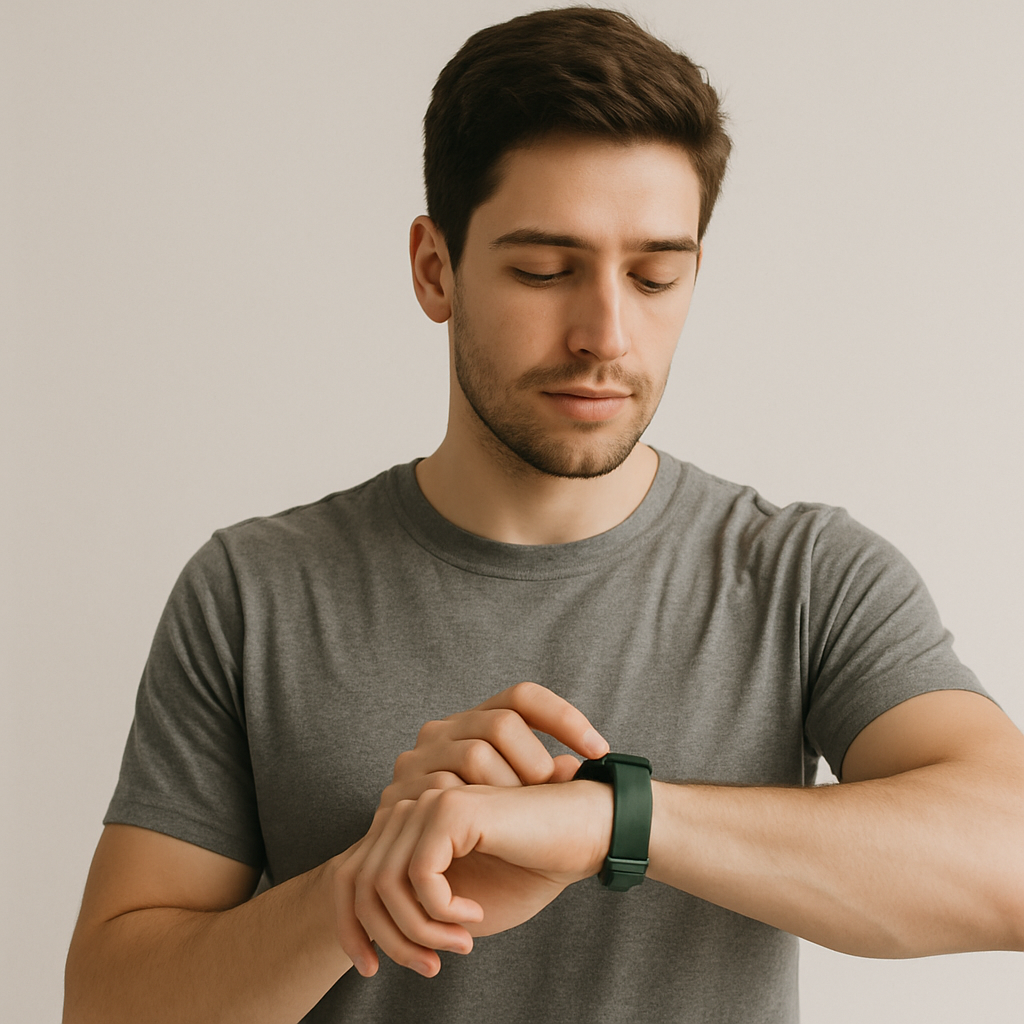
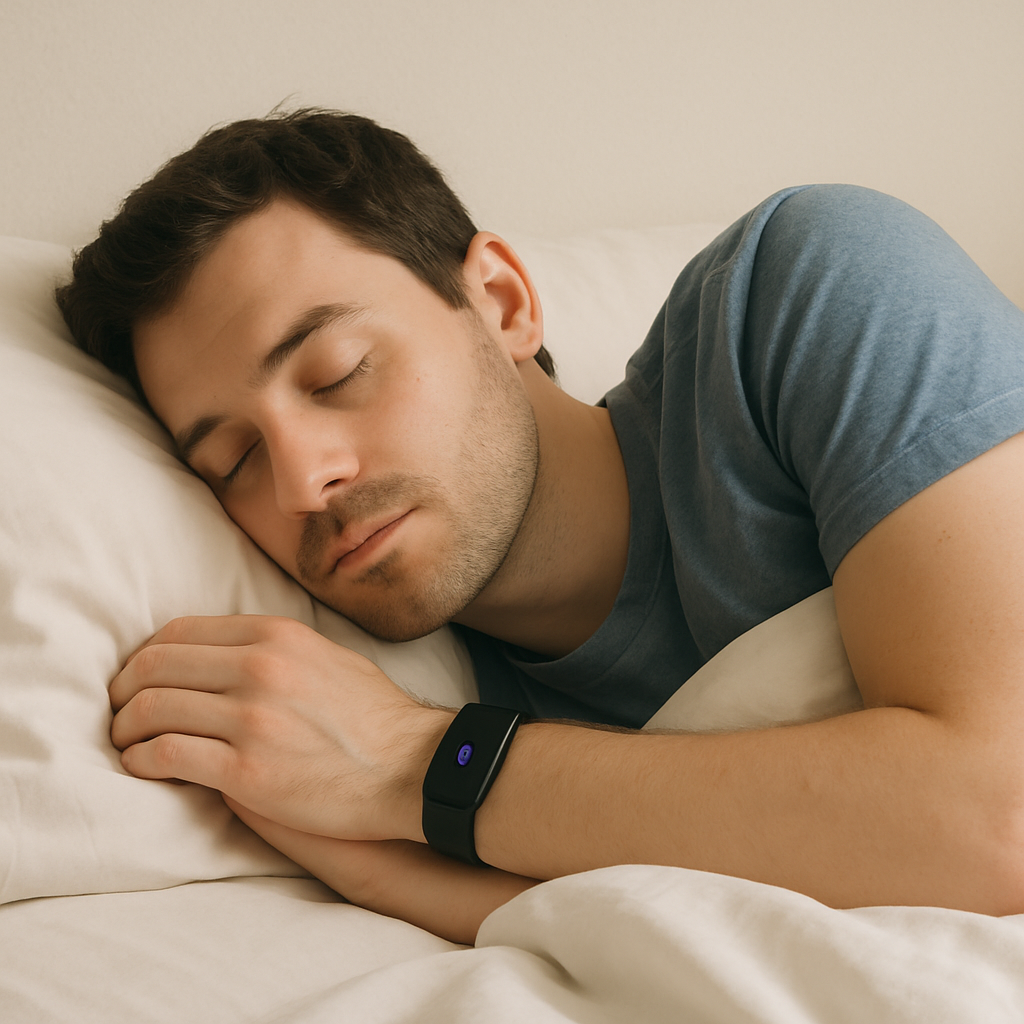
- Wearable Technology: Using devices to track biometrics such as heart rate, sleep patterns, and recovery metrics, which inform training decisions.
- Mindset and Mental Training: Applying psychological techniques like visualization, mindfulness, and goal setting to enhance mental resilience and focus.
Evidence Summary
The evidence supporting Athletic Hacking is varied, with some areas demonstrating strong backing while others remain exploratory. Studies have shown that:
- Nutrition: Proper nutritional strategies can significantly enhance performance and recovery, with specific diets benefiting different sports.
- Supplementation: Some supplements, such as creatine and beta-alanine, have robust evidence supporting their efficacy in improving performance in high-intensity activities.
- Training Protocols: Research supports the use of periodized training as an effective method for improving strength and endurance.
However, conflicting evidence exists regarding the effectiveness of certain supplements and training techniques. Furthermore, individual responses can vary widely, necessitating a personalized approach.
Practical Application
To effectively integrate Athletic Hacking into daily routines, consider the following protocols:
- Establish Goals: Identify specific performance goals, whether it be improving speed, strength, or recovery.
- Create a Nutrition Plan: Develop a nutrition strategy tailored to your training demands, focusing on macronutrients and hydration.
- Track Progress: Use wearables to monitor performance metrics and recovery indicators.
- Implement Recovery Practices: Incorporate strategies such as active recovery, stretching, and proper sleep hygiene.
Common pitfalls include over-reliance on supplements, neglecting recovery, and failing to personalize approaches based on individual needs and responses. Regular reassessment of strategies is crucial for continued progress.
Relevant Biomarkers & Tracking
Monitoring specific biomarkers can provide insights into performance and recovery. Key metrics include:
- Heart Rate Variability (HRV): Indicates recovery status and autonomic nervous system balance.
- Blood Lactate Levels: Helps assess anaerobic performance and training intensity.
- Body Composition: Understanding changes in muscle mass and fat percentage can guide training adjustments.
- Sleep Quality: Tracking sleep patterns can identify areas for improvement in recovery.
Body Systems Supported
Athletic Hacking supports various body systems, including:
- Musculoskeletal System: Enhancements in strength and endurance through targeted training.
- Cardiovascular System: Improved heart function and efficiency through aerobic and anaerobic training.
- Nervous System: Optimization of mental focus and resilience through psychological strategies.
- Endocrine System: Hormonal balance through nutrition and recovery practices.
Common Goals
Athletic Hacking typically aims to achieve the following goals:
- Increased strength and power output.
- Enhanced endurance and stamina.
- Faster recovery times between workouts.
- Improved mental focus and resilience during performance.
- Optimal body composition for specific sports.
Safety, Contraindications & Edge Cases
While Athletic Hacking can offer many benefits, safety is paramount. Consider the following:
- Consult with a healthcare professional before starting new supplements or extreme training protocols.
- Be cautious of overtraining, which can lead to injuries and burnout.
- Individuals with specific medical conditions should avoid certain supplements or rigorous training without professional guidance.
Pairs Well With
Athletic Hacking complements various ancient and natural practices, including:
- Yoga: Enhances flexibility, strength, and mental focus.
- Meditation: Supports mental clarity and stress management.
- Traditional Herbal Remedies: Many herbs, such as ashwagandha and rhodiola, can support recovery and resilience.
FAQs (5)
- What is Athletic Hacking? Athletic Hacking is the application of biohacking techniques to enhance athletic performance and optimize physical capabilities.
- How can I start implementing Athletic Hacking? Begin by setting specific performance goals, developing a tailored nutrition plan, and integrating recovery practices.
- Is Athletic Hacking safe for everyone? While many practices are safe, individuals with specific health conditions should consult a healthcare professional before starting new protocols.
- What biomarkers should I track? Key biomarkers include heart rate variability, blood lactate levels, body composition, and sleep quality.
- Can Athletic Hacking help with recovery? Yes, many techniques within Athletic Hacking focus on optimizing recovery processes to enhance overall performance.
Frequently asked
What is Athletic Hacking?
Athletic Hacking is the application of biohacking techniques to enhance athletic performance and optimize physical capabilities.
How can I start implementing Athletic Hacking?
Begin by setting specific performance goals, developing a tailored nutrition plan, and integrating recovery practices.
Is Athletic Hacking safe for everyone?
While many practices are safe, individuals with specific health conditions should consult a healthcare professional before starting new protocols.
What biomarkers should I track?
Key biomarkers include heart rate variability, blood lactate levels, body composition, and sleep quality.
Can Athletic Hacking help with recovery?
Yes, many techniques within Athletic Hacking focus on optimizing recovery processes to enhance overall performance.