Cold Exposure
Explore the benefits of cold exposure in biohacking, including mechanisms, evidence, applications, and safety tips.
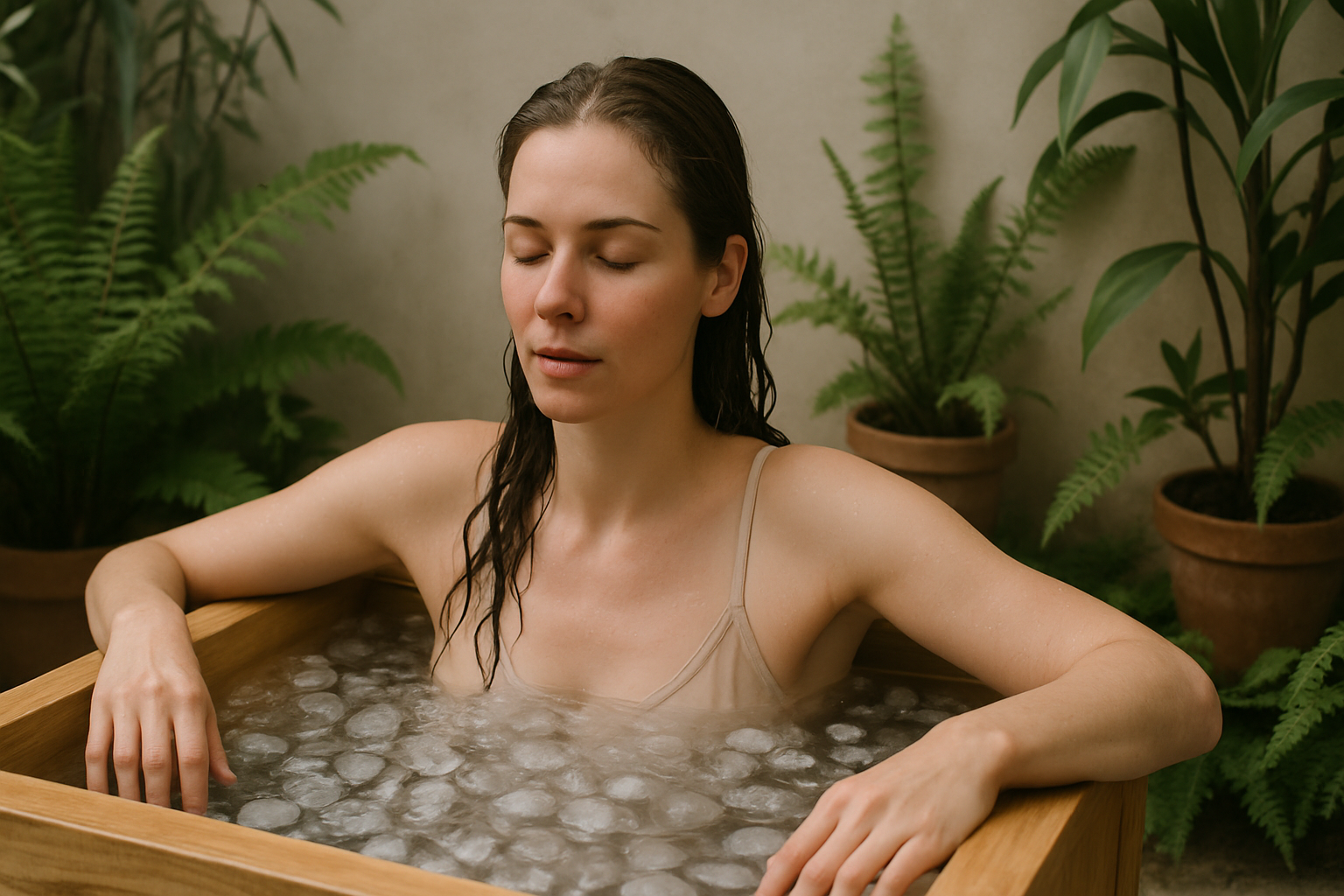
Cold exposure is a practice often used in biohacking, where individuals intentionally expose themselves to cold temperatures for various health and wellness benefits. This subcategory explores its mechanisms, evidence, practical applications, and safety considerations.
What It Is
Cold exposure, also known as cold therapy or cryotherapy, involves the deliberate exposure of the body to cold temperatures. This practice has been utilized for centuries in various cultures, often for its purported health benefits. Modern biohackers have adopted cold exposure as a tool to enhance physical and mental performance, improve recovery, and promote overall wellness.
Typically, cold exposure can take many forms, including ice baths, cold showers, and exposure to cold air or water. The idea is that by subjecting the body to cold, one can stimulate physiological responses that may lead to improved health outcomes.
Mechanism / How It Works
The mechanisms behind cold exposure are complex and involve several physiological processes. When the body is exposed to cold temperatures, it activates the sympathetic nervous system, which can lead to increased levels of norepinephrine, a neurotransmitter that plays a role in mood regulation and inflammation reduction.
Additionally, cold exposure can induce a process known as hormesis, where mild stressors trigger adaptive responses that improve resilience. This may lead to enhanced metabolic function, improved circulation, and reduced inflammation. Cold exposure also promotes the production of brown adipose tissue, which is known for its ability to generate heat and burn calories.
Evidence Summary
The current body of research on cold exposure is varied and includes preliminary studies, clinical trials, and some conflicting evidence. Some studies suggest benefits such as improved recovery from exercise, enhanced immune function, and even potential mood improvements. However, the evidence is not universally accepted, and more rigorous clinical trials are needed to establish definitive conclusions.
While some individuals report significant benefits from cold exposure, others may experience adverse effects, such as discomfort or exacerbation of certain health conditions. Thus, it is crucial to approach cold exposure with an understanding of both its potential benefits and limitations.
Practical Application
To incorporate cold exposure into your routine, consider starting with short sessions of cold showers or ice baths. Begin with 30 seconds to 1 minute of exposure and gradually increase the duration as your body adapts. It is essential to listen to your body and avoid pushing beyond your comfort level.
Common pitfalls include overexposure, which can lead to hypothermia or frostbite, and inconsistency in practice. To maximize benefits, aim for regular cold exposure sessions, ideally two to three times a week. Combining cold exposure with other recovery practices, such as rest and hydration, can further enhance its effects.
Relevant Biomarkers & Tracking
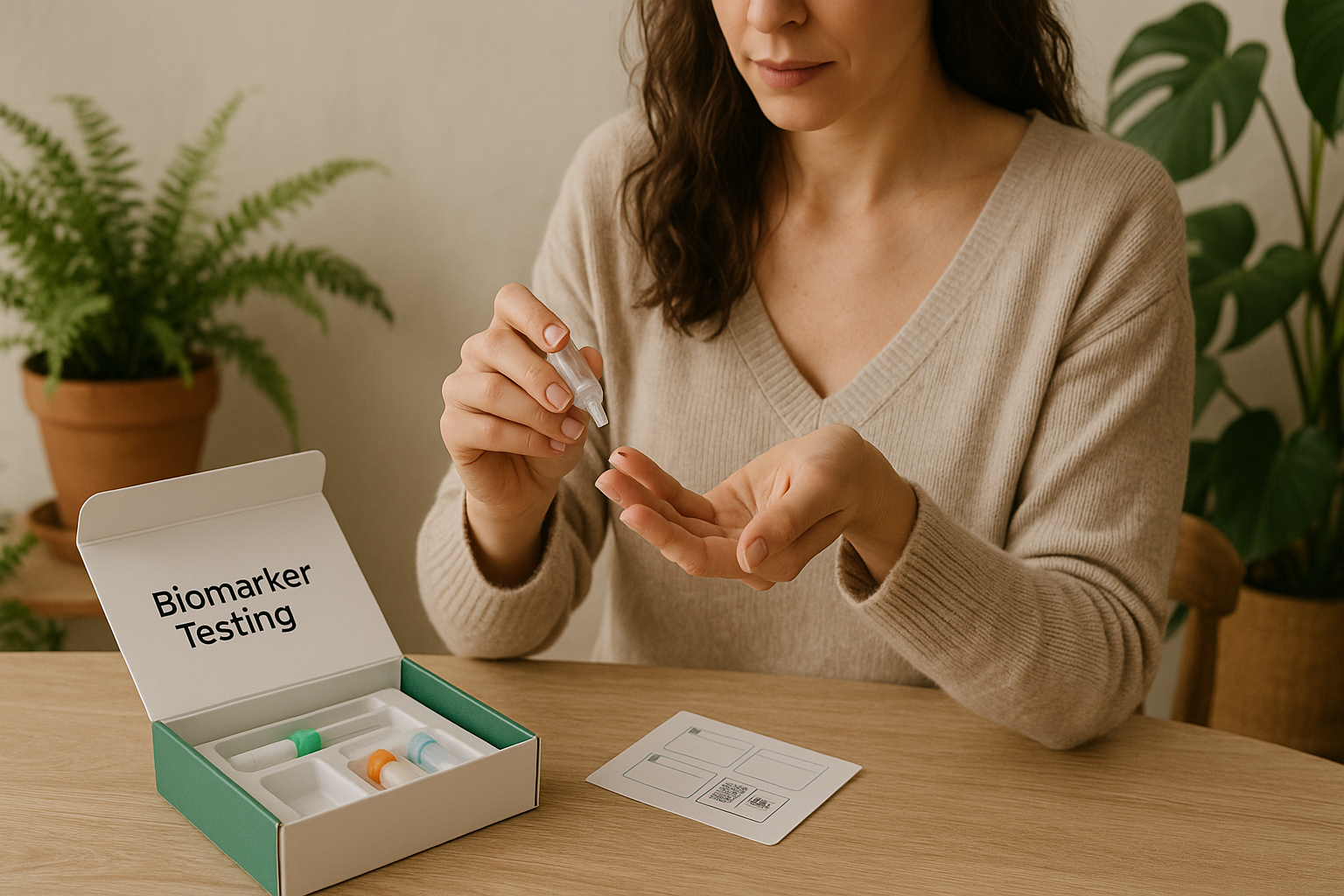
When engaging in cold exposure, tracking certain biomarkers can provide insights into its effects on your body. Relevant biomarkers include:
- Heart rate variability (HRV)
- Core body temperature
- Inflammatory markers (e.g., cytokines)
- Metabolic rate
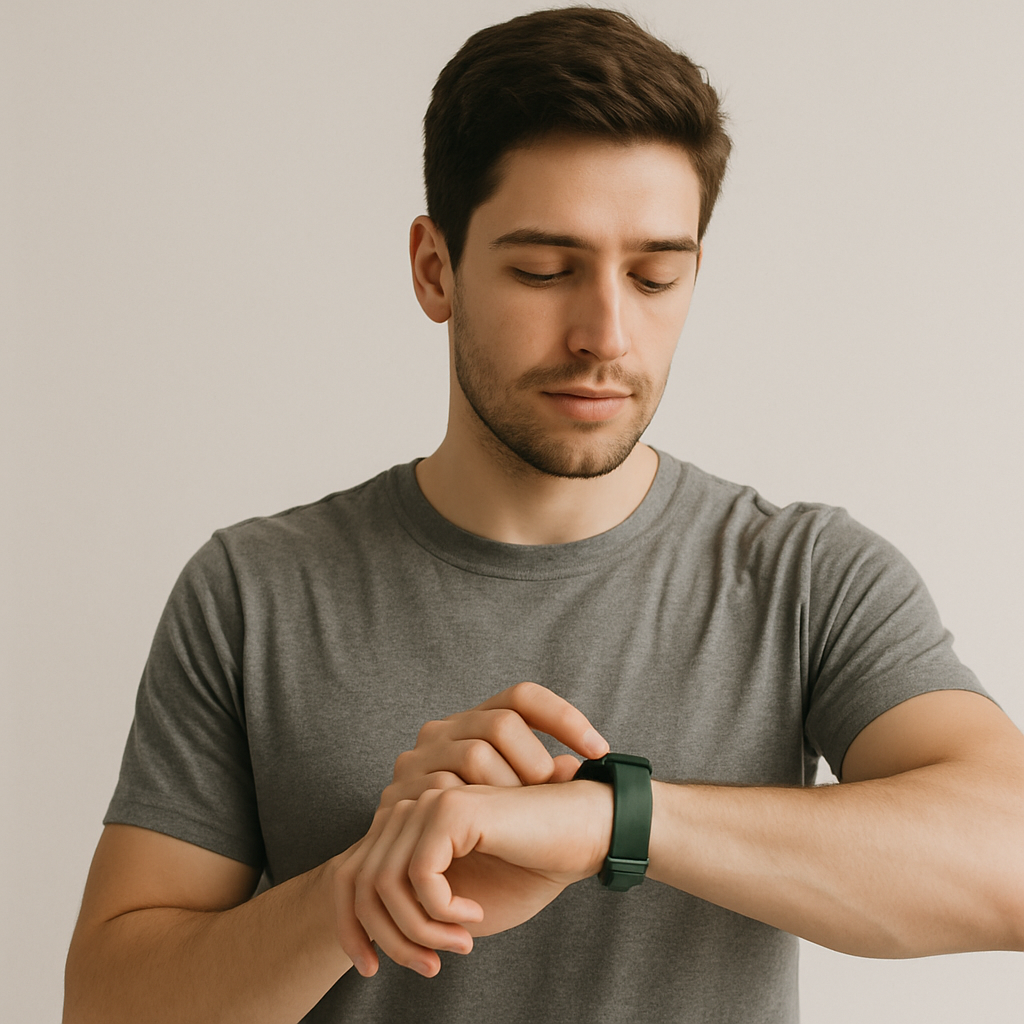
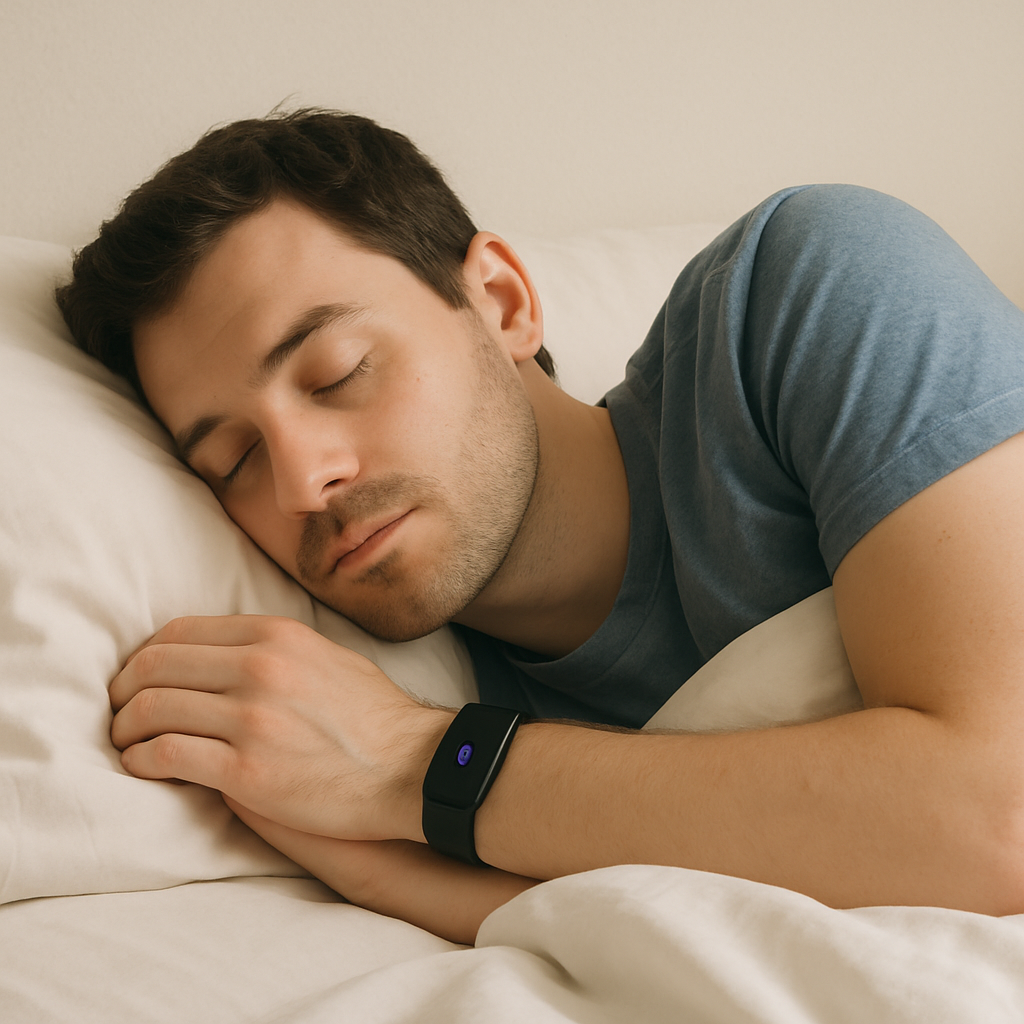
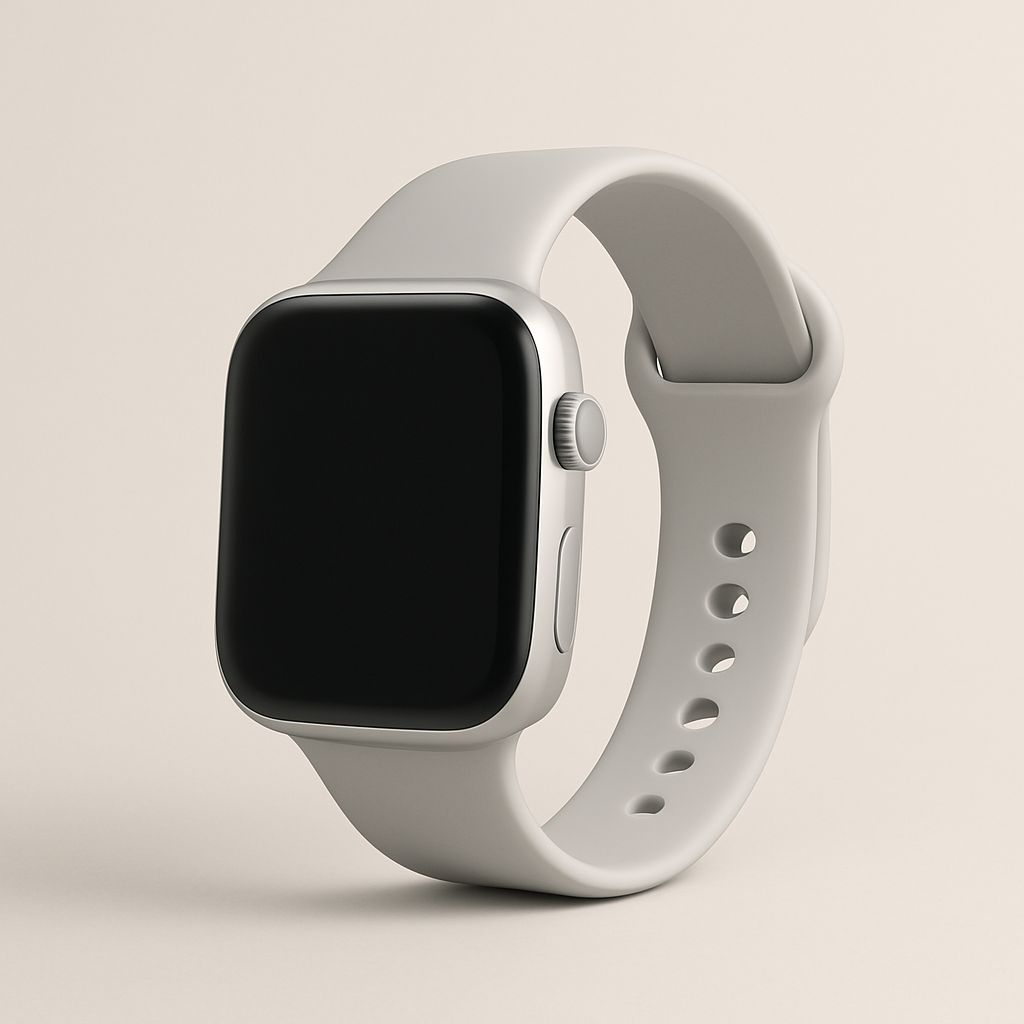
Using wearable technology or apps can help monitor these markers to assess how your body responds to cold exposure over time.
Body Systems Supported
Cold exposure can support several body systems, including:
- Circulatory system: Enhances blood flow and circulation.
- Immune system: May boost immune function and resilience.
- Musculoskeletal system: Aids in muscle recovery and reduces soreness.
- Nervous system: Stimulates the sympathetic nervous system, impacting mood and stress response.
Common Goals
Individuals may pursue cold exposure with various goals in mind, including:
- Improving physical recovery post-exercise
- Enhancing mental clarity and focus
- Reducing inflammation and pain
- Boosting metabolic health and weight loss
- Increasing resilience to stress
Safety, Contraindications & Edge Cases
While cold exposure can be beneficial, it is not suitable for everyone. Individuals with certain health conditions, such as cardiovascular issues, respiratory disorders, or Raynaud's disease, should consult with a healthcare professional before attempting cold exposure. Additionally, pregnant individuals and those with a history of cold-related injuries should exercise caution.
It is essential to be aware of the signs of hypothermia, such as intense shivering, confusion, and fatigue. Always prioritize safety and have a plan for warming up after exposure to cold temperatures.
Pairs Well With
Cold exposure can be effectively paired with various ancient or natural wellness practices, such as:
- Hot baths or saunas (contrast therapy)
- Mindfulness and meditation for stress reduction
- Herbal teas to support hydration and recovery
- A balanced diet rich in anti-inflammatory foods
FAQs (5)
1. How long should I stay in cold exposure?
Start with short durations of 30 seconds to 1 minute and gradually increase as your body adapts.
2. Can cold exposure help with muscle recovery?
Yes, many athletes use cold exposure to reduce soreness and improve recovery times after intense workouts.
3. Is cold exposure safe for everyone?
No, individuals with certain health conditions should consult a healthcare professional before starting cold exposure.
4. How often should I practice cold exposure?
Aim for two to three sessions per week for optimal benefits.
5. What are the signs of hypothermia?
Signs include intense shivering, confusion, and extreme fatigue. Always prioritize safety when practicing cold exposure.
Frequently asked
How long should I stay in cold exposure?
Start with short durations of 30 seconds to 1 minute and gradually increase as your body adapts.
Can cold exposure help with muscle recovery?
Yes, many athletes use cold exposure to reduce soreness and improve recovery times after intense workouts.
Is cold exposure safe for everyone?
No, individuals with certain health conditions should consult a healthcare professional before starting cold exposure.
How often should I practice cold exposure?
Aim for two to three sessions per week for optimal benefits.
What are the signs of hypothermia?
Signs include intense shivering, confusion, and extreme fatigue. Always prioritize safety when practicing cold exposure.