Metabolic Tracking
A comprehensive overview of metabolic tracking in biohacking, its mechanisms, applications, benefits, and relevant biomarkers.

Explore the world of metabolic tracking within the realm of biohacking, its mechanisms, evidence, practical applications, and more.
What It Is
Metabolic tracking is a systematic approach to monitoring various physiological and biochemical parameters that influence metabolism. This method allows individuals to gain insights into their metabolic health, including how their body processes nutrients, utilizes energy, and manages weight. Through tracking specific metrics, individuals can make informed decisions about their lifestyle, diet, and exercise routines to optimize their metabolic function.
At its core, metabolic tracking encompasses a range of practices that may include monitoring blood glucose levels, tracking macronutrient intake, assessing energy expenditure, and analyzing body composition. By collecting and interpreting this data, individuals can identify patterns and trends that may indicate metabolic efficiency or dysfunction, ultimately aiming to improve overall health and wellness.
Mechanism / How It Works
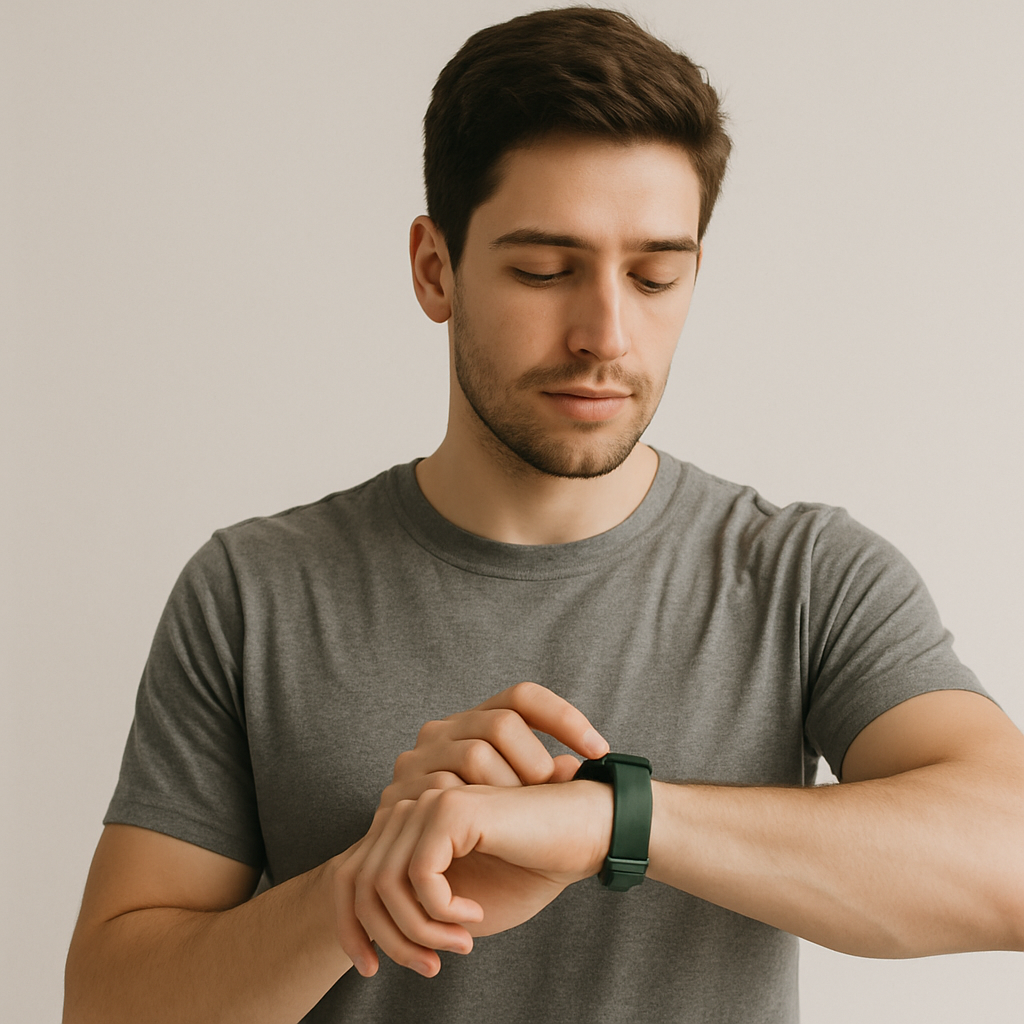
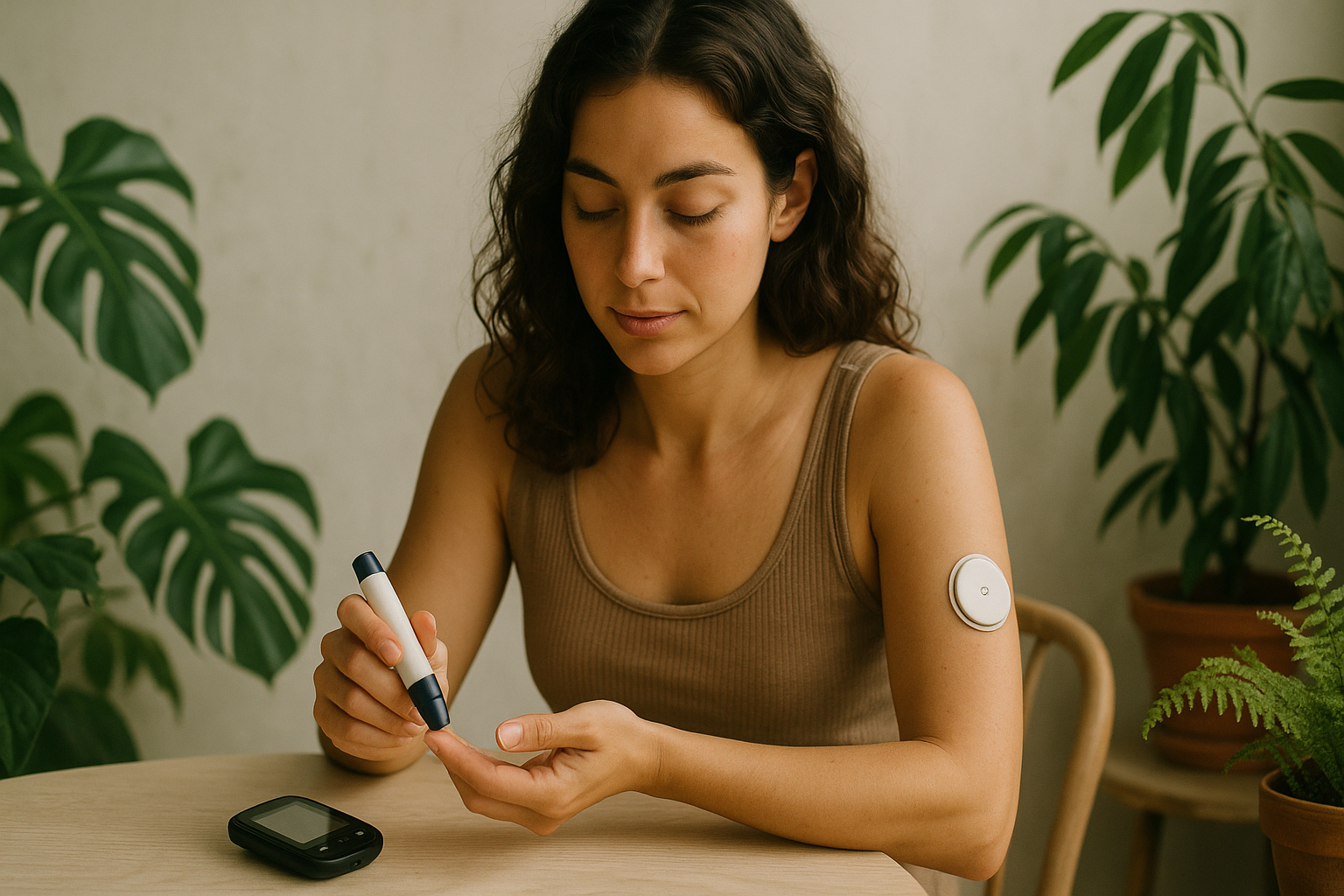
The mechanisms behind metabolic tracking involve utilizing technology and data to assess physiological responses to various stimuli. Devices such as continuous glucose monitors (CGMs), smart scales, and fitness trackers provide real-time data on metrics such as blood sugar levels, body weight, and physical activity. Additionally, mobile apps can facilitate food diary tracking, enabling users to log their dietary intake and monitor macronutrient ratios.
Once data is collected, analysis can be performed to determine how different foods, activities, and lifestyle choices impact metabolism. For example, an individual may notice that certain foods lead to spikes in blood sugar and subsequently adjust their diet to include more balanced meals. This feedback loop empowers individuals to make proactive choices regarding their health.
Evidence Summary
The evidence surrounding metabolic tracking is a mix of preliminary findings and clinical studies. Some research indicates that metabolic tracking can lead to better weight management and improved metabolic health markers such as blood glucose levels and cholesterol profiles. For instance, studies have shown that continuous monitoring of blood glucose can result in better glycemic control for individuals with insulin resistance or diabetes.
However, the field is still evolving, and there are conflicting results regarding the long-term efficacy of metabolic tracking. While many individuals report positive outcomes, more rigorous clinical trials are necessary to establish standardized protocols and validate the benefits across diverse populations. It is essential to approach metabolic tracking with a critical eye, understanding that individual results may vary.
Practical Application
Integrating metabolic tracking into daily life can be achieved through several practical protocols. Individuals interested in metabolic tracking should start by identifying their specific health goals, whether that be weight loss, improved energy levels, or enhanced athletic performance. Once goals are set, users can select appropriate devices and apps to monitor relevant metrics.
Common pitfalls include becoming overly reliant on technology or focusing too much on numbers rather than overall well-being. It is crucial to maintain a balanced perspective and remember that data is just one aspect of health. Regularly reviewing the collected data, adjusting dietary and exercise habits accordingly, and seeking professional guidance when necessary can lead to more effective outcomes.
Relevant Biomarkers & Tracking
Several biomarkers are commonly tracked in metabolic monitoring, including:
- Blood Glucose Levels: Provides insight into carbohydrate metabolism and insulin sensitivity.
- Body Composition: Metrics such as body fat percentage and lean muscle mass can indicate metabolic health.
- Resting Metabolic Rate (RMR): The energy expended at rest, which can help gauge overall metabolism.
- Hormonal Levels: Tracking hormones like insulin, cortisol, and thyroid hormones can provide additional context for metabolic function.
Body Systems Supported
Metabolic tracking primarily supports the endocrine system, responsible for hormone regulation, and the digestive system, which plays a significant role in nutrient absorption and metabolism. By monitoring metabolic markers, individuals can gain insights into how these systems interact and function. Moreover, metabolic health is closely linked to cardiovascular health, as efficient metabolism can help maintain healthy blood pressure, cholesterol levels, and overall heart function.
Common Goals
Individuals engage in metabolic tracking for a variety of reasons, including:
- Weight management and fat loss.
- Improving energy levels and reducing fatigue.
- Enhancing athletic performance and recovery.
- Monitoring health conditions like diabetes or metabolic syndrome.
- Establishing a balanced and nutritious diet.
Safety, Contraindications & Edge Cases
While metabolic tracking can be beneficial, it is essential to consider safety and contraindications. Individuals with certain health conditions, such as eating disorders or severe metabolic disorders, should approach metabolic tracking with caution and under professional supervision. Additionally, the use of biometric devices should be balanced with an understanding of individual needs and preferences.
Some individuals may experience anxiety or stress related to tracking metrics, leading to unhealthy behaviors. It is crucial to adopt a holistic approach to health that considers both mental and physical wellness.
Pairs Well With
Metabolic tracking can be complemented by various ancient and natural wellness practices. For example:
- Mindfulness and Meditation: These practices can help reduce stress, which positively impacts metabolic health.
- Herbal Remedies: Certain herbs, like cinnamon and berberine, may support healthy blood sugar levels.
- Traditional Dietary Approaches: Integrating principles from Mediterranean or Ayurvedic diets can enhance nutritional balance.
FAQs (5)
- What devices are best for metabolic tracking? Popular options include continuous glucose monitors, smart scales, and fitness trackers that monitor heart rate and activity levels.
- Can metabolic tracking help with weight loss? Yes, by providing insights into dietary intake and energy expenditure, metabolic tracking can assist with weight management.
- Is metabolic tracking suitable for everyone? While many can benefit, individuals with certain health conditions should consult a healthcare professional before starting.
- How often should I track my metabolism? Frequency can vary; some prefer daily tracking, while others may find weekly or monthly reviews sufficient.
- Can I rely solely on metabolic tracking for my health? No, it is essential to adopt a holistic approach to wellness that includes physical activity, nutrition, and mental health considerations.
Frequently asked
What devices are best for metabolic tracking?
Popular options include continuous glucose monitors, smart scales, and fitness trackers that monitor heart rate and activity levels.
Can metabolic tracking help with weight loss?
Yes, by providing insights into dietary intake and energy expenditure, metabolic tracking can assist with weight management.
Is metabolic tracking suitable for everyone?
While many can benefit, individuals with certain health conditions should consult a healthcare professional before starting.
How often should I track my metabolism?
Frequency can vary; some prefer daily tracking, while others may find weekly or monthly reviews sufficient.
Can I rely solely on metabolic tracking for my health?
No, it is essential to adopt a holistic approach to wellness that includes physical activity, nutrition, and mental health considerations.