Wellness Restoration
Discover Wellness Restoration as a vital aspect of Regenerative & Cellular Wellness, focusing on its mechanisms, evidence, applications, and supported body systems.

Explore the concept of Wellness Restoration within the broader framework of Regenerative & Cellular Wellness. This subcategory page provides insights into its definition, mechanisms, evidence, practical applications, and more.
What It Is
Wellness Restoration refers to the processes and practices aimed at rejuvenating the body's innate healing capabilities, promoting overall health and well-being. It emphasizes not just the absence of disease but the active engagement in methods that enhance bodily functions on a cellular level. This approach integrates various modalities, including nutrition, lifestyle changes, and emerging therapies, to restore balance and vitality in the body.
In the context of Regenerative & Cellular Wellness, Wellness Restoration is about harnessing the body's natural regenerative potential. By focusing on cellular health, individuals can improve their resilience to stressors, enhance recovery from injuries, and support long-term health goals. This holistic view encourages a proactive stance towards health, recognizing the interconnectedness of physical, mental, and emotional well-being.
Mechanism / How It Works
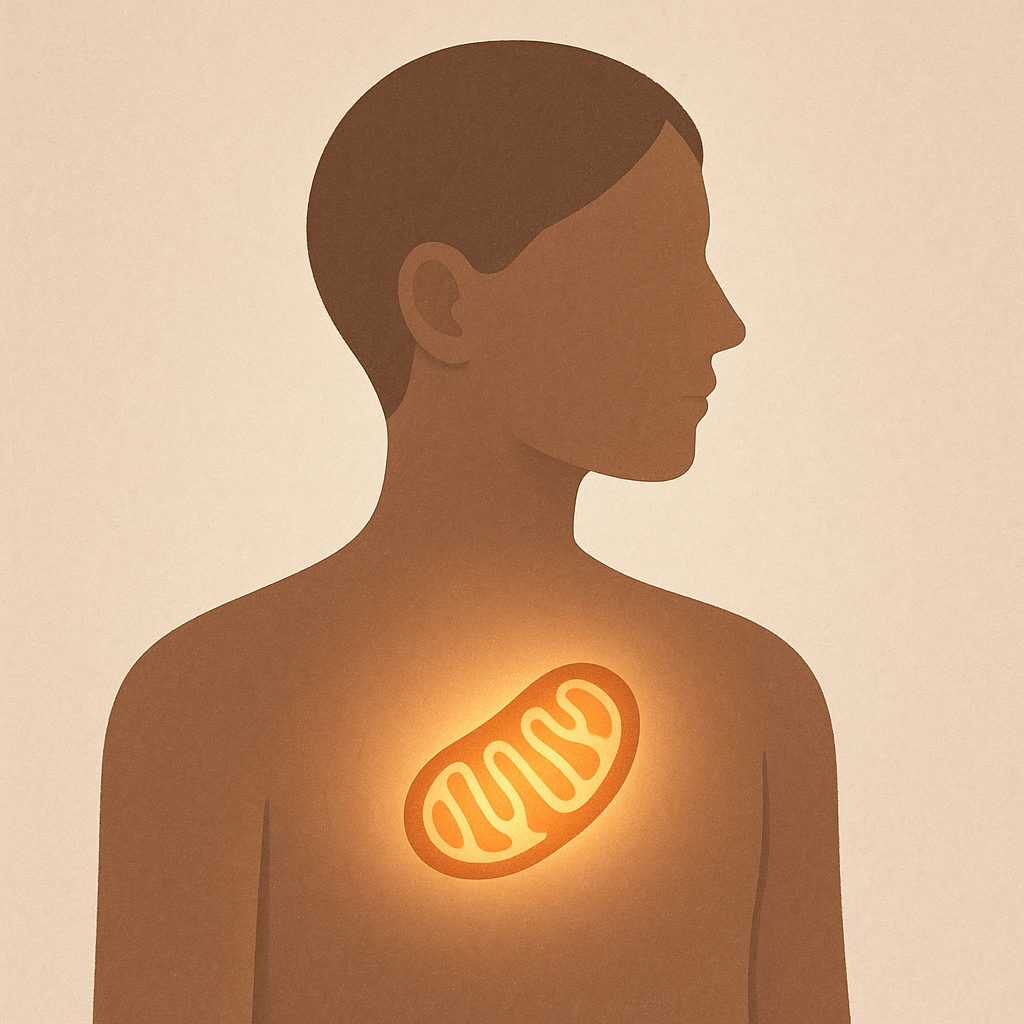
The mechanisms underlying Wellness Restoration involve a combination of biological, biochemical, and lifestyle factors. At the cellular level, processes such as autophagy, mitochondrial function, and inflammation regulation play critical roles in restoring health. Autophagy, for instance, is the body's method of cleaning out damaged cells, which can enhance regeneration and recovery.
Moreover, lifestyle changes like nutrition and exercise significantly influence cellular health. Nutrients like antioxidants, omega-3 fatty acids, and vitamins support cellular repair and reduce oxidative stress. Physical activity promotes blood circulation, enhancing nutrient delivery to cells and encouraging the release of growth factors that stimulate repair processes.
Evidence Summary
Current research on Wellness Restoration is diverse, showcasing both promising findings and areas requiring further investigation. Preliminary studies suggest that practices such as dietary interventions, exercise, and stress management can positively influence cellular health and overall wellness.
Clinical evidence indicates that specific protocols, like intermittent fasting and targeted nutritional supplements, may enhance autophagy and cellular repair. However, conflicting results exist regarding the efficacy of certain supplements and therapies, highlighting the need for more rigorous research.
Practical Application
Integrating Wellness Restoration into daily life can be approached through various protocols and strategies. Key components include:
- Nutritional Strategies: Focus on whole foods rich in nutrients, such as fruits, vegetables, nuts, and seeds. Consider the inclusion of anti-inflammatory foods.
- Regular Physical Activity: Aim for a balanced routine that includes cardiovascular, strength training, and flexibility exercises.
- Mindfulness and Stress Management: Engage in practices such as meditation, yoga, or deep-breathing exercises to enhance mental well-being.
- Quality Sleep: Prioritize sleep hygiene to ensure restorative sleep patterns, essential for cellular repair.
Common pitfalls include neglecting consistency, falling for fad diets, or underestimating the importance of holistic approaches. Developing a sustainable plan that incorporates gradual changes can lead to more enduring results.
Relevant Biomarkers & Tracking
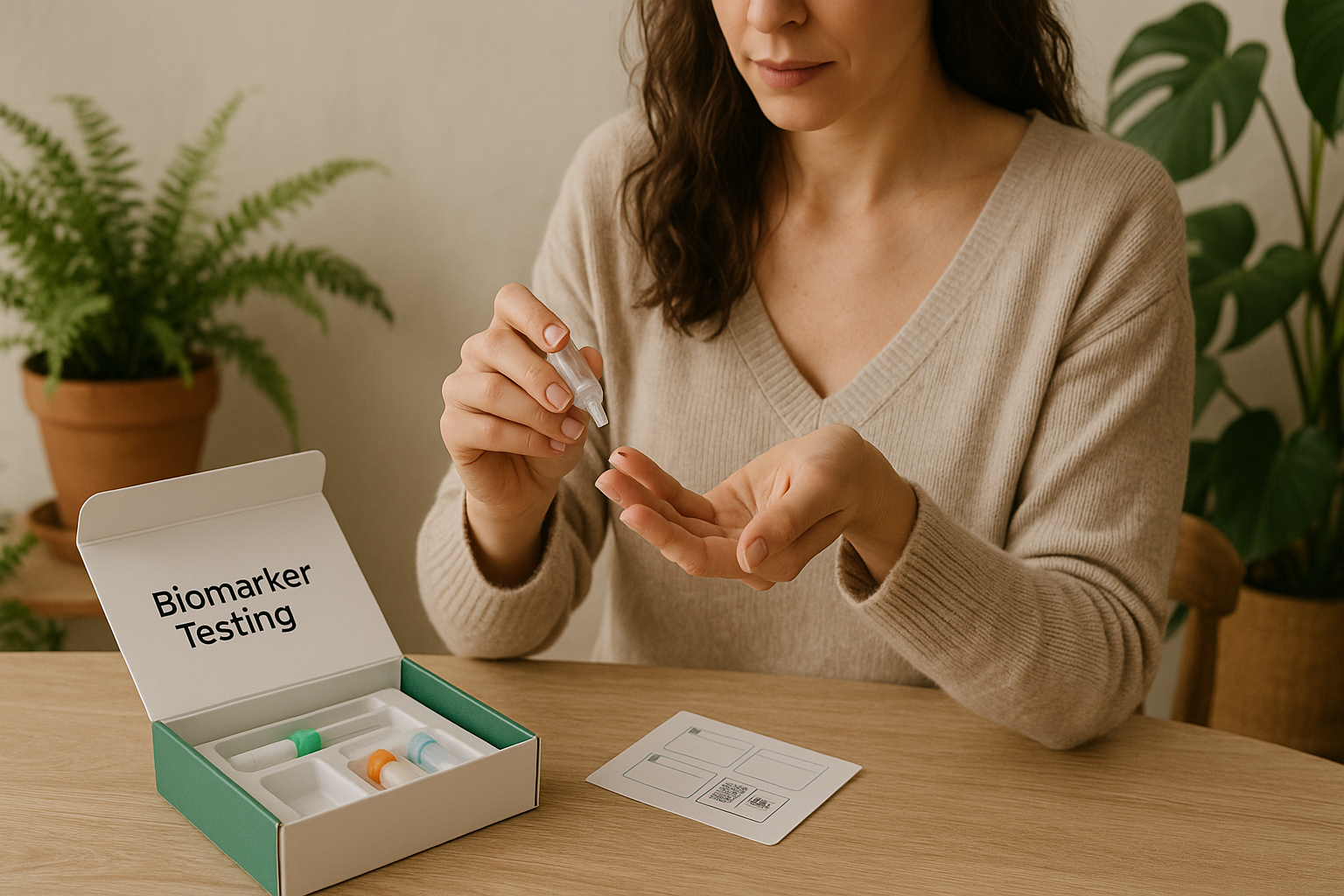
Monitoring specific biomarkers can provide insights into the effectiveness of Wellness Restoration practices. Relevant biomarkers may include:
- C-reactive protein (CRP) levels to assess inflammation
- Hormonal levels, including cortisol and insulin
- Blood lipid profiles to evaluate cardiovascular health
- Oxidative stress markers, such as glutathione levels
Tracking these biomarkers can help individuals gauge their progress and make informed adjustments to their wellness strategies.
Body Systems Supported
Wellness Restoration can support multiple body systems, including:
- Immune System: Enhances the body's ability to fight infections and diseases.
- Digestive System: Supports gut health, improving nutrient absorption and overall digestion.
- Nervous System: Promotes mental clarity and emotional balance through stress reduction techniques.
- Musculoskeletal System: Aids in recovery from injuries and enhances strength and flexibility.
Common Goals
Individuals engaging in Wellness Restoration typically aim for various health goals, such as:
- Enhanced energy levels and vitality
- Improved mental clarity and emotional stability
- Better recovery from physical exertion or injury
- Reduction in chronic inflammation and associated risks
Safety, Contraindications & Edge Cases
While many practices associated with Wellness Restoration are generally safe, individuals should consider specific contraindications. For instance:
- Those with certain medical conditions or those taking specific medications should consult healthcare professionals before initiating significant lifestyle changes.
- Some dietary supplements may interact with medications or have side effects, necessitating careful selection and monitoring.
- Individuals with a history of eating disorders should approach nutritional strategies with caution and seek guidance from qualified professionals.
Pairs Well With
Wellness Restoration aligns well with various ancient and natural counterparts, enhancing its efficacy. These may include:
- Ayurveda: Incorporating herbal remedies and dietary practices tailored to individual constitutions.
- Traditional Chinese Medicine: Utilizing acupuncture and herbal treatments to restore harmony within the body.
- Mindfulness Practices: Techniques like Tai Chi or Qigong to promote mental and physical balance.
FAQs (5)
- What is Wellness Restoration? Wellness Restoration focuses on rejuvenating the body's healing capabilities through various holistic practices.
- How does it work? It operates by enhancing cellular health and promoting processes like autophagy and inflammation regulation.
- What evidence supports its efficacy? Preliminary and clinical studies suggest positive effects, but more research is needed on specific practices.
- Can I integrate it into my daily life? Yes, with a focus on nutrition, exercise, stress management, and sleep.
- Are there any safety concerns? Individuals should consult healthcare professionals before making significant lifestyle changes, especially if they have existing health conditions.
Frequently asked
What is Wellness Restoration?
Wellness Restoration focuses on rejuvenating the body's healing capabilities through various holistic practices.
How does it work?
It operates by enhancing cellular health and promoting processes like autophagy and inflammation regulation.
What evidence supports its efficacy?
Preliminary and clinical studies suggest positive effects, but more research is needed on specific practices.
Can I integrate it into my daily life?
Yes, with a focus on nutrition, exercise, stress management, and sleep.
Are there any safety concerns?
Individuals should consult healthcare professionals before making significant lifestyle changes, especially if they have existing health conditions.