Recovery Science
Delve into Recovery Science, a vital aspect of Regenerative & Cellular Wellness, to understand its mechanisms, applications, and safety in modern wellness practices.
Explore the intricate world of Recovery Science within Regenerative & Cellular Wellness, focusing on its mechanisms, evidence, practical applications, and safety considerations for modern wellness.
What It Is
Recovery Science is an emerging field that focuses on understanding and enhancing the body's natural healing processes. It encompasses various strategies and techniques aimed at optimizing recovery from injuries, surgeries, and physical exertion. By integrating insights from biology, physiology, and psychology, Recovery Science seeks to foster an environment conducive to tissue repair, regeneration, and overall wellness.
The principles of Recovery Science are grounded in the understanding that the body has an innate ability to may support itself. This field investigates how different factors—including nutrition, sleep, physical activity, and mental well-being—interact to support recovery. Thus, Recovery Science is not merely about treating symptoms but about promoting long-term health and resilience.
Mechanism / How It Works
Recovery Science operates through multiple interconnected pathways. At its core, it leverages the body's biological processes, such as inflammation, cellular regeneration, and hormonal balance. For instance, the inflammatory response plays a critical role in healing, where acute inflammation is necessary for recovery, but chronic inflammation can hinder progress.
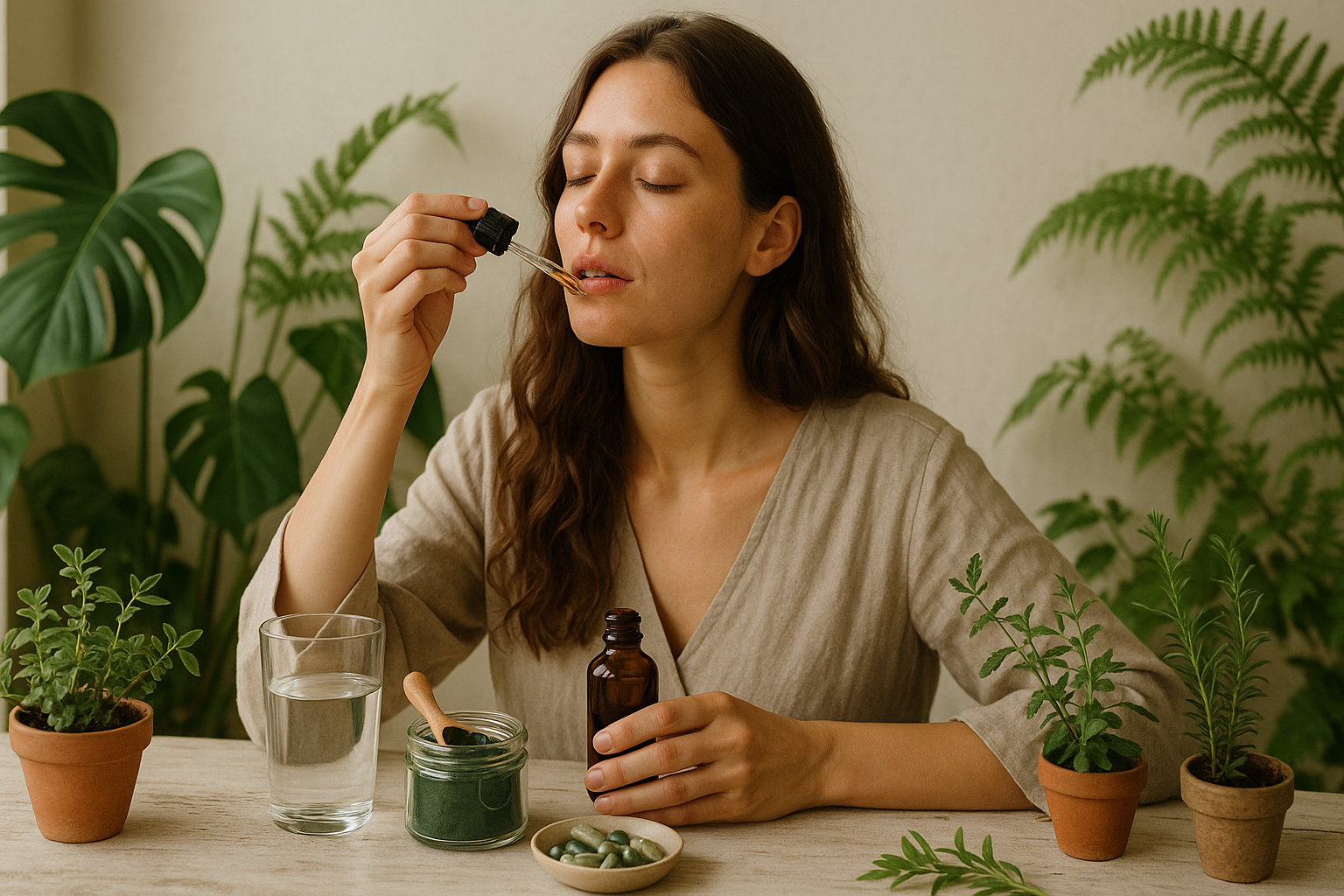
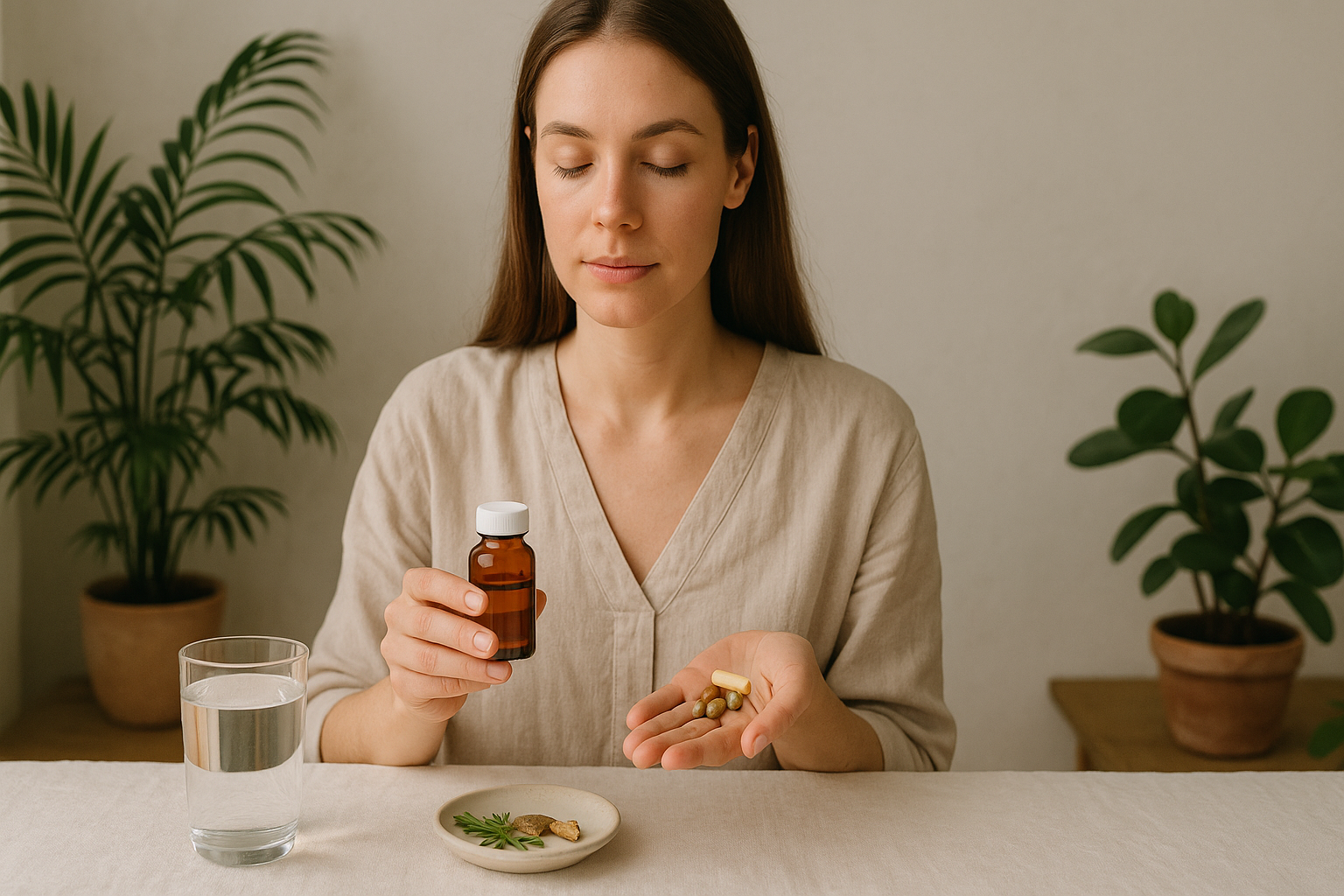
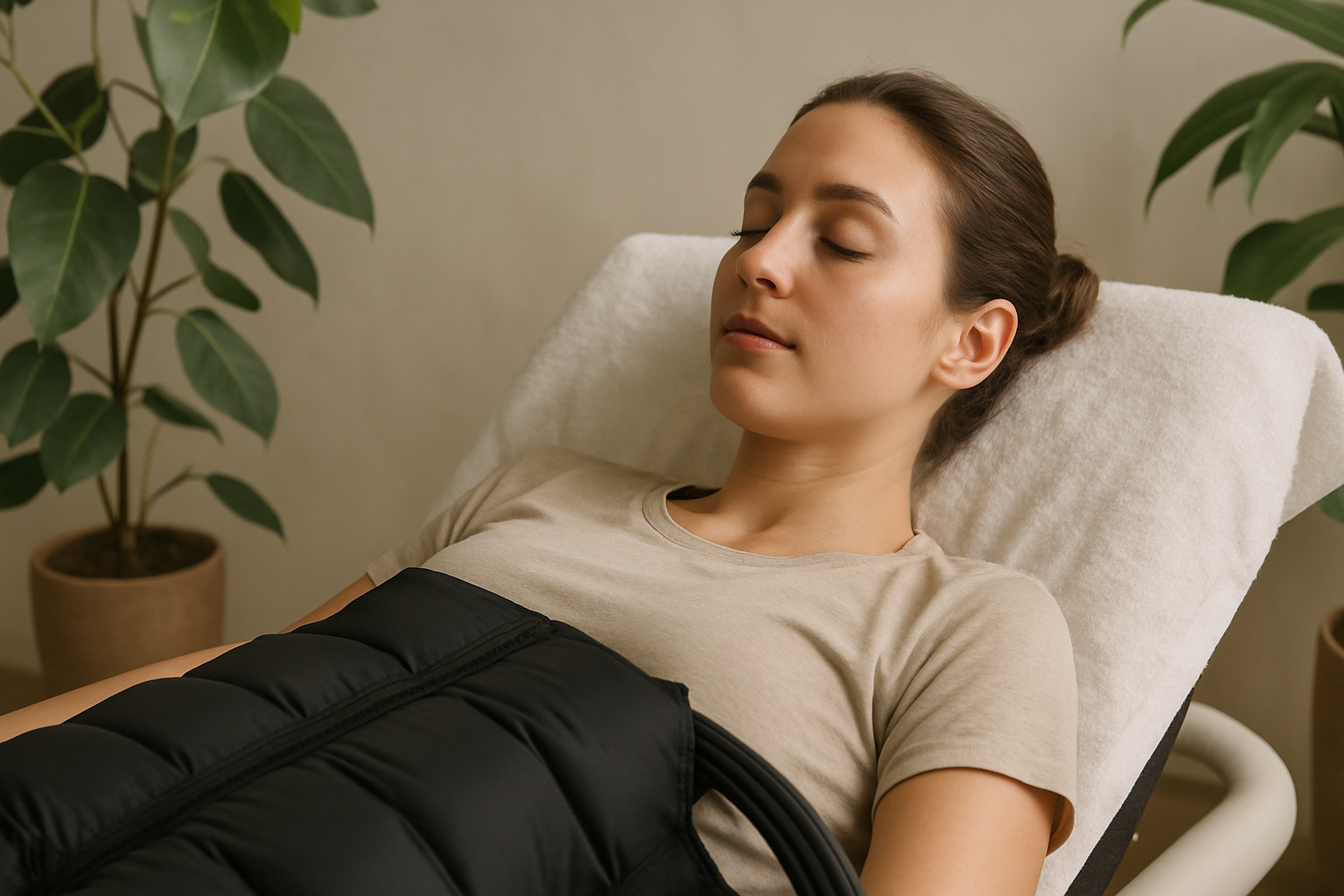
One key component of Recovery Science is the role of specific nutrients and supplements that can aid in the recovery process. Amino acids, omega-3 fatty acids, antioxidants, and vitamins are often highlighted for their potential benefits in enhancing recovery and reducing oxidative stress. Additionally, techniques such as cryotherapy, compression therapy, and even mindfulness practices are utilized to optimize recovery outcomes by promoting circulation, reducing pain, and improving mental clarity.
Evidence Summary
The evidence surrounding Recovery Science is varied, with some methods supported by robust clinical research and others still under investigation. Preliminary studies have shown promising results for certain recovery strategies, such as the use of cryotherapy and active recovery techniques, in reducing muscle soreness and improving performance outcomes.
Clinical trials have often highlighted the importance of sleep and nutrition as foundational elements in recovery, demonstrating that individuals who prioritize these aspects experience faster recovery times and better overall health. However, conflicting evidence exists regarding specific supplements and therapies, indicating a need for more comprehensive research to establish their efficacy and safety. Overall, while many approaches within Recovery Science show promise, further investigation is essential to fully understand their benefits and limitations.
Practical Application
Integrating Recovery Science into daily life involves adopting a holistic approach to wellness. Here are some practical protocols:
- Nutrition: Prioritize a balanced diet rich in whole foods, lean proteins, healthy fats, and complex carbohydrates to support recovery.
- Hydration: Maintain adequate hydration to facilitate cellular processes and prevent fatigue.
- Sleep Hygiene: Establish a regular sleep schedule, aiming for 7-9 hours of quality sleep per night.
- Active Recovery: Incorporate low-impact activities such as yoga, swimming, or walking on rest days to promote circulation without overexertion.
- Mental Well-being: Engage in mindfulness, meditation, or breathing exercises to reduce stress and enhance recovery.
Common pitfalls include neglecting the importance of recovery days, relying too heavily on supplements without dietary foundations, and failing to listen to the body’s signals for rest. Awareness of these challenges can lead to more successful integration of Recovery Science into one’s lifestyle.
Relevant Biomarkers & Tracking
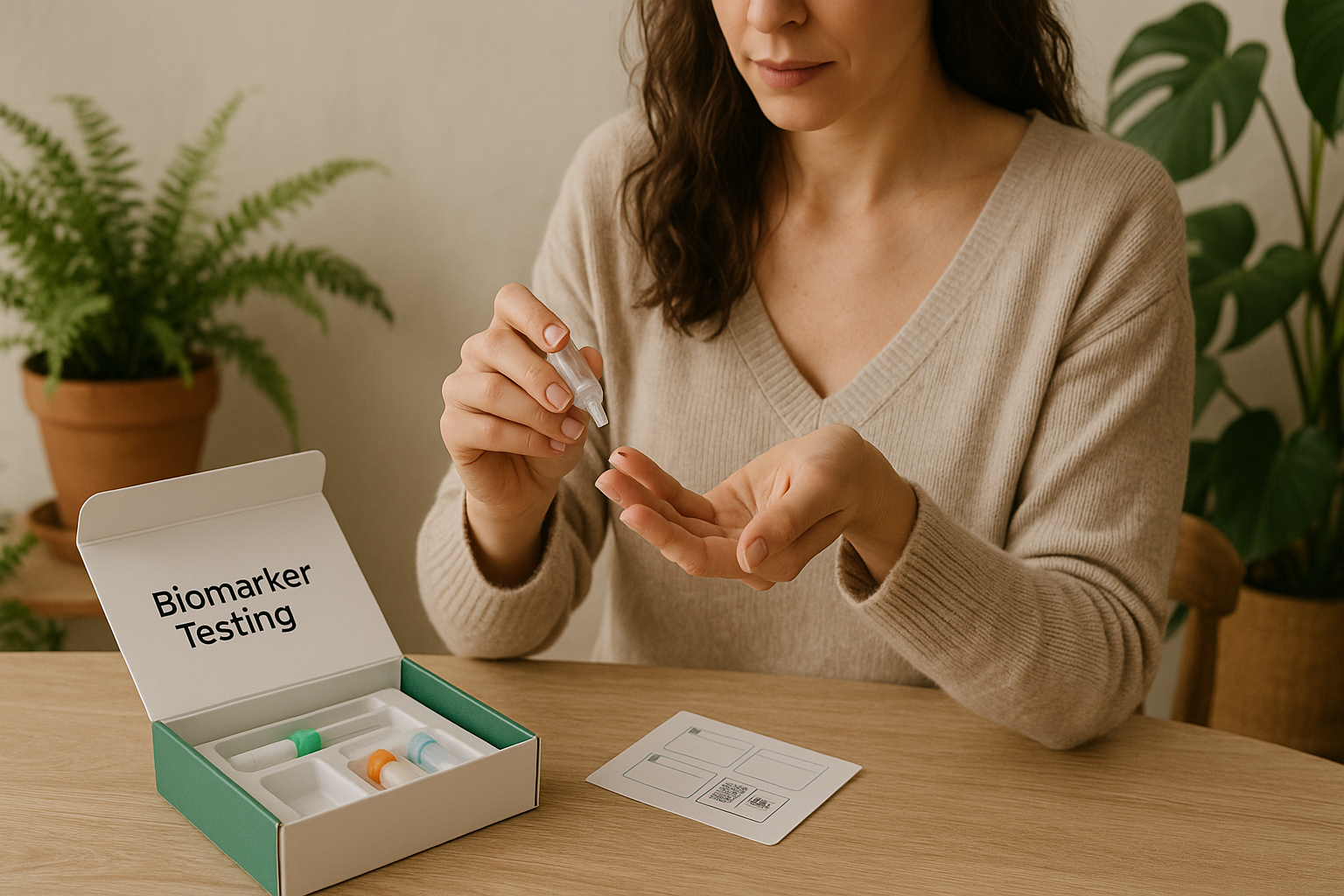
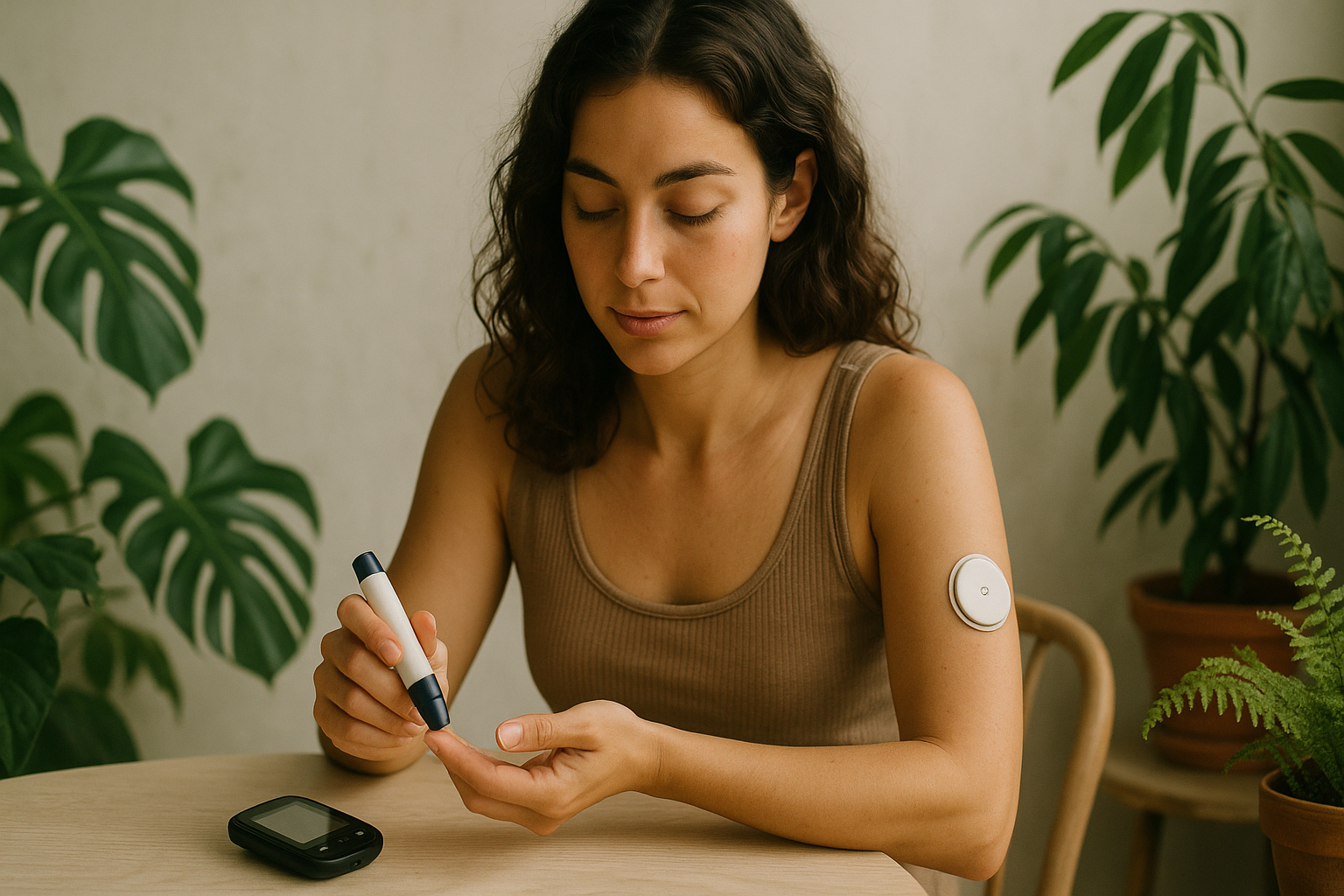
Monitoring specific biomarkers can provide insights into recovery progress. Key indicators include:
- Inflammatory Markers: C-reactive protein (CRP) levels can indicate systemic inflammation.
- Cortisol Levels: Elevated cortisol can signal chronic stress, impacting recovery.
- Sleep Quality Indices: Tracking sleep duration and quality can reveal insights into recovery efficiency.
- Muscle Soreness Ratings: Subjective measures of soreness can help gauge recovery from physical exertion.
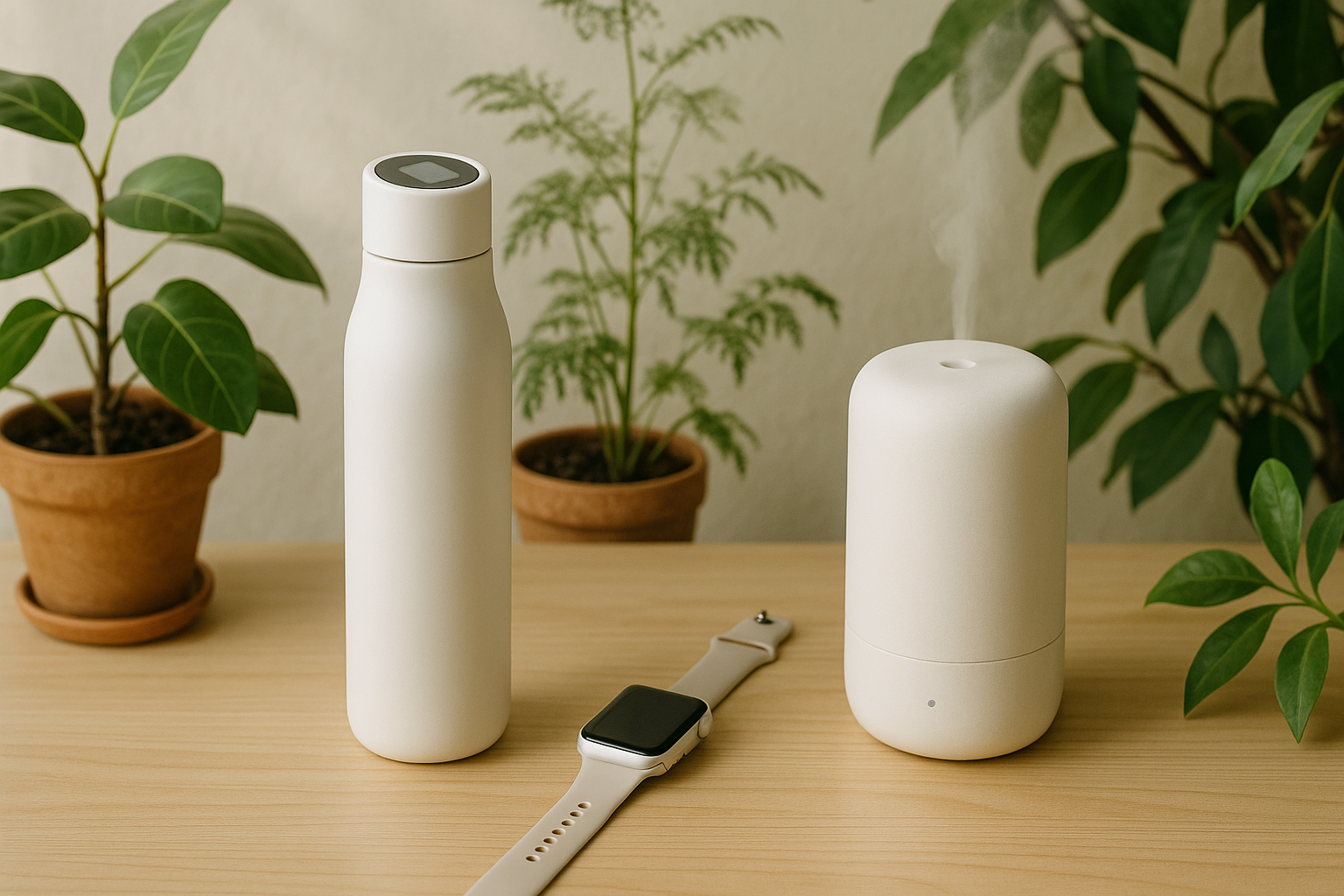
Utilizing wearable technology and apps can facilitate easy tracking of these biomarkers, allowing individuals to tailor their recovery strategies accordingly.
Body Systems Supported
Recovery Science supports multiple body systems, including:
- Musculoskeletal System: Enhances recovery from injuries, strains, and surgeries.
- Immune System: Promotes healing and reduces inflammation.
- Nervous System: Supports mental clarity and reduces stress, which can affect recovery.
- Endocrine System: Balances hormones that influence healing and recovery processes.
By addressing these interconnected systems, Recovery Science contributes to a holistic sense of well-being and resilience.
Common Goals
The goals of Recovery Science can vary based on individual needs but generally include:
- Reducing recovery time from injuries.
- Improving performance in athletic endeavors.
- Enhancing overall energy levels and vitality.
- Promoting mental clarity and emotional resilience.
- Supporting long-term health and wellness.
Safety, Contraindications & Edge Cases
While Recovery Science techniques are generally safe, certain considerations should be taken into account. Individuals with specific health conditions, such as autoimmune disorders or chronic illnesses, should consult with healthcare professionals before beginning recovery protocols. Additionally, over-reliance on certain recovery methods, such as cryotherapy or extreme dietary changes, can lead to adverse effects if not monitored properly.
Edge cases exist where individuals may respond differently to recovery strategies due to genetic factors, lifestyle, or existing health conditions. It is essential to approach Recovery Science with a personalized mindset, adapting strategies to fit individual needs and circumstances.
Pairs Well With
Recovery Science pairs well with various ancient and natural wellness practices, enhancing overall efficacy. These include:
- Traditional Chinese Medicine: Practices such as acupuncture can complement recovery strategies by promoting energy flow and reducing pain.
- Ayurveda: Incorporating herbal remedies and dietary adjustments tailored to individual constitutions can enhance recovery.
- Meditation and Yoga: Mindfulness practices support mental well-being, crucial for recovery.
- Nature Therapy: Spending time in nature has been shown to reduce stress and promote healing.
Integrating these approaches can create a comprehensive recovery strategy, addressing both physical and mental aspects of wellness.
FAQs (5)
- What is Recovery Science? Recovery Science is a field focused on understanding and enhancing the body's natural healing processes through various strategies and techniques.
- How can I integrate Recovery Science into my daily life? You can integrate Recovery Science by focusing on nutrition, hydration, sleep, active recovery, and mental well-being.
- Are there any risks associated with Recovery Science? While generally safe, individuals with specific health conditions should consult a healthcare professional before starting recovery protocols.
- What key biomarkers should I track for recovery? Important biomarkers include inflammatory markers, cortisol levels, sleep quality, and muscle soreness ratings.
- How does Recovery Science support holistic wellness? Recovery Science enhances various body systems, promoting a comprehensive approach to health that includes physical, emotional, and mental well-being.
Frequently asked
What is Recovery Science?
Recovery Science is a field focused on understanding and enhancing the body's natural healing processes through various strategies and techniques.
How can I integrate Recovery Science into my daily life?
You can integrate Recovery Science by focusing on nutrition, hydration, sleep, active recovery, and mental well-being.
Are there any risks associated with Recovery Science?
While generally safe, individuals with specific health conditions should consult a healthcare professional before starting recovery protocols.
What key biomarkers should I track for recovery?
Important biomarkers include inflammatory markers, cortisol levels, sleep quality, and muscle soreness ratings.
How does Recovery Science support holistic wellness?
Recovery Science enhances various body systems, promoting a comprehensive approach to health that includes physical, emotional, and mental well-being.