DNA Recovery
Discover DNA recovery, its mechanisms, evidence, practical applications, and more in the context of regenerative and cellular wellness.
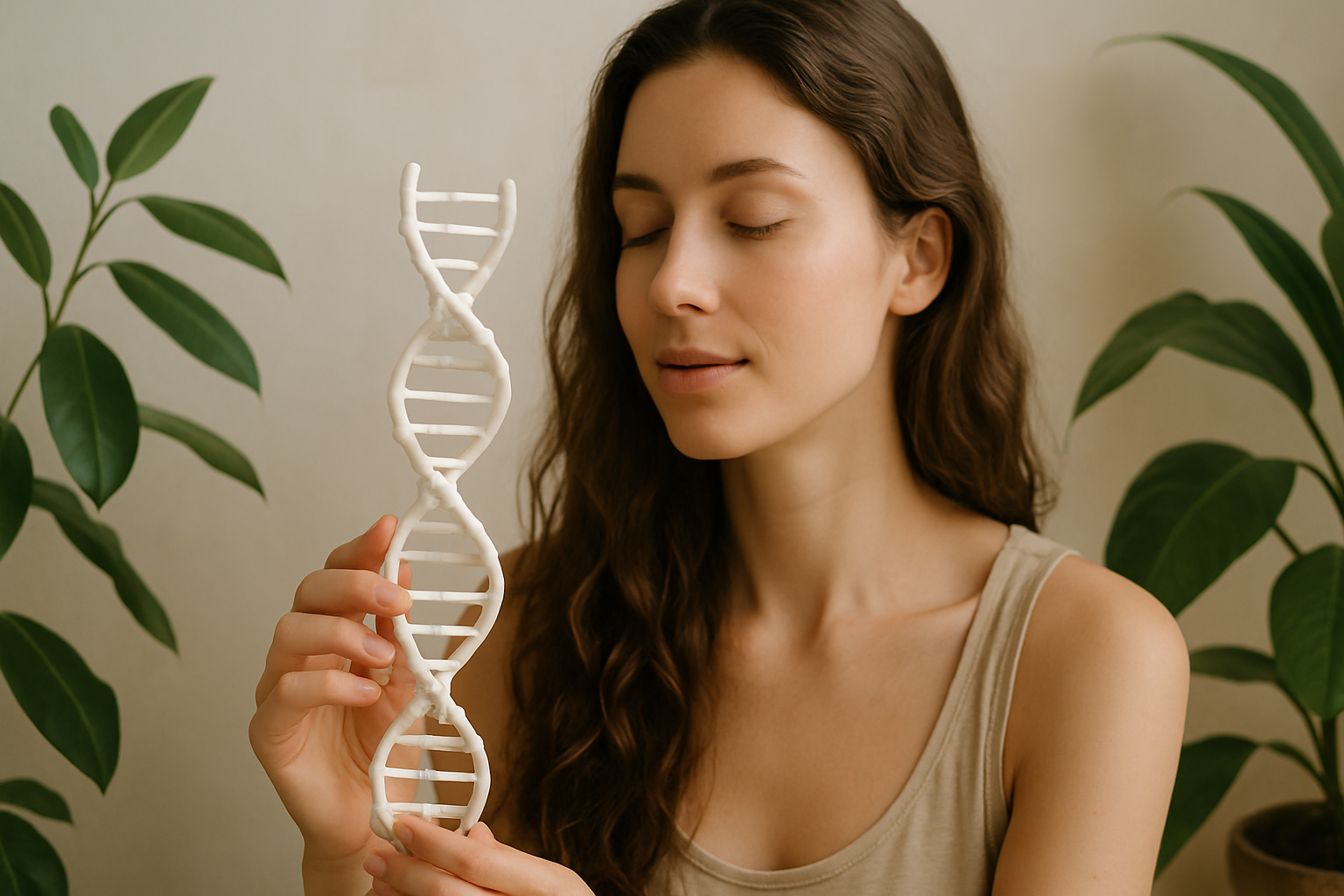
Explore the emerging field of DNA recovery within regenerative and cellular wellness. This comprehensive guide covers its definition, mechanisms, evidence, practical applications, and more.
What It Is
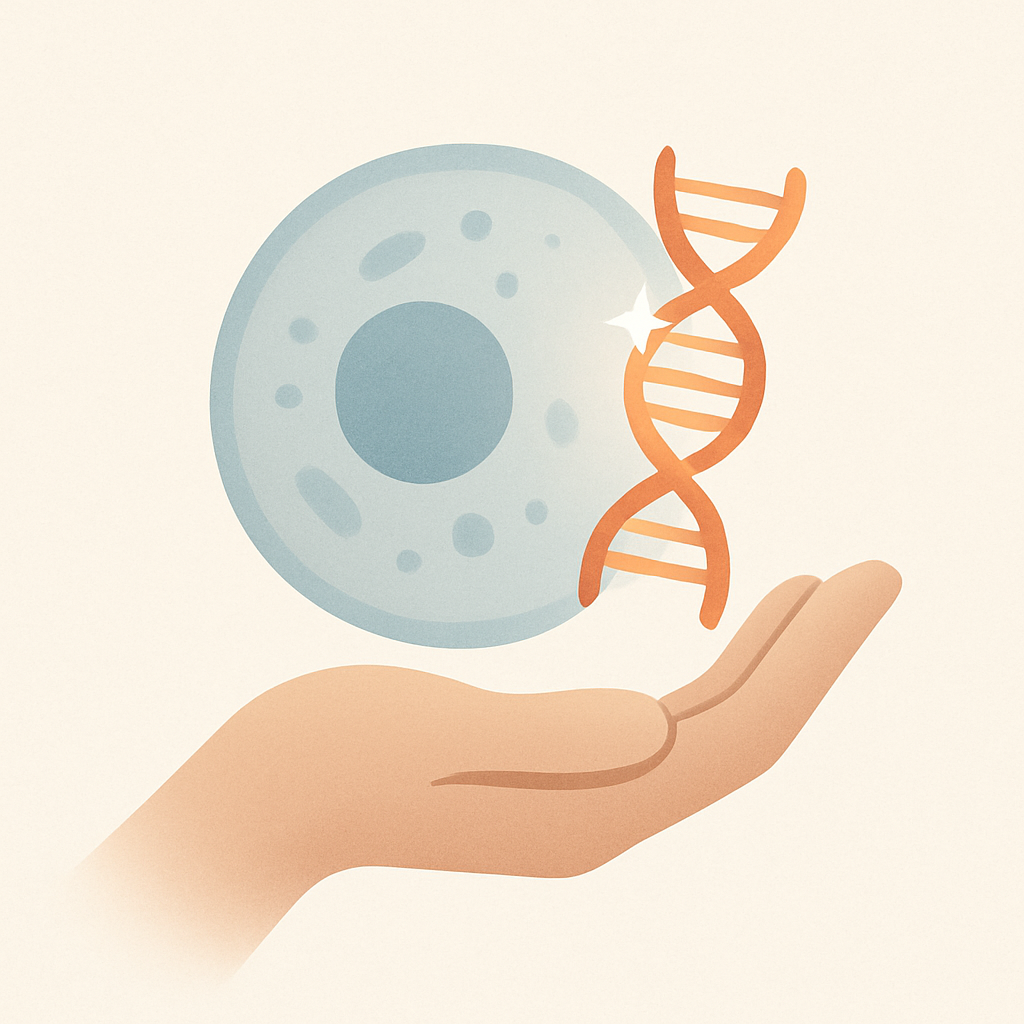
DNA recovery refers to the processes and techniques aimed at repairing or restoring damaged DNA within the body. As the foundation of genetic material, DNA is essential for the proper functioning of cells, influencing everything from cellular replication to overall health. When DNA is compromised due to environmental factors, aging, or disease, the integrity of cellular functions can be impaired, leading to a variety of health issues.
In the realm of regenerative and cellular wellness, DNA recovery seeks to enhance the body’s natural ability to may support itself by promoting effective DNA repair mechanisms. This can involve utilizing specific nutrients, lifestyle modifications, and advanced therapies that support cellular regeneration and repair.
Mechanism / How It Works
The mechanisms behind DNA recovery are complex and multifaceted. At the cellular level, the body has intrinsic repair systems that recognize and mend DNA damage. These systems involve a range of enzymes and proteins that work together to identify errors, remove damaged sections, and synthesize new DNA strands.
Additionally, certain nutrients play a critical role in supporting these repair processes. For instance, antioxidants can combat oxidative stress, which is a significant contributor to DNA damage. Other compounds, such as polyphenols and vitamins, may enhance the body’s ability to repair DNA by influencing gene expression and cellular signaling pathways. Emerging therapies, including gene editing techniques and stem cell therapies, also show promise in the field of DNA recovery.
Evidence Summary
The evidence surrounding DNA recovery is still in its early stages, with a mix of preliminary findings and clinical studies. Some research indicates that certain dietary interventions, such as increased intake of antioxidants, can positively impact DNA repair mechanisms. For example, studies have shown that high levels of vitamin C and E may reduce oxidative DNA damage.
However, much of the research is still ongoing, and definitive conclusions about the efficacy of various DNA recovery methods are yet to be established. Conflicting results can arise based on individual genetic variability, the type of intervention used, and overall lifestyle factors. As such, while there is promising evidence, more rigorous clinical trials are needed to fully understand the potential benefits and limitations of DNA recovery strategies.
Practical Application
Implementing DNA recovery practices into daily life can involve a combination of dietary choices, lifestyle modifications, and potential supplementation. Here are some practical applications:
- Nutritional Support: Focus on a diet rich in antioxidants, including fruits, vegetables, nuts, and whole grains that can help mitigate oxidative stress.
- Healthy Lifestyle Choices: Regular physical activity, adequate sleep, and stress management techniques can enhance overall cellular health and support DNA repair.
- Supplementation: Some individuals may consider supplements such as omega-3 fatty acids, vitamins C and E, and other antioxidants after consulting with a healthcare provider.
Common pitfalls include relying solely on supplements without addressing dietary and lifestyle factors, as well as neglecting the importance of individualized approaches based on personal health status.
Relevant Biomarkers & Tracking
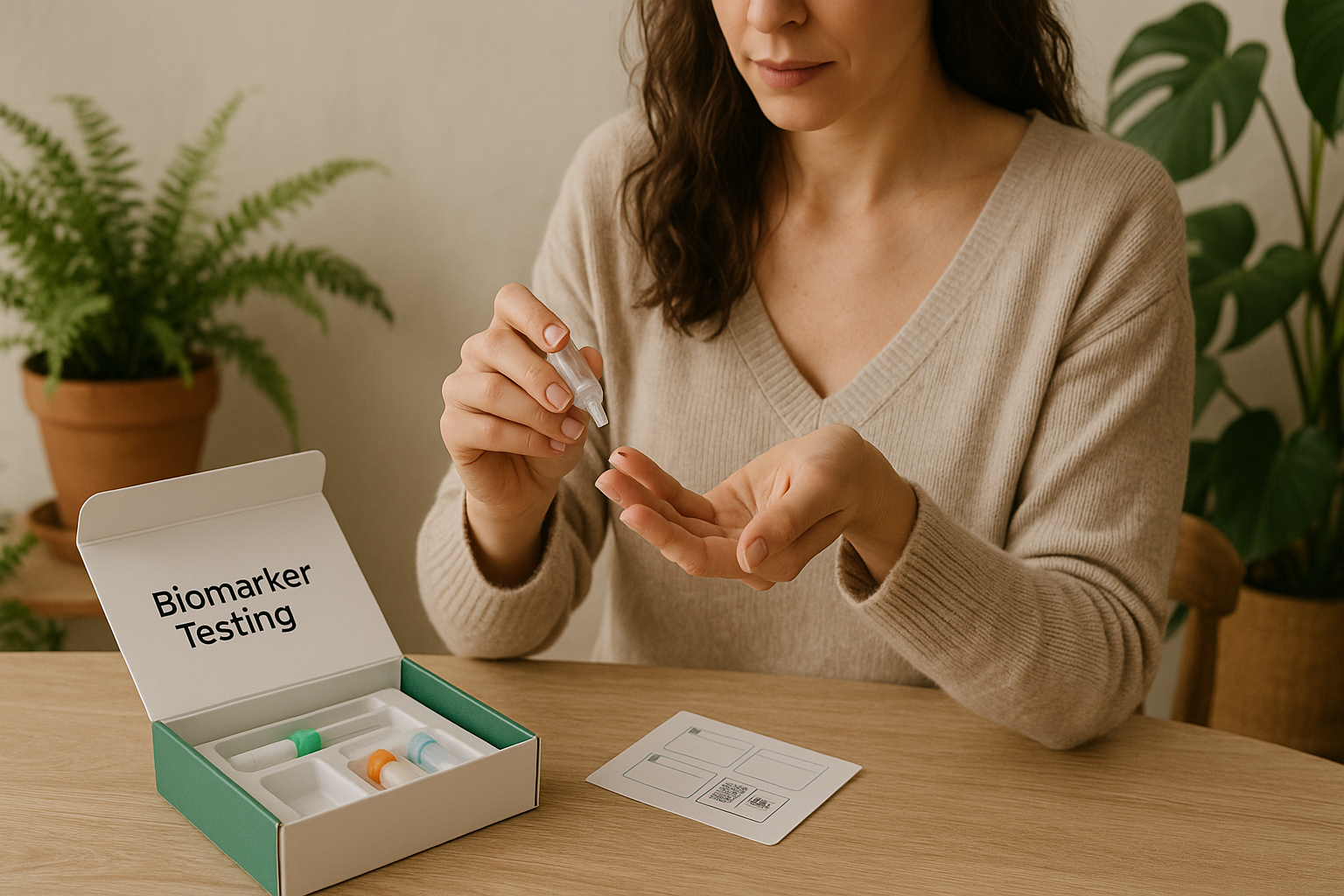
Monitoring specific biomarkers can provide insights into DNA integrity and recovery. Relevant biomarkers include:
- Oxidative Stress Markers: Levels of malondialdehyde (MDA) or 8-hydroxydeoxyguanosine (8-OHdG) can indicate oxidative damage to DNA.
- Inflammatory Markers: Elevated levels of cytokines may suggest ongoing inflammation that could impact DNA health.
- Genetic Testing: Certain tests can evaluate genetic predispositions to DNA repair deficiencies, helping to tailor recovery strategies.
Body Systems Supported
DNA recovery primarily supports the following body systems:
- Immune System: A healthy immune response relies on the integrity of DNA within immune cells.
- Nervous System: DNA repair is crucial for neuronal health, affecting cognitive function and neuroprotection.
- Endocrine System: Hormonal balance can be influenced by the health of DNA in endocrine tissues.
Common Goals
Individuals may pursue DNA recovery for various reasons, including:
- Improving overall cellular health.
- Reducing the risk of age-related diseases.
- Enhancing recovery from injury or illness.
- Optimizing mental and cognitive function.
Safety, Contraindications & Edge Cases
Generally, dietary approaches and lifestyle changes for DNA recovery are considered safe for most individuals. However, supplementation should be approached with caution, particularly for those with underlying health conditions or those taking medications. It is essential to consult with a healthcare provider before starting any new supplements or therapy.
Edge cases may include individuals with specific genetic disorders that impair DNA repair mechanisms, which require specialized interventions.
Pairs Well With
DNA recovery can be complemented by various ancient and natural practices, such as:
- Herbal Medicine: Certain herbs like turmeric and green tea are noted for their antioxidant properties.
- Meditation and Mindfulness: Stress reduction techniques can support overall cellular health and promote DNA repair.
- Traditional Nutritional Practices: Dietary approaches from traditional medicine, such as those found in Ayurveda or Traditional Chinese Medicine, can enhance the effectiveness of DNA recovery efforts.
FAQs (5)
- What are the main causes of DNA damage? Environmental toxins, radiation, and oxidative stress are primary contributors to DNA damage.
- Can lifestyle changes actually improve DNA recovery? Yes, adopting a healthy diet and lifestyle can support the body's natural DNA repair mechanisms.
- Are there any risks associated with DNA recovery practices? While dietary and lifestyle changes are generally safe, supplementation should be approached cautiously and discussed with a healthcare provider.
- How long does it take to see improvements in DNA recovery? Results can vary widely depending on individual factors, but consistent efforts may lead to improvements over weeks to months.
- Is DNA recovery suitable for everyone? Most individuals can benefit from DNA recovery practices, but those with specific genetic disorders may need tailored approaches.
Frequently asked
What are the main causes of DNA damage?
Environmental toxins, radiation, and oxidative stress are primary contributors to DNA damage.
Can lifestyle changes actually improve DNA recovery?
Yes, adopting a healthy diet and lifestyle can support the body's natural DNA repair mechanisms.
Are there any risks associated with DNA recovery practices?
While dietary and lifestyle changes are generally safe, supplementation should be approached cautiously and discussed with a healthcare provider.
How long does it take to see improvements in DNA recovery?
Results can vary widely depending on individual factors, but consistent efforts may lead to improvements over weeks to months.
Is DNA recovery suitable for everyone?
Most individuals can benefit from DNA recovery practices, but those with specific genetic disorders may need tailored approaches.