Longevity Cells
Explore the emerging field of Longevity Cells within Regenerative & Cellular Wellness, covering their mechanisms, practical applications, and safety considerations.
This subcategory page on Longevity Cells explores their definition, mechanisms, evidence, practical applications, relevant biomarkers, supported body systems, common goals, safety considerations, complementary practices, and frequently asked questions, providing a comprehensive overview of this emerging field in regenerative and cellular wellness.
What It Is
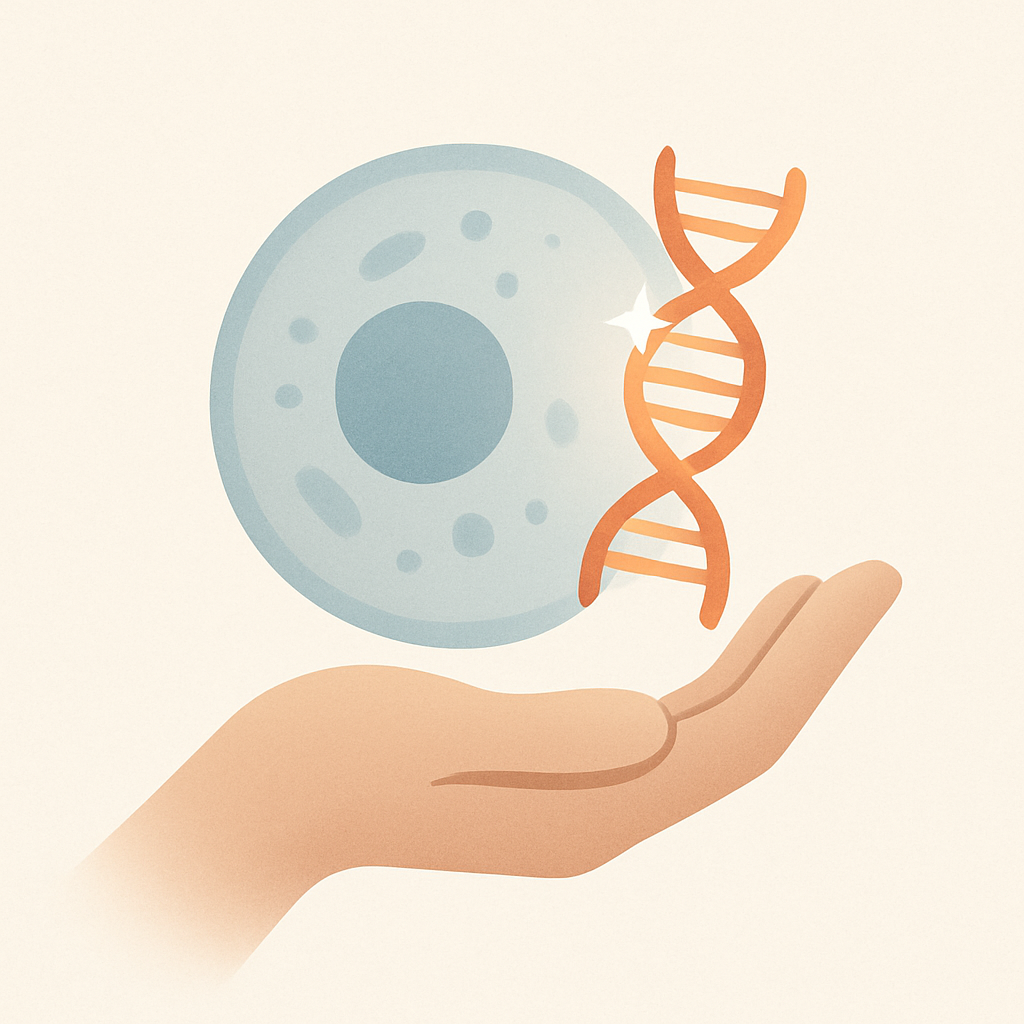
Longevity cells, often referred to in the context of regenerative medicine, are specialized cells that contribute to the maintenance, repair, and rejuvenation of tissues and organs in the body. These cells play a crucial role in the aging process by enhancing cellular function and promoting tissue homeostasis. Key examples include stem cells and senescent cells, each with distinct properties and functions that impact overall longevity.
The concept of longevity cells extends beyond mere cellular biology; it encompasses the intricate interplay between genetics, environmental factors, and lifestyle choices that collectively influence the aging process. By understanding and harnessing the potential of these cells, researchers aim to develop strategies that may prolong healthspan—the period of life spent in good health—rather than just lifespan.
Mechanism / How It Works
Longevity cells function through several mechanisms that promote tissue regeneration and repair. Stem cells, for example, can differentiate into various cell types, enabling the body to replace damaged or aged cells. This regenerative capacity is vital for maintaining the integrity of organs and tissues over time.
Another important aspect is the role of senescent cells. These cells, which cease to divide and accumulate with age, can impact surrounding tissues by releasing pro-inflammatory factors. However, recent research suggests that modulating the behavior of these senescent cells may help mitigate their negative effects and promote healthier aging.
Evidence Summary
The research surrounding longevity cells is still in its nascent stages, with several promising findings yet to be confirmed through extensive clinical trials. Preliminary studies have indicated that therapies targeting stem cells can enhance tissue regeneration and improve outcomes in conditions related to aging.
Conversely, the evidence regarding the role of senescent cells is more complex, with conflicting data on whether their removal or modulation is beneficial in the long term. While some studies suggest that eliminating senescent cells can improve healthspan, others indicate potential risks if not carefully managed. Overall, while there is a growing body of evidence supporting the importance of longevity cells, much remains to be understood.
Practical Application
Integrating the principles of longevity cells into daily life involves several practical applications, from dietary choices to lifestyle modifications. Protocols may include:
- Incorporating regenerative practices such as intermittent fasting or caloric restriction, which have shown potential benefits in promoting cellular health.
- Engaging in regular physical activity to stimulate stem cell proliferation and enhance overall well-being.
- Adopting a diet rich in antioxidants and anti-inflammatory foods to support cellular health.
Common pitfalls include overlooking the importance of consistency in lifestyle changes and relying solely on supplements without addressing fundamental health practices.
Relevant Biomarkers & Tracking
Tracking the effectiveness of longevity cell strategies can be achieved through various biomarkers. Key indicators include:
- Telomere length, which is associated with cellular aging.
- Inflammatory markers such as C-reactive protein (CRP) that provide insight into systemic inflammation.
- Stem cell counts in peripheral blood, which can indicate regenerative capacity.
Regular monitoring of these biomarkers can help individuals adjust their wellness strategies effectively.
Body Systems Supported
Longevity cells primarily support the following body systems:
- Musculoskeletal System: Enhancing tissue repair and regeneration.
- Immune System: Modulating immune response and improving resilience to age-related decline.
- Nervous System: Supporting neurogenesis and cognitive function.
By promoting health in these systems, longevity cells contribute to a more robust overall health profile throughout the aging process.
Common Goals
Individuals seeking to harness the power of longevity cells often have several shared goals, including:
- Improving healthspan by delaying the onset of age-related diseases.
- Enhancing physical and cognitive function.
- Promoting tissue repair and recovery from injuries.
These goals reflect a broader desire for a vibrant, active life in later years.
Safety, Contraindications & Edge Cases
While the potential benefits of longevity cells are promising, there are important safety considerations to keep in mind. Certain therapies targeting these cells may not be suitable for everyone, particularly individuals with specific medical conditions or those taking certain medications.
Contraindications may include:
- Individuals with active infections or malignancies.
- Patients with autoimmune disorders who may react negatively to stem cell therapies.
Consultation with a healthcare provider is essential to evaluate personal risk factors and ensure safety when exploring longevity cell therapies.
Pairs Well With
Longevity cells can be complemented by various ancient and natural counterparts, enhancing overall wellness strategies. These may include:
- Adaptogens: Such as ashwagandha and rhodiola, which help the body manage stress and support cellular health.
- Traditional herbal remedies: Focusing on inflammation reduction and antioxidant support.
- Mindfulness practices: Including meditation and yoga, which can positively influence cellular health through stress reduction.
FAQs (5)
- What are longevity cells? Longevity cells are specialized cells that promote tissue repair and contribute to the aging process, including stem cells and senescent cells.
- How can I support my longevity cells? Supporting longevity cells involves adopting a healthy lifestyle, including a balanced diet, regular exercise, and stress management practices.
- Are there risks associated with longevity cell therapies? Yes, potential risks may include adverse reactions in individuals with specific health conditions, necessitating careful evaluation before treatment.
- What biomarkers should I track for longevity? Important biomarkers include telomere length, inflammatory markers like CRP, and stem cell counts.
- Can longevity cells help improve my healthspan? Yes, by enhancing tissue repair and reducing age-related decline, longevity cells can contribute to a healthier healthspan.