Anti-Inflammatory Recovery
Learn about anti-inflammatory recovery and its role in promoting regenerative and cellular wellness.

Explore the benefits of anti-inflammatory recovery as part of regenerative and cellular wellness. Understand its mechanisms, applications, and how to track progress effectively.
What It Is
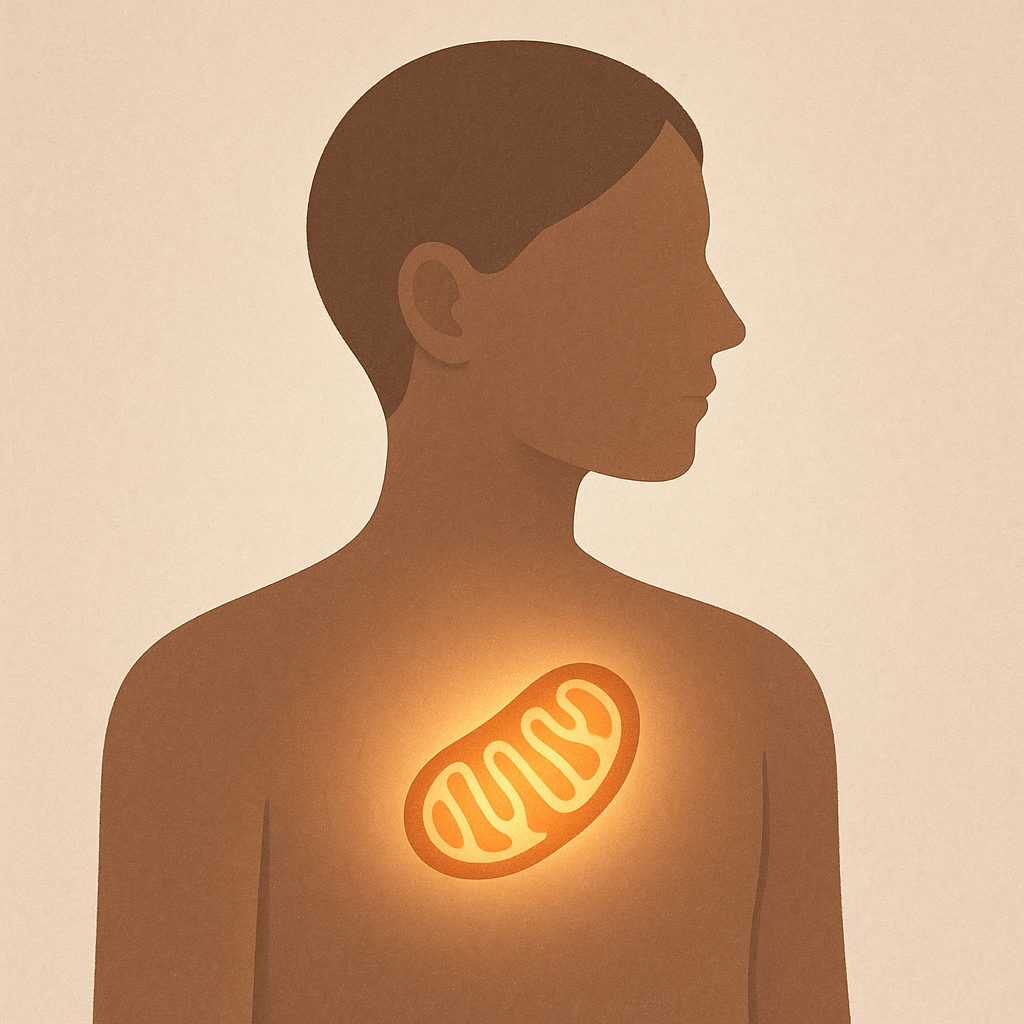
Anti-inflammatory recovery involves the use of various strategies and practices aimed at reducing inflammation within the body, which is often linked to chronic diseases and conditions. This approach focuses on enhancing the body’s natural healing processes and promoting overall health by targeting inflammation at its source. Inflammation is the body’s response to injury or infection, but when it becomes chronic, it can lead to serious health issues, including autoimmune disorders, heart disease, and metabolic syndrome.
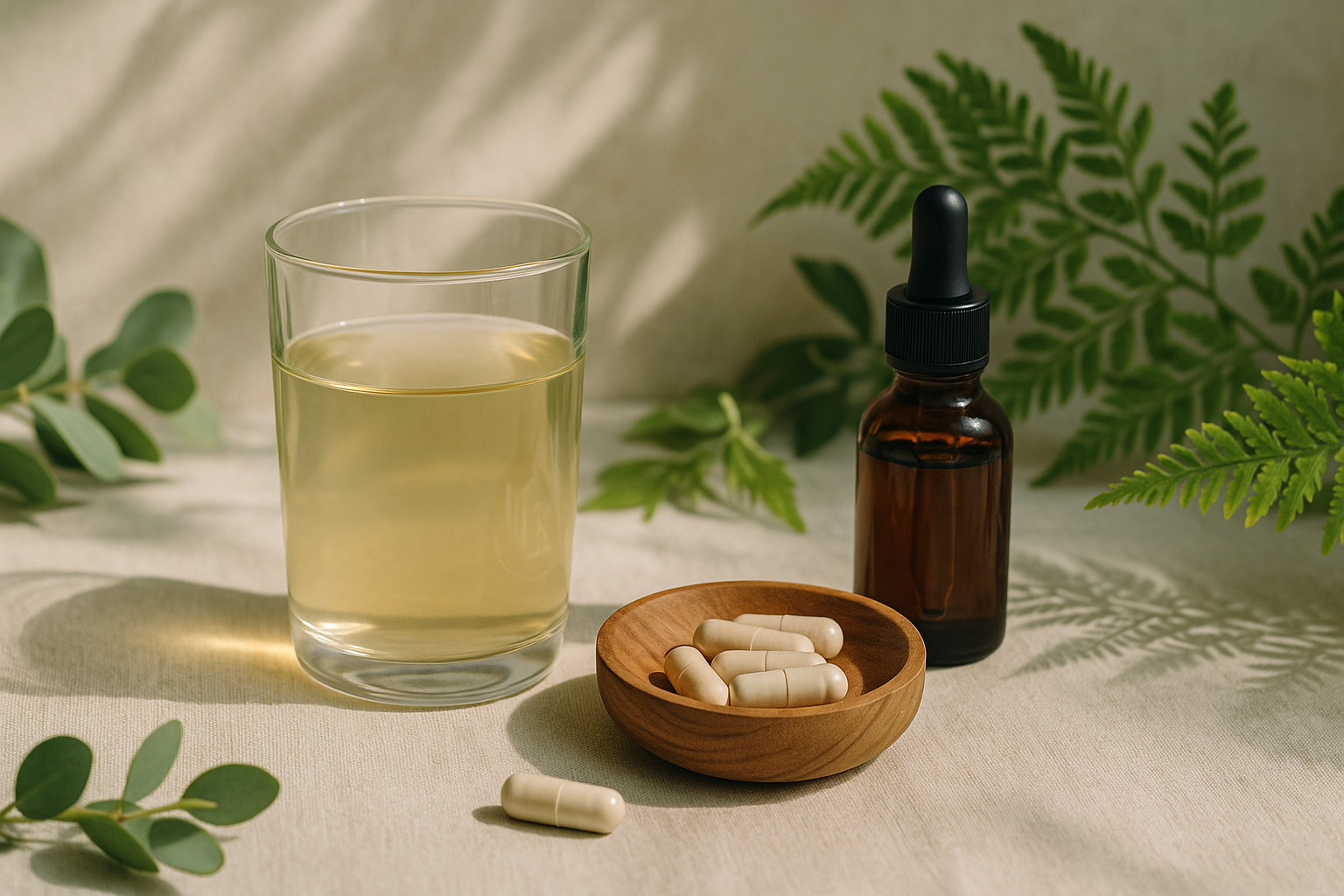
Incorporating anti-inflammatory practices into one’s lifestyle can support recovery from injuries and chronic conditions, helping to restore balance in the body. These practices often include dietary modifications, physical activity, stress management, and the use of supplements or herbs known for their anti-inflammatory properties.
Mechanism / How It Works
The mechanisms behind anti-inflammatory recovery primarily revolve around the body’s immune response and the balance of pro-inflammatory and anti-inflammatory substances. When the body experiences injury or infection, it produces inflammatory cytokines to initiate healing. However, chronic inflammation can result from an overactive immune response, leading to further tissue damage and health complications.
By incorporating anti-inflammatory strategies, individuals can help modulate this immune response. For instance, certain foods rich in omega-3 fatty acids, antioxidants, and phytochemicals can reduce the production of inflammatory cytokines. Additionally, practices such as regular exercise and mindfulness can lower stress hormone levels, which are known to contribute to inflammation.
Evidence Summary
Research on anti-inflammatory recovery is extensive but varies in terms of evidence strength. Preliminary studies suggest that diet plays a vital role in managing inflammation, with Mediterranean-style diets being associated with lower levels of inflammatory markers. Clinical trials have shown that regular physical activity can decrease inflammatory markers such as C-reactive protein (CRP) and interleukin-6 (IL-6).
However, conflicting evidence exists regarding the efficacy of specific supplements and herbs. While some studies support the anti-inflammatory effects of turmeric and ginger, others find little to no benefit. Thus, while the foundational practices of anti-inflammatory recovery are supported by a significant body of research, more robust clinical trials are needed to establish definitive guidelines for supplementation and individual protocols.
Practical Application
Integrating anti-inflammatory recovery into daily life can be achieved through several practical applications:
- Dietary Changes: Incorporate anti-inflammatory foods such as fatty fish, leafy greens, nuts, seeds, and berries while reducing processed foods, sugars, and trans fats.
- Regular Exercise: Aim for at least 150 minutes of moderate aerobic activity each week, along with strength training exercises.
- Mindfulness Practices: Engage in activities such as yoga, meditation, or deep-breathing exercises to manage stress effectively.
- Hydration: Ensure adequate water intake to support overall bodily functions.
Common pitfalls include relying solely on supplements without dietary changes, neglecting physical activity, or becoming discouraged by slow progress. It’s essential to approach recovery holistically and be patient with the process.
Relevant Biomarkers & Tracking
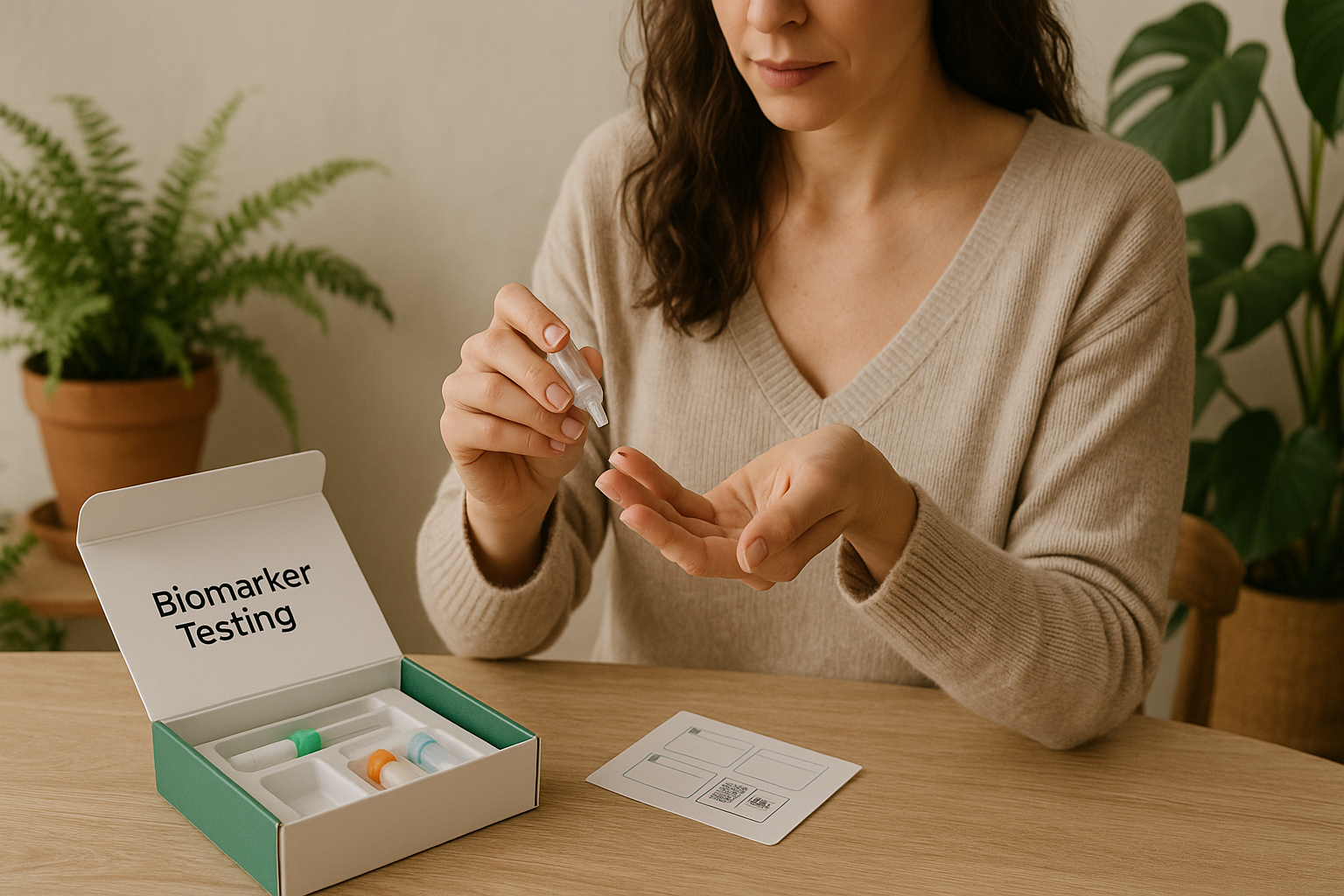
To monitor the effectiveness of anti-inflammatory recovery, individuals can track various biomarkers, including:
- C-Reactive Protein (CRP): A marker of inflammation that can be measured through blood tests.
- Interleukin-6 (IL-6): A cytokine involved in inflammation that can also be assessed via blood tests.
- Fibrinogen: A protein that can indicate inflammation; higher levels may signify ongoing inflammatory processes.
- Dietary Intake Assessments: Keeping a food diary can help identify inflammatory foods and assess overall dietary patterns.
Regular check-ins with healthcare providers can provide additional insights and help adjust recovery protocols as needed.
Body Systems Supported
Anti-inflammatory recovery supports several body systems, including:
- Immune System: By reducing inflammation, overall immune function can improve.
- Cardiovascular System: Lowering inflammation can help reduce the risk of heart disease and improve heart health.
- Musculoskeletal System: Anti-inflammatory strategies can aid in recovery from injuries and reduce pain and stiffness in joints.
- Endocrine System: Managing inflammation can help balance hormones and improve metabolic health.
Common Goals
Individuals pursuing anti-inflammatory recovery often have specific goals, such as:
- Reducing Chronic Pain: Alleviating pain associated with inflammatory conditions.
- Improving Energy Levels: Enhancing overall vitality by reducing fatigue linked to inflammation.
- Enhancing Recovery: Supporting faster recovery from injuries and surgeries.
- Promoting Longevity: Reducing the risk of chronic diseases associated with chronic inflammation.
Safety, Contraindications & Edge Cases
While anti-inflammatory recovery is generally safe for most individuals, some considerations should be noted:
- Allergies: Be mindful of potential allergies or intolerances to certain foods or supplements.
- Medication Interactions: Consult with a healthcare provider, especially if taking anti-inflammatory medications or other prescriptions.
- Chronic Conditions: Individuals with specific health conditions should seek personalized guidance to avoid adverse effects.
Pairs Well With
Anti-inflammatory recovery practices pair well with various ancient and natural counterparts, including:
- Traditional Chinese Medicine: Techniques such as acupuncture can complement anti-inflammatory efforts.
- Ayurveda: Incorporating herbal remedies and dietary practices from Ayurveda can enhance recovery.
- Mindfulness and Meditation: These practices can reduce stress, further supporting anti-inflammatory recovery.
FAQs (5)
- What are the best foods for anti-inflammatory recovery? Foods rich in omega-3 fatty acids, antioxidants, and fiber, such as fatty fish, fruits, vegetables, nuts, and whole grains, are recommended.
- How long does it take to see results from anti-inflammatory practices? Results can vary; some individuals may notice improvements within a few weeks, while others may take longer.
- Can I still eat processed foods? While occasional processed foods are fine, minimizing them is crucial to reduce overall inflammation.
- Are supplements necessary for anti-inflammatory recovery? Supplements can be beneficial, but a well-balanced diet should be the primary focus.
- Should I consult a healthcare provider before starting an anti-inflammatory regimen? Yes, especially if you have underlying health conditions or are taking medications.
Frequently asked
What are the best foods for anti-inflammatory recovery?
Foods rich in omega-3 fatty acids, antioxidants, and fiber, such as fatty fish, fruits, vegetables, nuts, and whole grains, are recommended.
How long does it take to see results from anti-inflammatory practices?
Results can vary; some individuals may notice improvements within a few weeks, while others may take longer.
Can I still eat processed foods?
While occasional processed foods are fine, minimizing them is crucial to reduce overall inflammation.
Are supplements necessary for anti-inflammatory recovery?
Supplements can be beneficial, but a well-balanced diet should be the primary focus.
Should I consult a healthcare provider before starting an anti-inflammatory regimen?
Yes, especially if you have underlying health conditions or are taking medications.