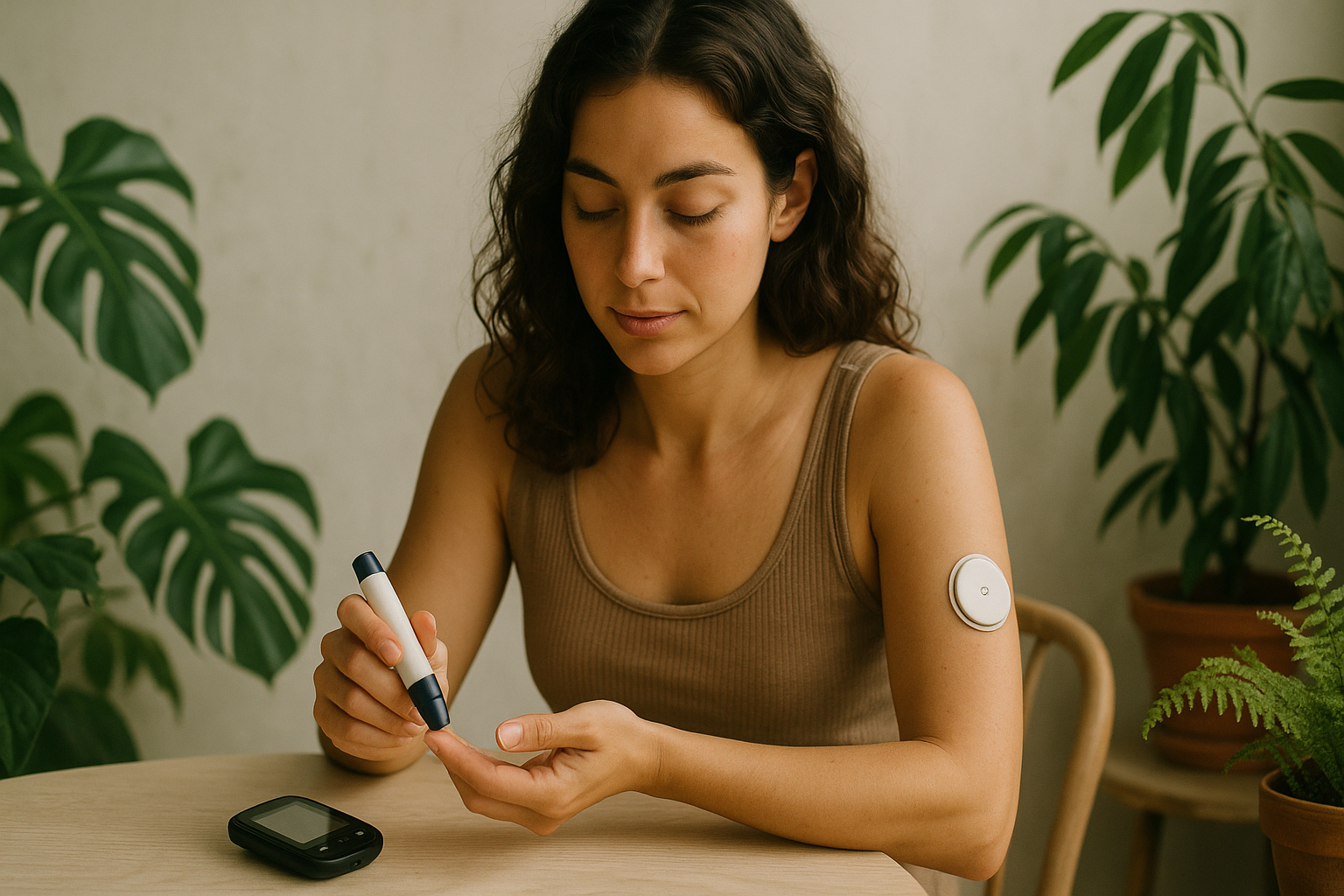
Cellular Repair
Dive into cellular repair's role in modern wellness, its mechanisms, evidence, practical applications, and safety considerations for holistic health.

Explore the world of cellular repair within regenerative and cellular wellness. Discover how cellular repair mechanisms work, the evidence behind them, practical applications, and safety considerations.
What It Is
Cellular repair refers to the processes by which cells detect and correct damage to their structures and functions. This biological phenomenon is crucial for maintaining cellular integrity and overall health, allowing the body to recover from injuries, diseases, and the aging process. Cellular repair mechanisms are fundamental to the field of regenerative medicine, which seeks to harness the body’s natural healing capabilities.
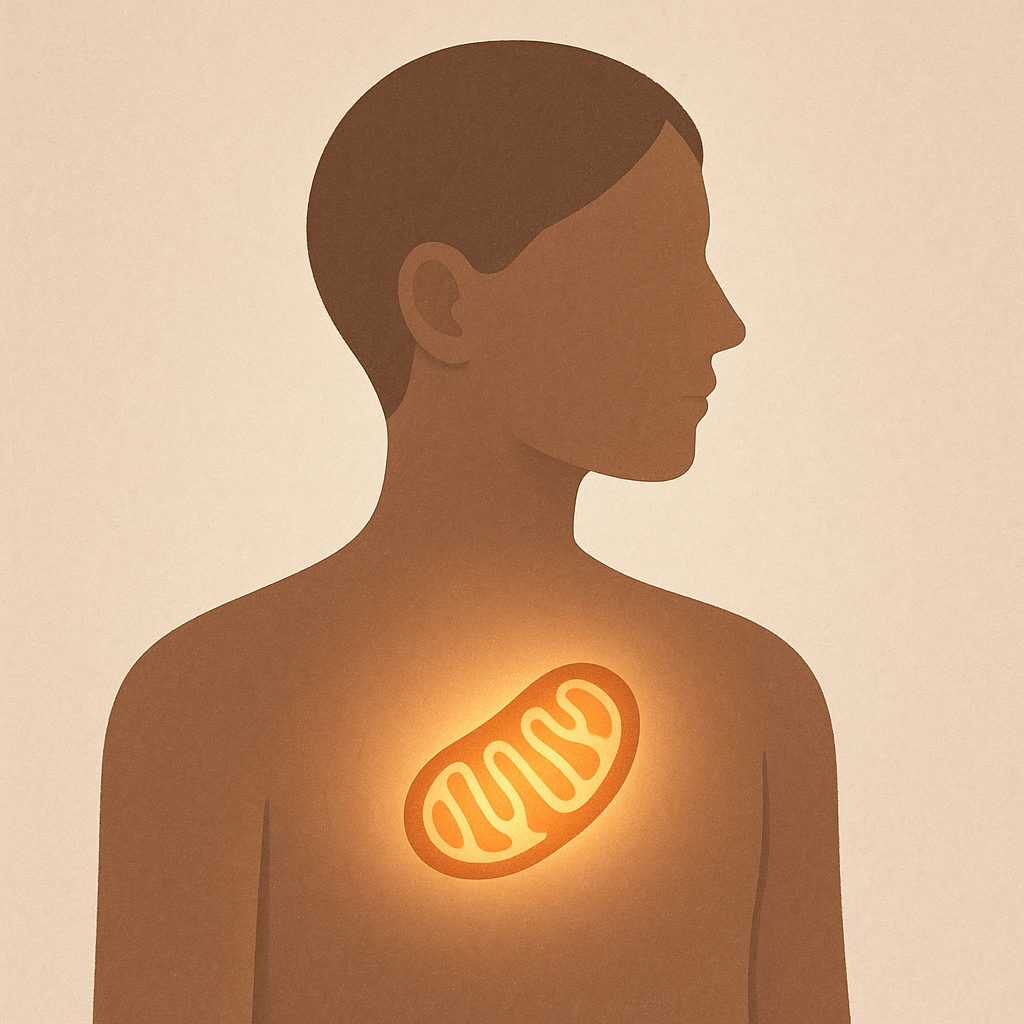
At the core of cellular repair are various pathways and systems, including DNA repair, protein turnover, and cellular regeneration. These processes work collaboratively to restore function, prevent cell death, and promote tissue healing. The significance of cellular repair extends beyond individual cells; it is essential for the health of entire organs and systems within the body.
Mechanism / How It Works
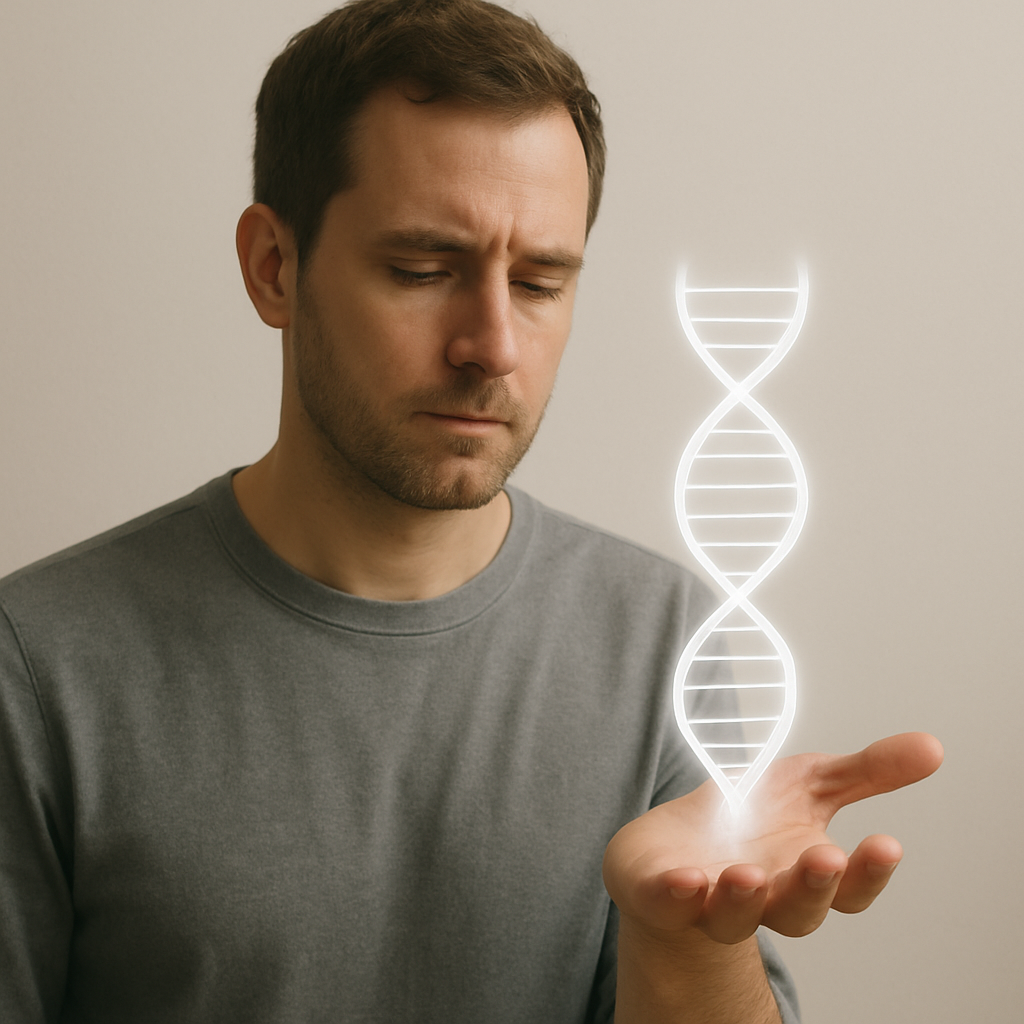
Cellular repair mechanisms involve a variety of biological processes. One primary mechanism is DNA repair, which is essential for correcting mutations that could lead to cancer or other diseases. Cells utilize several pathways for DNA repair, including base excision repair, nucleotide excision repair, and homologous recombination.
In addition to DNA repair, cells also engage in protein repair and degradation processes. Proteins that become misfolded or damaged are refolded or degraded through the proteasome or autophagy pathways. These systems ensure that proteins maintain their functional integrity, which is vital for cellular health.
Moreover, cellular repair is influenced by various external factors, such as nutrition, lifestyle choices, and environmental exposures. These factors can enhance or hinder the body’s ability to repair itself, thus impacting overall health and longevity.
Evidence Summary
The scientific understanding of cellular repair is still evolving. Preliminary studies have demonstrated the potential benefits of enhancing cellular repair mechanisms through various interventions, including nutrition, exercise, and certain supplements. For example, antioxidants like vitamins C and E have been shown to support cellular repair by neutralizing free radicals and reducing oxidative stress.
Clinical evidence supporting specific cellular repair interventions, such as stem cell therapy and gene editing techniques, is promising but not yet conclusive. While some therapies show significant potential in healing and regeneration, others may present conflicting results, emphasizing the need for further research.
Practical Application
Integrating cellular repair strategies into daily life can be approached through several avenues:
- Nutrition: Emphasizing a diet rich in antioxidants, vitamins, and minerals can support cellular health. Foods such as berries, leafy greens, nuts, and seeds are particularly beneficial.
- Exercise: Regular physical activity has been shown to enhance cellular repair processes by reducing inflammation and promoting circulation.
- Stress Management: Practices such as meditation, yoga, and mindfulness can help reduce oxidative stress, thereby supporting cellular repair mechanisms.
- Sleep: Prioritizing quality sleep is essential, as restorative sleep plays a critical role in cellular repair and regeneration.
Common pitfalls include neglecting nutrition, leading a sedentary lifestyle, and failing to manage stress effectively. It is crucial to approach these strategies holistically and consistently for optimal results.
Relevant Biomarkers & Tracking
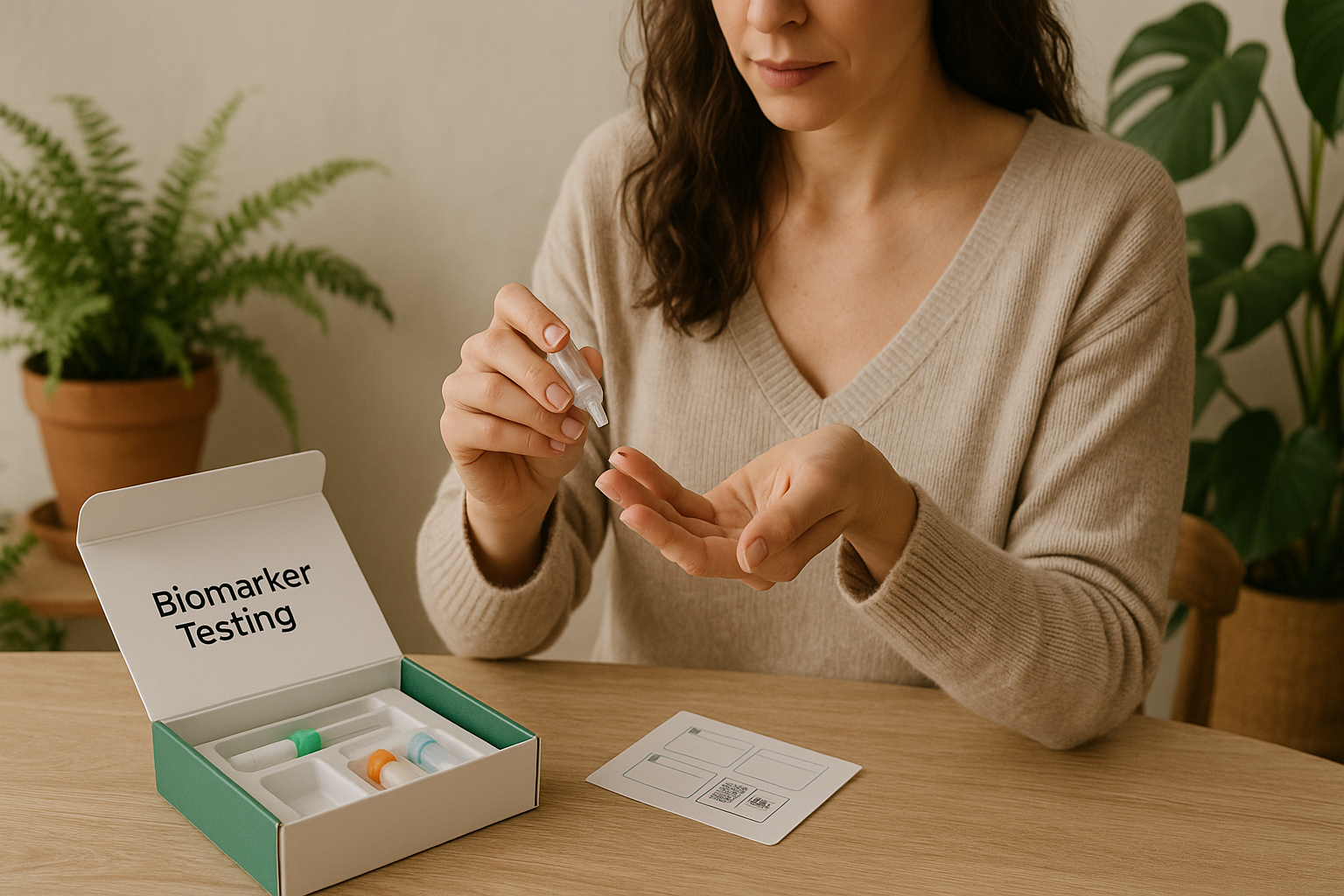
Tracking specific biomarkers can provide insights into cellular repair processes. Important biomarkers to monitor include:
- Oxidative Stress Markers: Measuring levels of reactive oxygen species (ROS) and antioxidants can indicate the balance between oxidative stress and cellular repair.
- Inflammatory Markers: Elevated levels of cytokines can indicate inflammation that may hinder cellular repair.
- DNA Damage Markers: Assessing DNA damage can provide insights into the effectiveness of cellular repair mechanisms.
- Cellualr Senescence Markers: Identifying markers associated with aging cells can help determine the efficiency of repair processes.
Body Systems Supported
Cellular repair mechanisms support various body systems, including:
- Immune System: Enhanced cellular repair promotes a robust immune response and recovery from infections.
- Nervous System: Repair mechanisms are critical for neuronal health and regeneration following injury.
- Musculoskeletal System: Cellular repair helps in healing injuries, strains, and fractures.
- Cardiovascular System: Healthy cellular repair processes can prevent cardiovascular diseases and promote heart health.
Common Goals
Individuals seeking to enhance cellular repair often have common goals, including:
- Improving Recovery: Enhancing the body’s ability to recover from injuries and surgeries.
- Reducing Inflammation: Managing chronic inflammation to support overall health.
- Slowing Aging Processes: Promoting longevity and vitality through cellular health.
- Enhancing Athletic Performance: Supporting muscle recovery and performance through cellular repair strategies.
Safety, Contraindications & Edge Cases
While many strategies for enhancing cellular repair are generally safe, certain considerations are essential:
- Supplements: Always consult a healthcare professional before starting any new supplementation, especially for individuals on medications or with underlying health conditions.
- Exercise: Overtraining can lead to injury and impede recovery; balance is key.
- Dietary Restrictions: Ensure that any dietary changes meet your nutritional needs and do not lead to deficiencies.
In some edge cases, such as certain genetic disorders, cellular repair mechanisms may be impaired, necessitating specialized interventions.
Pairs Well With
Cellular repair strategies can be complemented by ancient or natural wellness practices, such as:
- Herbal Medicine: Adaptogens like ashwagandha and rhodiola may enhance resilience and support cellular health.
- Traditional Chinese Medicine: Practices like acupuncture and herbal remedies can promote energy flow and enhance healing.
- Aromatherapy: Essential oils such as lavender and frankincense may reduce stress and promote relaxation, supporting overall cellular function.
FAQs (5)
- What are the signs of impaired cellular repair? Symptoms may include chronic fatigue, delayed wound healing, and increased susceptibility to infections.
- Can diet alone improve cellular repair? While diet plays a crucial role, a holistic approach that includes exercise and stress management is essential for optimal cellular repair.
- Are there specific supplements that promote cellular repair? Antioxidants, omega-3 fatty acids, and certain vitamins may support cellular repair, but it's important to consult a healthcare provider.
- How does aging affect cellular repair? Aging can lead to a decline in the efficiency of cellular repair mechanisms, increasing the risk of age-related diseases.
- Can cellular repair be enhanced through lifestyle changes? Yes, adopting a healthy lifestyle that includes balanced nutrition, regular exercise, and stress management can significantly enhance cellular repair processes.
Frequently asked
What are the signs of impaired cellular repair?
Symptoms may include chronic fatigue, delayed wound healing, and increased susceptibility to infections.
Can diet alone improve cellular repair?
While diet plays a crucial role, a holistic approach that includes exercise and stress management is essential for optimal cellular repair.
Are there specific supplements that promote cellular repair?
Antioxidants, omega-3 fatty acids, and certain vitamins may support cellular repair, but it's important to consult a healthcare provider.
How does aging affect cellular repair?
Aging can lead to a decline in the efficiency of cellular repair mechanisms, increasing the risk of age-related diseases.
Can cellular repair be enhanced through lifestyle changes?
Yes, adopting a healthy lifestyle that includes balanced nutrition, regular exercise, and stress management can significantly enhance cellular repair processes.