Tissue Recovery
Explore tissue recovery in regenerative wellness, its mechanisms, evidence, practical applications, and more.

This comprehensive guide on tissue recovery within the realm of regenerative and cellular wellness explores its definition, mechanisms, evidence, practical applications, and more, providing insights into how it can support overall health and recovery.
What It Is
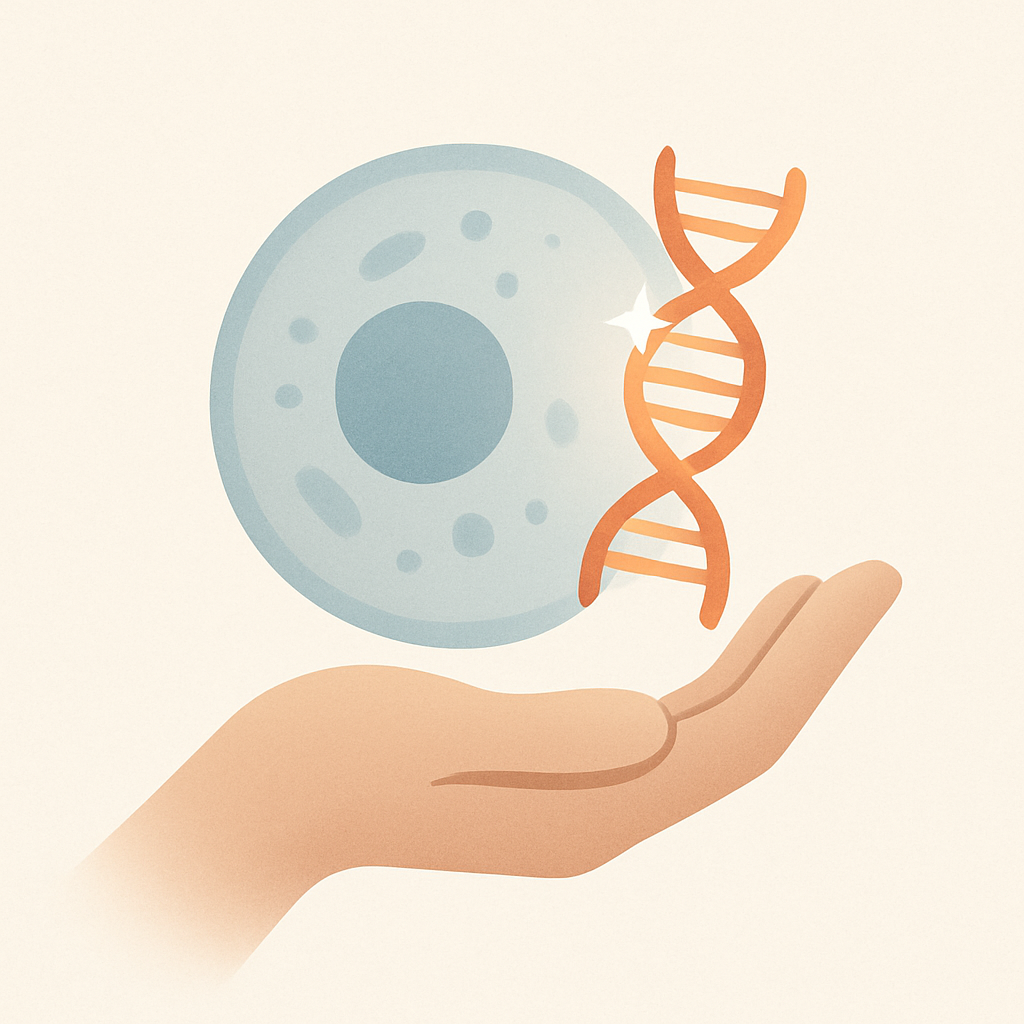
Tissue recovery refers to the processes and techniques aimed at repairing and regenerating damaged tissues in the body. This concept falls within the broader category of regenerative medicine, which focuses on harnessing the body's natural healing capabilities to restore function and improve overall health. Tissue recovery often involves the use of various therapies, including cellular treatments, growth factors, and lifestyle modifications that promote healing.
In essence, tissue recovery seeks to address injuries or degenerative conditions that compromise the integrity of bodily tissues, such as muscles, tendons, cartilage, and skin. By stimulating the body's innate repair mechanisms, individuals can potentially enhance recovery times, improve mobility, and restore quality of life after injuries or surgeries.
Mechanism / How It Works
The mechanisms behind tissue recovery involve a variety of biological processes. At the cellular level, tissue repair begins with inflammation, which is a critical first step in the healing process. During inflammation, immune cells are recruited to the site of injury, helping to clear away damaged cells and pathogens. Following this initial response, various growth factors and signaling molecules promote the proliferation of new cells and the formation of extracellular matrix, which provides structural support to the new tissue.
Several therapies can enhance these biological processes. For instance, stem cell therapy aims to introduce stem cells that can differentiate into the necessary cell types to replace damaged tissues. Additionally, platelet-rich plasma (PRP) therapy leverages growth factors derived from the patient’s own blood to accelerate healing. Other methods, including physical therapy and nutritional support, also play vital roles in facilitating optimal recovery.
Evidence Summary
The evidence surrounding tissue recovery is growing but remains varied. Preliminary studies suggest that therapies such as stem cell injections and PRP may accelerate healing in certain conditions, including tendon injuries and osteoarthritis. Clinical trials have begun to validate these findings, showing positive outcomes in pain reduction and functional improvement.
However, conflicting results exist, particularly regarding the long-term effectiveness of these therapies. Some studies report minimal benefits, while others demonstrate significant improvements. It is crucial to approach tissue recovery treatments with a critical eye, considering both the promising data and the limitations of current research.
Practical Application
- Consultation with Professionals: Work with healthcare providers specializing in regenerative medicine to assess individual needs.
- Therapeutic Protocols: Consider treatments like PRP or stem cell therapy based on professional guidance.
- Physical Therapy: Engage in tailored rehabilitation programs to promote mobility and strength.
- Nutritional Support: Incorporate foods rich in vitamins and minerals that support healing, such as omega-3 fatty acids, antioxidants, and protein.
Common pitfalls include neglecting the importance of rest and recovery, as overexertion can hinder progress. It is also important to maintain realistic expectations regarding treatment outcomes.
Relevant Biomarkers & Tracking
Tracking progress in tissue recovery can involve several biomarkers and indicators, including:
- Inflammatory Markers: Levels of cytokines and other inflammatory substances can indicate the healing status.
- Growth Factors: Monitoring levels of specific growth factors can help assess the effectiveness of regenerative treatments.
- Functional Assessments: Regular evaluations of mobility, strength, and pain levels provide insights into recovery progress.
Regular follow-ups with healthcare providers can help in making necessary adjustments to treatment plans.
Body Systems Supported
Tissue recovery supports multiple body systems, including:
- Musculoskeletal System: Enhances healing of bones, muscles, tendons, and ligaments.
- Integumentary System: Aids in the repair of skin injuries and scars.
- Immune System: Supports the immune response necessary for tissue repair.
Common Goals
When pursuing tissue recovery, individuals often have common goals such as:
- Enhanced Healing: Accelerating the recovery process after injury or surgery.
- Pain Relief: Reducing discomfort associated with damaged tissues.
- Restoration of Function: Regaining strength, mobility, and overall functionality.
- Prevention of Further Injury: Implementing strategies to avoid re-injury and promote long-term health.
Safety, Contraindications & Edge Cases
While tissue recovery techniques are generally considered safe, certain contraindications may apply. Individuals with specific medical conditions, such as active infections, certain cancers, or blood disorders, may not be suitable candidates for regenerative therapies.
Additionally, those who are pregnant or have certain allergies should consult healthcare professionals before undergoing treatment. It is essential to discuss medical history and any potential risks with a qualified provider to ensure safety.
Pairs Well With
Tissue recovery can be complemented by various ancient and natural wellness practices, including:
- Acupuncture: This traditional Chinese medicine technique can help manage pain and support healing.
- Herbal Remedies: Some herbs, like turmeric and ginger, possess anti-inflammatory properties that may enhance recovery.
- Mindfulness Practices: Techniques such as meditation and yoga can improve mental well-being and support the healing process.
FAQs (5)
- What types of injuries can benefit from tissue recovery?
Tissue recovery can be beneficial for a range of injuries, including tendonitis, ligament sprains, and muscle tears. - How long does it take to see results from tissue recovery treatments?
Results can vary depending on the type of treatment and individual factors, but many people may see improvements within weeks to months. - Are there any side effects associated with regenerative therapies?
Most regenerative therapies have minimal side effects, but some individuals may experience temporary pain or swelling at the injection site. - Can lifestyle changes enhance tissue recovery?
Yes, incorporating a balanced diet, regular exercise, and stress management techniques can significantly improve healing and recovery outcomes. - Is tissue recovery only for athletes?
No, tissue recovery techniques can benefit anyone experiencing tissue damage or seeking to improve overall health and mobility.
Frequently asked
What types of injuries can benefit from tissue recovery?
Tissue recovery can be beneficial for a range of injuries, including tendonitis, ligament sprains, and muscle tears.
How long does it take to see results from tissue recovery treatments?
Results can vary depending on the type of treatment and individual factors, but many people may see improvements within weeks to months.
Are there any side effects associated with regenerative therapies?
Most regenerative therapies have minimal side effects, but some individuals may experience temporary pain or swelling at the injection site.
Can lifestyle changes enhance tissue recovery?
Yes, incorporating a balanced diet, regular exercise, and stress management techniques can significantly improve healing and recovery outcomes.
Is tissue recovery only for athletes?
No, tissue recovery techniques can benefit anyone experiencing tissue damage or seeking to improve overall health and mobility.