Cellular Nutrition
Discover the essentials of Cellular Nutrition and its role in modern wellness strategies.

Explore the concept of Cellular Nutrition, its mechanisms, evidence, practical application, and more in the context of Regenerative & Cellular Wellness.
What It Is
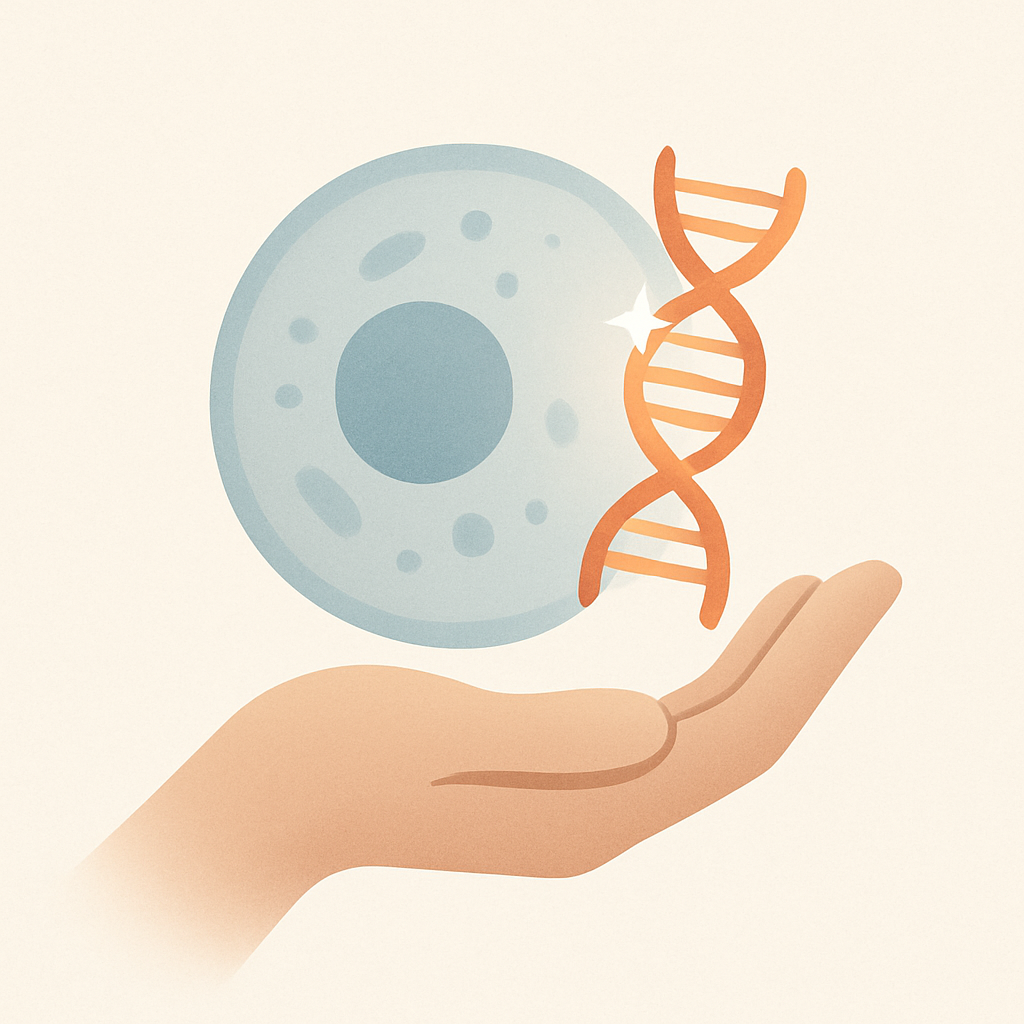
Cellular Nutrition is a holistic approach aimed at optimizing cellular health and function through the provision of essential nutrients. This concept is grounded in the understanding that the body's overall health starts at the cellular level. By ensuring that cells receive the right combination of vitamins, minerals, amino acids, fatty acids, and phytonutrients, Cellular Nutrition seeks to support various bodily functions, enhance energy levels, and promote longevity.
At the core of Cellular Nutrition is the idea that the quality and balance of nutrients can significantly influence cellular processes such as metabolism, repair, and regeneration. As cells are the fundamental units of life, their health is crucial for maintaining energy levels, immunity, and overall well-being. The approach emphasizes not just the quantity of nutrients consumed, but also their bioavailability and the synergistic effects they have when combined.
Mechanism / How It Works
The mechanisms of Cellular Nutrition revolve around the intake and utilization of nutrients at the cellular level. When nutrients are consumed, they are broken down in the digestive system and absorbed into the bloodstream. From there, they are transported to cells throughout the body. Once inside the cells, these nutrients play various roles, including energy production, cellular repair, and signaling pathways.
Key processes involved in Cellular Nutrition include:
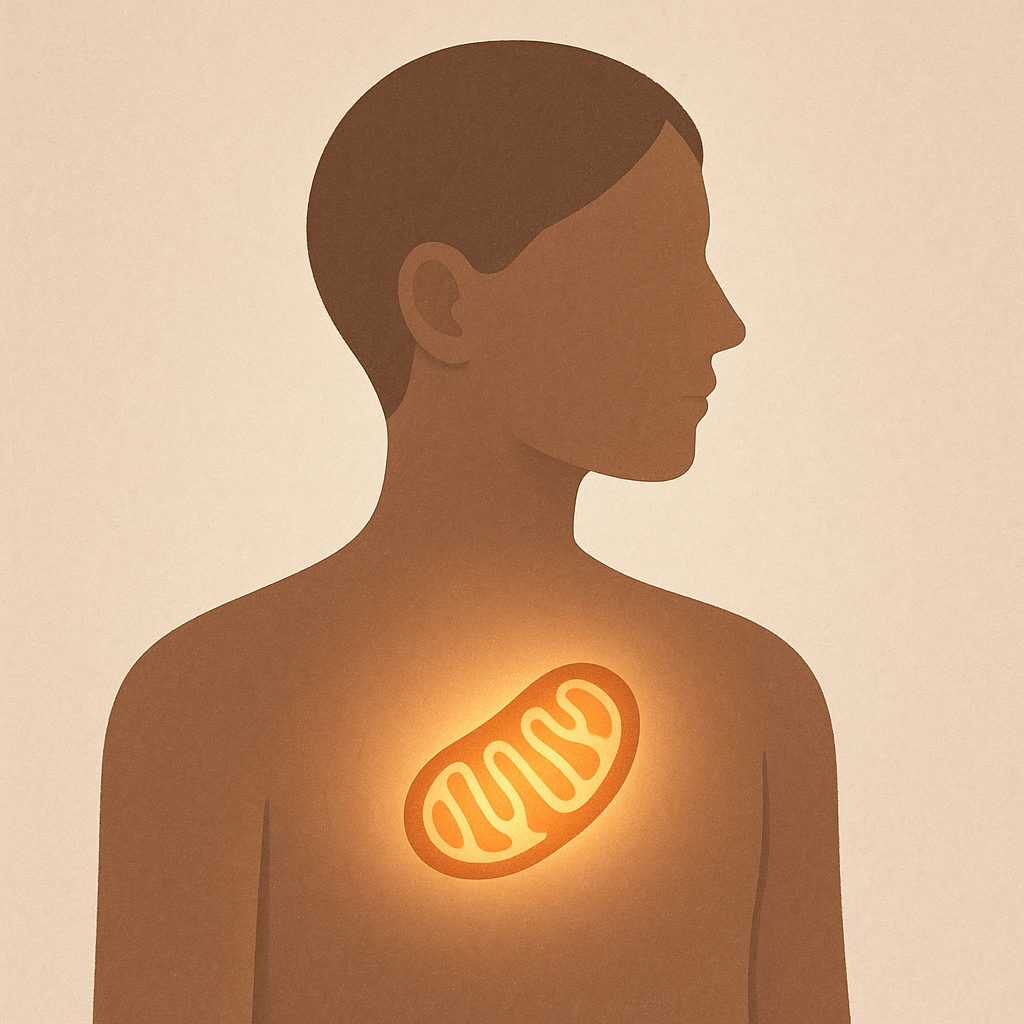
- Energy Production: Nutrients such as carbohydrates, fats, and proteins are metabolized to produce ATP (adenosine triphosphate), the energy currency of cells.
- Cell Membrane Integrity: Essential fatty acids and antioxidants help maintain the structure and function of cell membranes, facilitating communication between cells.
- Gene Expression: Certain nutrients can influence gene expression, impacting cellular functions and potentially reducing the risk of chronic diseases.
Evidence Summary
The scientific evidence supporting Cellular Nutrition is varied and still evolving. Some studies suggest that specific nutrients can positively affect cellular health and function, while others present conflicting results.
Preliminary research indicates that:
- Antioxidants, such as vitamins C and E, may protect cells from oxidative stress, which can lead to cellular aging and disease.
- Omega-3 fatty acids have been shown to support membrane integrity and reduce inflammation at the cellular level.
- Micronutrients like zinc and selenium play critical roles in immune function and cellular repair.
However, clinical trials are often limited in scope and duration, leading to inconclusive findings on the long-term benefits of specific nutrient combinations. Further research is needed to establish clear guidelines on the optimal intake of nutrients for cellular health.
Practical Application
Incorporating Cellular Nutrition into daily life can be achieved through a variety of protocols and practices:
- Balanced Diet: Focus on a diverse diet rich in whole foods, including fruits, vegetables, whole grains, lean proteins, and healthy fats.
- Supplementation: Consider high-quality supplements for specific nutrients that may be lacking in the diet, such as omega-3 fatty acids or vitamin D.
- Hydration: Ensure adequate water intake to support cellular function and nutrient transport.
- Regular Monitoring: Keep track of dietary habits and health markers to assess the impact of changes in nutrition.
Common pitfalls include over-reliance on supplements at the expense of whole foods and neglecting the importance of lifestyle factors such as stress management and physical activity.
Relevant Biomarkers & Tracking
To effectively monitor the impact of Cellular Nutrition, consider tracking the following biomarkers:
- Blood Nutrient Levels: Testing for levels of vitamins and minerals can help identify deficiencies.
- Inflammatory Markers: Assessing markers like C-reactive protein (CRP) can provide insights into cellular inflammation.
- Oxidative Stress Biomarkers: Measuring levels of oxidative stress can indicate the health of cellular processes.
Body Systems Supported
Cellular Nutrition supports various body systems by promoting optimal cellular function:
- Immune System: Adequate nutrients support immune cell function and response.
- Nervous System: Nutrients like B vitamins and omega-3s are essential for brain health and cognitive function.
- Musculoskeletal System: Vitamins and minerals are crucial for bone density and muscle recovery.
Common Goals
Individuals often seek Cellular Nutrition for various goals, including:
- Enhancing energy levels and physical performance.
- Supporting immune function and overall health.
- Improving recovery from exercise and injury.
- Promoting longevity and reducing the risk of chronic diseases.
Safety, Contraindications & Edge Cases
While Cellular Nutrition is generally safe for most individuals, some considerations should be kept in mind:
- Consult with a healthcare provider before starting any new supplementation, especially for those with existing health conditions or those taking medications.
- Over-supplementation can lead to toxicity, particularly with fat-soluble vitamins (A, D, E, K).
- Individuals with specific dietary restrictions (e.g., veganism) may need to be particularly mindful of obtaining essential nutrients from alternative sources.
Pairs Well With
Cellular Nutrition can be complemented by various ancient and natural wellness practices:
- Herbal Remedies: Many herbs, such as turmeric and ashwagandha, have been shown to support cellular health.
- Mindfulness and Stress Reduction: Practices like meditation can enhance the benefits of Cellular Nutrition by reducing stress-related cellular damage.
- Physical Activity: Regular exercise has been shown to improve nutrient utilization and support cellular function.
FAQs (5)
- What are the key nutrients for Cellular Nutrition? Essential vitamins, minerals, omega-3 fatty acids, and antioxidants are critical for supporting cellular health.
- Can I get enough nutrients from food alone? It is possible, but many individuals may benefit from targeted supplementation, especially if dietary restrictions exist.
- How can I assess my cellular health? Monitoring blood nutrient levels and inflammatory markers can provide insights into cellular health.
- Are there any risks associated with Cellular Nutrition? Over-supplementation can pose risks; it's important to consult with a healthcare provider before starting new supplements.
- How does Cellular Nutrition differ from general nutrition? Cellular Nutrition focuses specifically on the impact of nutrients at the cellular level, emphasizing bioavailability and synergy.
Frequently asked
What are the key nutrients for Cellular Nutrition?
Essential vitamins, minerals, omega-3 fatty acids, and antioxidants are critical for supporting cellular health.
Can I get enough nutrients from food alone?
It is possible, but many individuals may benefit from targeted supplementation, especially if dietary restrictions exist.
How can I assess my cellular health?
Monitoring blood nutrient levels and inflammatory markers can provide insights into cellular health.
Are there any risks associated with Cellular Nutrition?
Over-supplementation can pose risks; it's important to consult with a healthcare provider before starting new supplements.
How does Cellular Nutrition differ from general nutrition?
Cellular Nutrition focuses specifically on the impact of nutrients at the cellular level, emphasizing bioavailability and synergy.