Stem Cell Support
Discover stem cell support as a facet of regenerative wellness, exploring its mechanisms, evidence base, practical applications, and safety.

Explore the potential of stem cell support within regenerative and cellular wellness, including mechanisms, evidence, applications, and safety considerations.
What It Is
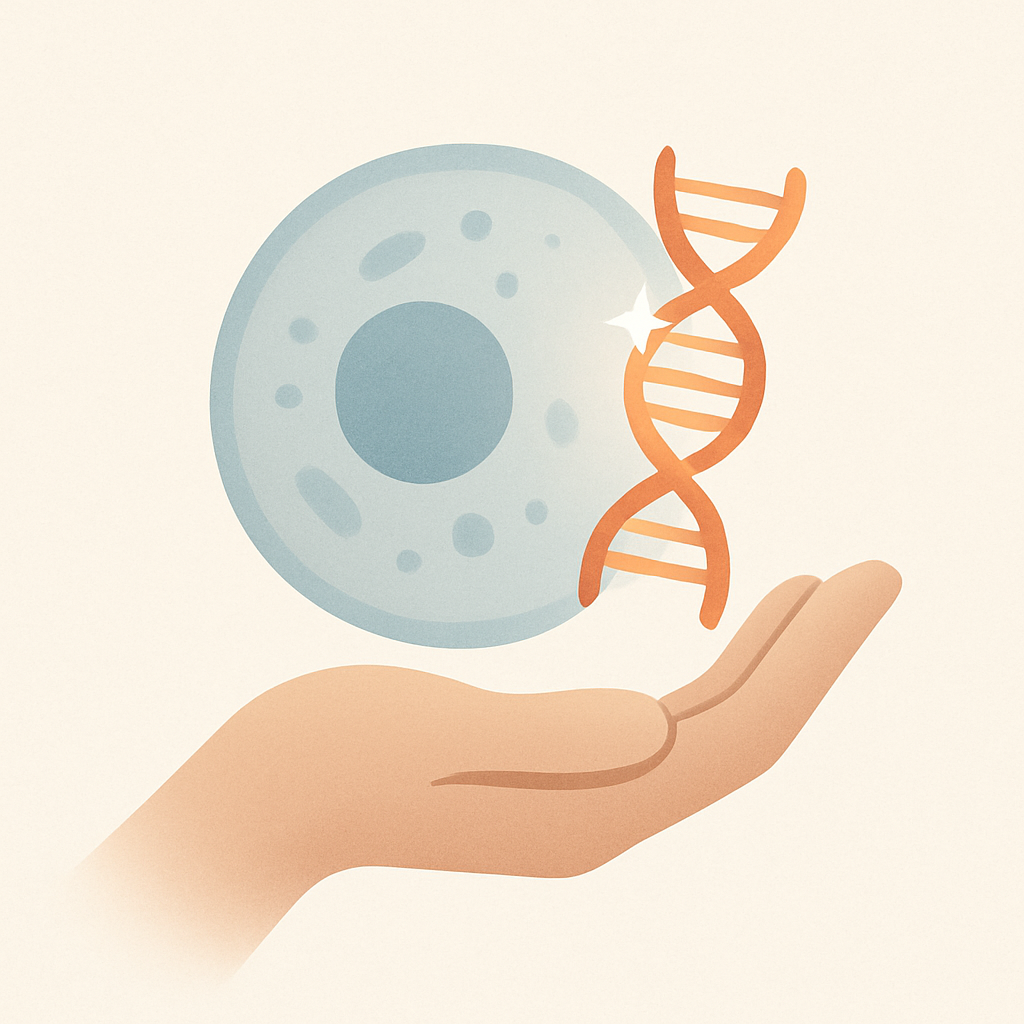
Stem cell support refers to the use of various therapies and practices aimed at enhancing the function and effectiveness of stem cells within the body. Stem cells are unique cells capable of developing into different cell types and play a crucial role in the body’s ability to repair and regenerate tissues. They are found in various locations, including bone marrow, fat tissue, and even in certain organs.
In the context of regenerative and cellular wellness, stem cell support can involve the use of supplements, therapies, and lifestyle changes designed to optimize the body’s innate stem cell production and function. This approach is gaining attention as a way to potentially bolster healing processes, improve recovery from injuries, and support overall health.
Mechanism / How It Works
The mechanisms behind stem cell support involve enhancing the body’s natural ability to produce and utilize stem cells. This can include stimulating the release of stem cells from their niches in various tissues, improving the microenvironment in which stem cells operate, and reducing inflammation that can hinder cell regeneration.
Some interventions, such as certain nutritional supplements and lifestyle practices, may promote the production of growth factors or signaling molecules that encourage stem cell activity. Additionally, techniques like exercise and healthy eating can optimize overall cellular function, creating a favorable environment for stem cells to thrive.
Evidence Summary
The evidence surrounding stem cell support is diverse and evolving. Preliminary studies suggest that certain lifestyle factors, such as exercise and dietary components, may positively influence stem cell activity. For example, research has indicated that physical activity can enhance the mobilization of stem cells into circulation, potentially aiding in tissue repair.
However, clinical evidence remains limited, and results can be conflicting. While some studies demonstrate promising outcomes, others do not show significant benefits. The field is still in its early stages, and more robust clinical trials are needed to determine the efficacy and safety of specific interventions.
Practical Application
- Nutrition: Focus on a balanced diet rich in antioxidants, healthy fats, and high-quality proteins to support overall cellular health.
- Exercise: Engage in regular physical activity, as it can enhance circulation and stimulate stem cell activity.
- Stress Management: Incorporate stress reduction techniques, such as meditation or yoga, to lower inflammation and support stem cell function.
Common pitfalls include relying solely on supplements without addressing foundational health aspects such as diet and exercise, as well as overlooking the importance of consulting with healthcare professionals before starting any new regimen.
Relevant Biomarkers & Tracking
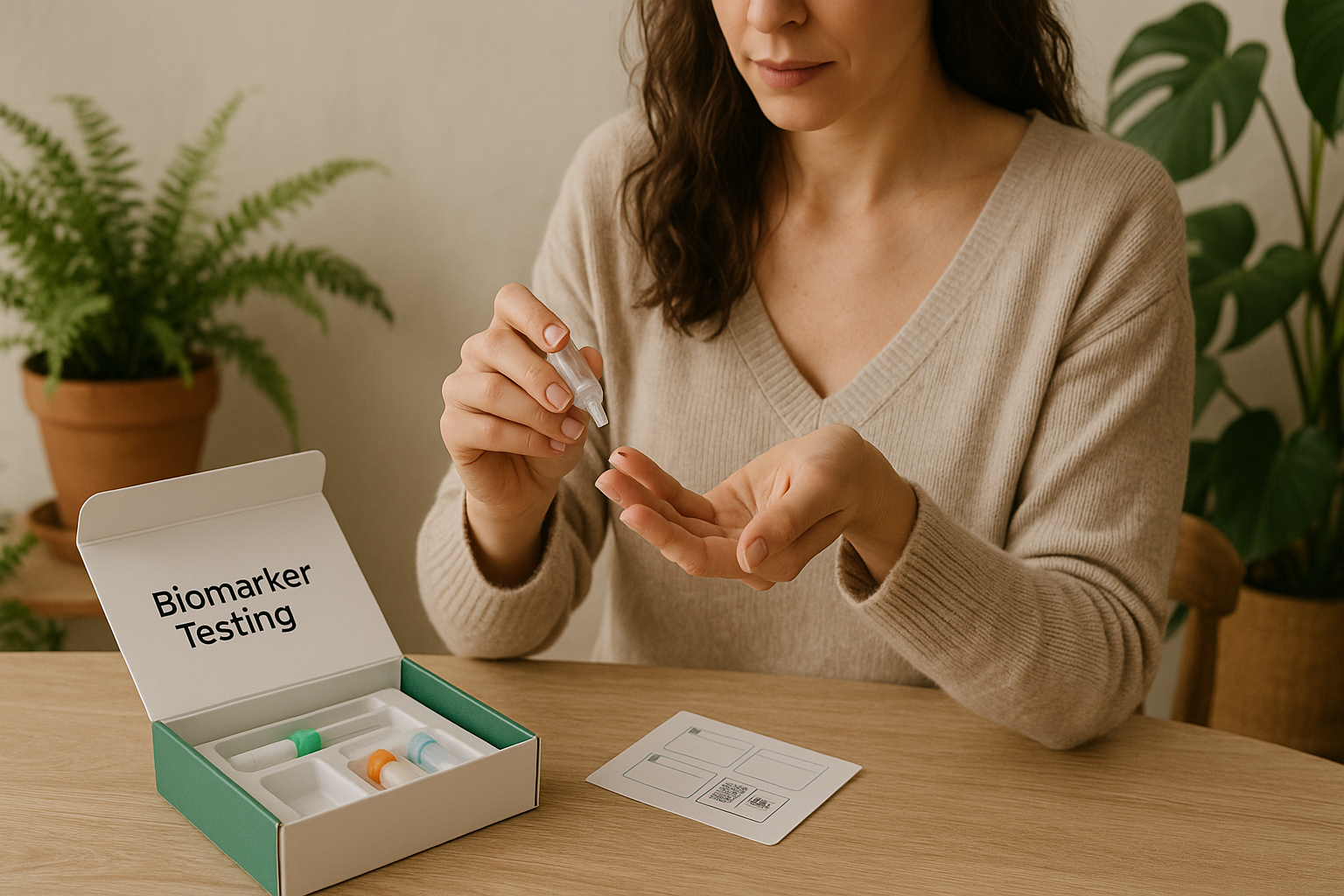
To monitor the effectiveness of stem cell support strategies, certain biomarkers may be relevant. These can include:
- Inflammatory Markers: Levels of cytokines and other inflammatory markers can provide insight into the body’s healing response.
- Stem Cell Counts: Blood tests may measure circulating stem cell populations.
- Growth Factors: Monitoring levels of growth factors like VEGF (vascular endothelial growth factor) may indicate tissue regeneration capacity.
Tracking these biomarkers can help gauge the impact of lifestyle changes and interventions on stem cell activity.
Body Systems Supported
Stem cell support can influence multiple body systems, including:
- Musculoskeletal System: Enhancing recovery from injuries and promoting tissue repair.
- Nervous System: Potentially aiding in the regeneration of nervous tissue and improving neurological health.
- Cardiovascular System: Supporting heart health and vascular repair mechanisms.
By promoting the health and function of stem cells, individuals may benefit across various systems in the body.
Common Goals
Individuals seeking stem cell support often have specific goals in mind, such as:
- Enhanced Recovery: Improving recovery from injuries or surgeries.
- Anti-Aging Effects: Slowing down the aging process at the cellular level.
- Improved Health Outcomes: Supporting overall health and wellness through cellular regeneration.
These goals highlight the potential of stem cell support in promoting regenerative health.
Safety, Contraindications & Edge Cases
While many strategies for stem cell support are generally considered safe, certain contraindications exist. Individuals with specific medical conditions, such as autoimmune diseases or cancer, should exercise caution and consult healthcare professionals before pursuing stem cell support interventions.
Additionally, the quality of supplements and therapies can vary significantly. It is important to choose reputable sources and consider potential interactions with existing medications.
Pairs Well With
Stem cell support can be enhanced through various natural and holistic practices, including:
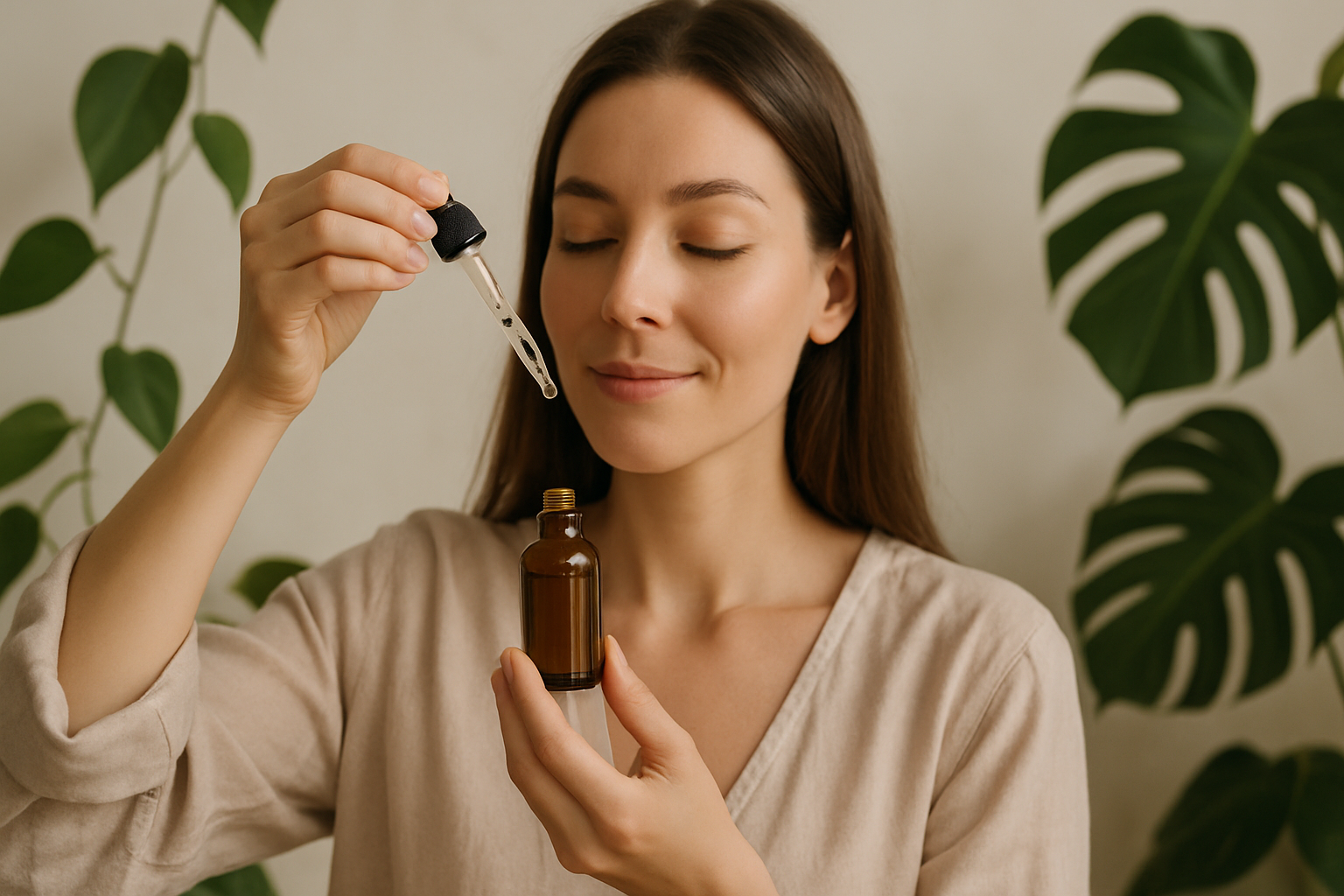
- Herbal Remedies: Certain herbs may promote cellular health and regeneration.
- Acupuncture: This traditional practice may support circulation and overall wellness.
- Mindfulness Practices: Techniques like meditation can reduce stress and promote a healing environment.
Integrating these approaches can create a comprehensive wellness strategy.
FAQs (5)
- What are stem cells? Stem cells are undifferentiated cells that can develop into various cell types and play a critical role in tissue repair and regeneration.
- How can I support my stem cells? Supporting stem cells can involve a healthy diet, regular exercise, stress management, and possibly nutritional supplements.
- Is there scientific evidence for stem cell support? Yes, there is preliminary evidence suggesting lifestyle factors can positively influence stem cell activity, though more research is needed.
- Are there any risks associated with stem cell support? Most lifestyle approaches are safe, but individuals with certain medical conditions should consult healthcare professionals before starting.
- Can stem cell support help with aging? While it may help promote cellular health, the effects of stem cell support on aging are still being studied.
Frequently asked
What are stem cells?
Stem cells are undifferentiated cells that can develop into various cell types and play a critical role in tissue repair and regeneration.
How can I support my stem cells?
Supporting stem cells can involve a healthy diet, regular exercise, stress management, and possibly nutritional supplements.
Is there scientific evidence for stem cell support?
Yes, there is preliminary evidence suggesting lifestyle factors can positively influence stem cell activity, though more research is needed.
Are there any risks associated with stem cell support?
Most lifestyle approaches are safe, but individuals with certain medical conditions should consult healthcare professionals before starting.
Can stem cell support help with aging?
While it may help promote cellular health, the effects of stem cell support on aging are still being studied.