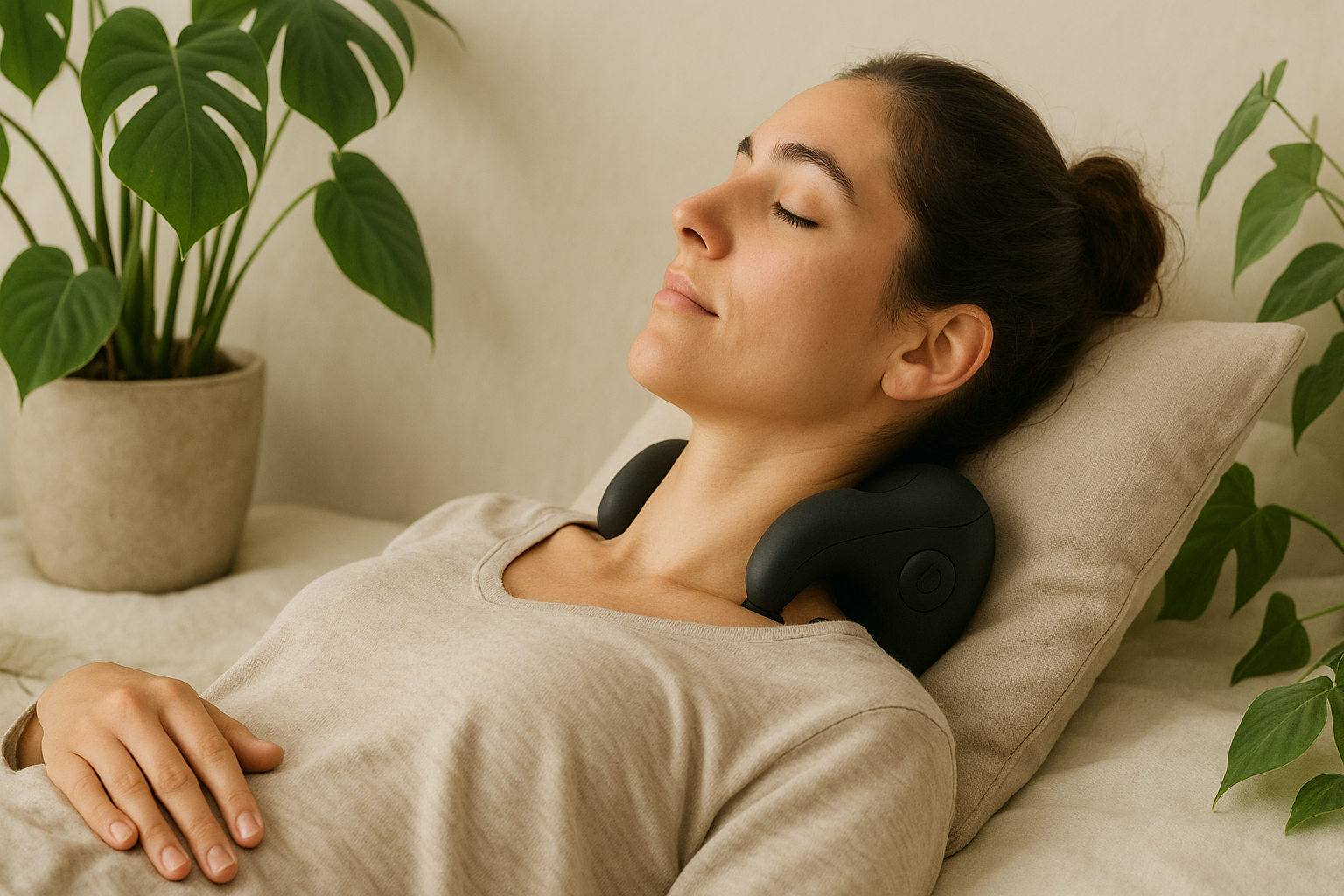
Athletic Regeneration
Explore athletic regeneration in modern wellness, including its mechanisms, evidence base, and practical applications for optimizing recovery and performance in athletes.

Athletic regeneration is a crucial aspect of modern wellness aimed at improving recovery and enhancing performance through various regenerative techniques. This page explores its definitions, mechanisms, evidence, practical applications, and more.
What It Is
Athletic regeneration refers to a collection of techniques and practices designed to enhance recovery and restore physiological function in athletes following strenuous physical activity. This concept is rooted in the understanding that recovery is not merely a passive process but an active one that can be optimized through specific interventions. By focusing on the body's natural healing and regenerative capabilities, athletes can improve their performance, reduce the risk of injury, and maintain overall health.
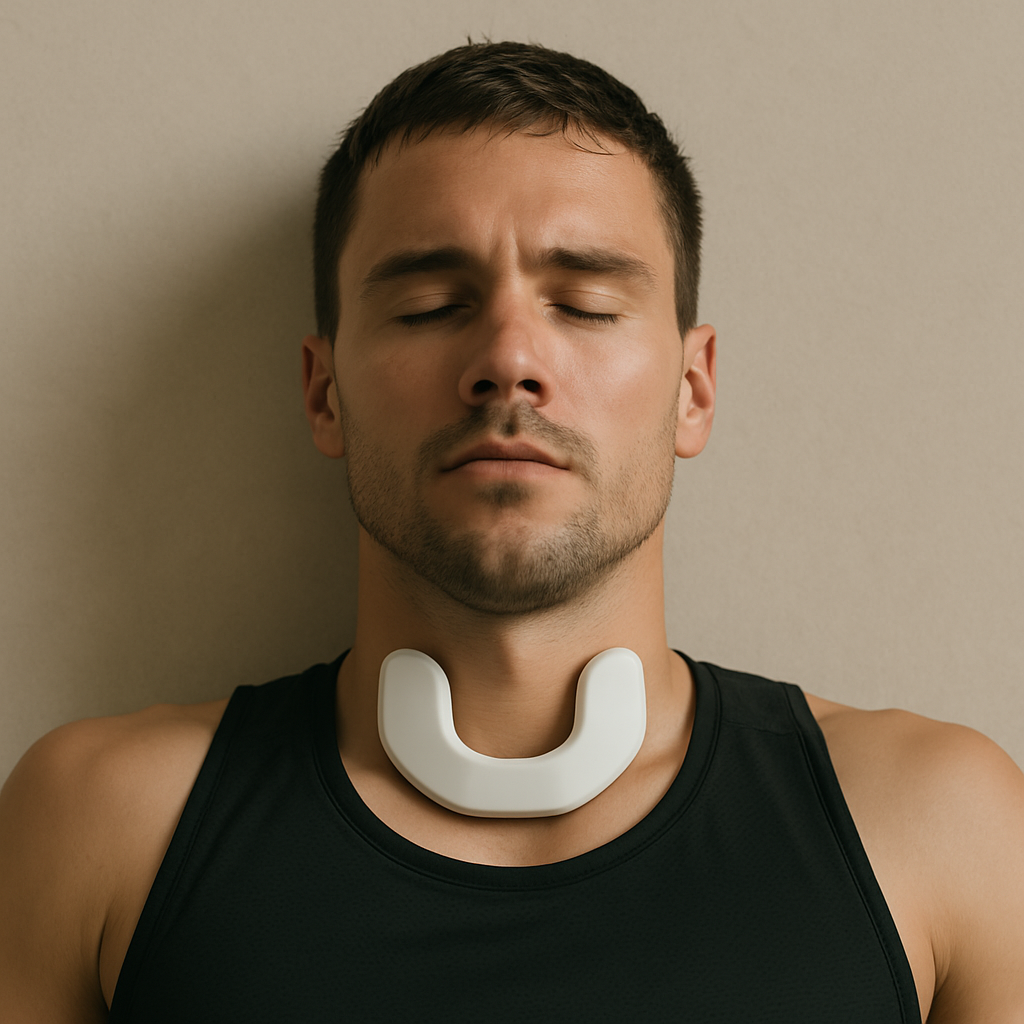
The primary goal of athletic regeneration is to facilitate the body's recovery processes through various methods, including physical therapies, nutritional strategies, and innovative technologies. Techniques such as cryotherapy, compression therapy, and massage therapy are commonly employed to expedite muscle recovery, reduce inflammation, and promote overall well-being. Understanding and implementing these strategies can significantly impact an athlete's performance and longevity in their sport.
Mechanism / How It Works
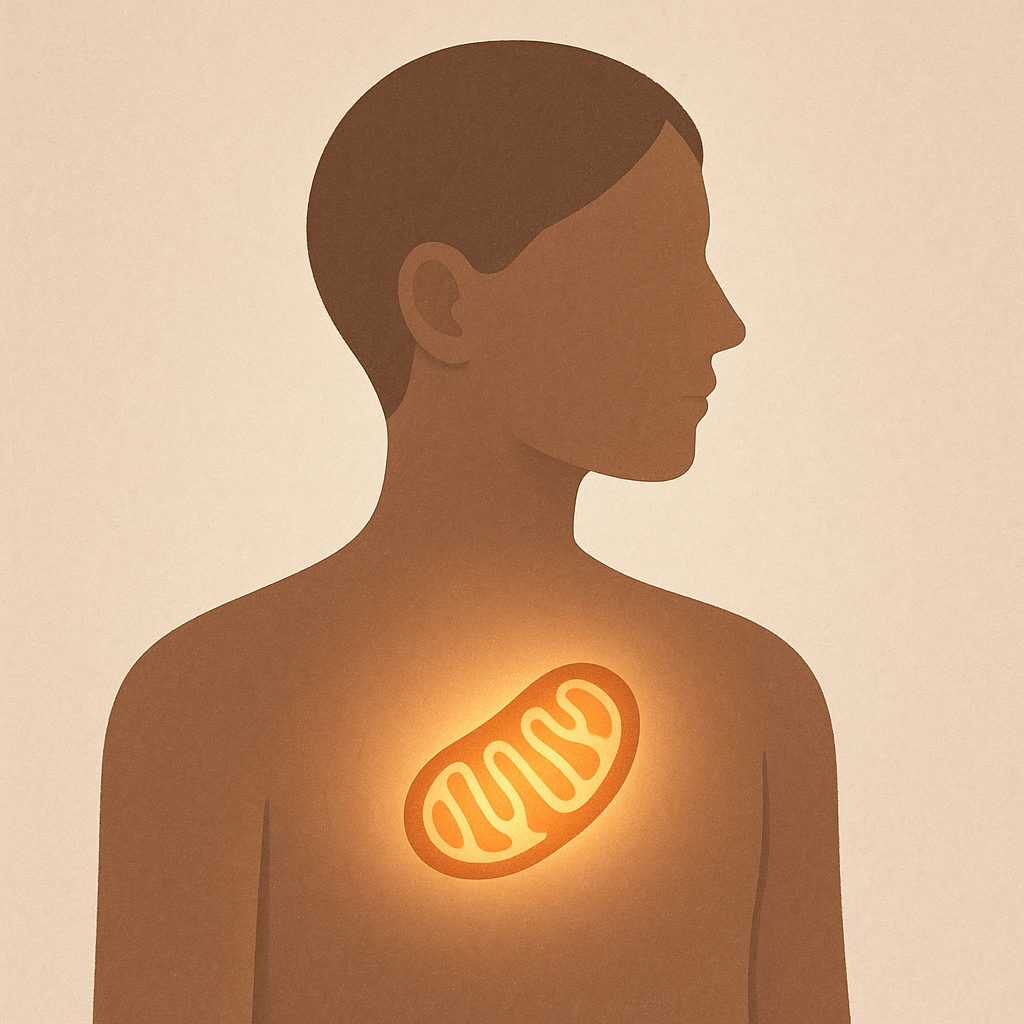
The mechanisms behind athletic regeneration are multifaceted, involving physiological, biochemical, and neurological processes that occur during recovery. When athletes engage in intense training or competition, microtraumas occur within muscle fibers, leading to soreness and inflammation. Regeneration strategies aim to mitigate these effects and facilitate healing.
For instance, cryotherapy involves exposing the body to extremely cold temperatures, which can reduce inflammation and pain while promoting the release of endorphins. Similarly, compression therapy enhances blood circulation, allowing for improved nutrient delivery and waste removal from damaged tissues. Nutritional strategies, such as the intake of protein and antioxidants, play a crucial role in muscle repair and the reduction of oxidative stress, ultimately supporting faster recovery and improved performance.
Evidence Summary
The evidence surrounding athletic regeneration is evolving, with studies showcasing varying levels of efficacy for different techniques. Preliminary research suggests that modalities like cryotherapy and massage therapy can aid in recovery by reducing muscle soreness and improving range of motion. However, clinical studies often yield mixed results, with some demonstrating significant benefits while others show minimal effects.
For example, a systematic review of cryotherapy found that while it may reduce muscle soreness, its impact on performance enhancement remains inconclusive. Similarly, some studies on compression therapy indicate improved recovery times, but results can vary based on individual responses and the specific context of use. Overall, while many regeneration techniques show promise, further research is needed to establish definitive outcomes and understand the mechanisms at play fully.
Practical Application
Integrating athletic regeneration into a training regimen requires a thoughtful approach. Here are some practical applications:
- Develop a Recovery Protocol: Incorporate a mix of recovery techniques such as stretching, foam rolling, cryotherapy, and active recovery days into your training schedule.
- Nutrition Focus: Ensure adequate protein intake and consider supplements like omega-3 fatty acids and antioxidants to support recovery.
- Hydration: Maintain proper hydration before, during, and after exercise to facilitate optimal recovery.
- Rest: Prioritize sleep as it plays a critical role in the body's natural recovery processes.
Common pitfalls include neglecting the importance of rest, overloading on recovery techniques, and not tailoring approaches to individual needs. It is essential for athletes to listen to their bodies and adjust their recovery strategies accordingly.
Relevant Biomarkers & Tracking
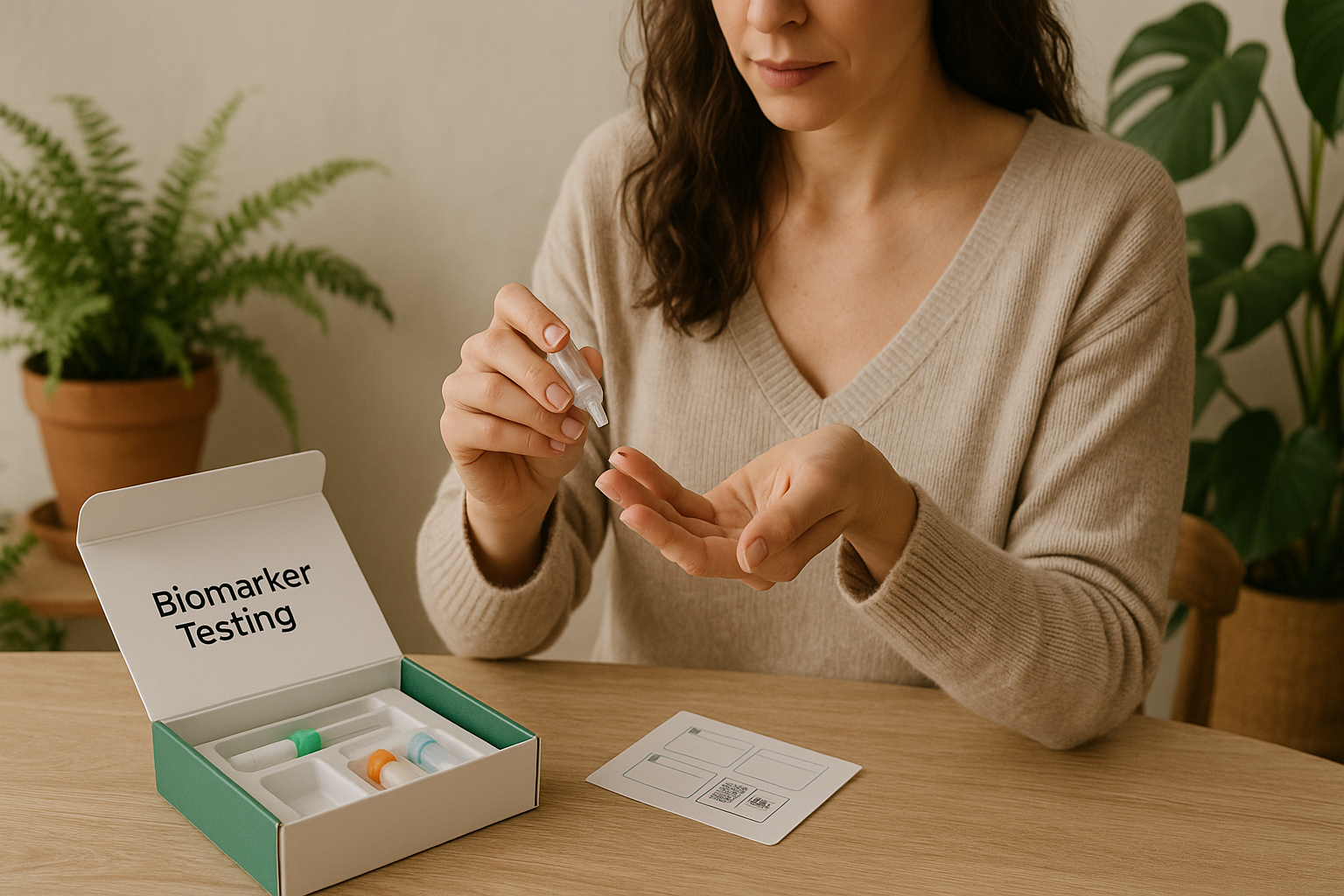
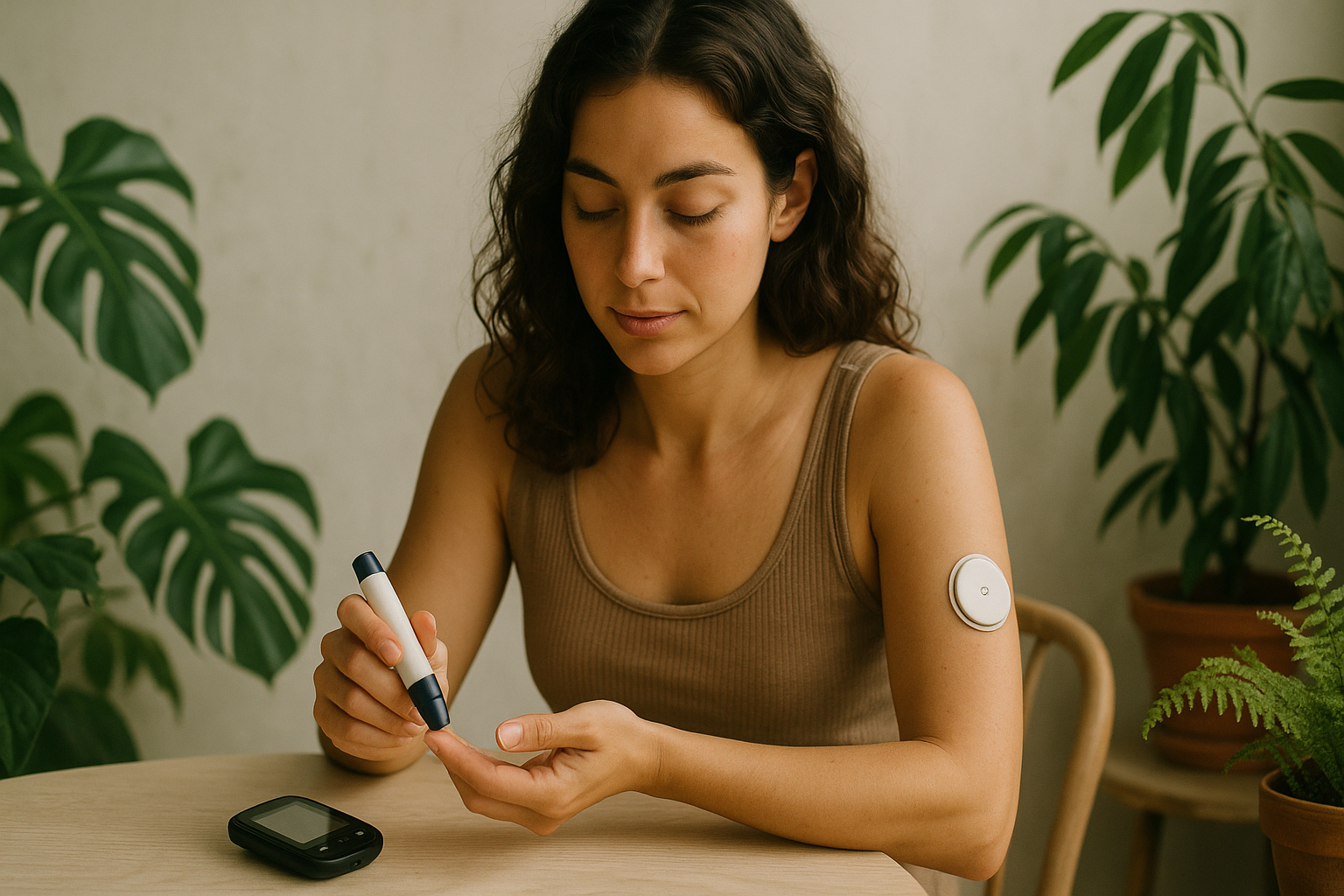
Tracking recovery and performance can be enhanced through specific biomarkers. Common indicators include:
- Creatine Kinase (CK): Elevated levels can indicate muscle damage.
- Inflammatory Markers: C-reactive protein (CRP) levels can help assess inflammation.
- Hormonal Levels: Monitoring cortisol and testosterone can provide insights into stress and recovery balance.
- Heart Rate Variability (HRV): A useful metric for assessing recovery status and overall well-being.
Regular tracking of these biomarkers allows athletes to monitor their recovery progress and adjust their training and regeneration strategies accordingly.
Body Systems Supported
Athletic regeneration primarily supports the following body systems:
- Musculoskeletal System: Enhances muscle recovery, reduces injury risk, and improves joint function.
- Cardiovascular System: Promotes better blood flow and nutrient delivery, aiding in recovery.
- Immune System: Helps reduce inflammation and supports overall health, particularly in high-stress training environments.
Common Goals
The primary goals of athletic regeneration include:
- Reducing muscle soreness and fatigue.
- Enhancing muscle repair and growth.
- Improving range of motion and flexibility.
- Minimizing the risk of injury.
- Optimizing overall performance and endurance.
Safety, Contraindications & Edge Cases
While many athletic regeneration techniques are safe for most individuals, there are important considerations to keep in mind. Some techniques may not be suitable for everyone, especially those with certain medical conditions or injuries. For example, cryotherapy should be avoided by individuals with cardiovascular issues or cold sensitivity. Compression therapy may not be recommended for those with circulatory problems.
It's crucial for athletes to consult with healthcare professionals before starting any new recovery techniques, especially if they have pre-existing conditions or are recovering from an injury. Personalized approaches based on individual health status can help mitigate risks.
Pairs Well With
Athletic regeneration techniques can be complemented by various ancient and natural counterparts, such as:
- Yoga: Enhances flexibility, reduces stress, and promotes relaxation, supporting recovery.
- Traditional Chinese Medicine: Acupuncture may aid in pain relief and recovery.
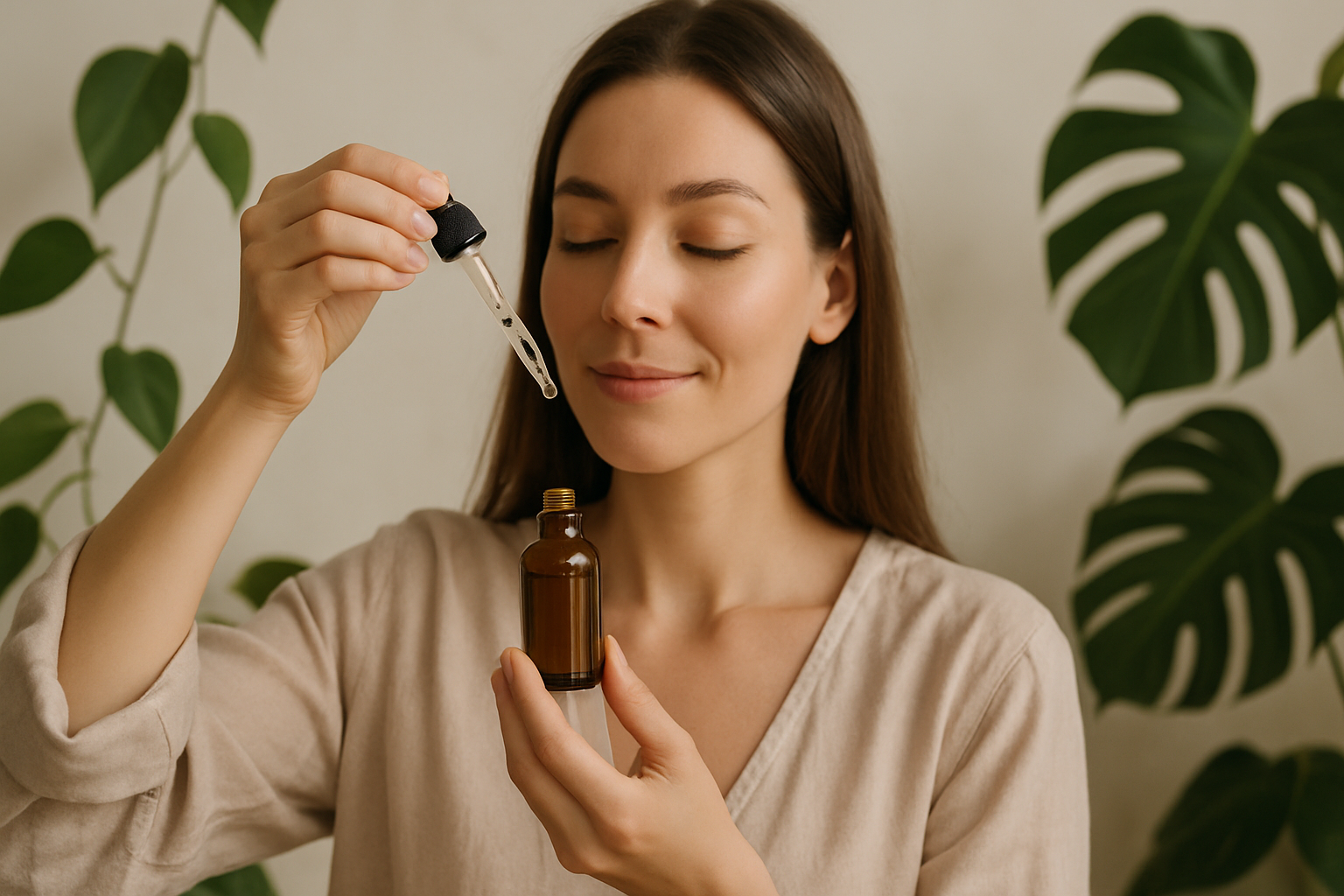
- Aromatherapy: Essential oils can provide relaxation and support emotional well-being during recovery.
FAQs (5)
- What is the best recovery technique for athletes? The best recovery technique varies by individual; popular options include cryotherapy, massage, and proper nutrition.
- How often should I implement recovery strategies? It's recommended to integrate recovery strategies regularly, ideally after each training session or competition.
- Can I use multiple recovery methods at once? Yes, combining different techniques can enhance recovery, but be mindful of individual responses.
- Is there any harm in overdoing recovery practices? Yes, excessive recovery practices can lead to diminished returns; balance is key.
- How can I monitor my recovery progress? Tracking biomarkers like CK, HRV, and subjective measures like soreness can help gauge recovery progress.
Frequently asked
What is the best recovery technique for athletes?
The best recovery technique varies by individual; popular options include cryotherapy, massage, and proper nutrition.
How often should I implement recovery strategies?
It's recommended to integrate recovery strategies regularly, ideally after each training session or competition.
Can I use multiple recovery methods at once?
Yes, combining different techniques can enhance recovery, but be mindful of individual responses.
Is there any harm in overdoing recovery practices?
Yes, excessive recovery practices can lead to diminished returns; balance is key.
How can I monitor my recovery progress?
Tracking biomarkers like CK, HRV, and subjective measures like soreness can help gauge recovery progress.