Wellness Planning
Discover how wellness planning can enhance your preventive wellness approach, supported by evidence and practical strategies.

Explore the concept of wellness planning as a key component of preventive wellness. This guide delves into its definition, mechanisms, evidence, practical applications, and more.
What It Is
Wellness planning is a structured approach aimed at enhancing individual well-being through proactive measures. It encompasses the assessment of physical, emotional, and mental health to create a personalized roadmap that promotes a healthier lifestyle. This process involves identifying personal goals, resources, and barriers, allowing individuals to optimize their health outcomes.
The concept of wellness planning integrates various elements of preventive wellness, emphasizing the importance of being proactive rather than reactive in health management. By setting clear objectives and developing actionable strategies, individuals can take charge of their health and cultivate lasting habits that contribute to overall well-being.
Mechanism / How It Works
Wellness planning operates through a systematic approach that includes assessment, goal-setting, and implementation. Initially, individuals evaluate their current health status, identifying strengths and areas for improvement. This self-assessment can involve tracking lifestyle habits, stress levels, and emotional well-being.
Following the assessment, individuals set specific, measurable, achievable, relevant, and time-bound (SMART) goals. These goals serve as a guide for the actions they will take to improve their health. The implementation phase involves integrating these goals into daily routines, often with the help of wellness professionals who can provide support and accountability.
Evidence Summary
Current evidence regarding wellness planning is still emerging, with preliminary studies indicating its potential benefits. Research suggests that structured wellness planning can lead to improved health outcomes, such as better stress management, enhanced physical fitness, and improved mental health. However, results can vary significantly across different populations and individuals.
Clinical studies have shown mixed results, with some demonstrating substantial improvements in health markers while others suggest that individual motivation and adherence play critical roles in effectiveness. As such, more research is needed to establish standardized protocols and validate the long-term impact of wellness planning on preventive health.
Practical Application
To integrate wellness planning into daily life, individuals can follow a few key protocols:
- Conduct regular self-assessments to evaluate health status and progress.
- Set SMART goals that focus on various aspects of wellness, including physical activity, nutrition, and mental health.
- Create a structured plan that outlines actionable steps to achieve these goals.
- Utilize tools such as journals or apps to track progress and make adjustments as needed.
Common pitfalls include setting unrealistic goals, neglecting to adjust plans based on feedback, and failing to seek support from professionals or community resources. Awareness of these potential challenges can enhance the effectiveness of wellness planning.
Relevant Biomarkers & Tracking
Key biomarkers to consider in wellness planning include:
- Body Mass Index (BMI)
- Blood pressure
- Cholesterol levels
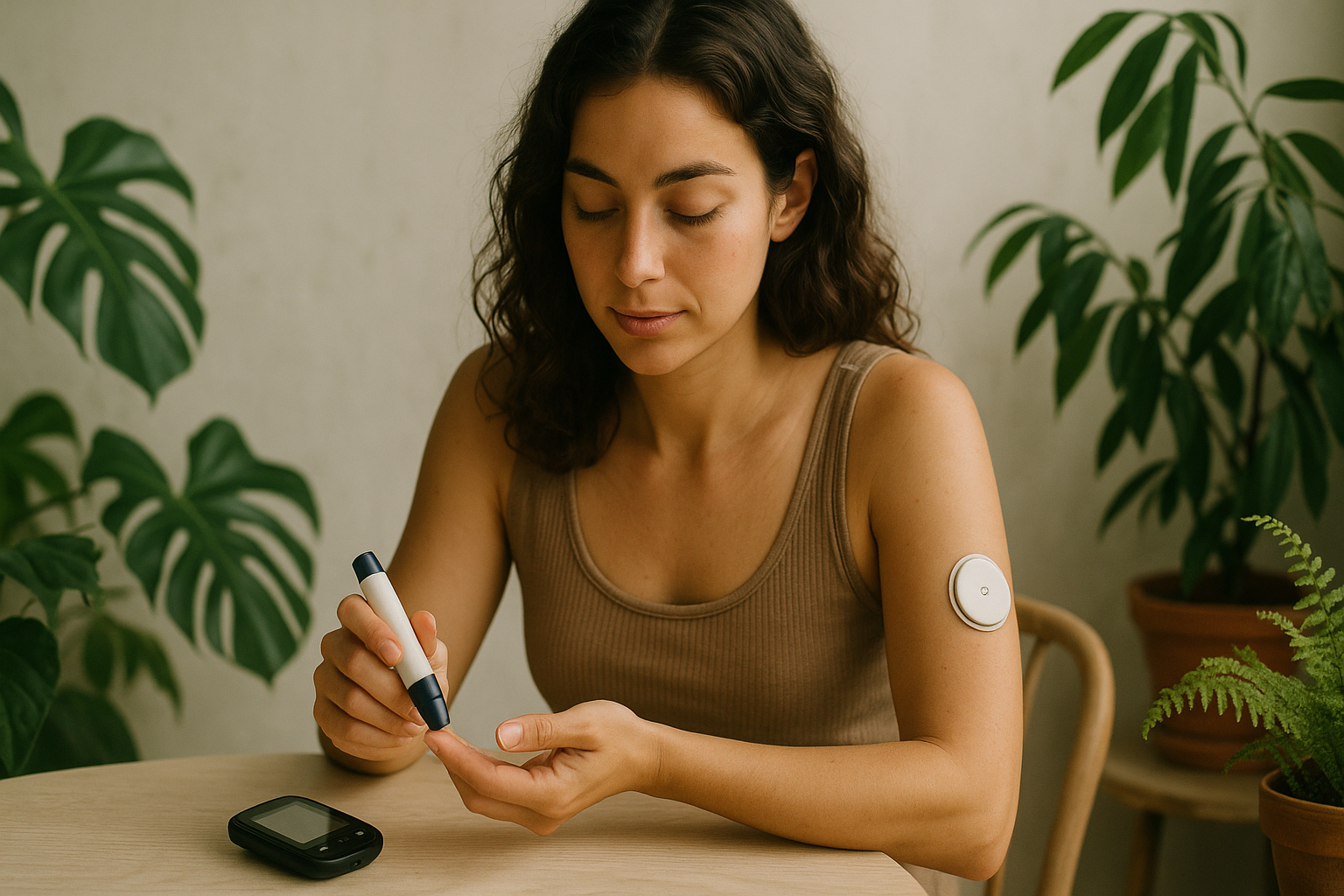
- Blood sugar levels
- Stress hormone levels (such as cortisol)
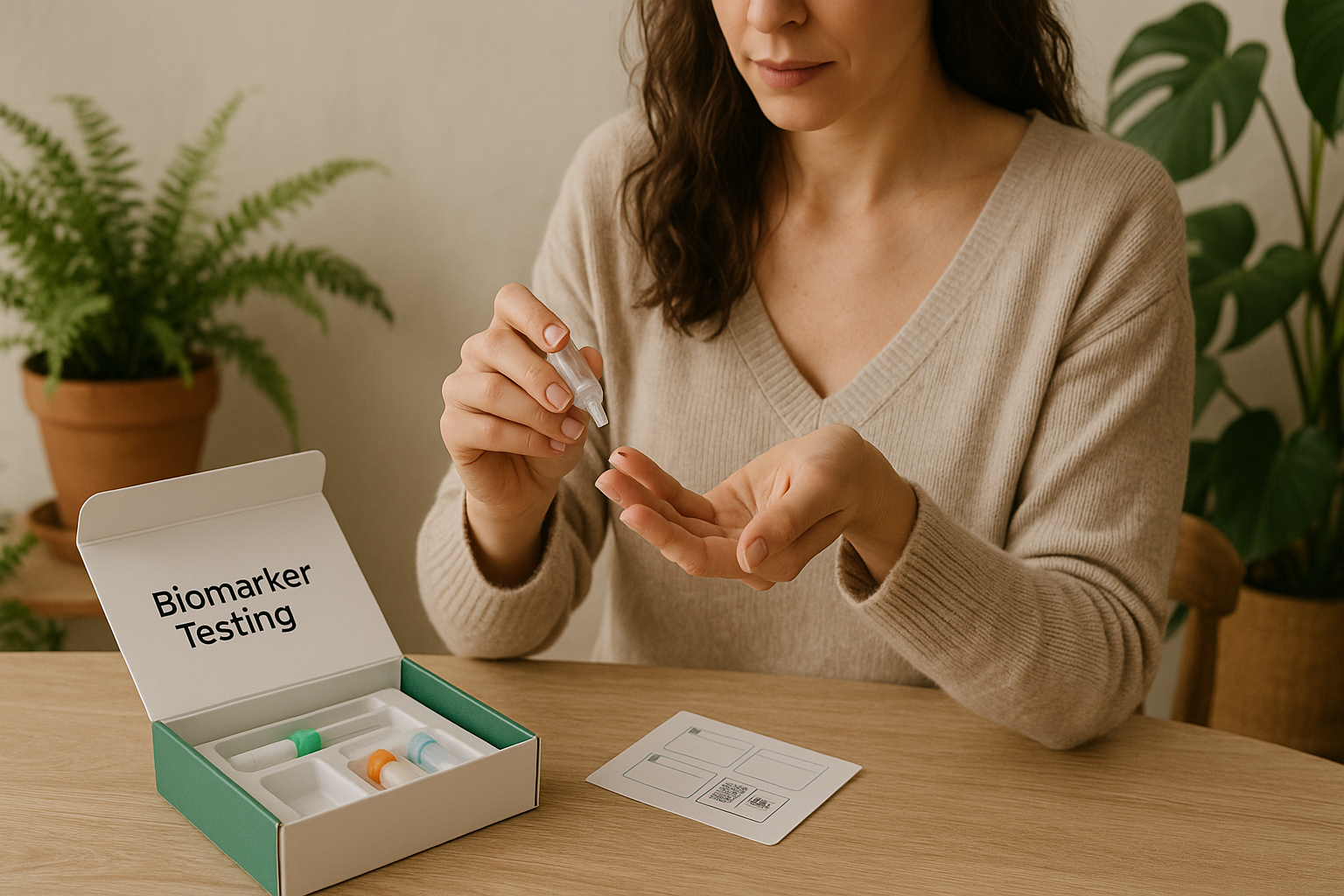
Tracking these biomarkers can provide valuable insights into an individual's health status and guide wellness planning efforts. Regular check-ups and self-monitoring can help in fine-tuning goals and strategies.
Body Systems Supported
Wellness planning supports various body systems, including:
- Cardiovascular system
- Endocrine system
- Nervous system
- Musculoskeletal system
- Immune system
By focusing on holistic health, wellness planning can enhance the functioning of these systems, leading to improved overall health and resilience.
Common Goals
Individuals engaged in wellness planning often pursue goals such as:
- Improving physical fitness levels
- Enhancing nutritional habits
- Reducing stress and anxiety
- Improving sleep quality
- Enhancing social connections and support networks
Setting clear and achievable goals in these areas can significantly impact overall wellness and quality of life.
Safety, Contraindications & Edge Cases
While wellness planning is generally safe, individuals should be cautious if they have pre-existing health conditions. Consulting with healthcare professionals before starting any new wellness program is advisable, particularly for those with chronic illnesses or significant health concerns.
Edge cases may include individuals who struggle with mental health issues, as rigid wellness plans might add unnecessary stress. Flexibility and adaptability in planning are crucial to accommodate individual needs and preferences.
Pairs Well With
Wellness planning can complement various ancient and natural wellness practices, including:
- Yoga and mindfulness practices
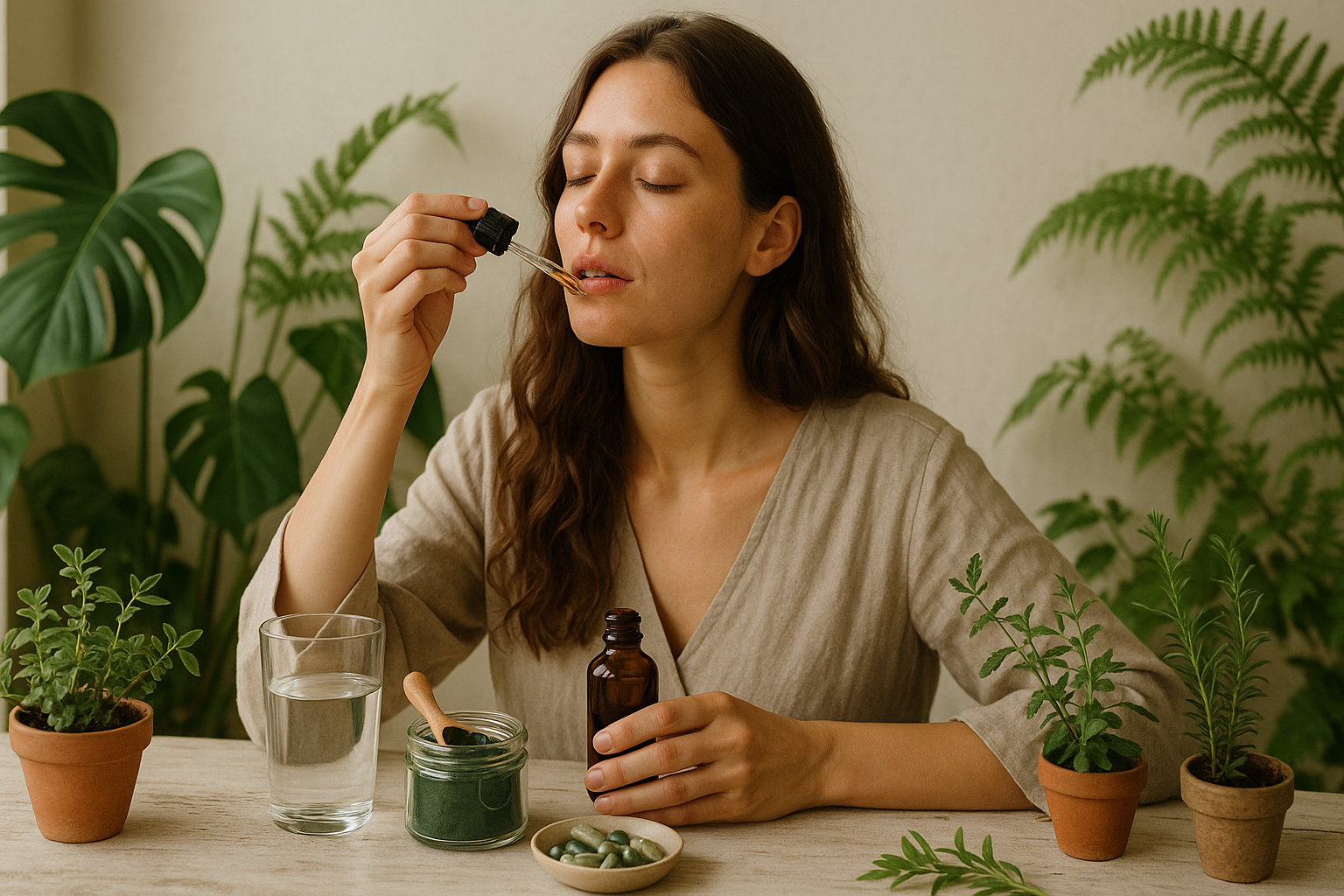
- Herbal remedies and natural supplements
- Traditional dietary approaches (such as Mediterranean or Ayurvedic diets)
- Holistic therapies (such as acupuncture or massage therapy)
Integrating these practices can enhance the overall effectiveness of wellness planning, promoting a more comprehensive approach to health.
FAQs (5)
- What is the first step in wellness planning? The first step is conducting a thorough self-assessment of your current health and lifestyle.
- How often should I review my wellness plan? It is advisable to review your wellness plan at least quarterly to assess progress and make necessary adjustments.
- Can wellness planning help with mental health? Yes, wellness planning can include strategies to improve mental health, such as stress management techniques and social support.
- Is professional guidance necessary for wellness planning? While not mandatory, professional guidance can enhance the effectiveness of your wellness plan.
- Are there specific tools for tracking wellness progress? Yes, various apps and journals can help track your progress and keep you motivated.
Frequently asked
What is the first step in wellness planning?
The first step is conducting a thorough self-assessment of your current health and lifestyle.
How often should I review my wellness plan?
It is advisable to review your wellness plan at least quarterly to assess progress and make necessary adjustments.
Can wellness planning help with mental health?
Yes, wellness planning can include strategies to improve mental health, such as stress management techniques and social support.
Is professional guidance necessary for wellness planning?
While not mandatory, professional guidance can enhance the effectiveness of your wellness plan.
Are there specific tools for tracking wellness progress?
Yes, various apps and journals can help track your progress and keep you motivated.