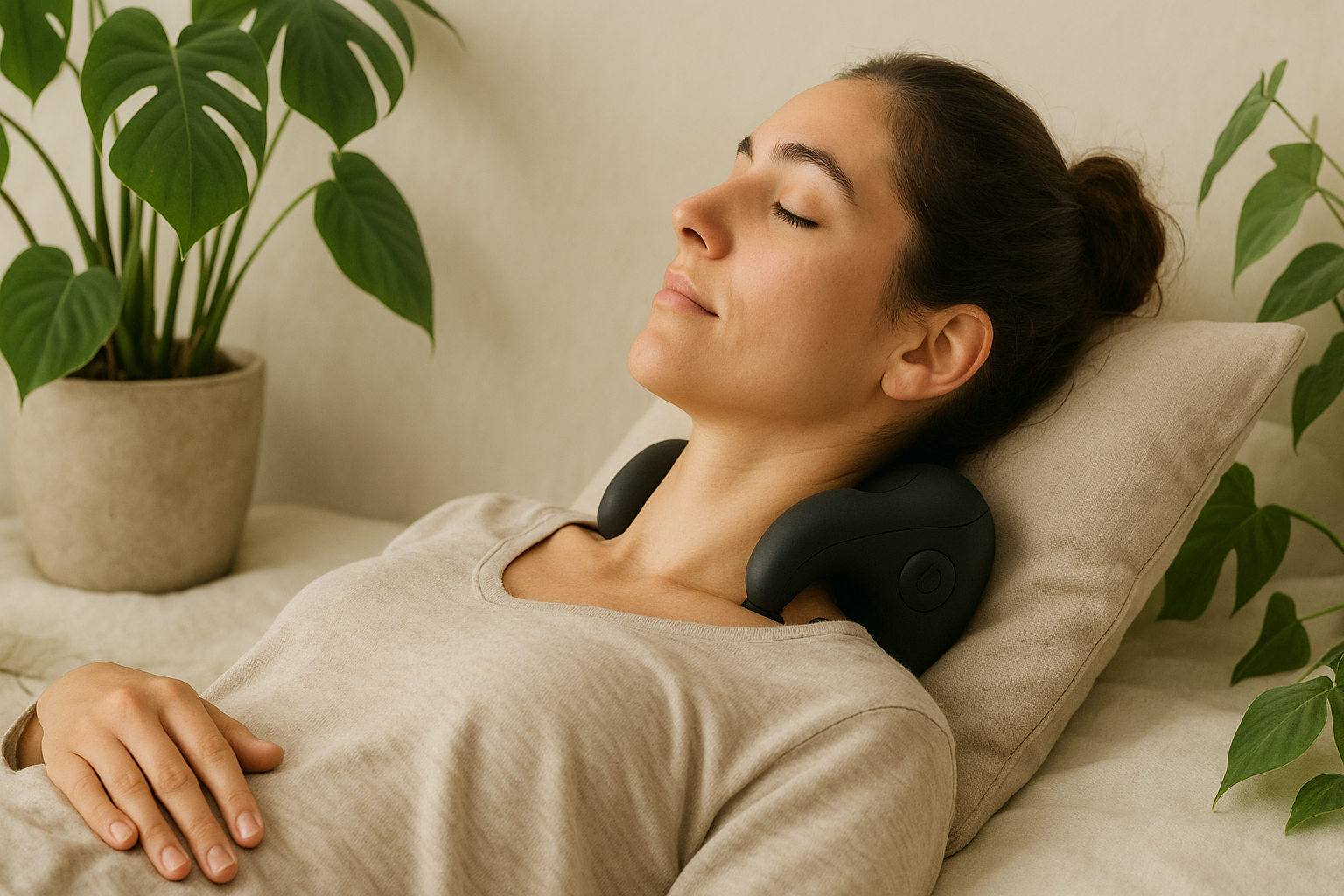
Stress Prevention
Learn about stress prevention strategies, their mechanisms, and how to integrate them into daily life for better wellness.

Explore the vital aspects of stress prevention in preventive wellness, including its definition, mechanisms, evidence, and practical applications for modern wellness.
What It Is
Stress prevention refers to the proactive measures taken to reduce the likelihood of experiencing stress or to mitigate its impact on health and well-being. It encompasses various strategies and practices aimed at enhancing resilience, promoting mental health, and fostering overall wellness. By recognizing the potential sources of stress and implementing effective coping mechanisms, individuals can better navigate life's challenges.
In today's fast-paced world, stress has become a common experience that can lead to various health issues, both mental and physical. Stress prevention is not about eliminating stress entirely, but rather about managing it effectively to minimize its adverse effects. This approach involves a combination of lifestyle changes, mindfulness practices, and social support systems.
Mechanism / How It Works
The mechanisms behind stress prevention are multifaceted, involving psychological, physiological, and social components. When individuals engage in stress-reducing activities, the body can initiate a relaxation response, countering the physiological effects of stress. This response includes the reduction of cortisol levels, decreased heart rate, and improved blood pressure.
Additionally, practices such as mindfulness and meditation can enhance emotional regulation, allowing individuals to respond to stressors with a calmer mindset. By cultivating a positive outlook and fostering resilience through social connections and support networks, individuals can effectively buffer against the negative impacts of stress.
Evidence Summary
Research in stress prevention has produced varying findings, with some studies showing positive outcomes while others reveal conflicting results. Preliminary evidence suggests that lifestyle interventions, such as regular physical activity, balanced nutrition, and mindfulness practices, can significantly reduce stress levels and improve overall well-being.
Clinical studies have supported the efficacy of mindfulness-based stress reduction (MBSR) programs, which have been shown to decrease anxiety and improve emotional health. However, some conflicting evidence exists regarding the effectiveness of specific stress management techniques, highlighting the need for personalized approaches to stress prevention. Overall, while the evidence supports various strategies, more research is needed to understand the long-term effects and optimal combinations of these interventions.
Practical Application
Integrating stress prevention strategies into daily life involves a multi-faceted approach. Here are some practical applications:
- Mindfulness and Meditation: Incorporate daily mindfulness practices such as meditation, deep breathing exercises, or yoga.
- Physical Activity: Engage in regular exercise, which can help reduce tension and improve mood.
- Healthy Eating: Prioritize a balanced diet rich in whole foods, fruits, and vegetables to support overall health.
- Time Management: Develop effective time management skills to reduce feelings of overwhelm.
- Social Support: Build a supportive network of friends and family to share experiences and alleviate stress.
Common pitfalls include neglecting self-care, overcommitting to responsibilities, and failing to recognize early signs of stress. Being mindful of these pitfalls can help individuals stay on track with their stress prevention efforts.
Relevant Biomarkers & Tracking
Tracking stress levels can be beneficial in understanding individual responses to stressors. Relevant biomarkers include:
- Cortisol levels
- Heart rate variability (HRV)
- Blood pressure
- Sleep quality indicators
Utilizing wearable devices or mobile apps can help individuals monitor these biomarkers, providing insights into stress patterns and the effectiveness of prevention strategies.
Body Systems Supported
Stress prevention supports several body systems, including:
- Nervous System: Reduces the impact of stress on the central and autonomic nervous systems.
- Endocrine System: Helps regulate hormonal responses, particularly cortisol, which can affect various bodily functions.
- Cardiovascular System: Promotes heart health by lowering blood pressure and reducing the risk of stress-related heart issues.
- Immune System: Enhances immune function, making the body more resilient to illness and infection.
Common Goals
The primary goals of stress prevention include:
- Reducing overall stress levels
- Enhancing emotional resilience
- Improving physical health and well-being
- Fostering a balanced lifestyle
- Encouraging positive relationships and social support
Safety, Contraindications & Edge Cases
While stress prevention strategies are generally safe, certain precautions should be taken, especially for individuals with specific health conditions. For example, individuals with anxiety disorders may find that certain mindfulness practices initially increase their anxiety. It is essential to consult with a healthcare provider before starting any new stress management regimen, particularly if there are underlying health concerns.
Additionally, some individuals may experience difficulty in engaging with certain practices due to personal or situational factors, such as trauma history or high-stress environments. Tailoring approaches to individual needs and seeking professional guidance can help mitigate these risks.
Pairs Well With
Stress prevention strategies can be effectively paired with various ancient and natural wellness practices, including:
- Aromatherapy: Utilizing essential oils to promote relaxation and reduce stress.
- Herbal Remedies: Incorporating adaptogenic herbs like ashwagandha or rhodiola.
- Traditional Practices: Engaging in Tai Chi or Qigong for holistic stress relief.
- Nutritional Supplements: Considering omega-3 fatty acids or magnesium for their stress-reducing properties.
FAQs
- What are the best practices for stress prevention? Incorporate mindfulness, regular exercise, healthy eating, and social support into your daily routine.
- How can I track my stress levels? Monitor biomarkers like cortisol, heart rate variability, and sleep quality using wearable devices or apps.
- Is stress prevention effective for everyone? While many benefit from stress prevention strategies, individual responses may vary, and personalizing approaches is essential.
- Can stress prevention help with chronic stress? Yes, effective prevention strategies can reduce the impact of chronic stress and improve overall resilience.
- Are there any risks associated with stress prevention techniques? Some individuals may experience discomfort with certain practices; consulting a healthcare provider can help tailor approaches safely.
Frequently asked
What are the best practices for stress prevention?
Incorporate mindfulness, regular exercise, healthy eating, and social support into your daily routine.
How can I track my stress levels?
Monitor biomarkers like cortisol, heart rate variability, and sleep quality using wearable devices or apps.
Is stress prevention effective for everyone?
While many benefit from stress prevention strategies, individual responses may vary, and personalizing approaches is essential.
Can stress prevention help with chronic stress?
Yes, effective prevention strategies can reduce the impact of chronic stress and improve overall resilience.
Are there any risks associated with stress prevention techniques?
Some individuals may experience discomfort with certain practices; consulting a healthcare provider can help tailor approaches safely.