Wellness Coaching
Discover the transformative potential of wellness coaching in preventive wellness. Learn about its mechanisms, evidence, practical applications, and more.

Explore the essential aspects of wellness coaching as a vital component of preventive wellness. Understand its definition, mechanisms, evidence, practical applications, and how it supports various body systems. Learn about common goals, safety considerations, and complementary practices. Get answers to frequently asked questions to enhance your knowledge.
What It Is
Wellness coaching is a supportive process that empowers individuals to achieve their personal health and wellness goals. It involves a collaborative relationship between the coach and the client, where the coach offers guidance, motivation, and accountability. The focus is on fostering a holistic approach to well-being, integrating various aspects such as physical, emotional, and social health.
Typically, wellness coaching encompasses lifestyle changes, stress management, nutrition, and exercise. Coaches may utilize various techniques, including motivational interviewing and goal-setting strategies, to help clients identify and overcome barriers to their success.
Mechanism / How It Works
Wellness coaching operates on the principles of behavior change and personal development. Coaches facilitate a process where clients explore their values, beliefs, and motivations. By understanding what drives them, clients can create actionable plans tailored to their unique circumstances.
The coaching process often involves setting SMART (Specific, Measurable, Achievable, Relevant, Time-bound) goals, which provide a clear roadmap for progress. Regular sessions allow for reflection and adjustment of strategies, ensuring that clients remain engaged and committed to their wellness journey.
Evidence Summary
Currently, research on wellness coaching is evolving. Preliminary studies suggest that wellness coaching may improve health outcomes, including increased physical activity, better dietary habits, and enhanced mental well-being. However, the evidence is mixed, and some studies indicate that the effectiveness of coaching can vary significantly based on individual circumstances, coaching styles, and the specific goals addressed.
Clinical trials have shown promising results, particularly in specific populations such as those with chronic illnesses or those seeking lifestyle changes. Nonetheless, conflicting findings highlight a need for further research to solidify the role of wellness coaching in preventive health strategies. It is essential to approach wellness coaching as a complement to other health interventions rather than a standalone solution.
Practical Application
Implementing wellness coaching in daily life can be straightforward. Clients typically engage in regular sessions with their coaches, either in-person or virtually. During these sessions, they may work on creating personalized wellness plans, tracking progress, and discussing challenges.
Common protocols include:
- Initial assessment to identify health goals and barriers.
- Development of a tailored action plan with specific goals.
- Regular check-ins to monitor progress and adjust the plan as necessary.
Common pitfalls include setting unrealistic goals, failing to maintain accountability, and not addressing underlying emotional factors that may hinder progress. Clients are encouraged to be patient and persistent, recognizing that behavior change is a gradual process.
Relevant Biomarkers & Tracking
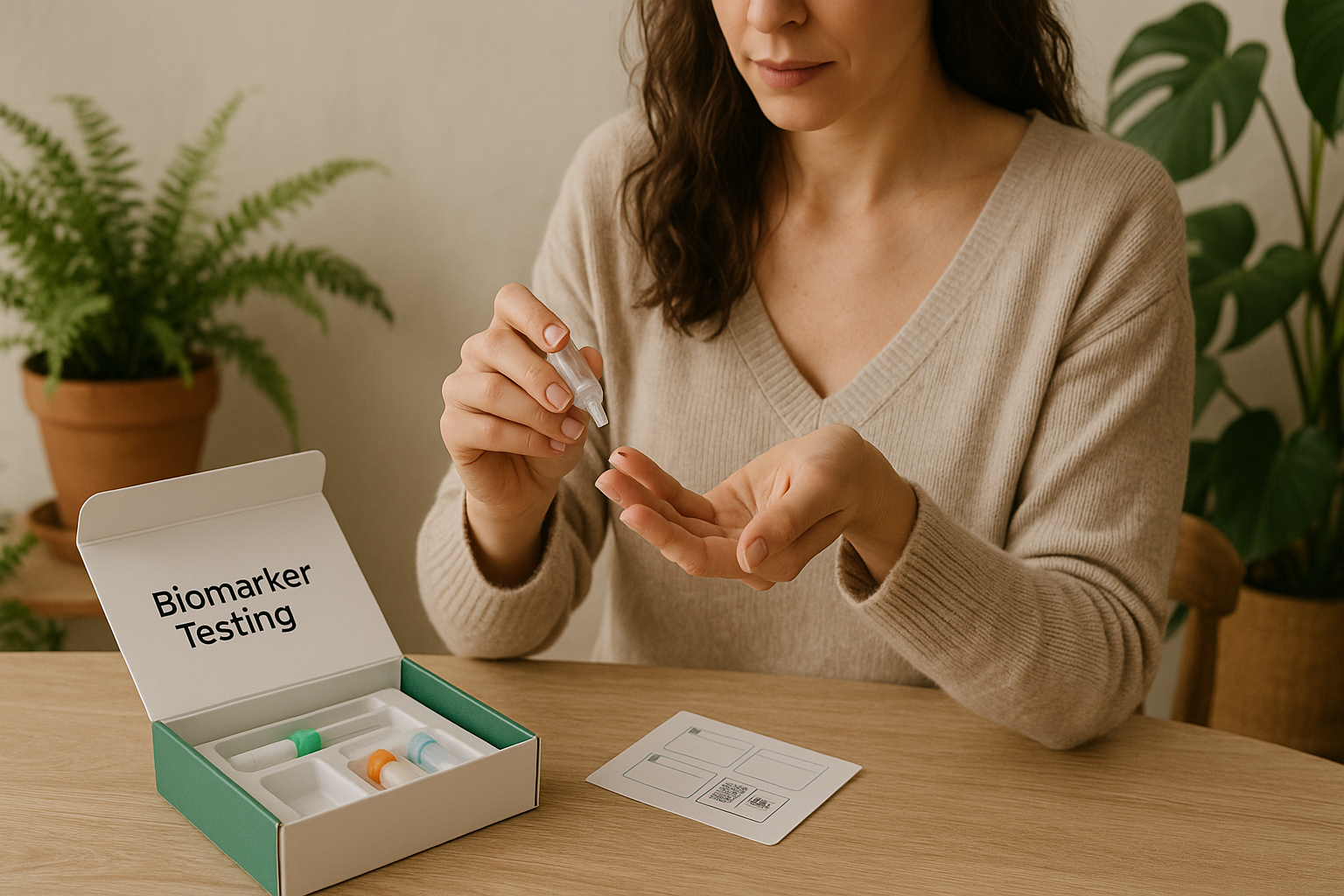
Tracking progress in wellness coaching often involves monitoring various biomarkers and health indicators. Relevant metrics can include:
- Body weight and body composition.
- Blood pressure and heart rate.
- Physical activity levels (steps, minutes of exercise).
- Dietary habits (caloric intake, nutrient consumption).
- Emotional well-being indicators (stress levels, mood assessments).
Using apps or journals to log these metrics can enhance self-awareness and accountability, making it easier to identify trends and adjust strategies as needed.
Body Systems Supported
Wellness coaching supports multiple body systems by promoting comprehensive health strategies. Key systems include:
- Endocrine System: Through stress management and healthy lifestyle changes, coaching can help regulate hormones and metabolism.
- Cardiovascular System: Improved physical activity and nutrition directly benefit heart health.
- Digestive System: Dietary modifications can enhance gut health and digestion.
- Nervous System: Techniques for stress reduction, such as mindfulness, can promote mental clarity and emotional balance.
Common Goals
Clients typically pursue various goals during wellness coaching, including:
- Weight management and body composition improvements.
- Increased physical activity and fitness levels.
- Enhanced dietary habits and nutrition knowledge.
- Stress reduction and improved mental health.
- Better sleep quality and overall energy levels.
Safety, Contraindications & Edge Cases
While wellness coaching is generally safe, individuals with specific health conditions should approach it cautiously. Contraindications may include:
- Severe psychiatric disorders that require medical intervention.
- Chronic illnesses that need specialized care and treatment.
- Individuals who are unwilling to engage in the coaching process.
It is crucial for clients to communicate openly with their coaches about existing health conditions and to seek medical advice when necessary. Coaches should be trained to recognize when to refer clients to healthcare professionals.
Pairs Well With
Wellness coaching can be effectively paired with various ancient or natural practices, enhancing its benefits. These may include:
- Mindfulness and Meditation: Techniques to promote mental clarity and emotional resilience.
- Nutrition Counseling: A focus on whole foods and dietary changes to complement coaching goals.
- Physical Therapy or Fitness Training: Structured exercise programs to support physical health goals.
FAQs (5)
- What qualifications should a wellness coach have? Look for certifications from recognized institutions, experience, and a strong background in health and wellness.
- How long does wellness coaching typically last? Coaching duration varies; some clients may engage for a few months, while others may continue for years.
- Can wellness coaching replace medical advice? No, wellness coaching is not a substitute for medical treatment or advice. It should complement healthcare.
- How do I choose the right wellness coach? Consider their qualifications, experience, coaching style, and whether you feel a personal connection.
- Is wellness coaching effective for everyone? While many benefit, effectiveness can vary based on individual circumstances and motivation levels.
Frequently asked
What qualifications should a wellness coach have?
Look for certifications from recognized institutions, experience, and a strong background in health and wellness.
How long does wellness coaching typically last?
Coaching duration varies; some clients may engage for a few months, while others may continue for years.
Can wellness coaching replace medical advice?
No, wellness coaching is not a substitute for medical treatment or advice. It should complement healthcare.
How do I choose the right wellness coach?
Consider their qualifications, experience, coaching style, and whether you feel a personal connection.
Is wellness coaching effective for everyone?
While many benefit, effectiveness can vary based on individual circumstances and motivation levels.