Immune Prevention
Delve into immune prevention within the realm of preventive wellness, examining its mechanisms, evidence, practical uses, and safety aspects.

Explore the concept of immune prevention and its role in preventive wellness, including how it works, evidence supporting its effectiveness, practical applications, and safety considerations.
What It Is
Immune prevention refers to the strategies and practices aimed at enhancing the body's immune response to prevent infections and diseases. This approach emphasizes the importance of maintaining a robust immune system through lifestyle choices, nutrition, and preventive measures. By supporting the immune system, individuals can reduce their susceptibility to various illnesses and improve their overall health.
As part of preventive wellness, immune prevention encompasses a variety of techniques, including vaccinations, dietary interventions, and lifestyle modifications. The goal is not only to prevent acute infections but also to promote long-term health by bolstering the immune system's ability to function effectively against pathogens.
Mechanism / How It Works
The immune system is a complex network of cells, tissues, and organs that work together to defend against harmful invaders. Immune prevention strategies work by enhancing the body's natural defenses. This can involve:
- Vaccination: Introducing a harmless component of a pathogen to stimulate an immune response without causing disease.
- Nutritional Support: Consuming essential vitamins and minerals, such as vitamin C, vitamin D, and zinc, which are known to play critical roles in immune function.
- Lifestyle Modifications: Engaging in regular physical activity, managing stress, and ensuring adequate sleep, all of which contribute to a well-functioning immune system.
Through these mechanisms, immune prevention can help the body recognize and respond more effectively to pathogens, ultimately minimizing the risk of illness.
Evidence Summary
The evidence supporting immune prevention is varied, with some areas having more robust research than others. Preliminary studies suggest that certain lifestyle factors and nutritional interventions can significantly enhance immune function. For example, regular exercise has been consistently linked to improved immune responses, while adequate sleep is critical for maintaining immune health.
Clinical trials have demonstrated the effectiveness of vaccines in preventing specific diseases, showcasing the importance of vaccination as a cornerstone of immune prevention. However, conflicting evidence exists regarding some nutritional supplements, with research showing mixed results on their ability to prevent infections. More studies are needed to clarify the efficacy of various interventions and to establish standardized recommendations.
Practical Application
- Nutrition: Aim for a balanced diet rich in fruits, vegetables, whole grains, lean proteins, and healthy fats.
- Exercise: Engage in regular physical activities, such as walking, swimming, or yoga, to boost overall health.
- Sleep Hygiene: Prioritize 7-9 hours of quality sleep each night to support immune function.
- Stress Management: Incorporate mindfulness practices, such as meditation or deep breathing exercises, to reduce stress levels.
Common pitfalls include relying solely on supplements without addressing diet and lifestyle, neglecting sleep, or failing to stay active. It's essential to take a comprehensive approach to immune prevention.
Relevant Biomarkers & Tracking
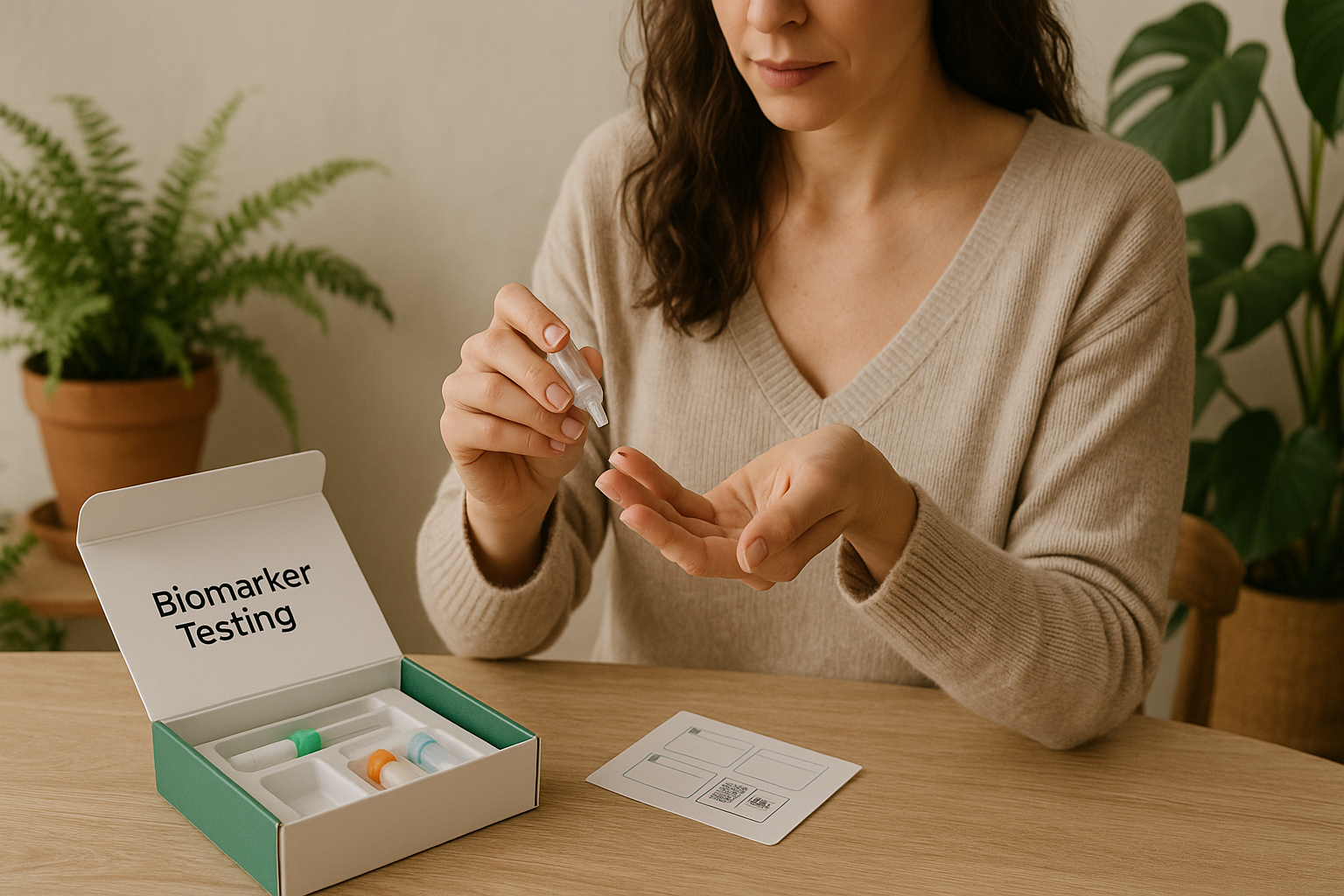
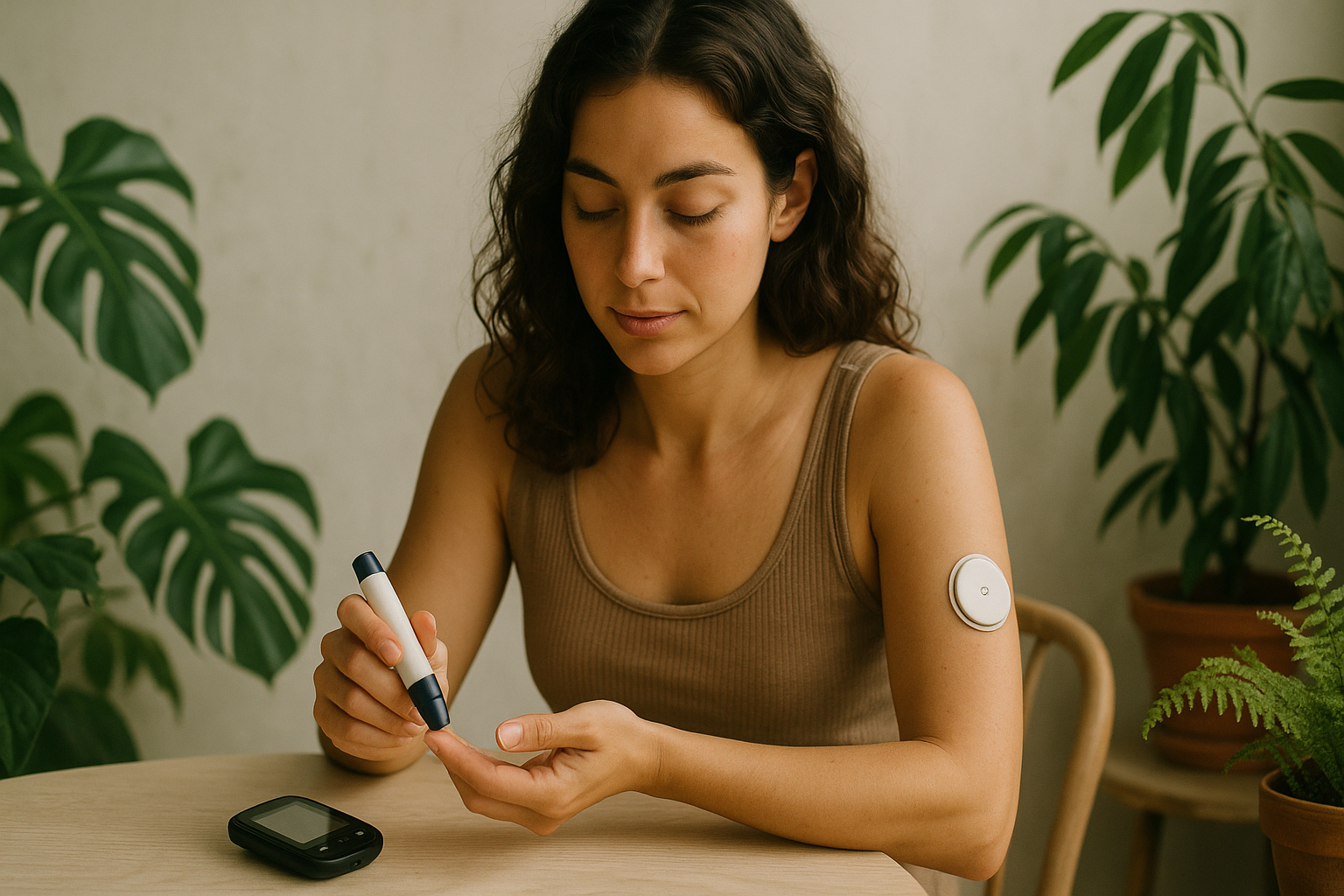
Tracking immune health can involve monitoring several biomarkers, such as:
- C-Reactive Protein (CRP): A marker of inflammation that can indicate immune response.
- White Blood Cell Count: An assessment of the body’s immune cell levels, indicating overall immune health.
- Immunoglobulin Levels: Measurements of antibodies that can show how well the immune system can respond to pathogens.
Regular check-ups and blood tests can help individuals understand their immune status and make necessary adjustments to their preventive strategies.
Body Systems Supported
Immune prevention primarily supports the immune system but also has positive effects on:
- Cardiovascular Health: A robust immune system can reduce inflammation, which is beneficial for heart health.
- Digestive Health: The gut plays a significant role in immune function; a healthy diet supports gut health.
- Endocrine Function: Stress management techniques can positively influence hormone levels and immune responses.
Common Goals
Individuals engaging in immune prevention typically aim to achieve:
- Reduced incidence of infections and illnesses.
- Enhanced overall health and well-being.
- Improved resilience to stress and environmental challenges.
Safety, Contraindications & Edge Cases
While immune prevention strategies are generally safe, there are some considerations:
- Vaccination: Certain individuals may have contraindications to specific vaccines, such as those with severe allergies.
- Nutritional Supplements: High doses of certain vitamins and minerals can be harmful; it's essential to consult a healthcare provider.
- Underlying Health Conditions: Individuals with compromised immune systems or chronic illnesses should seek tailored advice from healthcare professionals.
Pairs Well With
Immune prevention can be complemented by practices from other wellness pillars, including:
- Stress Management: Techniques such as yoga and meditation can enhance immune function.
- Herbal Remedies: Natural herbs like echinacea and elderberry may support immune health.
- Traditional Practices: Approaches like acupuncture may help in balancing stress and enhancing immune responses.
FAQs (5)
1. What are the best foods to support immune health?
Foods rich in vitamins C and D, zinc, and antioxidants, such as fruits, vegetables, nuts, and seeds, are excellent for supporting immune health.
2. How often should I exercise to boost my immune system?
Engaging in regular moderate exercise for at least 150 minutes per week is beneficial for immune function.
3. Can stress really affect my immune health?
Yes, chronic stress can weaken the immune response, making the body more susceptible to illnesses.
4. Are there any supplements that can help prevent illness?
While some supplements may support immune health, it is crucial to consult with a healthcare provider before starting any new regimen.
5. How can I track my immune health?
Regular check-ups, blood tests for biomarkers, and monitoring overall health through lifestyle changes can help track immune health.
Frequently asked
What are the best foods to support immune health?
Foods rich in vitamins C and D, zinc, and antioxidants, such as fruits, vegetables, nuts, and seeds, are excellent for supporting immune health.
How often should I exercise to boost my immune system?
Engaging in regular moderate exercise for at least 150 minutes per week is beneficial for immune function.
Can stress really affect my immune health?
Yes, chronic stress can weaken the immune response, making the body more susceptible to illnesses.
Are there any supplements that can help prevent illness?
While some supplements may support immune health, it is crucial to consult with a healthcare provider before starting any new regimen.
How can I track my immune health?
Regular check-ups, blood tests for biomarkers, and monitoring overall health through lifestyle changes can help track immune health.