Preventive Screening
Explore the significance of preventive screening in promoting wellness, its mechanisms, evidence, practical applications, and related health aspects.

Preventive screening is an essential component of modern wellness, focusing on the early detection of health issues before they develop into more serious conditions. This proactive approach can help in managing risks and enhancing overall health outcomes.
What It Is
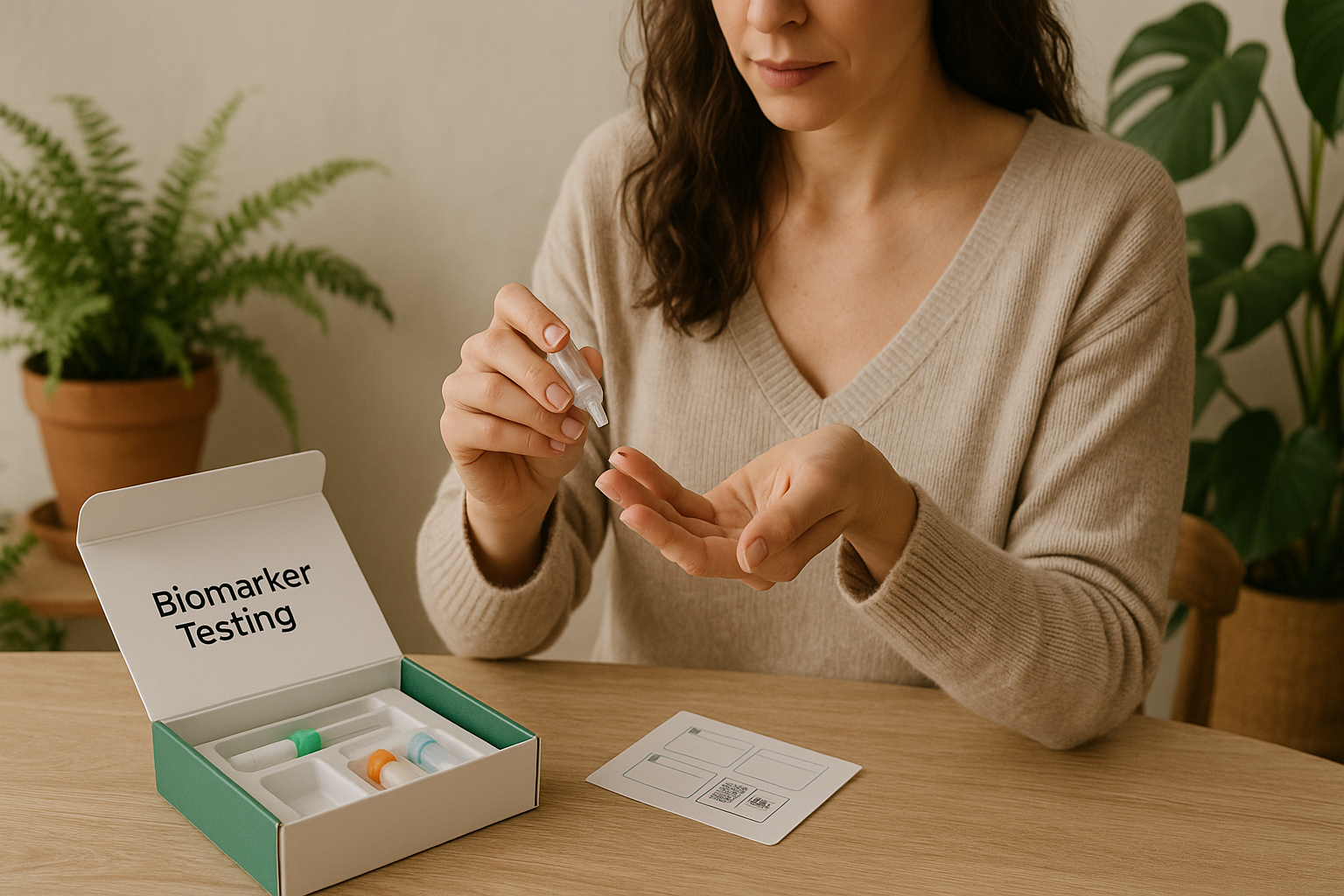
Preventive screening refers to a series of medical tests conducted to identify potential health issues before symptoms appear. This proactive approach is designed to catch diseases early, when they are often more treatable and manageable. Various screenings are tailored to specific age groups, genders, and risk factors, addressing a broad range of health concerns.
Common preventive screenings include blood pressure checks, cholesterol tests, mammograms, colonoscopies, and diabetes screenings. These tests aim to detect conditions such as heart disease, cancer, diabetes, and more, allowing for timely intervention and improved health outcomes. The focus on prevention rather than treatment aligns with the broader philosophy of modern wellness, emphasizing the importance of maintaining health and well-being.
Mechanism / How It Works
Preventive screenings work by identifying risk factors and early signs of diseases through various diagnostic methods. These may include blood tests, imaging studies, and physical examinations. By analyzing the results, healthcare providers can assess an individual's health status and recommend necessary lifestyle changes or further diagnostic procedures.
For example, during a cholesterol screening, elevated lipid levels can indicate an increased risk for cardiovascular disease. In response, healthcare providers may suggest dietary modifications, exercise regimens, or medication to mitigate these risks. By addressing potential health issues early, preventive screening can lead to better management of health and reduced incidence of severe conditions.
Evidence Summary
The evidence surrounding preventive screenings is substantial yet varies by test and population. Numerous studies highlight the efficacy of screenings in reducing mortality rates for certain diseases, such as breast and cervical cancer through mammograms and Pap tests, respectively. Additionally, research shows that regular screenings for hypertension and cholesterol can significantly lower the risk of heart disease.
However, some screenings have come under scrutiny due to conflicting evidence regarding their benefits versus potential harms, such as overdiagnosis or unnecessary anxiety. For example, the utility of prostate-specific antigen (PSA) testing for prostate cancer remains debated among experts. Thus, while many preventive screenings are supported by strong evidence, it is essential to evaluate each screening's appropriateness based on individual risk factors and health history.
Practical Application
Integrating preventive screenings into a wellness routine involves understanding recommended guidelines and scheduling regular check-ups. Various health organizations provide age- and gender-specific screening recommendations, which should be followed in consultation with healthcare providers.
Common pitfalls include neglecting to schedule screenings due to time constraints or fear of potential findings. It is crucial to prioritize these appointments and maintain open communication with healthcare providers about personal and family health histories. Additionally, utilizing reminders and tracking systems can help ensure screenings are not overlooked.
Relevant Biomarkers & Tracking
Biomarkers play a crucial role in preventive screenings, serving as indicators of health status. Common biomarkers include:
- Blood pressure readings
- Cholesterol levels
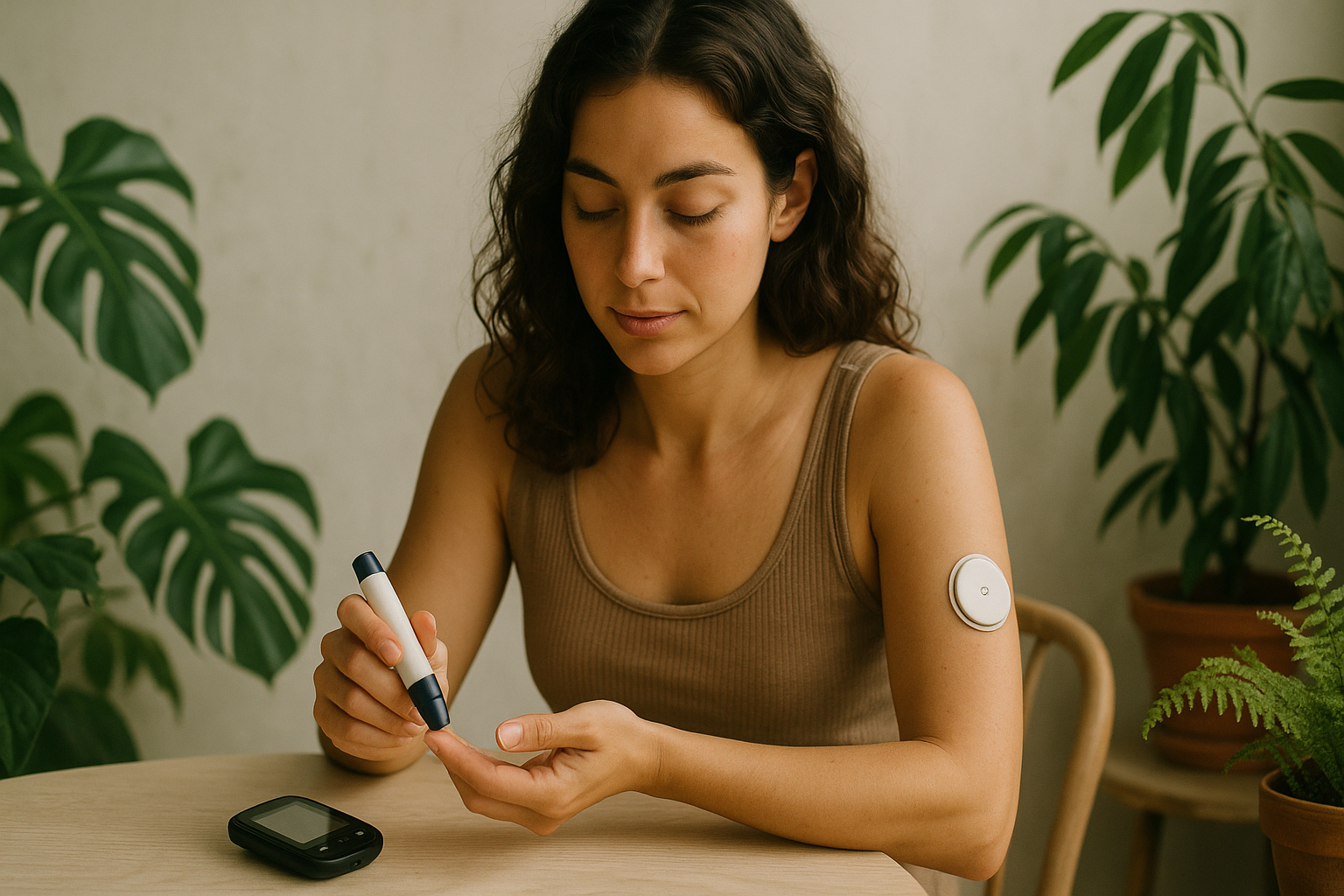
- Blood glucose levels
- Cancer markers (e.g., CA-125 for ovarian cancer)
- Body mass index (BMI)
Tracking these biomarkers over time can provide valuable insights into health trends and risks, enabling proactive management and timely interventions.
Body Systems Supported
Preventive screenings support various body systems, including:
- Cardiovascular system
- Endocrine system (e.g., diabetes screenings)
- Reproductive system (e.g., mammograms, Pap smears)
- Digestive system (e.g., colonoscopies)
- Respiratory system (e.g., lung cancer screenings)
By monitoring these systems, individuals can maintain better overall health and address potential issues before they escalate.
Common Goals
The primary goals of preventive screenings include:
- Early detection of diseases
- Risk assessment and management
- Promotion of healthy lifestyle choices
- Reduction of healthcare costs associated with late-stage disease treatment
- Enhancement of overall quality of life
By achieving these goals, preventive screenings contribute to a proactive approach to health and wellness.
Safety, Contraindications & Edge Cases
While preventive screenings are generally safe, certain contraindications may apply. For instance, individuals with specific health conditions or allergies may need to avoid certain tests, such as those involving contrast dyes or invasive procedures. Additionally, age and overall health status can influence the appropriateness of certain screenings.
It is vital for individuals to discuss any concerns with their healthcare providers, who can help navigate potential risks and recommend alternative screening options if necessary. Understanding personal health history and any familial predispositions can also inform decisions about which screenings are most relevant.
Pairs Well With
Preventive screenings align well with various ancient and natural wellness practices, including:
- Traditional Chinese Medicine (TCM)
- Ayurvedic health assessments
- Nutritional counseling and dietary adjustments
- Meditation and stress management techniques
- Physical activity and exercise regimens
By combining modern preventive screenings with these holistic approaches, individuals can enhance their overall health and well-being.
FAQs (5)
- What age should I start getting preventive screenings?
Recommendations vary by screening type, but generally, adults should begin regular screenings in their 20s or 30s, depending on individual health factors.
- How often should I get screened?
The frequency of screenings depends on the specific test and individual risk factors. Consult with your healthcare provider for personalized recommendations.
- Are preventive screenings covered by insurance?
Most health insurance plans cover preventive screenings, but it is essential to verify coverage specifics with your provider.
- What if I have a family history of a specific condition?
If you have a family history of certain diseases, discuss this with your healthcare provider to determine if you need earlier or more frequent screenings.
- Can lifestyle changes affect my screening results?
Yes, lifestyle choices such as diet, exercise, and smoking can significantly impact screening results. It is advisable to maintain a healthy lifestyle to improve outcomes.
Frequently asked
What age should I start getting preventive screenings?
Recommendations vary by screening type, but generally, adults should begin regular screenings in their 20s or 30s, depending on individual health factors.
How often should I get screened?
The frequency of screenings depends on the specific test and individual risk factors. Consult with your healthcare provider for personalized recommendations.
Are preventive screenings covered by insurance?
Most health insurance plans cover preventive screenings, but it is essential to verify coverage specifics with your provider.
What if I have a family history of a specific condition?
If you have a family history of certain diseases, discuss this with your healthcare provider to determine if you need earlier or more frequent screenings.
Can lifestyle changes affect my screening results?
Yes, lifestyle choices such as diet, exercise, and smoking can significantly impact screening results. It is advisable to maintain a healthy lifestyle to improve outcomes.