Hormonal Prevention
Explore the principles and practices of hormonal prevention in modern wellness, including its mechanisms, evidence, and practical applications for maintaining hormonal balance.

Hormonal prevention focuses on the role of hormonal balance in overall health and wellness, aiming to preempt various health issues through integrative strategies. It emphasizes the importance of monitoring and adjusting hormonal levels for optimal health outcomes.
What It Is
Hormonal prevention refers to strategies that aim to maintain or restore hormonal balance to support overall health and prevent disease. This approach is rooted in the understanding that hormones play a crucial role in regulating various bodily functions, including metabolism, mood, growth, and reproductive health. By monitoring and managing hormonal levels, individuals can mitigate the risk of developing hormone-related conditions such as diabetes, thyroid disorders, and certain types of cancer.
The concept of hormonal prevention encompasses a range of practices, including lifestyle modifications, dietary adjustments, and, in some cases, hormonal therapies. These interventions are designed to optimize hormonal function and can be tailored to individual needs based on specific hormonal imbalances or health goals.
Mechanism / How It Works
The mechanisms of hormonal prevention are multifaceted, involving the intricate interplay between hormones, lifestyle factors, and overall health. Hormones act as chemical messengers in the body, influencing processes such as metabolism, immune response, and reproductive functions. By understanding how these hormones interact, individuals can make informed choices to support their hormonal health.
For example, regular exercise and a balanced diet can enhance insulin sensitivity, which is crucial for regulating blood sugar levels and preventing diabetes. Similarly, managing stress through mindfulness or yoga can help balance cortisol levels, the hormone associated with stress response. Additionally, nutritional support, such as maintaining adequate levels of vitamins and minerals, can play a significant role in hormone production and regulation.
Evidence Summary
The evidence surrounding hormonal prevention is diverse and evolving. Preliminary studies suggest that lifestyle interventions, such as diet and exercise, can positively impact hormonal balance and reduce the risk of hormone-related diseases. For instance, research has shown that regular physical activity can improve insulin sensitivity and lower the risk of type 2 diabetes.
However, clinical evidence is still emerging, particularly concerning the efficacy of hormonal therapies. While some hormone replacement therapies have been associated with positive outcomes in certain populations, conflicting results exist regarding their long-term safety. It is essential for individuals to consult healthcare professionals when considering hormonal interventions and to approach these therapies with caution, weighing potential risks and benefits.
Practical Application
Integrating hormonal prevention strategies into daily life involves several practical steps. Individuals can start by assessing their current lifestyle and identifying areas for improvement. Here are some protocols and integration tips:
- Diet: Focus on a whole-foods diet rich in fruits, vegetables, lean proteins, and healthy fats. Consider reducing processed foods and sugar, which can disrupt hormonal balance.
- Exercise: Engage in regular physical activity, including both aerobic and strength-training exercises, which can enhance hormonal function and overall health.
- Stress Management: Incorporate stress-reducing practices such as meditation, yoga, or deep-breathing exercises to balance cortisol levels.
- Sleep Hygiene: Prioritize quality sleep, as inadequate rest can negatively affect various hormones, including those related to appetite and stress.
Common pitfalls to avoid include relying solely on supplements without addressing lifestyle factors and not seeking professional guidance when needed. Tracking progress and being mindful of body responses to changes can enhance the effectiveness of these strategies.
Relevant Biomarkers & Tracking
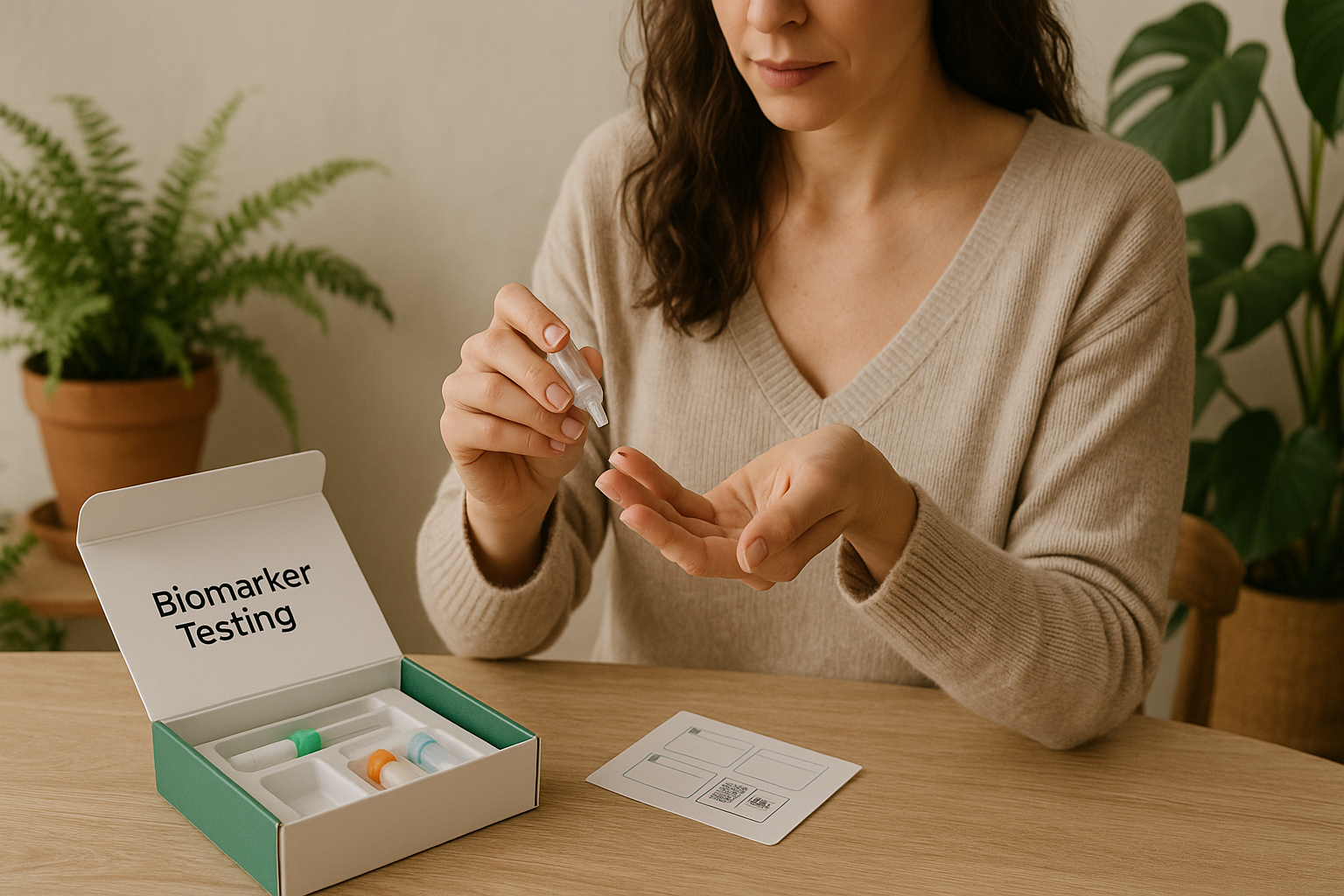
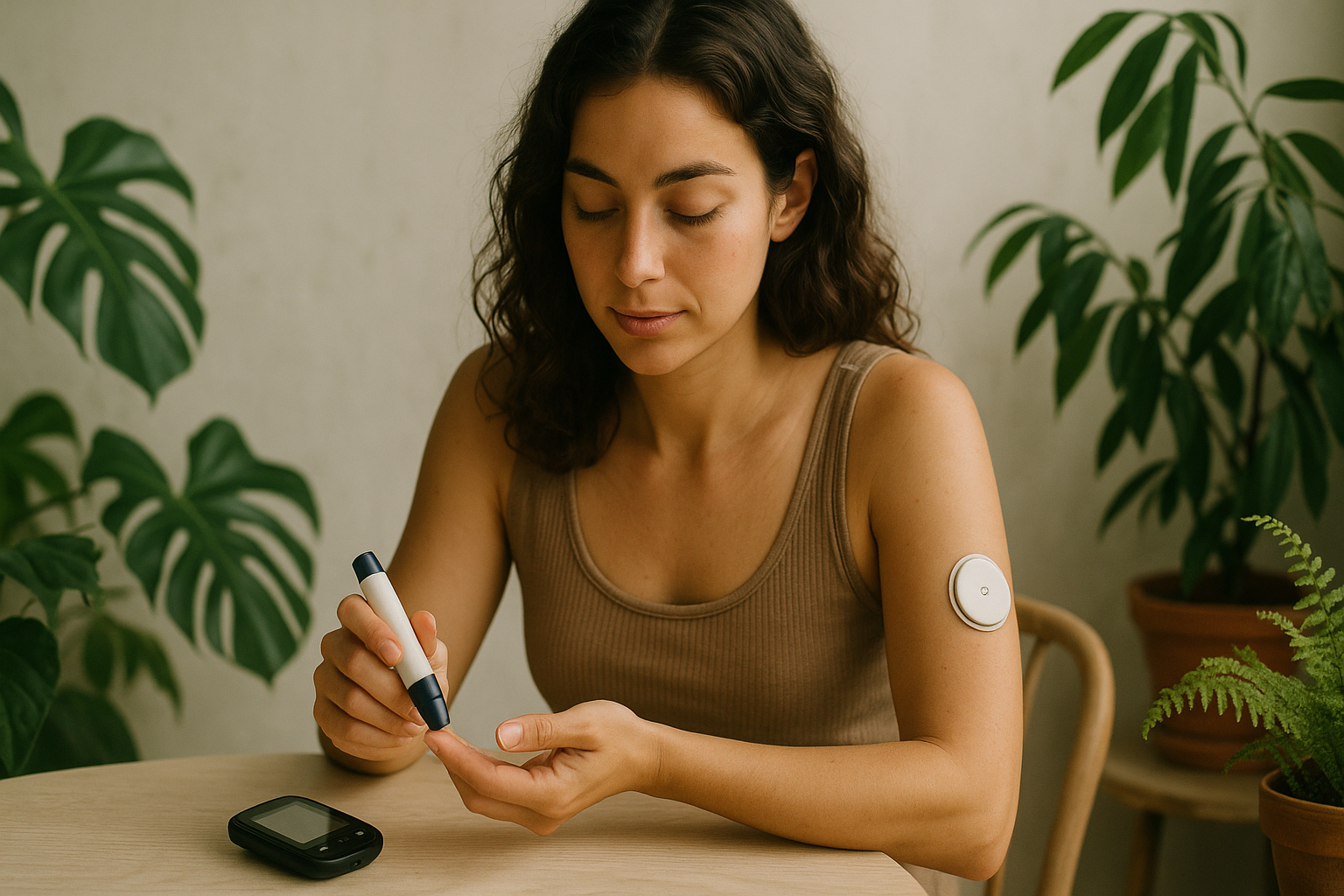
Monitoring specific biomarkers can provide insights into hormonal health. Some relevant hormones and biomarkers to track include:
- Insulin levels
- Cortisol levels
- Thyroid hormones (T3, T4, TSH)
- Sex hormones (estrogen, progesterone, testosterone)
- Vitamin D levels
Regular testing and tracking of these biomarkers can help individuals and healthcare providers assess hormonal balance and make informed decisions about prevention strategies.
Body Systems Supported
Hormonal prevention supports multiple body systems, including:
- Endocrine System: Hormonal balance is fundamental to the endocrine system's function, impacting the production and regulation of various hormones.
- Metabolic System: Proper hormonal function is crucial for metabolism, influencing how the body processes nutrients and maintains energy levels.
- Reproductive System: Hormones regulate reproductive health, including menstrual cycles, fertility, and menopause.
- Nervous System: Hormones affect mood, cognition, and stress response, highlighting the connection between hormonal balance and mental health.
Common Goals
The primary goals of hormonal prevention include:
- Maintaining hormonal balance
- Preventing hormone-related diseases
- Enhancing overall well-being
- Improving metabolic health
- Supporting reproductive health
Safety, Contraindications & Edge Cases
While hormonal prevention strategies can be beneficial, certain safety considerations are essential. Individuals should be cautious with hormonal therapies, as they may not be suitable for everyone. Contraindications can include specific medical conditions, such as hormone-sensitive cancers or certain cardiovascular issues. Additionally, some individuals may experience adverse reactions to hormonal supplements or therapies.
It is vital to engage with qualified healthcare professionals when considering hormonal interventions to ensure a tailored approach that accounts for individual health histories and risks.
Pairs Well With
Hormonal prevention strategies can be complemented by various ancient and natural approaches, including:
- Ayurveda: This traditional Indian system emphasizes dietary and lifestyle practices that align with individual constitutions to support hormonal health.
- Traditional Chinese Medicine: Practices such as acupuncture and herbal remedies can be used to balance hormones and support overall wellness.
- Nutrition: Integrative nutritional strategies, including the incorporation of adaptogens and phytoestrogens, can aid in hormonal balance.
FAQs (5)
- What is hormonal prevention? Hormonal prevention involves strategies to maintain or restore hormonal balance to support health and prevent disease.
- How can I balance my hormones naturally? You can balance hormones through diet, exercise, stress management, and sleep hygiene.
- Are hormonal therapies safe? Hormonal therapies can be beneficial but may not be safe for everyone. Consulting a healthcare provider is essential.
- What biomarkers should I monitor for hormonal health? Relevant biomarkers include insulin, cortisol, thyroid hormones, sex hormones, and vitamin D levels.
- Can lifestyle changes really affect hormone levels? Yes, lifestyle changes can significantly impact hormone levels and overall hormonal health.
Frequently asked
What is hormonal prevention?
Hormonal prevention involves strategies to maintain or restore hormonal balance to support health and prevent disease.
How can I balance my hormones naturally?
You can balance hormones through diet, exercise, stress management, and sleep hygiene.
Are hormonal therapies safe?
Hormonal therapies can be beneficial but may not be safe for everyone. Consulting a healthcare provider is essential.
What biomarkers should I monitor for hormonal health?
Relevant biomarkers include insulin, cortisol, thyroid hormones, sex hormones, and vitamin D levels.
Can lifestyle changes really affect hormone levels?
Yes, lifestyle changes can significantly impact hormone levels and overall hormonal health.