Longevity Planning
Explore longevity planning in preventive wellness, covering its definition, mechanisms, evidence, practical applications, and safety considerations.

Longevity planning is an essential component of preventive wellness, focusing on strategies to enhance lifespan and healthspan through proactive measures. It encompasses a holistic approach that integrates lifestyle, nutrition, and mental well-being to promote vitality as we age.
What It Is
Longevity planning refers to a comprehensive strategy aimed at enhancing both lifespan and healthspan, which is the period of life spent in good health. This approach emphasizes proactive measures that individuals can take to optimize their physical, mental, and emotional well-being as they age. By understanding the factors that contribute to aging and disease, longevity planning seeks to create a personalized roadmap for healthier living.
At its core, longevity planning involves a combination of lifestyle choices, nutritional strategies, and mental health practices designed to enhance vitality. It recognizes the interconnectedness of various aspects of health, advocating for a balanced approach that includes physical activity, proper nutrition, stress management, and social engagement. By implementing these strategies, individuals can work towards achieving a longer, healthier life.
Mechanism / How It Works
Longevity planning operates on several biological and lifestyle mechanisms that influence the aging process. Key components include:
- Caloric Restriction: Studies suggest that reducing caloric intake without malnutrition may extend lifespan by promoting metabolic health and reducing oxidative stress.
- Physical Activity: Regular exercise is known to improve cardiovascular health, maintain muscle mass, and enhance cognitive function, all of which are crucial for healthy aging.
- Nutritional Choices: A diet rich in antioxidants, healthy fats, and essential nutrients can combat inflammation and support cellular repair processes.
- Mental Well-Being: Practices such as mindfulness and stress reduction can improve mental health, which is closely linked to physical health outcomes.
- Social Connections: Maintaining strong social ties has been associated with lower mortality rates and improved quality of life.
Evidence Summary
The evidence surrounding longevity planning is a mix of preliminary research, clinical studies, and some conflicting data. While many studies indicate that lifestyle factors significantly affect aging, the science is still evolving.
Preliminary research shows promising results in areas such as caloric restriction and its effects on lifespan in various animal models. Clinical studies often highlight the benefits of physical activity and nutrition on reducing chronic disease risk. However, conflicting data can arise from studies on specific diets or supplements, where results may vary based on individual genetics and lifestyle factors. Overall, while there is strong evidence supporting the benefits of a healthy lifestyle for longevity, more research is needed to fully understand the complexities involved.
Practical Application
To implement longevity planning effectively, individuals can adopt the following protocols:
- Daily Routine: Incorporate at least 30 minutes of moderate physical activity, such as brisk walking or cycling.
- Nutritional Guidelines: Focus on a diet that includes a variety of fruits, vegetables, whole grains, lean proteins, and healthy fats.
- Mental Health Practices: Engage in mindfulness or meditation exercises several times a week to manage stress.
- Social Engagement: Prioritize social interactions through community activities or maintaining friendships.
Common pitfalls include neglecting sleep hygiene, over-restricting diets, or not adapting the plan to fit personal needs and preferences. It's important to approach longevity planning with flexibility and a willingness to adjust based on individual responses.
Relevant Biomarkers & Tracking
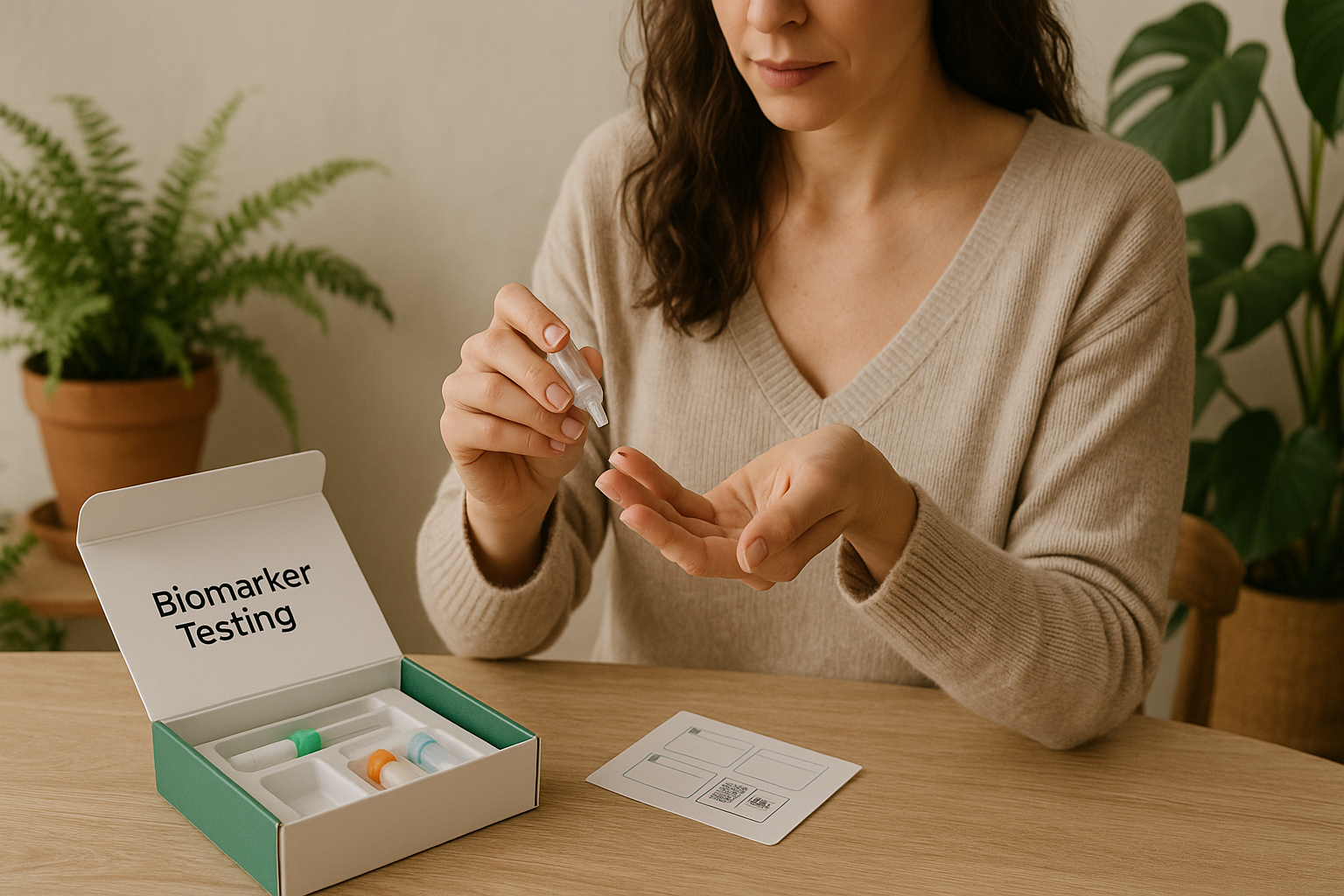
Monitoring specific biomarkers can provide insights into overall health and aging. Some key biomarkers to track include:
- Inflammatory Markers: Such as C-reactive protein (CRP), which can indicate chronic inflammation levels.
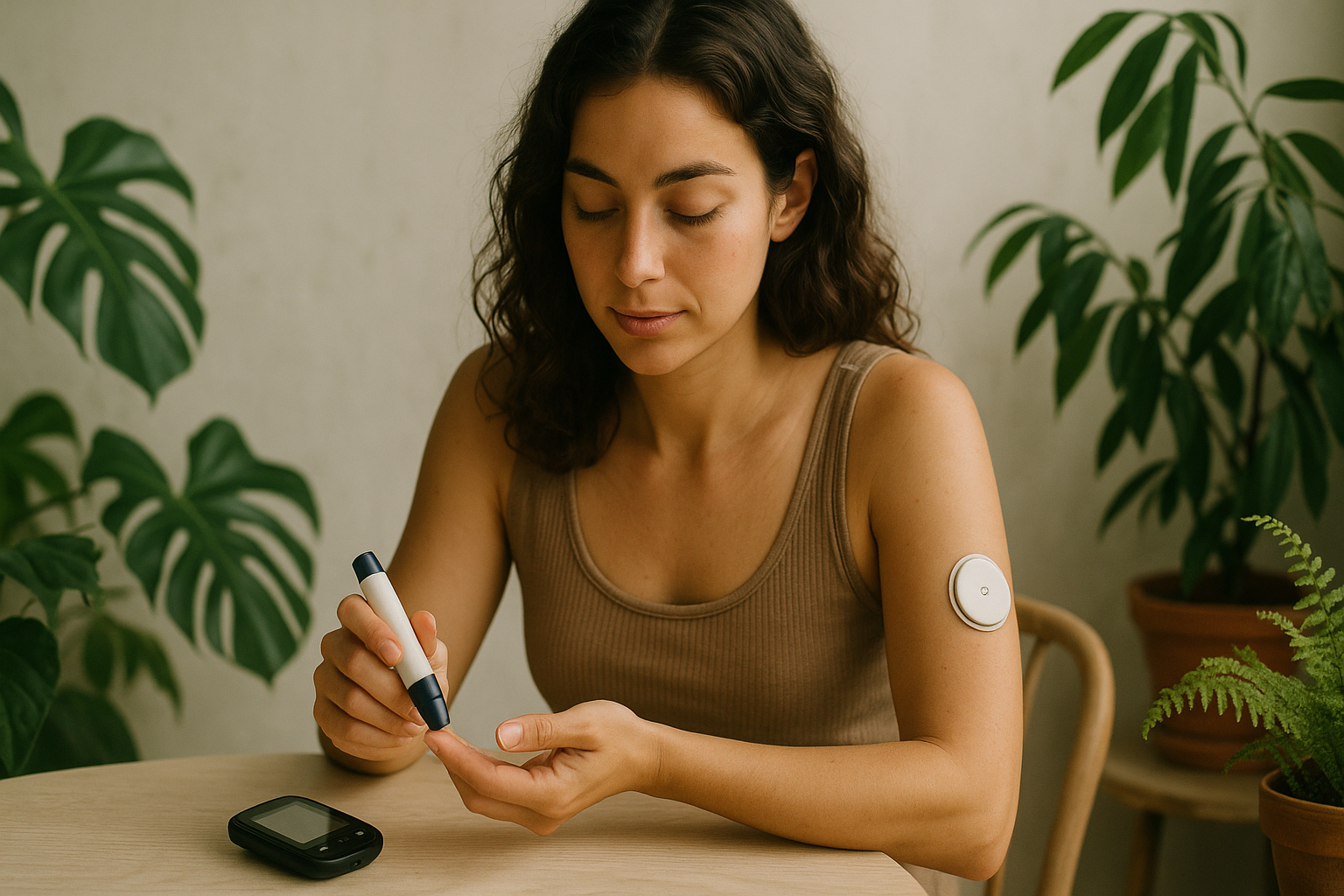
- Blood Sugar Levels: Monitoring fasting glucose and HbA1c can provide information on metabolic health.
- Lipid Profile: Tracking cholesterol levels helps assess cardiovascular health.
- Body Composition: Measuring muscle mass versus fat mass can indicate physical fitness and metabolic rate.
- Hormonal Levels: Assessing hormones such as cortisol and testosterone can provide insights into stress and overall vitality.
Body Systems Supported
Longevity planning supports various body systems, including:
- Cardiovascular System: Improved diet and exercise enhance heart health.
- Musculoskeletal System: Regular activity maintains bone density and muscle strength.
- Nervous System: Mental health practices support cognitive function and emotional well-being.
- Endocrine System: Nutrition and lifestyle choices can help balance hormones and metabolic processes.
- Immune System: A healthy lifestyle boosts immune function and reduces inflammation.
Common Goals
The primary goals of longevity planning often include:
- Enhancing overall lifespan and healthspan.
- Reducing the risk of chronic diseases.
- Improving physical fitness and mobility.
- Supporting mental health and cognitive function.
- Fostering strong social connections and emotional well-being.
Safety, Contraindications & Edge Cases
While longevity planning is generally safe for most individuals, certain considerations should be noted:
- Individual Health Conditions: Those with pre-existing health conditions should consult healthcare providers before making significant lifestyle changes.
- Dietary Restrictions: Individuals with specific dietary needs or allergies should tailor nutrition plans accordingly.
- Exercise Limitations: Some may have physical limitations that require modified exercise plans.
- Aging Population: Older adults should consider balance and fall prevention strategies when increasing physical activity.
Pairs Well With
Longevity planning can complement various ancient and natural wellness practices, such as:
- Ayurveda: This traditional Indian system emphasizes a balanced diet, herbal remedies, and holistic health.
- Traditional Chinese Medicine: Focuses on the balance of yin and yang through diet, acupuncture, and herbal treatments.
- Mindfulness and Meditation: Techniques that promote mental clarity and stress reduction.
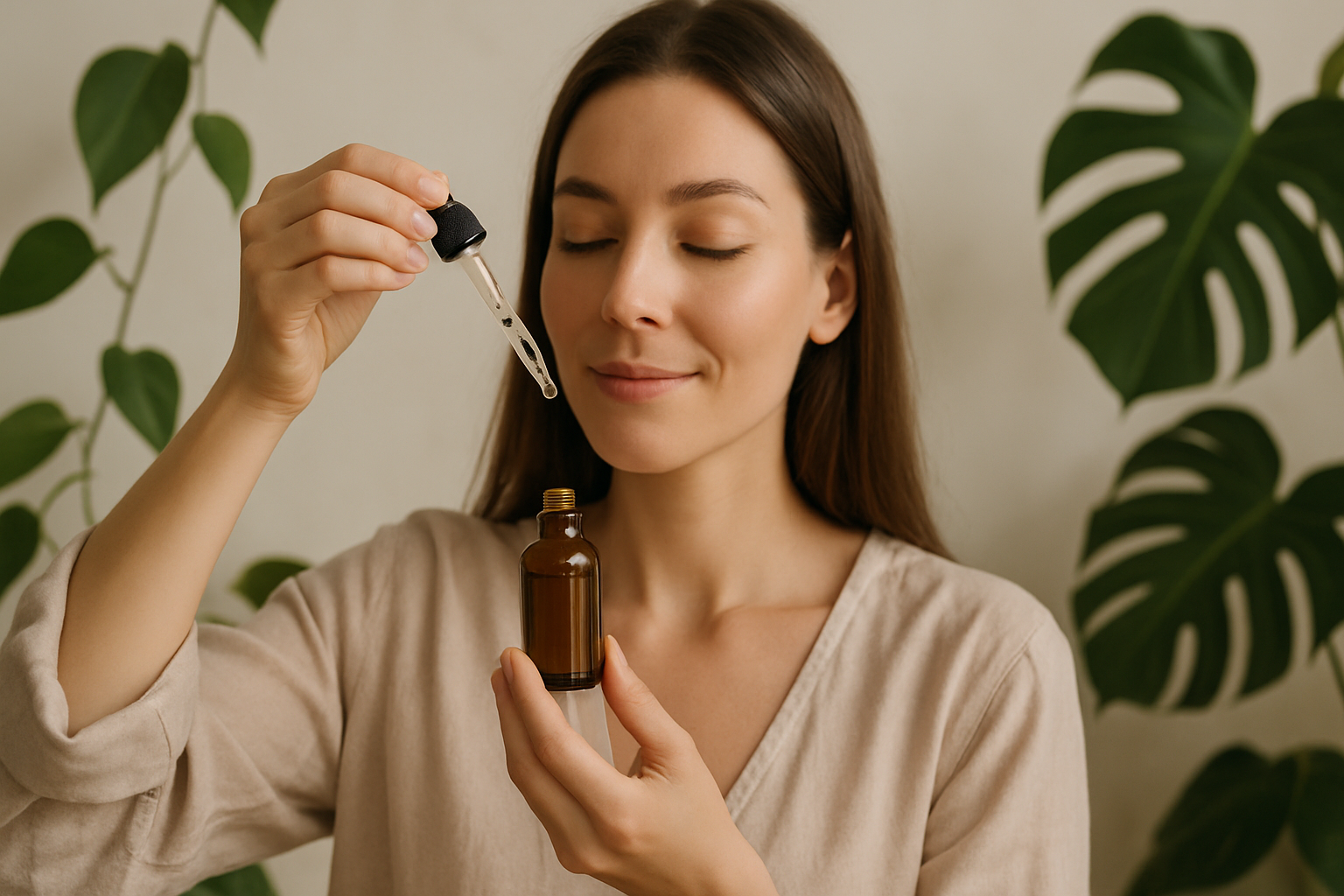
- Herbal Supplements: Certain herbs like ashwagandha and turmeric may support longevity and vitality.
FAQs (5)
- What is longevity planning?
Longevity planning involves strategies aimed at enhancing lifespan and healthspan through lifestyle, nutrition, and mental well-being. - How can I start longevity planning?
Begin by incorporating regular exercise, a balanced diet, and mental health practices into your daily routine. - What are the key factors influencing longevity?
Key factors include genetics, lifestyle choices, diet, physical activity, and social connections. - Is longevity planning suitable for everyone?
While generally safe, individuals with specific health conditions should consult healthcare professionals before making changes. - How do I track my progress in longevity planning?
Monitoring biomarkers like inflammatory markers, blood sugar levels, and body composition can help assess health improvements.
Frequently asked
What is longevity planning?
Longevity planning involves strategies aimed at enhancing lifespan and healthspan through lifestyle, nutrition, and mental well-being.
How can I start longevity planning?
Begin by incorporating regular exercise, a balanced diet, and mental health practices into your daily routine.
What are the key factors influencing longevity?
Key factors include genetics, lifestyle choices, diet, physical activity, and social connections.
Is longevity planning suitable for everyone?
While generally safe, individuals with specific health conditions should consult healthcare professionals before making changes.
How do I track my progress in longevity planning?
Monitoring biomarkers like inflammatory markers, blood sugar levels, and body composition can help assess health improvements.