Sleep Prevention
Discover how Sleep Prevention can enhance your overall wellness by understanding its mechanisms, practical applications, and the body systems it supports.
Explore the concept of Sleep Prevention within Preventive Wellness. Understand its mechanisms, evidence, applications, and safety considerations while enhancing your knowledge about relevant biomarkers and body systems supported.
What It Is
Sleep Prevention refers to the proactive strategies and practices aimed at preventing sleep disruptions and disorders before they occur. As part of preventive wellness, it emphasizes the importance of maintaining quality sleep to enhance overall health and well-being. By focusing on sleep hygiene and lifestyle choices, individuals can mitigate risks associated with poor sleep patterns and their subsequent health implications.
Sleep is essential for cognitive function, emotional regulation, and physical health. Prevention strategies may include optimizing sleep environments, establishing consistent sleep schedules, and incorporating relaxation techniques. The goal is to create a holistic approach to sleep that not only addresses existing issues but also prevents future disturbances.
Mechanism / How It Works
The mechanisms of Sleep Prevention involve a multifaceted approach that includes behavioral, environmental, and physiological components. Behavioral strategies may involve cognitive-behavioral techniques that help individuals recognize and alter negative sleep patterns. Environmentally, creating a conducive sleep atmosphere—such as controlling light, noise, and temperature—can significantly enhance sleep quality.
Physiologically, Sleep Prevention can be linked to the regulation of circadian rhythms and the body's natural sleep-wake cycle. Hormones like melatonin play a crucial role in signaling the body when it's time to sleep. By understanding and manipulating these mechanisms, individuals can improve their sleep hygiene and overall health outcomes.
Evidence Summary
The evidence surrounding Sleep Prevention is still developing, with studies indicating both promising findings and areas requiring further exploration. Preliminary research suggests that good sleep hygiene practices, such as maintaining a regular sleep schedule and minimizing screen time before bed, are associated with improved sleep quality and duration.
Clinical studies have demonstrated that interventions like cognitive-behavioral therapy for insomnia (CBT-I) can be effective in addressing sleep disorders, although results may vary among individuals. However, conflicting evidence exists regarding the effectiveness of supplements like melatonin for sleep prevention, indicating that while they may benefit some, they may not be universally effective.
Practical Application
To effectively integrate Sleep Prevention into your daily routine, consider the following protocols:
- Establish a regular sleep schedule by going to bed and waking up at the same time each day.
- Create a sleep-friendly environment by minimizing noise, light, and maintaining a comfortable temperature.
- Limit caffeine and alcohol intake, especially in the hours leading up to bedtime.
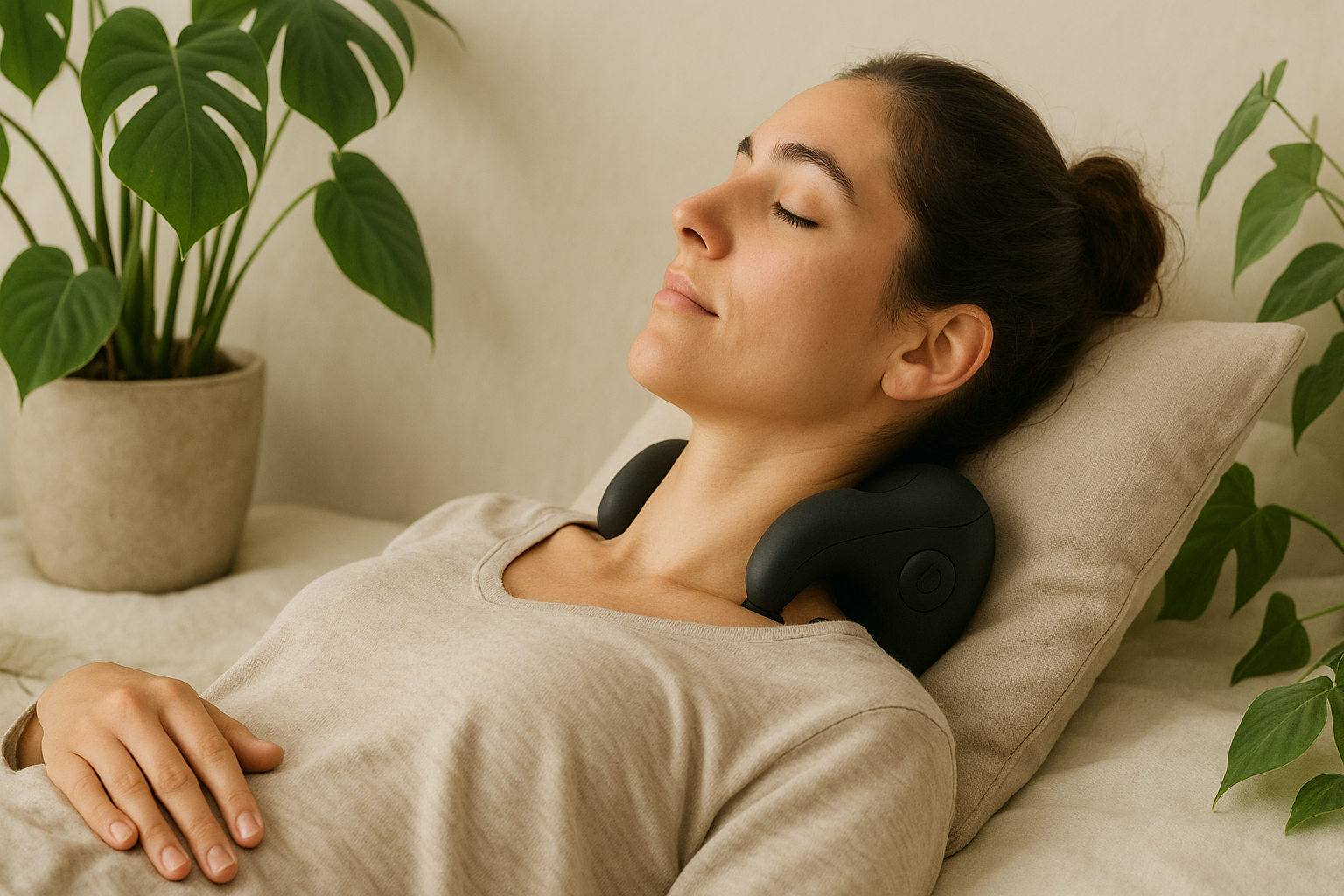
- Incorporate relaxation techniques, such as meditation or deep breathing exercises, to help ease the transition to sleep.
Common pitfalls to avoid include using electronic devices before bed, which can interfere with melatonin production, and neglecting to address underlying stressors that may disrupt sleep.
Relevant Biomarkers & Tracking
Monitoring sleep patterns and quality can be facilitated through various tracking methods. Relevant biomarkers for sleep health include:
- Sleep duration: The total time spent asleep each night.
- Sleep efficiency: The ratio of time spent asleep to the total time spent in bed.
- Sleep latency: The time it takes to fall asleep after getting into bed.
- Wake after sleep onset (WASO): The time spent awake after initially falling asleep.
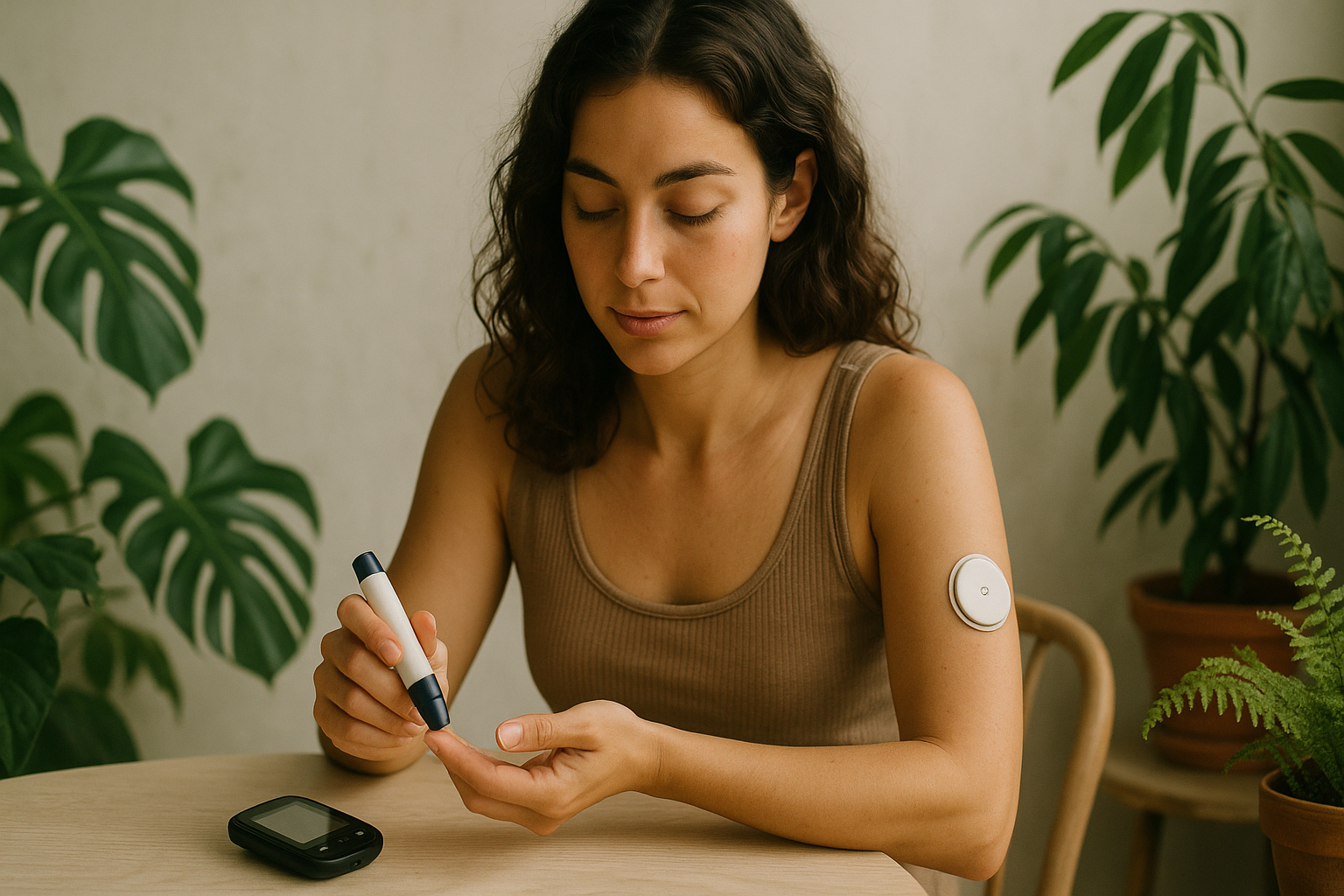
Wearable devices and sleep tracking apps can help individuals monitor these biomarkers, allowing for adjustments to optimize sleep health.
Body Systems Supported
Sleep Prevention supports multiple body systems, including:
- The nervous system: Quality sleep is crucial for cognitive function, memory consolidation, and emotional regulation.
- The endocrine system: Sleep influences hormone regulation, including stress hormones like cortisol.
- The immune system: Adequate sleep is essential for a robust immune response.
- The cardiovascular system: Quality sleep is linked to heart health and blood pressure regulation.
Common Goals
Individuals seeking to implement Sleep Prevention strategies often have common goals such as:
- Improving overall sleep quality and duration.
- Enhancing daytime alertness and productivity.
- Reducing symptoms of anxiety and depression.
- Supporting long-term health and wellness through better sleep habits.
Safety, Contraindications & Edge Cases
While Sleep Prevention practices are generally safe for most individuals, some precautions should be considered:
- Individuals with specific sleep disorders should consult a healthcare professional before making significant changes to their sleep routines.
- Overuse of sleep aids, including melatonin supplements, should be avoided unless prescribed by a doctor.
- Those with chronic health conditions may need tailored sleep strategies to accommodate their unique needs.
Pairs Well With
Sleep Prevention strategies can be enhanced by complementary practices from other wellness pillars, such as:
- Nutrition: A balanced diet rich in sleep-promoting nutrients can support better sleep.
- Exercise: Regular physical activity can improve sleep quality and duration.
- Meditation and mindfulness: These practices can reduce stress and anxiety, promoting relaxation and improved sleep.
FAQs (5)
- What are some effective strategies for improving sleep hygiene? Regular sleep schedules, minimizing screen time before bed, and creating a comfortable sleep environment are key strategies.
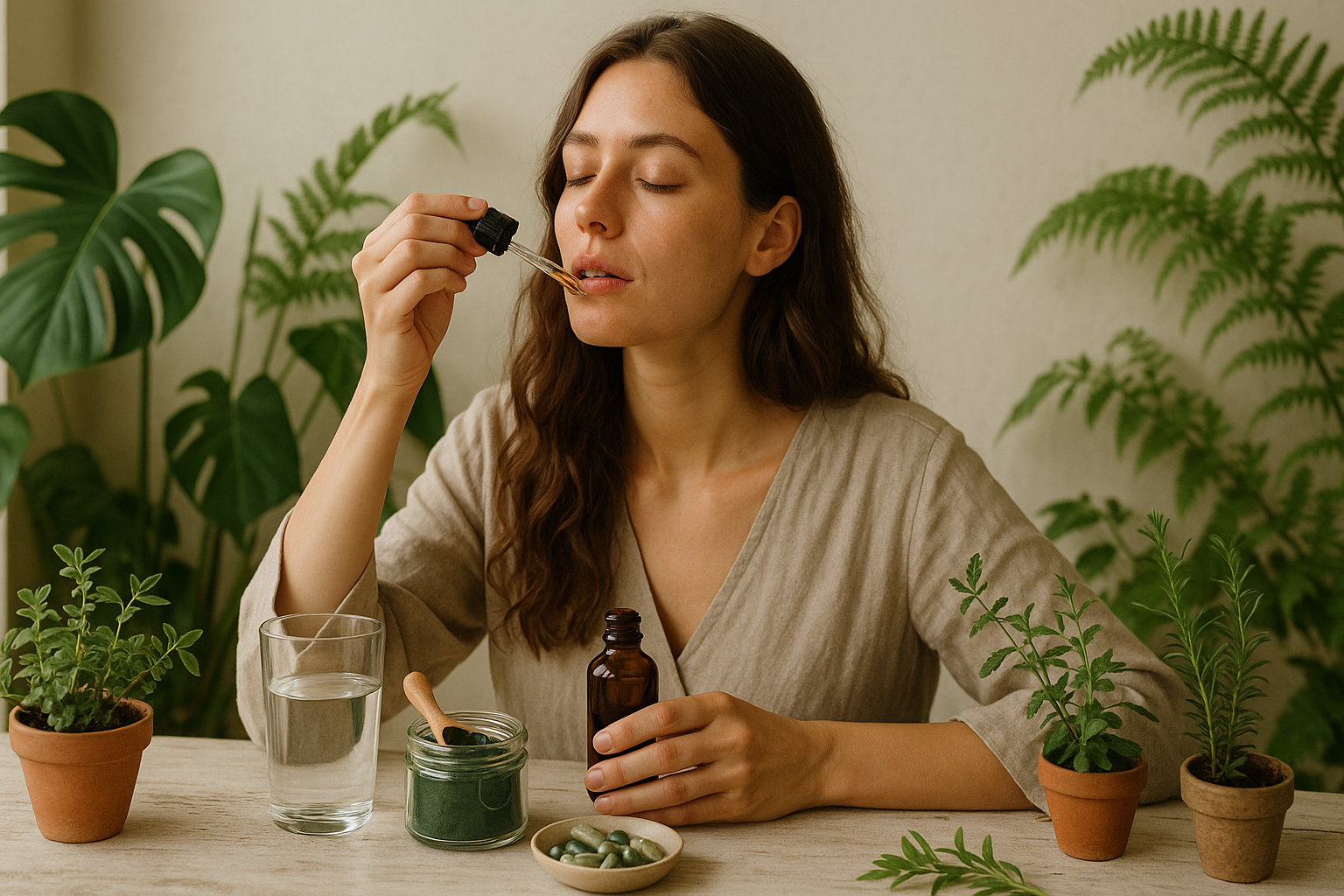
- Can supplements like melatonin help with sleep prevention? While melatonin may benefit some individuals, its effectiveness can vary, and it's not universally recommended.
- How can I track my sleep quality? You can use wearable devices or sleep tracking apps to monitor sleep duration, efficiency, and other relevant biomarkers.
- Are there specific foods that promote better sleep? Foods rich in magnesium, tryptophan, and melatonin can be beneficial, such as almonds, turkey, and cherries.
- What should I do if I consistently struggle to sleep? If sleep issues persist, consider consulting a healthcare professional to explore underlying causes and potential treatments.
Frequently asked
What are some effective strategies for improving sleep hygiene?
Regular sleep schedules, minimizing screen time before bed, and creating a comfortable sleep environment are key strategies.
Can supplements like melatonin help with sleep prevention?
While melatonin may benefit some individuals, its effectiveness can vary, and it's not universally recommended.
How can I track my sleep quality?
You can use wearable devices or sleep tracking apps to monitor sleep duration, efficiency, and other relevant biomarkers.
Are there specific foods that promote better sleep?
Foods rich in magnesium, tryptophan, and melatonin can be beneficial, such as almonds, turkey, and cherries.
What should I do if I consistently struggle to sleep?
If sleep issues persist, consider consulting a healthcare professional to explore underlying causes and potential treatments.