Risk Reduction
Discover how risk reduction strategies can enhance preventive wellness through evidence-based practices, daily integration, and understanding relevant biomarkers.

Explore the multifaceted approach of risk reduction within preventive wellness, focusing on evidence-based practices, mechanisms, and practical applications for maintaining health.
What It Is
Risk reduction in the context of preventive wellness refers to strategies and practices aimed at minimizing the likelihood of developing chronic diseases or health conditions. This proactive approach encompasses lifestyle changes, health screenings, and awareness of risk factors that can lead to significant health issues if left unaddressed. By focusing on prevention rather than treatment, individuals can take control of their health and well-being.
Risk reduction strategies can include dietary modifications, increased physical activity, regular health check-ups, and stress management techniques. Understanding personal risk factors, such as family history and lifestyle choices, is crucial in implementing effective risk reduction measures. Ultimately, the goal is to foster a healthier life and reduce the incidence of diseases such as diabetes, heart disease, and certain cancers.
Mechanism / How It Works
The mechanisms behind risk reduction strategies often involve a combination of behavioral, physiological, and psychological factors. Lifestyle changes, such as improved nutrition and physical activity, can lead to better metabolic health, reduced inflammation, and enhanced immune function. These changes can lower the risk of developing chronic conditions by addressing the underlying causes of disease.
Additionally, regular screenings and awareness allow for the early detection of potential health issues, facilitating timely interventions that can significantly alter health outcomes. By managing stress and improving mental health, individuals can also positively influence their physical health, as psychological well-being is intricately linked to overall health.
Evidence Summary
The evidence supporting risk reduction strategies is extensive, though it varies in strength and context. Numerous studies have demonstrated the effectiveness of lifestyle modifications in reducing the risk of chronic diseases. For example, research has shown that a balanced diet and regular exercise can significantly lower the risk of heart disease and diabetes.
However, some areas remain less conclusive. While certain supplements and alternative therapies are often touted for their preventive benefits, scientific support may be limited or conflicting. It is essential to approach these claims critically and rely on evidence-based practices where possible. The ongoing research continues to refine our understanding of the most effective risk reduction strategies.
Practical Application
Integrating risk reduction strategies into daily life requires a multifaceted approach. Here are some practical steps:
- Diet: Focus on a whole-foods diet rich in fruits, vegetables, whole grains, and lean proteins. Limit processed foods and sugars.
- Exercise: Aim for at least 150 minutes of moderate aerobic activity each week, combined with strength training exercises.
- Screenings: Stay up-to-date with regular health screenings, including blood pressure, cholesterol, and cancer screenings based on age and risk factors.
- Stress Management: Incorporate stress-reduction techniques such as mindfulness, yoga, or deep breathing exercises into your routine.
- Education: Stay informed about personal health risks and engage in discussions with healthcare providers.
Common pitfalls include setting unrealistic goals, neglecting regular check-ups, or becoming overwhelmed by information. Gradual changes and seeking support from healthcare professionals can enhance adherence to risk reduction protocols.
Relevant Biomarkers & Tracking
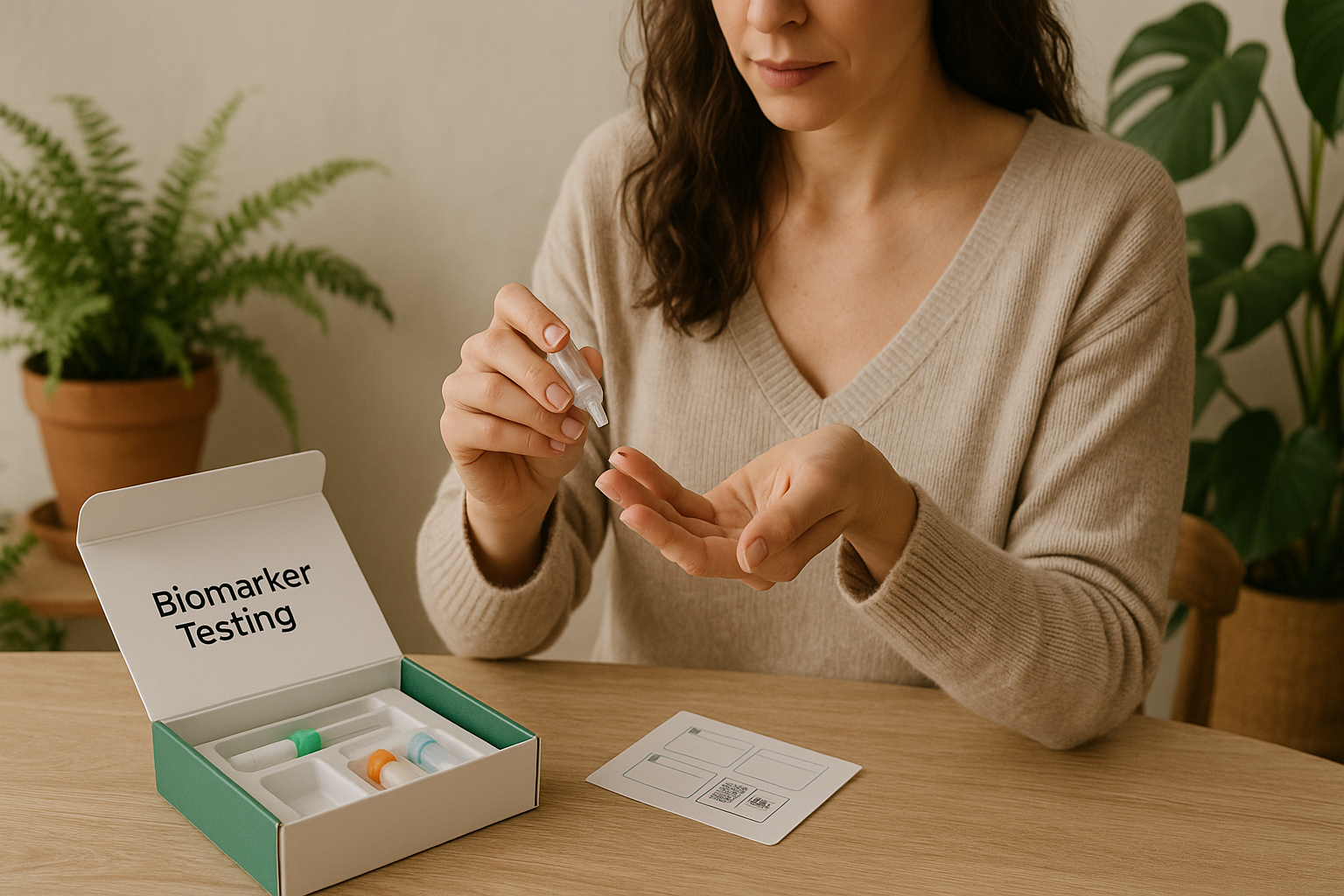
Monitoring specific biomarkers is crucial for effective risk reduction. Some key biomarkers include:
- Body Mass Index (BMI): A measure of body fat based on height and weight.
- Blood Pressure: High blood pressure is a significant risk factor for heart disease.
- Cholesterol Levels: Monitoring LDL (bad) and HDL (good) cholesterol can help assess cardiovascular risk.
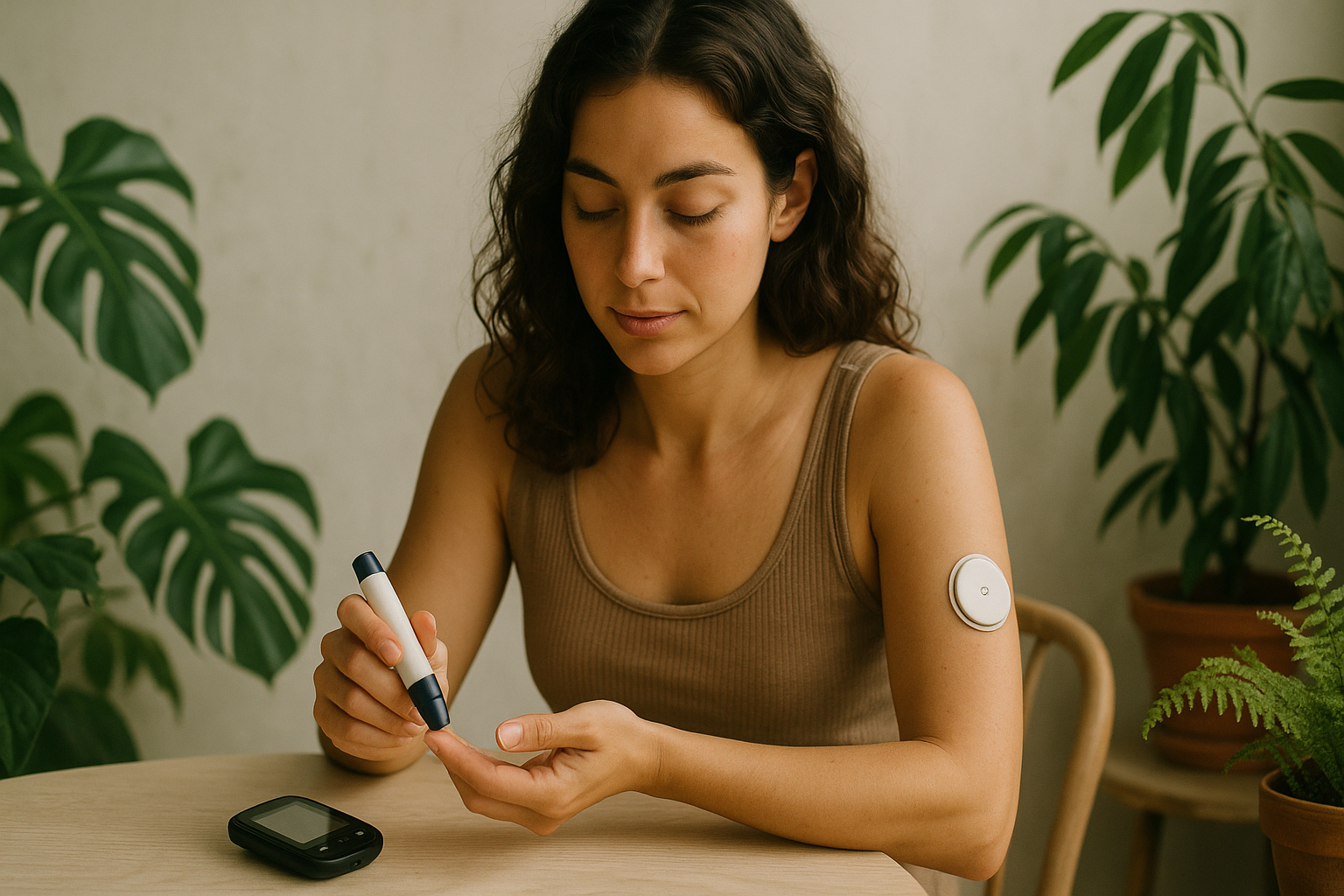
- Blood Glucose Levels: Important for identifying risks related to diabetes.
- Inflammatory Markers: Such as C-reactive protein (CRP), which can indicate inflammation in the body.
Regular tracking of these biomarkers can help individuals understand their health status and make informed decisions regarding risk reduction strategies.
Body Systems Supported
Risk reduction strategies can support various body systems, including:
- Cardiovascular System: Healthy lifestyle choices can lower blood pressure and cholesterol levels.
- Endocrine System: Maintaining balanced blood sugar and hormone levels is crucial for metabolic health.
- Immune System: A nutritious diet and regular exercise can enhance immune function.
- Musculoskeletal System: Physical activity supports bone density and muscle strength.
- Nervous System: Stress management techniques can improve mental health and cognitive function.
Common Goals
Individuals pursuing risk reduction often share common goals, including:
- Decreasing the likelihood of chronic disease development.
- Improving overall physical fitness and mental well-being.
- Enhancing quality of life through healthier lifestyle choices.
- Increasing longevity while maintaining functional independence.
- Building awareness of personal risk factors and proactive management.
Safety, Contraindications & Edge Cases
While risk reduction strategies are generally safe for most individuals, certain contraindications may exist. For example, individuals with specific medical conditions or those on certain medications should consult healthcare professionals before making significant lifestyle changes. Additionally, extreme dieting or excessive exercise can lead to adverse health effects.
Edge cases may include individuals who have a history of eating disorders, severe anxiety, or other mental health conditions. In such cases, it is crucial to approach risk reduction with caution and under professional guidance.
Pairs Well With
Risk reduction strategies can be complemented by various ancient and natural wellness practices:
- Mindfulness and Meditation: Practices that promote mental clarity and reduce stress.
- Herbal Remedies: Certain herbs can support health and wellness when used appropriately.
- Traditional Dietary Approaches: Such as the Mediterranean diet, which has been linked to lower incidence of chronic diseases.
- Physical Therapies: Including yoga and tai chi, which enhance flexibility, balance, and overall well-being.
FAQs (5)
- What is the primary goal of risk reduction? The primary goal is to minimize the likelihood of developing chronic diseases through proactive lifestyle changes and awareness of risk factors.
- How can I begin to implement risk reduction strategies? Start by assessing your current lifestyle, identifying risk factors, and gradually incorporating healthier habits, such as improved diet and regular exercise.
- Are there any specific biomarkers I should monitor? Key biomarkers include body mass index (BMI), blood pressure, cholesterol levels, blood glucose levels, and inflammatory markers.
- Can risk reduction strategies be harmful? While generally safe, certain individuals with specific medical conditions should consult healthcare professionals before making significant lifestyle changes.
- How often should I undergo health screenings? Regular screenings vary based on age and risk factors, but it is generally recommended to consult your healthcare provider for personalized guidance.
Frequently asked
What is the primary goal of risk reduction?
The primary goal is to minimize the likelihood of developing chronic diseases through proactive lifestyle changes and awareness of risk factors.
How can I begin to implement risk reduction strategies?
Start by assessing your current lifestyle, identifying risk factors, and gradually incorporating healthier habits, such as improved diet and regular exercise.
Are there any specific biomarkers I should monitor?
Key biomarkers include body mass index (BMI), blood pressure, cholesterol levels, blood glucose levels, and inflammatory markers.
Can risk reduction strategies be harmful?
While generally safe, certain individuals with specific medical conditions should consult healthcare professionals before making significant lifestyle changes.
How often should I undergo health screenings?
Regular screenings vary based on age and risk factors, but it is generally recommended to consult your healthcare provider for personalized guidance.