Lifestyle Prevention
Discover the importance of lifestyle prevention in modern wellness, including its mechanisms, practical applications, and the body systems it supports.

Explore how lifestyle choices can play a crucial role in preventive wellness, including mechanisms, practical applications, and common goals.
What It Is
Lifestyle prevention refers to the proactive management of health through intentional changes in daily habits and routines. This encompasses a wide range of activities, including diet, exercise, stress management, and sleep hygiene. The goal is to reduce the risk of chronic diseases and enhance overall well-being. By making informed choices about how we live, we can significantly influence our health outcomes.
Preventive wellness emphasizes the importance of lifestyle as a primary factor in maintaining health and preventing illness. Unlike traditional medical approaches that often focus on treating disease after it occurs, lifestyle prevention seeks to address the root causes of health issues. This approach is supported by research showing that many chronic conditions can be prevented or managed through lifestyle interventions.
Mechanism / How It Works
The mechanisms behind lifestyle prevention are multifaceted. At its core, lifestyle changes can lead to improved physiological functioning, reduced inflammation, and better regulation of bodily systems. For example, a balanced diet rich in nutrients can enhance immune function and metabolic health, while regular physical activity can improve cardiovascular health and mental well-being.
Moreover, lifestyle choices can influence genetic expression through epigenetics, where environmental factors affect how genes are expressed. This means that even individuals with a genetic predisposition to certain conditions may mitigate their risk through healthy lifestyle choices.
Evidence Summary
Research on lifestyle prevention is vast and varied. Numerous studies have demonstrated the effectiveness of lifestyle interventions in preventing diseases such as diabetes, heart disease, and certain cancers. For instance, clinical trials have shown that regular physical activity and a healthy diet can lower the risk of cardiovascular events.
However, it is essential to recognize that evidence can be preliminary or conflicting. While some studies highlight the benefits of specific lifestyle changes, others may show minimal impacts or varying results depending on individual circumstances. Thus, while lifestyle prevention is a promising avenue for health improvement, more research is needed to clarify the best practices for various populations.
Practical Application
Integrating lifestyle prevention into daily life can be achieved through several protocols. Here are some practical steps:
- Nutrition: Adopt a balanced diet rich in whole foods, such as fruits, vegetables, whole grains, and lean proteins.
- Exercise: Aim for at least 150 minutes of moderate-intensity aerobic activity each week, combined with strength training exercises.
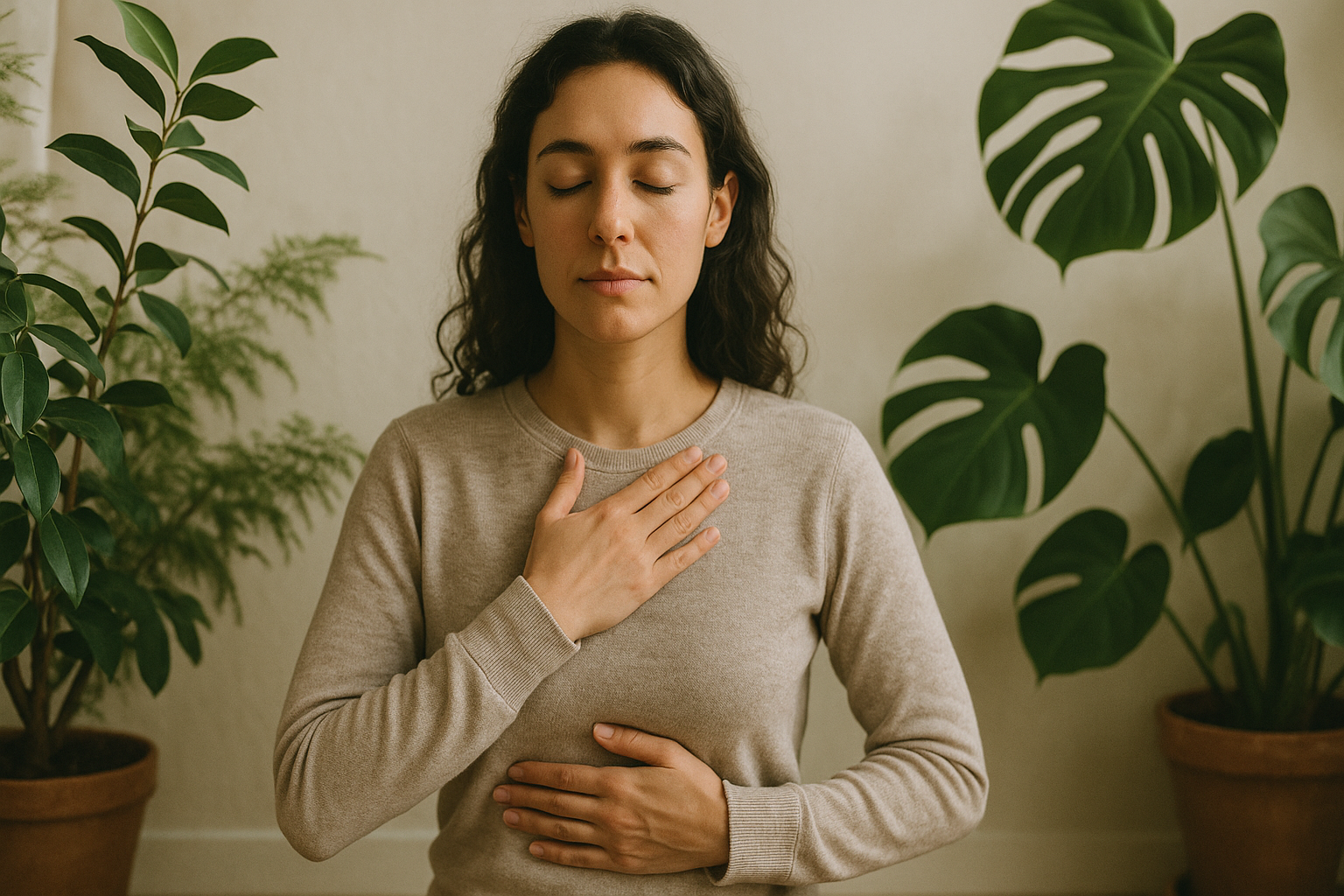
- Stress Management: Incorporate mindfulness practices, such as meditation or yoga, to reduce stress levels.
- Sleep Hygiene: Prioritize quality sleep by establishing a regular sleep schedule and creating a restful environment.
Common pitfalls in lifestyle prevention include unrealistic goal-setting, lack of support, and the challenge of maintaining long-term changes. It is crucial to start with achievable goals and gradually build upon them for sustainable success.
Relevant Biomarkers & Tracking
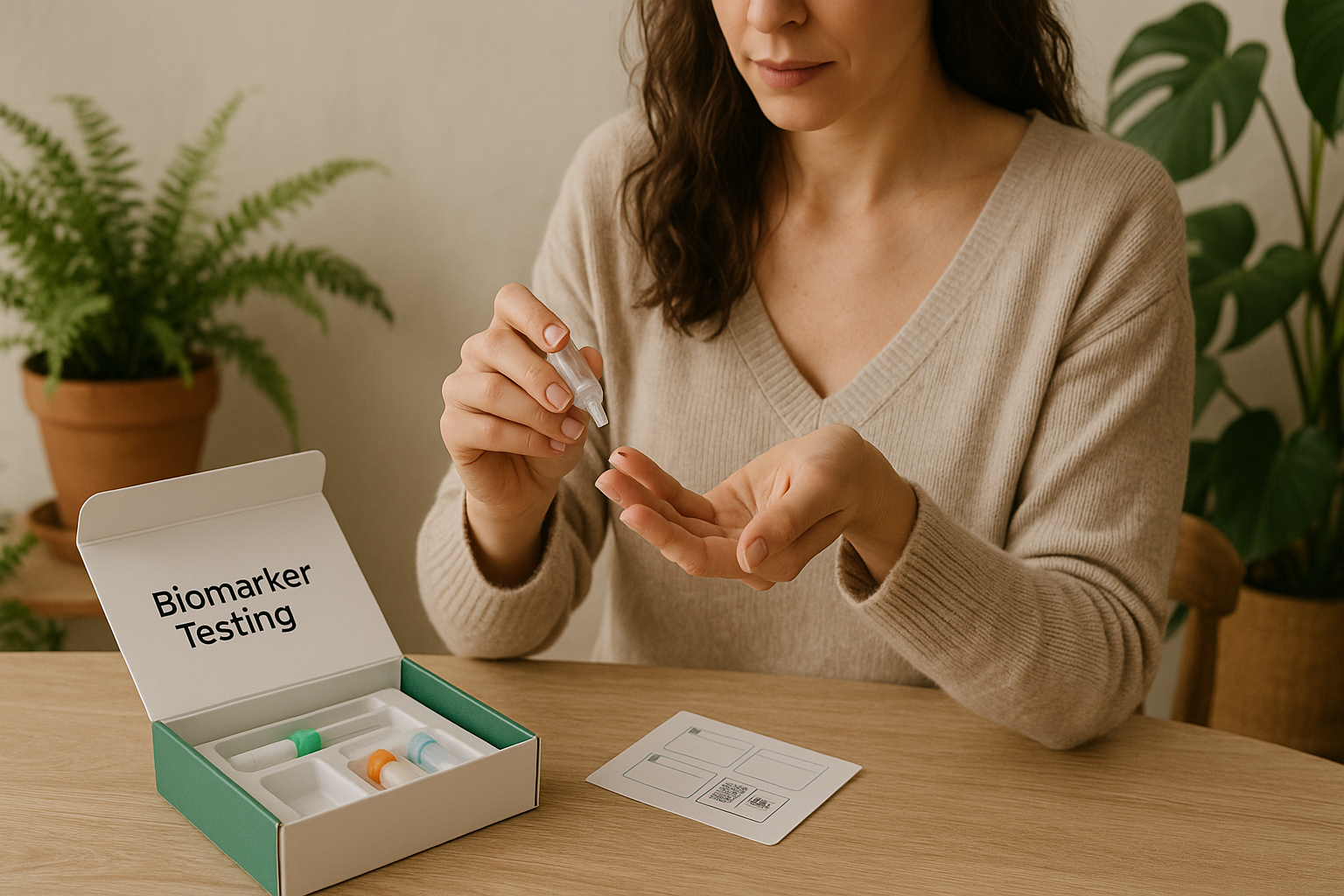
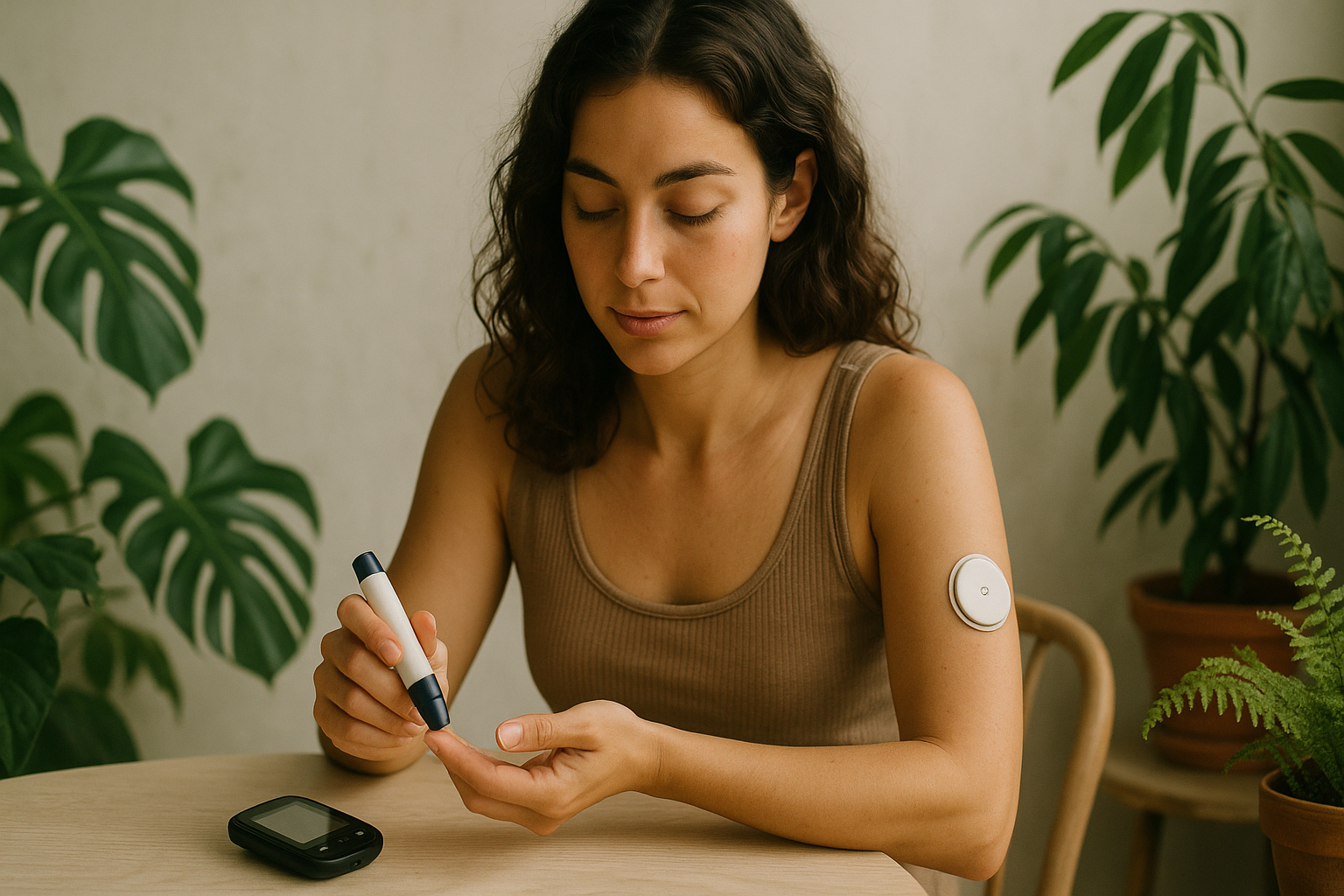
Tracking specific biomarkers can provide insights into the effectiveness of lifestyle changes. Relevant biomarkers include:
- Body Mass Index (BMI): A measure of body fat based on height and weight.
- Blood Pressure: Monitoring can indicate cardiovascular health.
- Cholesterol Levels: Important for assessing heart health.
- Blood Glucose Levels: Monitoring can help identify early signs of insulin resistance or diabetes.
Using wearable technology or apps can assist in tracking these biomarkers, helping individuals stay accountable and motivated.
Body Systems Supported
Lifestyle prevention supports various body systems, including:
- Cardiovascular System: Healthy lifestyle choices can lower blood pressure and cholesterol levels.
- Endocrine System: A balanced diet and exercise can improve hormonal balance and metabolic health.
- Nervous System: Stress management techniques can enhance mental health and cognitive function.
- Immune System: Proper nutrition and regular physical activity can bolster immune response.
Common Goals
The primary goals of lifestyle prevention include:
- Reducing the risk of chronic diseases.
- Enhancing overall physical and mental well-being.
- Improving quality of life.
- Promoting longevity.
Safety, Contraindications & Edge Cases
While lifestyle prevention is generally safe for most individuals, specific contraindications may exist. For example, individuals with certain medical conditions or those recovering from surgery should consult healthcare professionals before making significant lifestyle changes. Additionally, extreme or unverified diets and exercise regimens can pose risks, particularly for individuals with pre-existing health issues.
Pairs Well With
Lifestyle prevention can be complemented by ancient or natural health practices, enhancing its benefits. These may include:
- Traditional Chinese Medicine: Incorporating herbal remedies and acupuncture to support overall wellness.
- Ayurveda: Utilizing dietary and lifestyle principles based on individual constitution for optimal health.
- Mind-Body Practices: Engaging in tai chi, qigong, or yoga to improve physical and mental health.
FAQs (5)
- What are some simple lifestyle changes I can start today? Begin with small changes like drinking more water, incorporating more fruits and vegetables into your meals, and taking short walks throughout the day.
- How long does it take to see results from lifestyle changes? Results can vary, but many individuals notice improvements in energy levels and mood within a few weeks of consistent changes.
- Can lifestyle prevention work for everyone? While lifestyle changes can benefit most individuals, it is essential to personalize approaches based on individual health needs and circumstances.
- Are there any risks associated with lifestyle changes? Risks can arise from extreme diets or exercise regimens; it's best to consult a healthcare professional before making significant changes.
- How can I stay motivated to maintain lifestyle changes? Setting realistic goals, tracking progress, and seeking support from friends or health professionals can help maintain motivation over time.
Frequently asked
What are some simple lifestyle changes I can start today?
Begin with small changes like drinking more water, incorporating more fruits and vegetables into your meals, and taking short walks throughout the day.
How long does it take to see results from lifestyle changes?
Results can vary, but many individuals notice improvements in energy levels and mood within a few weeks of consistent changes.
Can lifestyle prevention work for everyone?
While lifestyle changes can benefit most individuals, it is essential to personalize approaches based on individual health needs and circumstances.
Are there any risks associated with lifestyle changes?
Risks can arise from extreme diets or exercise regimens; it's best to consult a healthcare professional before making significant changes.
How can I stay motivated to maintain lifestyle changes?
Setting realistic goals, tracking progress, and seeking support from friends or health professionals can help maintain motivation over time.