Detox Support
Explore detox support within functional medicine, focusing on its mechanisms, evidence, practical applications, and safety considerations.
Detox support in functional medicine emphasizes the body's natural ability to eliminate toxins and improve overall health through targeted nutritional, lifestyle, and therapeutic interventions. By addressing the root causes of toxin accumulation and enhancing detoxification pathways, individuals can experience improved wellness and vitality.
What It Is
Detox support encompasses a range of practices and protocols designed to enhance the body's natural detoxification processes. In functional medicine, detoxification is viewed as a critical aspect of health, as it helps to may help with harmful substances that can accumulate in the body due to environmental exposure, dietary choices, and lifestyle factors. The goal of detox support is to facilitate the body's ability to process and may help with toxins, thereby promoting overall health and well-being.
Functional medicine practitioners often focus on identifying and addressing the underlying causes of toxin accumulation, which may include poor dietary habits, chronic stress, lack of physical activity, and exposure to environmental pollutants. By understanding these factors, individuals can implement strategies to support their detoxification systems and improve their overall health.
Mechanism / How It Works
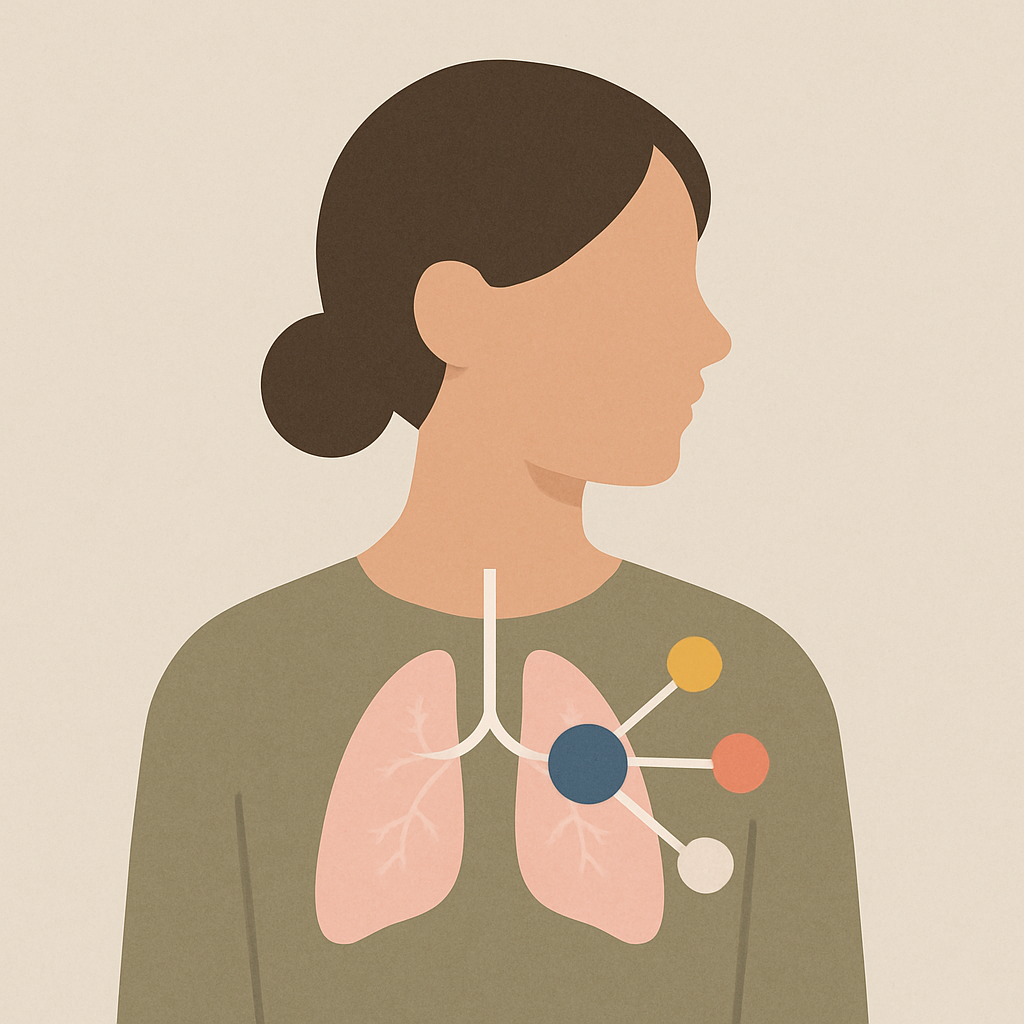
The detoxification process involves multiple organs and systems in the body, primarily the liver, kidneys, lungs, skin, and gastrointestinal tract. These organs work together to break down, transform, and may help with toxins. A variety of nutrients, including vitamins, minerals, and antioxidants, play essential roles in supporting these processes.
Detox support may include dietary changes, such as increasing the intake of whole foods rich in fiber and nutrients, while reducing processed foods and potential toxins. Hydration is also crucial, as water helps to facilitate the elimination of waste products. Additionally, lifestyle modifications, such as regular exercise and stress management techniques, can enhance detoxification by improving circulation and reducing the body's toxic load.
Evidence Summary
The evidence surrounding detox support is mixed, with some studies highlighting the benefits of specific detoxification protocols, while others suggest that the body is capable of detoxifying itself without additional interventions. Preliminary research indicates that certain dietary and lifestyle changes can positively affect biomarkers related to detoxification, such as improved liver function and reduced oxidative stress.
Clinical evidence supporting detox support often comes from small-scale studies or anecdotal reports. While some individuals report improved energy levels and overall well-being after following detox protocols, more rigorous research is needed to establish definitive conclusions. It is important to approach detox support with a critical mindset and recognize the limitations of existing studies.
Practical Application
Implementing detox support can vary based on individual needs and health conditions. Common protocols may include:
- Following a whole-foods-based diet that emphasizes fruits, vegetables, whole grains, and lean proteins.
- Incorporating specific detoxifying foods, such as garlic, cruciferous vegetables, and leafy greens.
- Staying well-hydrated to support kidney function and may help with waste.
- Engaging in regular physical activity to promote circulation and lymphatic drainage.
- Practicing stress management techniques, such as mindfulness, yoga, or deep breathing exercises.
Common pitfalls include over-restriction of nutrients, reliance on supplements without proper guidance, and neglecting the importance of a balanced lifestyle. It is crucial to approach detox support holistically and sustainably.
Relevant Biomarkers & Tracking
Tracking progress during detox support can involve monitoring various biomarkers that reflect the body's detoxification capacity. Relevant biomarkers may include:
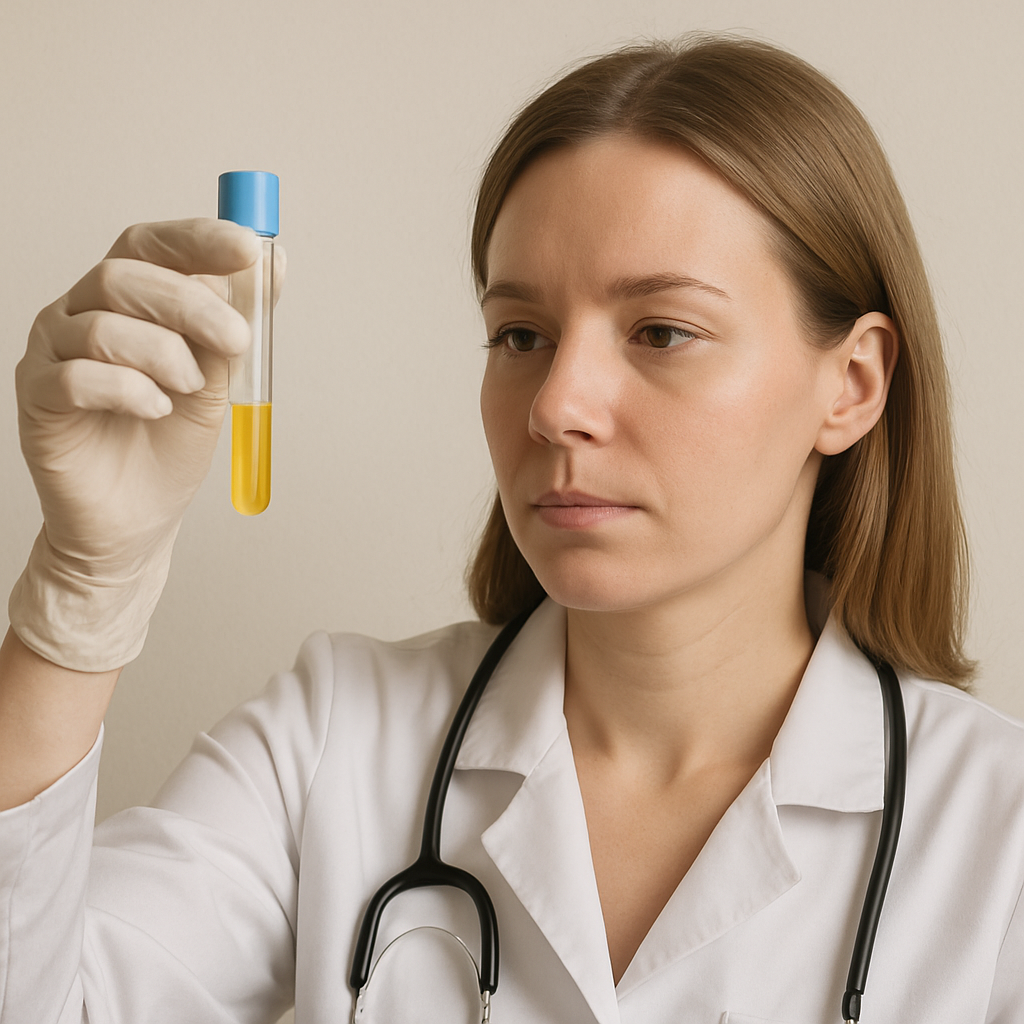
- Liver function tests (e.g., ALT, AST, bilirubin)
- Kidney function markers (e.g., creatinine, BUN)
- Oxidative stress markers (e.g., glutathione levels, malondialdehyde)
- Inflammatory markers (e.g., C-reactive protein)
Regular check-ins with a healthcare provider can help assess the effectiveness of detox protocols and make necessary adjustments.
Body Systems Supported
Detox support primarily focuses on the following body systems:
- Liver: The liver is the body's main detoxification organ, responsible for processing and eliminating toxins.
- Kidneys: The kidneys filter waste products from the blood and regulate fluid balance.
- Digestive System: A healthy gut microbiome supports detoxification by aiding in the breakdown and elimination of toxins.
- Skin: The skin is a vital organ for detoxification, as it can excrete toxins through sweat.
- Immune System: Detox support can help reduce the burden on the immune system by minimizing exposure to harmful substances.
Common Goals
Individuals seeking detox support often aim to achieve the following goals:
- Enhancing the body's natural detoxification processes.
- Improving energy levels and overall vitality.
- Supporting digestive health and regularity.
- Reducing exposure to environmental toxins.
- Promoting a balanced and healthful lifestyle.
Safety, Contraindications & Edge Cases
While detox support can be beneficial for many individuals, it is essential to consider safety and potential contraindications. Individuals with certain health conditions, such as liver disease, kidney dysfunction, or eating disorders, should consult a healthcare professional before starting any detox program. Pregnant or breastfeeding individuals should also exercise caution and seek guidance.
Overly restrictive or extreme detox protocols can lead to nutrient deficiencies and adverse health effects. It is important to focus on balanced, sustainable approaches rather than quick may help with.
Pairs Well With
Detox support can be complemented by various ancient or natural practices that align with functional medicine principles, such as:
- Herbal Medicine: Certain herbs, like milk thistle and dandelion, are traditionally used to support liver function.
- Ayurveda: Ayurvedic detox practices, including Panchakarma, focus on cleansing the body and restoring balance.
- Traditional Chinese Medicine: Acupuncture and specific herbal formulas may aid in detoxification and overall wellness.
FAQs (5)
- What is detox support? Detox support involves practices designed to enhance the body's natural detoxification processes through dietary and lifestyle changes.
- How does detoxification work in the body? Detoxification involves organs like the liver and kidneys working to process and may help with toxins from the body.
- Is there scientific evidence for detox diets? The evidence is mixed, with some studies suggesting benefits, but more rigorous research is needed.
- What are common detox protocols? Common protocols include whole-foods-based diets, hydration, exercise, and stress management.
- Are there any risks associated with detox support? Yes, certain health conditions may contraindicate detox support, and overly restrictive diets can lead to nutrient deficiencies.
Frequently asked
What is detox support?
Detox support involves practices designed to enhance the body's natural detoxification processes through dietary and lifestyle changes.
How does detoxification work in the body?
Detoxification involves organs like the liver and kidneys working to process and eliminate toxins from the body.
Is there scientific evidence for detox diets?
The evidence is mixed, with some studies suggesting benefits, but more rigorous research is needed.
What are common detox protocols?
Common protocols include whole-foods-based diets, hydration, exercise, and stress management.
Are there any risks associated with detox support?
Yes, certain health conditions may contraindicate detox support, and overly restrictive diets can lead to nutrient deficiencies.