Lifestyle Medicine
Discover how Lifestyle Medicine enhances Functional Medicine practices through evidence-based strategies for improving health and wellness.

Explore the principles of Lifestyle Medicine within the framework of Functional Medicine, including its mechanisms, evidence, practical applications, and safety considerations.
What It Is
Lifestyle Medicine is a branch of Functional Medicine that focuses on the use of lifestyle interventions to prevent, is traditionally explored for, and even reverse chronic diseases. It emphasizes the impact of daily habits—such as nutrition, physical activity, sleep, stress management, and social connections—on overall health. By addressing these key areas, Lifestyle Medicine seeks to empower individuals to take charge of their health and well-being.
This approach not only aims to alleviate symptoms but also addresses the root causes of diseases. By integrating evidence-based strategies, Lifestyle Medicine fosters a holistic view of health, recognizing that lifestyle choices significantly influence physiological processes and disease outcomes.
Mechanism / How It Works
Lifestyle Medicine operates on the premise that many chronic conditions are influenced by lifestyle factors. The mechanisms by which it works include:
- Nutritional Interventions: Optimizing diet can reduce inflammation, improve metabolic health, and enhance nutrient status, which are all critical for disease prevention.
- Physical Activity: Regular exercise enhances cardiovascular health, improves mental well-being, and helps maintain a healthy weight.
- Stress Management: Techniques such as mindfulness, meditation, and yoga can mitigate the adverse effects of stress on the body, promoting better hormonal balance and immune function.
- Social Support: Engaging with community and fostering relationships can improve mental health and encourage adherence to lifestyle changes.
Evidence Summary
The evidence supporting Lifestyle Medicine is growing, though it is essential to approach it with a balanced perspective. Some key points include:
- Preliminary Evidence: Numerous studies suggest that lifestyle interventions can significantly improve outcomes in conditions such as obesity, diabetes, and hypertension.
- Clinical Evidence: Randomized controlled trials have demonstrated the efficacy of specific lifestyle changes, such as dietary modifications and increased physical activity, in managing chronic diseases.
- Conflicting Data: While many studies show positive outcomes, some may have methodological limitations, and the effectiveness can vary based on individual circumstances, making it crucial to personalize approaches.
Practical Application
Implementing Lifestyle Medicine involves creating structured protocols and daily integration strategies, including:
- Personalized Nutrition Plans: Tailoring dietary recommendations to individual needs and preferences.
- Exercise Routines: Incorporating both aerobic and strength-training exercises into daily life.
- Mindfulness Practices: Establishing routines for stress management, such as meditation or deep-breathing exercises.
- Social Engagement: Encouraging participation in community activities or support groups.
Common pitfalls include resistance to change, lack of support, or unrealistic expectations. It's essential to set achievable goals and seek professional guidance when necessary.
Relevant Biomarkers & Tracking
Monitoring progress in Lifestyle Medicine can be enhanced through various biomarkers and tracking methods, including:
- Body Mass Index (BMI): A key indicator of body weight relative to height.
- Blood Pressure: Regular monitoring can help assess cardiovascular health.
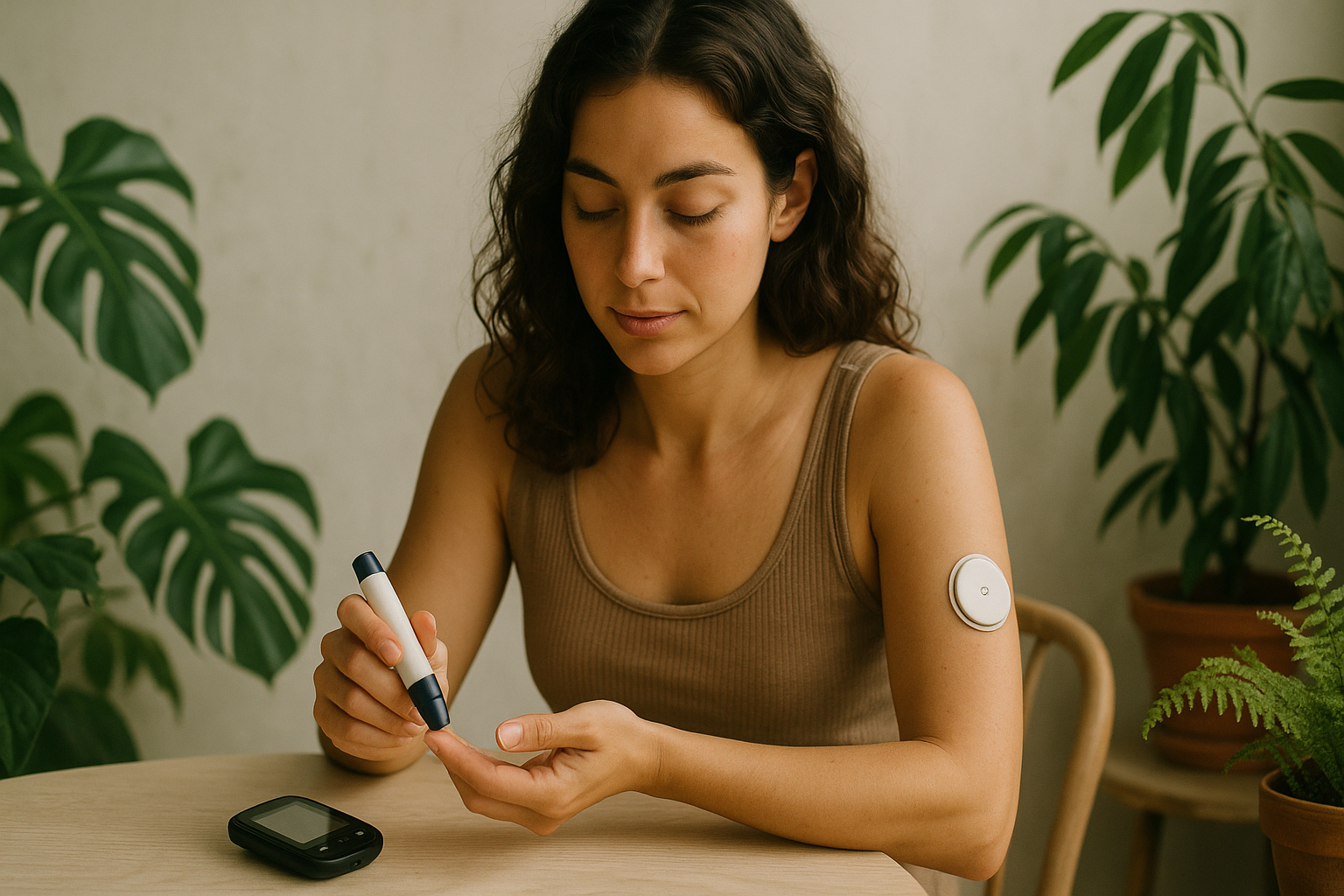
- Blood Glucose Levels: Important for those managing diabetes or metabolic syndrome.
- Cholesterol Levels: Tracking lipid profiles can indicate heart health.
- Physical Activity Levels: Using wearable devices to monitor exercise frequency and intensity.
Body Systems Supported
Lifestyle Medicine has a profound impact on several body systems, including:
- Cardiovascular System: Improved diet and exercise promote heart health.
- Endocrine System: Lifestyle changes can help regulate hormones and metabolism.
- Immune System: Stress reduction and nutrition can bolster immune function.
- Musculoskeletal System: Physical activity supports bone and muscle health.
- Nervous System: Mindfulness practices can enhance mental health and cognitive function.
Common Goals
The primary goals of Lifestyle Medicine include:
- Weight management and reduction of obesity.
- Improvement in metabolic health, including blood sugar control.
- Enhanced cardiovascular health.
- Better mental health and emotional well-being.
- Increased longevity and quality of life.
Safety, Contraindications & Edge Cases
While Lifestyle Medicine is generally safe, there are considerations to bear in mind:
- Medical Conditions: Individuals with certain medical conditions should consult healthcare providers before making significant lifestyle changes.
- Medication Interactions: Changes in diet and exercise may affect the efficacy of medications.
- Individual Variability: Responses to lifestyle changes can vary widely; what works for one person may not work for another.
Pairs Well With
Lifestyle Medicine complements various ancient and natural health practices, including:
- Ayurveda: Focuses on diet and lifestyle tailored to individual constitutions.
- Traditional Chinese Medicine: Emphasizes balance and holistic approaches to health.
- Herbal Medicine: Can support lifestyle changes with natural remedies.
- Mindfulness Practices: Enhances the mental aspect of wellness.
FAQs (5)
- What is the primary focus of Lifestyle Medicine? Lifestyle Medicine focuses on using lifestyle changes to prevent and is traditionally explored for chronic diseases by addressing diet, exercise, stress, and social connections.
- How can I start implementing Lifestyle Medicine in my life? Begin by assessing your current lifestyle habits, setting realistic goals, and gradually incorporating changes such as healthier eating and regular physical activity.
- Is there scientific evidence supporting Lifestyle Medicine? Yes, numerous studies demonstrate the effectiveness of lifestyle interventions in managing chronic diseases, although results can vary among individuals.
- Are there any risks associated with Lifestyle Medicine? While generally safe, individuals with specific medical conditions should consult healthcare providers before making significant lifestyle changes.
- How can I track my progress in Lifestyle Medicine? You can track progress using biomarkers like BMI, blood pressure, and blood glucose levels, alongside monitoring physical activity through wearable devices.
Frequently asked
What is the primary focus of Lifestyle Medicine?
Lifestyle Medicine focuses on using lifestyle changes to prevent and treat chronic diseases by addressing diet, exercise, stress, and social connections.
How can I start implementing Lifestyle Medicine in my life?
Begin by assessing your current lifestyle habits, setting realistic goals, and gradually incorporating changes such as healthier eating and regular physical activity.
Is there scientific evidence supporting Lifestyle Medicine?
Yes, numerous studies demonstrate the effectiveness of lifestyle interventions in managing chronic diseases, although results can vary among individuals.
Are there any risks associated with Lifestyle Medicine?
While generally safe, individuals with specific medical conditions should consult healthcare providers before making significant lifestyle changes.
How can I track my progress in Lifestyle Medicine?
You can track progress using biomarkers like BMI, blood pressure, and blood glucose levels, alongside monitoring physical activity through wearable devices.