Integrative Protocols
Explore integrative protocols within functional medicine, focusing on their mechanisms, evidence, practical applications, and safety considerations.

Integrative protocols in functional medicine represent a holistic approach to health, emphasizing personalized treatment plans that address the root causes of health issues. By combining traditional and alternative therapies, these protocols support the body's inherent ability to heal, leading to improved overall wellness.
What It Is
Integrative protocols in functional medicine refer to a combination of therapeutic approaches that seek to address the root causes of health conditions rather than merely alleviating symptoms. This methodology incorporates a variety of practices, including conventional medicine, nutritional therapy, lifestyle changes, and alternative therapies such as acupuncture or herbal medicine. The goal is to create a comprehensive treatment plan tailored to the individual’s unique health profile and needs.
These protocols are rooted in the principles of holistic health, which recognize that the body, mind, and spirit are interconnected. By considering the individual as a whole, integrative protocols aim to promote optimal health and prevent future health issues. This approach emphasizes patient engagement and education, empowering individuals to take an active role in their health journey.
Mechanism / How It Works
Integrative protocols work by addressing multiple facets of an individual’s health. They combine various treatment modalities to enhance the body’s natural healing processes. For example, a protocol may include dietary modifications to improve nutrition, physical activity to enhance fitness, and stress management techniques to support mental health.
The integration of diverse therapies allows for a synergistic effect, where the combined impact of different treatments can lead to better outcomes than when treatments are used in isolation. Additionally, these protocols often involve regular monitoring and adjustments based on the patient’s response, ensuring that the approach remains effective and relevant to the individual’s evolving health needs.
Evidence Summary
The evidence surrounding integrative protocols is varied, with some studies supporting their efficacy while others show mixed results. Preliminary evidence suggests that integrative approaches can be beneficial for managing chronic conditions such as diabetes, heart disease, and chronic pain. Clinical trials have indicated that combining conventional treatments with complementary therapies may enhance treatment outcomes and improve quality of life for some patients.
However, there is also conflicting evidence regarding certain practices within integrative protocols. While some alternative therapies demonstrate potential benefits, others lack robust scientific support. It is important to approach integrative protocols with a critical eye, recognizing that more high-quality research is needed to establish definitive conclusions regarding their effectiveness.
Practical Application
Implementing integrative protocols involves a multi-faceted approach. Practitioners often begin with a comprehensive assessment of the patient’s medical history, lifestyle factors, and health goals. Based on this information, a personalized treatment plan is developed, which may include:
- Nutritional guidance to support overall health.
- Physical activity recommendations tailored to the individual’s capabilities.
- Mindfulness and stress reduction techniques.
- Supplementation with vitamins or herbal remedies as needed.
It is crucial for individuals to remain engaged in their treatment process, regularly communicating with their healthcare provider about their experiences and any changes in their condition. Common pitfalls include over-reliance on unproven therapies, neglecting conventional medical advice, and not considering potential interactions between different treatments.
Relevant Biomarkers & Tracking
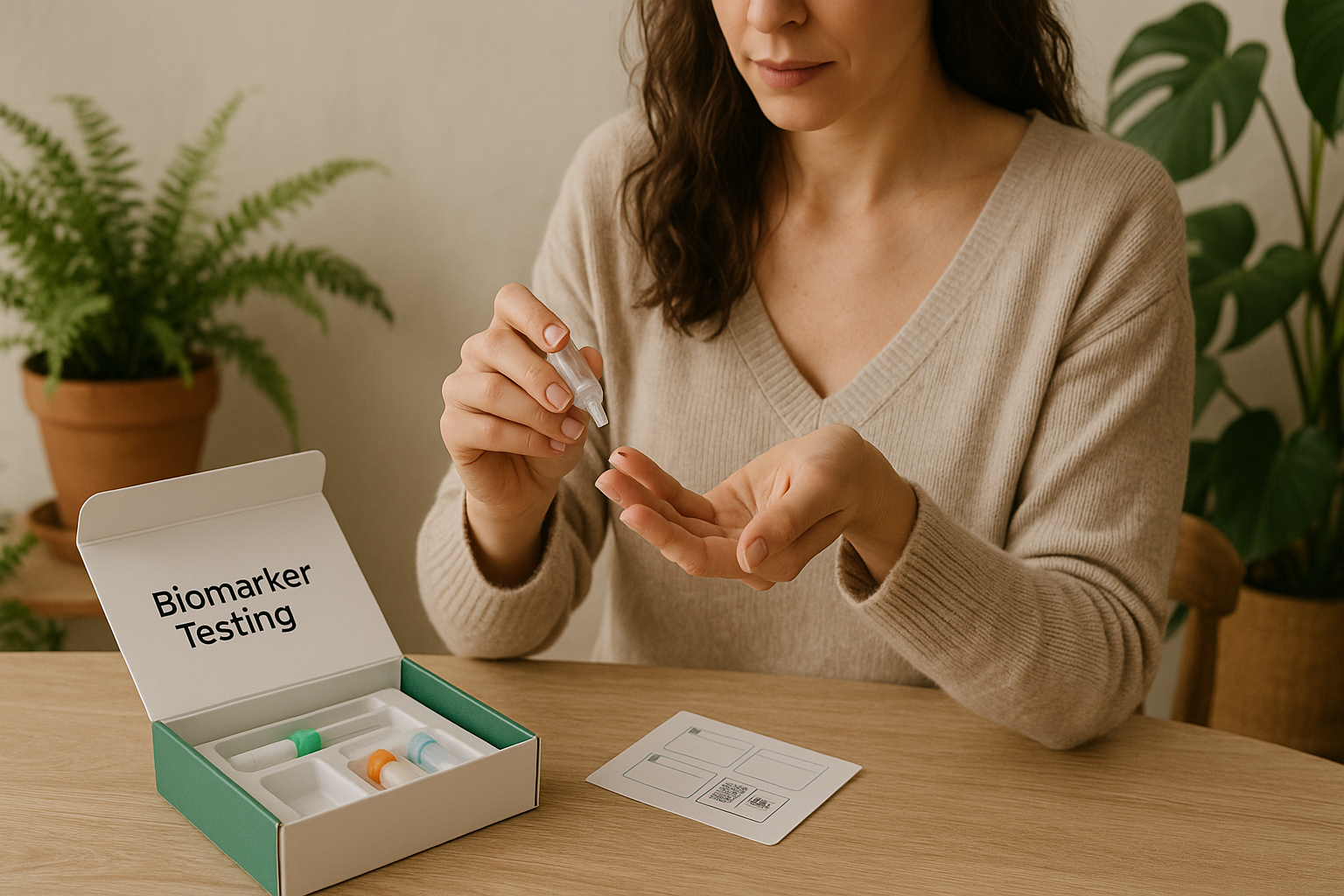
Tracking relevant biomarkers is essential in evaluating the effectiveness of integrative protocols. Common biomarkers may include:
- Blood glucose levels for those managing diabetes.
- Lipid profiles to assess cardiovascular health.
- Inflammatory markers such as C-reactive protein (CRP).
- Stress hormones like cortisol.
Monitoring these biomarkers can help healthcare providers adjust treatment plans as necessary, ensuring that the protocols remain effective and aligned with the patient’s health goals.
Body Systems Supported
Integrative protocols can support various body systems, including:
- Endocrine system, aiding in hormonal balance.
- Immune system, enhancing the body’s defenses.
- Digestive system, promoting gut health and nutrient absorption.
- Nervous system, supporting mental health and stress management.
This holistic support can lead to improved overall function and resilience against disease.
Common Goals
The goals of integrative protocols often include:
- Reducing symptoms of chronic conditions.
- Enhancing overall well-being and quality of life.
- Promoting preventive health measures.
- Encouraging sustainable lifestyle changes.
Setting clear, achievable goals is essential for patient motivation and ongoing engagement in the treatment process.
Safety, Contraindications & Edge Cases
While integrative protocols are generally considered safe, they can have contraindications. It is essential for practitioners to conduct thorough evaluations to identify any potential risks associated with specific therapies. For example:
- Some herbal supplements can interact with prescription medications.
- Certain dietary changes may not be suitable for individuals with specific health conditions.
Additionally, patients with complex health issues may require more cautious approaches, as the integration of multiple therapies can complicate their care. Ongoing communication between patients and healthcare providers is critical to ensure safety and efficacy.
Pairs Well With
Integrative protocols can be complemented by traditional practices from various health paradigms, such as:
- Ayurveda, which emphasizes balance among body systems.
- Traditional Chinese Medicine (TCM), focusing on energy flow and holistic balance.
- Mind-body approaches like yoga and meditation to enhance mental and physical health.
These cross-pillar connections can enrich the effectiveness of integrative protocols, offering diverse tools for achieving optimal health.
FAQs (5)
- What is the difference between integrative medicine and conventional medicine? Integrative medicine combines conventional treatments with complementary therapies to address the whole person, while conventional medicine typically focuses on diagnosing and treating specific symptoms or diseases.
- Can integrative protocols be used for all health conditions? While many conditions can benefit from integrative protocols, it is essential to tailor the approach to the individual and consult a healthcare provider to ensure safety and efficacy.
- How do I find a practitioner experienced in integrative protocols? Look for healthcare providers who have training in integrative or functional medicine and check their credentials and patient reviews.
- Are there any risks associated with integrative protocols? Yes, potential risks include interactions between supplements and medications or inappropriate use of alternative therapies. Always consult a healthcare provider before starting any new treatment.
- How long does it take to see results from integrative protocols? The timeline for results can vary widely depending on the individual and the specific protocols used. Some may experience improvements in a few weeks, while others may take several months.
Frequently asked
What is the difference between integrative medicine and conventional medicine?
Integrative medicine combines conventional treatments with complementary therapies to address the whole person, while conventional medicine typically focuses on diagnosing and treating specific symptoms or diseases.
Can integrative protocols be used for all health conditions?
While many conditions can benefit from integrative protocols, it is essential to tailor the approach to the individual and consult a healthcare provider to ensure safety and efficacy.
How do I find a practitioner experienced in integrative protocols?
Look for healthcare providers who have training in integrative or functional medicine and check their credentials and patient reviews.
Are there any risks associated with integrative protocols?
Yes, potential risks include interactions between supplements and medications or inappropriate use of alternative therapies. Always consult a healthcare provider before starting any new treatment.
How long does it take to see results from integrative protocols?
The timeline for results can vary widely depending on the individual and the specific protocols used. Some may experience improvements in a few weeks, while others may take several months.