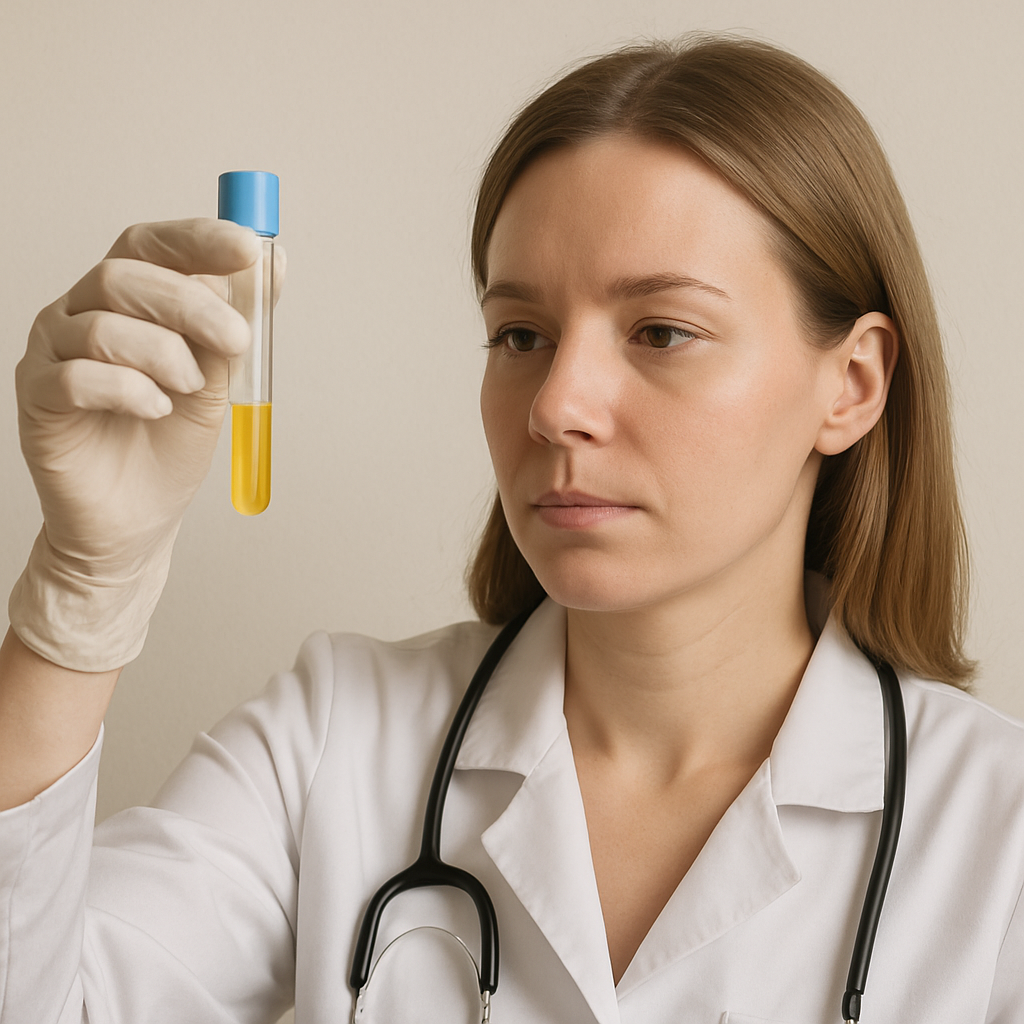
Inflammation Analysis
Inflammation analysis is crucial in functional medicine, helping to identify and address underlying health issues.

Explore the role of inflammation in functional medicine, its mechanisms, evidence supporting analysis, and practical applications for better health.
What It Is
Inflammation is a natural physiological response of the body to injury or infection. It is characterized by redness, heat, swelling, and pain, serving as a protective mechanism that facilitates healing. However, when inflammation becomes chronic, it can lead to various health issues, including autoimmune diseases, heart disease, and metabolic syndrome.
In the context of functional medicine, inflammation analysis involves assessing the underlying causes of inflammation and its impact on overall health. This approach considers not only the symptoms but also the individual's lifestyle, genetics, and environmental factors to develop a comprehensive understanding of their health status.
Mechanism / How It Works
The inflammatory response begins when the body detects harmful stimuli, such as pathogens or damaged cells. Immune cells release signaling molecules called cytokines, which recruit additional immune cells to the affected area. This process helps to may help with the initial threat and initiate tissue repair.
However, if the inflammatory response is prolonged or misregulated, it can result in chronic inflammation. Factors that can contribute to chronic inflammation include poor diet, stress, lack of exercise, and exposure to toxins. Understanding these mechanisms allows practitioners in functional medicine to target specific pathways to reduce inflammation and improve health.
Evidence Summary
Research on inflammation analysis in functional medicine is still evolving. There is preliminary evidence suggesting that reducing inflammation can lead to improved health outcomes, particularly in conditions such as arthritis, cardiovascular disease, and diabetes. Multiple clinical studies have shown that dietary interventions, such as adopting an anti-inflammatory diet rich in fruits, vegetables, and omega-3 fatty acids, can significantly reduce markers of inflammation.
However, conflicting evidence also exists, particularly concerning the role of certain supplements and medications in managing inflammation. While some studies support their use, others indicate little to no benefit. Thus, it is essential to approach each case individually and consider the broader context of a person's health.
Practical Application
To incorporate inflammation analysis into daily life, individuals can start by evaluating their diet and lifestyle choices. Here are some practical steps:
- Adopt an Anti-Inflammatory Diet: Focus on whole foods, including plenty of fruits, vegetables, whole grains, and healthy fats.
- Regular Exercise: Engage in moderate physical activity to help reduce inflammation.
- Stress Management: Incorporate mindfulness practices such as yoga or meditation to help lower stress levels.
- Sleep Hygiene: Prioritize quality sleep, as inadequate rest can exacerbate inflammation.
Common pitfalls include relying solely on supplements without addressing diet and lifestyle factors or overlooking the importance of personalized approaches in managing inflammation.
Relevant Biomarkers & Tracking
Several biomarkers can be used to assess inflammation levels in the body. Some of the most common include:
- C-Reactive Protein (CRP): Elevated levels indicate acute inflammation.
- Interleukin-6 (IL-6): A cytokine involved in the inflammatory response.
- Tumor Necrosis Factor-alpha (TNF-α): Another key cytokine that plays a role in systemic inflammation.
- Fibrinogen: A protein that increases during inflammation and can affect blood clotting.
Regular testing and tracking of these biomarkers can help individuals and healthcare providers monitor inflammation levels and adjust treatment plans as necessary.
Body Systems Supported
Inflammation analysis primarily supports the following body systems:
- Immune System: Helps regulate immune responses and inflammation levels.
- Cardiovascular System: Chronic inflammation is a significant risk factor for heart disease.
- Musculoskeletal System: Addresses issues related to arthritis and joint pain.
- Digestive System: Aims to reduce gut inflammation, which can affect overall health.
Common Goals
The goals of inflammation analysis in functional medicine include:
- Identifying and addressing the root causes of inflammation.
- Reducing markers of chronic inflammation.
- Improving overall health and wellness.
- Enhancing the body's natural healing processes.
Safety, Contraindications & Edge Cases
While inflammation analysis can be beneficial, certain considerations must be taken into account:
- Medications: Some anti-inflammatory medications may have side effects or interact with other treatments.
- Autoimmune Conditions: Individuals with these conditions may require specialized care when addressing inflammation.
- Dietary Restrictions: Always consider food allergies or intolerances when recommending dietary changes.
Consultation with a healthcare professional is essential to ensure safety and effectiveness.
Pairs Well With
Inflammation analysis in functional medicine pairs well with various ancient and natural counterparts, such as:
- Ayurveda: Focuses on balancing bodily systems to reduce inflammation.
- Traditional Chinese Medicine (TCM): Utilizes herbal remedies and acupuncture to manage inflammation.
- Herbal Medicine: Incorporates anti-inflammatory herbs like turmeric and ginger.
FAQs (5)
- What is the difference between acute and chronic inflammation? Acute inflammation is a short-term response to injury or infection, while chronic inflammation persists over time and can lead to various health issues.
- How can I test my inflammation levels? Inflammation levels can be assessed through blood tests measuring specific biomarkers like CRP and IL-6.
- Can diet really affect inflammation? Yes, a diet rich in anti-inflammatory foods can help reduce inflammation levels in the body.
- Are there natural remedies for inflammation? Many natural remedies, such as turmeric and omega-3 fatty acids, have been shown to have anti-inflammatory properties.
- Should I consult a doctor before making lifestyle changes for inflammation? Yes, it is advisable to consult a healthcare professional to tailor an approach that suits your individual needs.
Frequently asked
What is the difference between acute and chronic inflammation?
Acute inflammation is a short-term response to injury or infection, while chronic inflammation persists over time and can lead to various health issues.
How can I test my inflammation levels?
Inflammation levels can be assessed through blood tests measuring specific biomarkers like CRP and IL-6.
Can diet really affect inflammation?
Yes, a diet rich in anti-inflammatory foods can help reduce inflammation levels in the body.
Are there natural remedies for inflammation?
Many natural remedies, such as turmeric and omega-3 fatty acids, have been shown to have anti-inflammatory properties.
Should I consult a doctor before making lifestyle changes for inflammation?
Yes, it is advisable to consult a healthcare professional to tailor an approach that suits your individual needs.