Wellness Coaching
Explore how wellness coaching, rooted in functional medicine, empowers individuals to enhance their overall well-being through tailored strategies and support.

Wellness coaching integrates principles of functional medicine to support individuals in achieving their health goals through personalized guidance and accountability.
What It Is
Wellness coaching is a client-centered approach that focuses on empowering individuals to achieve their health and wellness goals. Rooted in functional medicine principles, wellness coaching emphasizes the importance of understanding the interconnectedness of the body, mind, and environment. Coaches work collaboratively with clients to identify personal goals, develop actionable plans, and foster sustainable lifestyle changes.
This personalized method goes beyond typical health advice by considering the unique circumstances and challenges faced by each individual. Through motivation, education, and support, wellness coaching aims to improve overall well-being and enhance quality of life.
Mechanism / How It Works
Wellness coaching operates on the premise that individuals are best equipped to make health-related decisions when they are supported and informed. Coaches utilize various techniques, including motivational interviewing, goal-setting, and behavior modification strategies, to guide their clients. The process typically begins with an initial assessment where the coach and client explore the client's health history, lifestyle, and specific challenges.
Following the assessment, the coach collaborates with the client to develop a personalized wellness plan. This plan may include dietary changes, physical activity recommendations, stress management techniques, and other lifestyle adjustments. Regular check-ins and progress evaluations help keep clients accountable and motivated, allowing for adjustments to be made as needed.
Evidence Summary
The evidence surrounding wellness coaching is still evolving. Preliminary studies suggest that wellness coaching can lead to positive health outcomes, such as improved dietary habits, increased physical activity, and enhanced mental well-being. Some clinical trials have shown that individuals who engage in wellness coaching report higher levels of satisfaction and motivation compared to those who do not.
However, there are conflicting results as well, with some studies indicating minimal differences in health outcomes between coaching and traditional health advice. More rigorous research is needed to fully understand the efficacy of wellness coaching and to establish standardized protocols.
Practical Application
Implementing wellness coaching in daily life can be straightforward. Here are some practical protocols and tips:
- Set specific, measurable, achievable, relevant, and time-bound (SMART) goals with the help of a coach.
- Incorporate regular coaching sessions, which may be weekly or bi-weekly, to maintain accountability.
- Engage in self-reflection and journaling to track progress and identify challenges.
- Utilize resources provided by the coach, such as meal plans, fitness routines, and stress management techniques.
Common pitfalls include setting unrealistic goals, neglecting to communicate openly with the coach, and failing to integrate changes into daily life. Acknowledging these challenges can help clients remain focused and motivated.
Relevant Biomarkers & Tracking
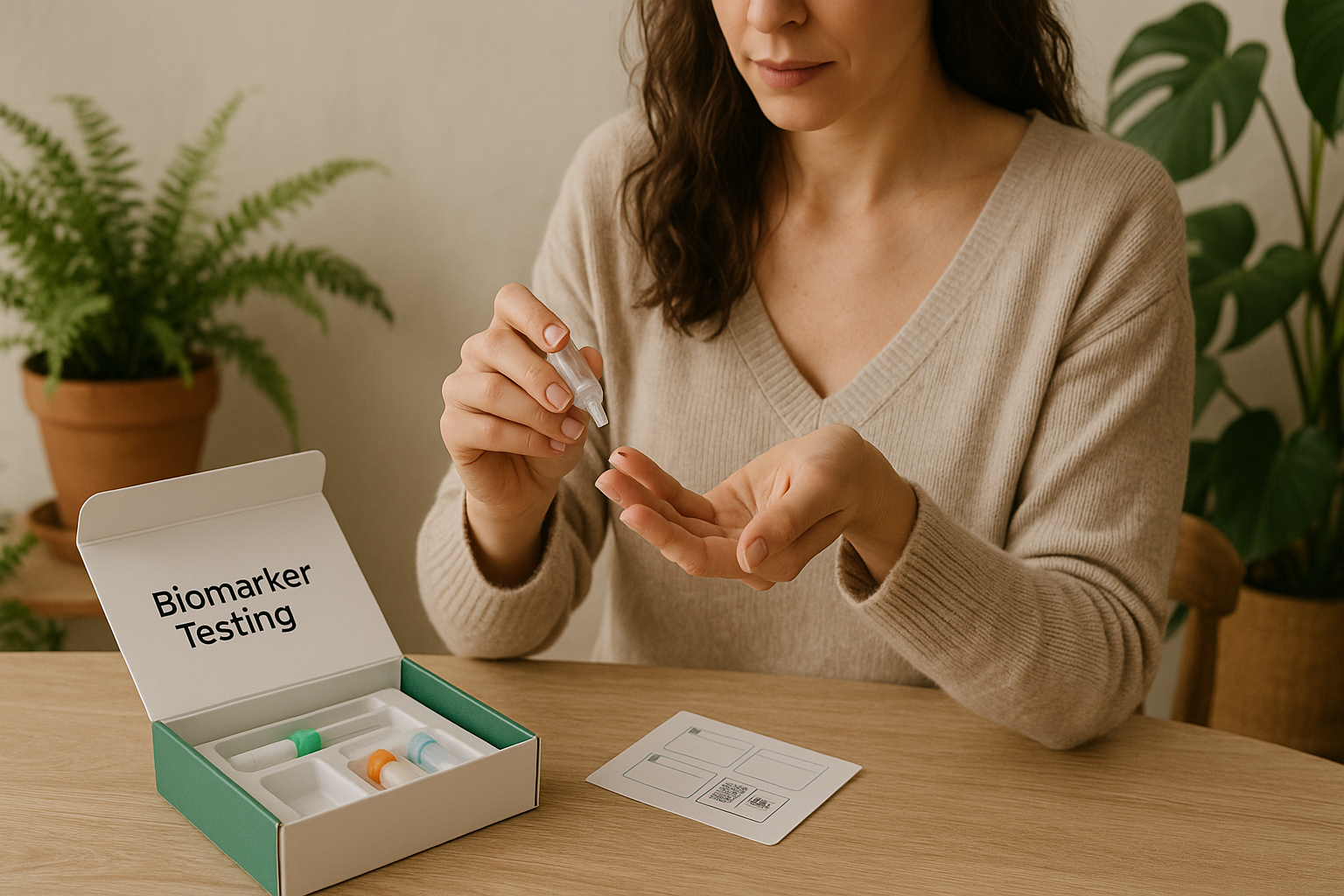
Tracking specific biomarkers can enhance the effectiveness of wellness coaching. Some relevant biomarkers may include:
- Body Mass Index (BMI)
- Blood pressure
- Cholesterol levels
- Blood glucose levels
- Stress hormone levels (e.g., cortisol)
Clients are encouraged to monitor these indicators regularly, as they can provide valuable insights into overall health and the effectiveness of lifestyle changes.
Body Systems Supported
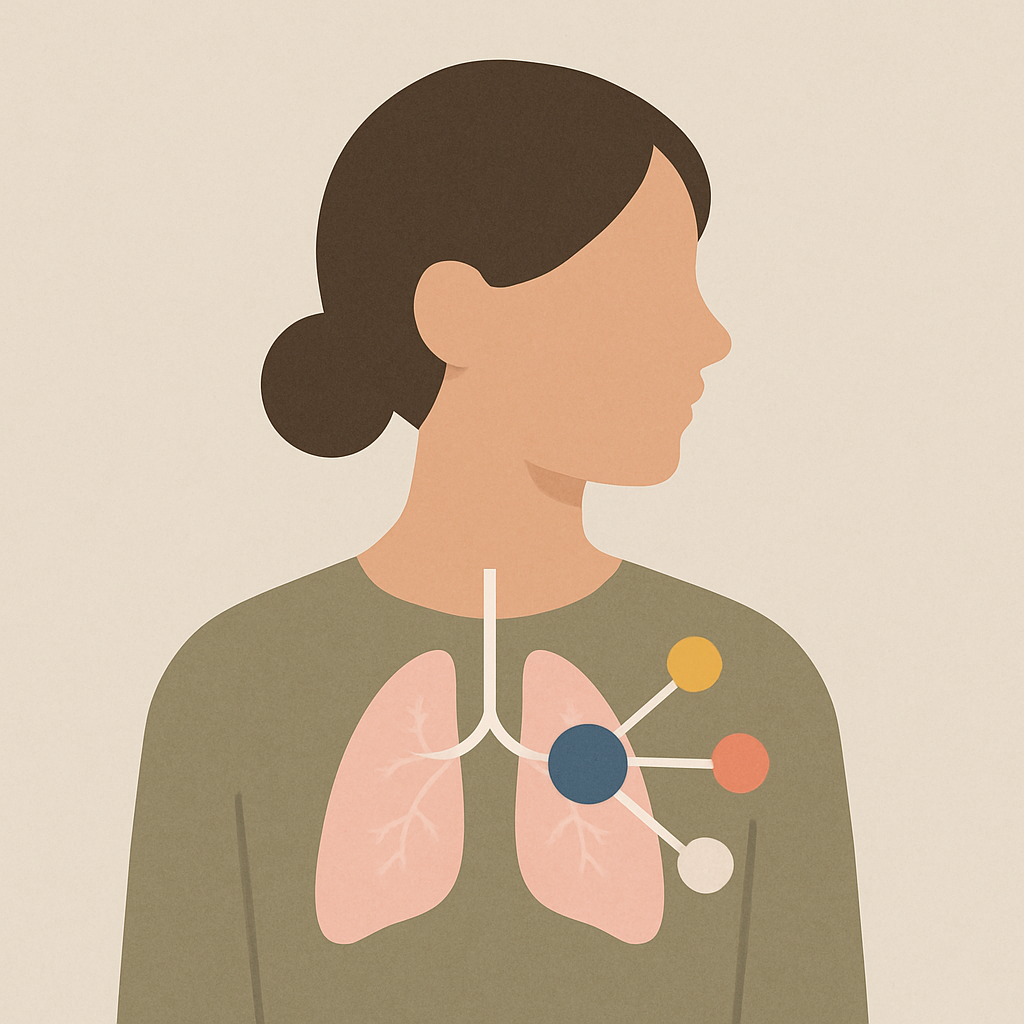
Wellness coaching can support multiple body systems, including:
- Digestive system
- Cardiovascular system
- Endocrine system
- Nervous system
- Immune system
By addressing lifestyle factors that impact these systems, wellness coaching can promote holistic health and prevent chronic diseases.
Common Goals
Individuals seeking wellness coaching often have diverse goals, such as:
- Weight loss or management
- Improving energy levels
- Enhancing mental clarity and focus
- Reducing stress and anxiety
- Developing healthier eating habits
These goals can be tailored to fit the unique needs and desires of each client.
Safety, Contraindications & Edge Cases
While wellness coaching is generally considered safe, there are some contraindications to be aware of:
- Individuals with severe mental health disorders should seek professional therapy in conjunction with coaching.
- Those with chronic medical conditions should consult with healthcare providers before making significant lifestyle changes.
- Pregnant or postpartum individuals should work with coaches experienced in maternal health.
Each individual's circumstances should be assessed to ensure coaching is appropriate and beneficial.
Pairs Well With
Wellness coaching can be complemented by various ancient and natural practices, including:
- Ayurveda, emphasizing personalized wellness based on individual constitution.
- Traditional Chinese Medicine, focusing on balance and harmony in the body.
- Mindfulness and meditation practices for mental well-being.
- Herbal remedies to support specific health goals.
These complementary approaches can enhance the effectiveness of wellness coaching and contribute to overall health.
FAQs (5)
- What qualifications should a wellness coach have? Look for coaches with certifications from recognized organizations and training in functional medicine principles.
- How long does wellness coaching typically last? Coaching duration varies based on individual needs, but many clients engage for several months to achieve significant results.
- Is wellness coaching covered by insurance? Coverage varies; some insurance plans may reimburse for wellness coaching, especially when linked to chronic disease management.
- Can I do wellness coaching online? Yes, many coaches offer virtual sessions, making it accessible regardless of location.
- How do I choose the right wellness coach for me? Consider factors such as the coach’s specialty, approach, experience, and personal rapport to find the best fit.
Frequently asked
What qualifications should a wellness coach have?
Look for coaches with certifications from recognized organizations and training in functional medicine principles.
How long does wellness coaching typically last?
Coaching duration varies based on individual needs, but many clients engage for several months to achieve significant results.
Is wellness coaching covered by insurance?
Coverage varies; some insurance plans may reimburse for wellness coaching, especially when linked to chronic disease management.
Can I do wellness coaching online?
Yes, many coaches offer virtual sessions, making it accessible regardless of location.
How do I choose the right wellness coach for me?
Consider factors such as the coach’s specialty, approach, experience, and personal rapport to find the best fit.