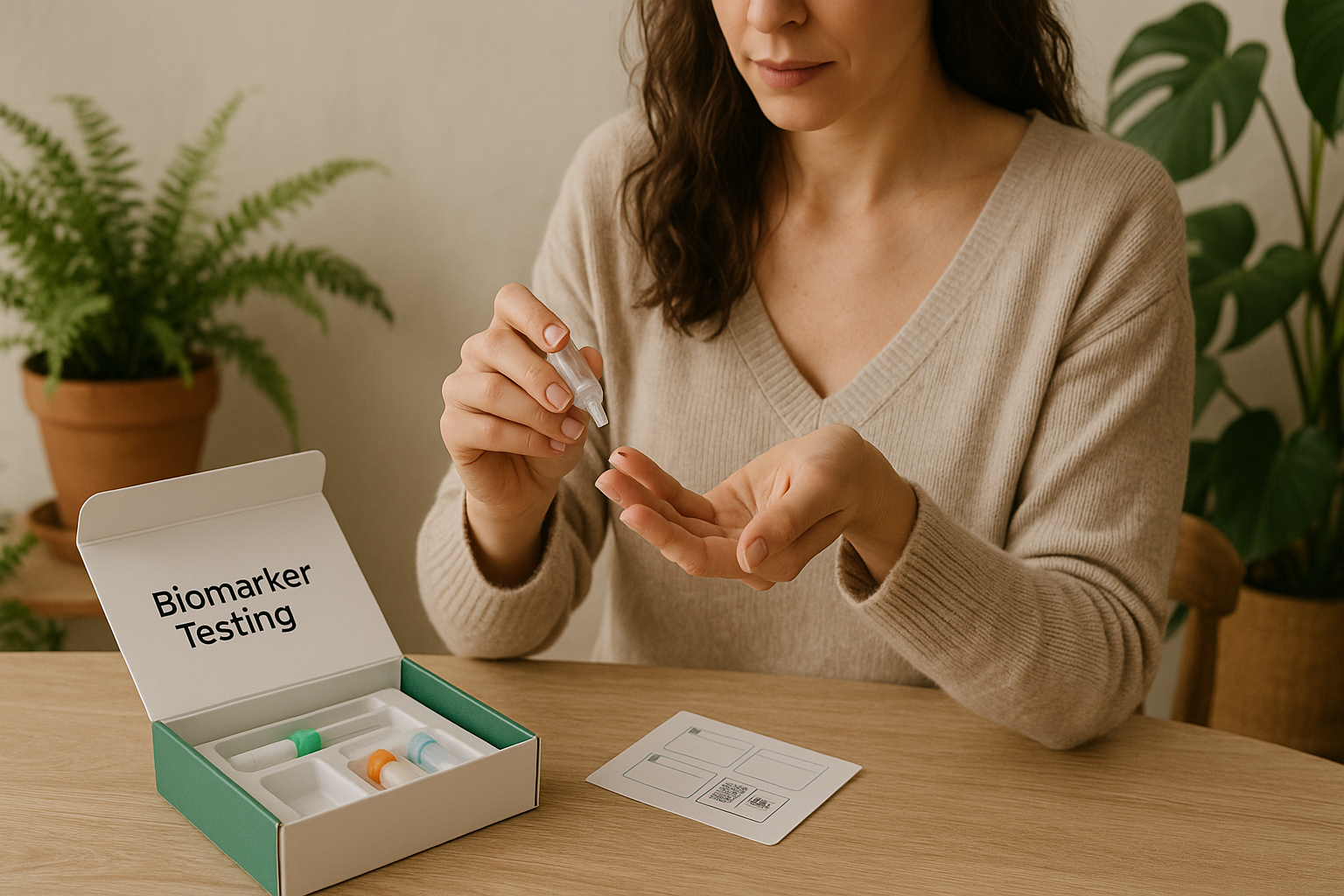
Functional Lab Testing
Explore the role of functional lab testing in modern wellness, including its mechanisms, evidence, practical applications, and relevant biomarkers.

Functional lab testing is an innovative approach in functional medicine that focuses on comprehensive assessments to identify underlying health issues through advanced laboratory analyses. This method emphasizes understanding the body's systems holistically, aiming to optimize health rather than merely treating symptoms.
What It Is
Functional lab testing is a key component of functional medicine that aims to identify the root causes of health issues through detailed laboratory assessments. Unlike traditional testing that often focuses on disease diagnosis, functional lab testing evaluates various biomarkers to provide insight into the body’s physiological functions. This holistic approach helps practitioners understand how different systems interact, enabling them to create personalized health plans.
These tests can assess multiple aspects of health, including hormonal balance, nutrient levels, gut health, and immune function. By utilizing advanced technologies and methods, functional lab testing seeks to uncover dysfunction before it manifests as illness, allowing for proactive health management.
Mechanism / How It Works
Functional lab testing operates on the principle that the body is an interconnected system. By analyzing samples such as blood, urine, or saliva, practitioners can identify biomarkers that indicate how well various systems are functioning. The results can reveal imbalances or deficiencies that may contribute to health issues.
This approach often involves a combination of conventional tests and specialized assessments. For example, while a standard blood test may show normal levels of glucose, a functional lab test may delve deeper by evaluating insulin sensitivity and other metabolic markers. This comprehensive analysis allows for a more nuanced understanding of the patient's health status.
Evidence Summary
The evidence surrounding functional lab testing is varied. Some studies support its effectiveness in identifying underlying health issues and guiding treatment plans, particularly in chronic conditions such as autoimmune diseases, digestive disorders, and hormonal imbalances. However, the field is still evolving, and more research is needed to establish standardized protocols and validate the clinical relevance of certain biomarkers.
While preliminary findings are promising, there are conflicting opinions within the medical community regarding the necessity and interpretation of some functional tests. Critics argue that certain tests may lead to overdiagnosis or unnecessary treatments. Therefore, it is crucial for practitioners and patients to approach functional lab testing with a critical mindset and consider the broader context of an individual's health.
Practical Application
Integrating functional lab testing into wellness protocols involves several key steps. First, it is essential to work with a qualified practitioner who can interpret the results accurately and create a personalized health plan. Common practices include:
- Establishing baseline health markers through initial testing.
- Regularly monitoring specific biomarkers to track progress.
- Adjusting dietary and lifestyle factors based on test results.
However, there are common pitfalls to be aware of, such as over-reliance on test results without considering clinical symptoms or making drastic changes without professional guidance. Maintaining a balanced approach that includes both lab results and clinical evaluation is critical.
Relevant Biomarkers & Tracking
Functional lab testing often focuses on a variety of biomarkers that can provide insights into overall health. Some relevant biomarkers include:
- Vitamin and mineral levels (e.g., vitamin D, magnesium)
- Hormonal profiles (e.g., cortisol, estrogen, testosterone)
- Inflammatory markers (e.g., C-reactive protein)
- Gut health indicators (e.g., microbiome analysis)
- Metabolic markers (e.g., insulin sensitivity, lipid profiles)
Tracking these biomarkers over time can help identify trends and make informed decisions about health interventions.
Body Systems Supported
Functional lab testing can support multiple body systems, including:
- Endocrine system (hormonal balance)
- D digestive system (gut health and microbiome)
- Immune system (inflammation and immune response)
- Nervous system (neurotransmitter levels)
- Cardiovascular system (metabolic and lipid profiles)
By assessing these systems, practitioners can create comprehensive treatment plans that address multiple aspects of health.
Common Goals
The primary goals of functional lab testing include:
- Identifying imbalances or deficiencies that may contribute to health issues.
- Monitoring progress and adjusting health protocols as needed.
- Empowering patients with knowledge about their health.
- Promoting preventive care and wellness rather than reactive treatment.
Safety, Contraindications & Edge Cases
Functional lab testing is generally safe, but there are some considerations to keep in mind. Certain tests may not be suitable for everyone, particularly those with specific medical conditions or those taking certain medications. It is essential to consult with a healthcare provider to determine the appropriateness of specific tests.
Additionally, the interpretation of results can sometimes lead to anxiety or confusion for patients. Clear communication between practitioners and patients is crucial to ensure that test results are understood within the context of overall health.
Pairs Well With
Functional lab testing complements various ancient and natural healing practices, including:
- Herbal medicine (targeting specific biomarkers)
- Traditional Chinese Medicine (holistic assessments)
- Ayurvedic practices (individualized health approaches)
- Mindfulness and stress reduction techniques (supporting overall wellness)
Integrating these approaches can enhance the effectiveness of functional lab testing and promote a more holistic view of health.
FAQs
What is the difference between functional lab testing and traditional lab testing?
Functional lab testing focuses on identifying underlying imbalances and optimizing health, whereas traditional lab testing often aims to diagnose specific diseases.
Are functional lab tests covered by insurance?
Coverage for functional lab tests varies by insurance provider. It is advisable to check with your insurance company to understand your benefits.
How often should I get functional lab tests?
The frequency of testing depends on individual health goals and conditions. Your healthcare provider can recommend an appropriate schedule.
Can I interpret my lab results on my own?
While some information may be available, it is best to consult with a qualified practitioner for accurate interpretation and recommendations based on your results.
What should I do if my functional lab results are abnormal?
Discuss any abnormal results with your healthcare provider to determine appropriate next steps and potential interventions.
Frequently asked
What is the difference between functional lab testing and traditional lab testing?
Functional lab testing focuses on identifying underlying imbalances and optimizing health, whereas traditional lab testing often aims to diagnose specific diseases.
Are functional lab tests covered by insurance?
Coverage for functional lab tests varies by insurance provider. It is advisable to check with your insurance company to understand your benefits.
How often should I get functional lab tests?
The frequency of testing depends on individual health goals and conditions. Your healthcare provider can recommend an appropriate schedule.
Can I interpret my lab results on my own?
While some information may be available, it is best to consult with a qualified practitioner for accurate interpretation and recommendations based on your results.
What should I do if my functional lab results are abnormal?
Discuss any abnormal results with your healthcare provider to determine appropriate next steps and potential interventions.