Personalized Wellness
Explore personalized wellness in functional medicine, its mechanisms, evidence, practical applications, and relevant biomarkers to enhance your health journey.

This page delves into the concept of personalized wellness within the context of functional medicine, exploring its mechanisms, evidence, practical applications, and more.
What It Is
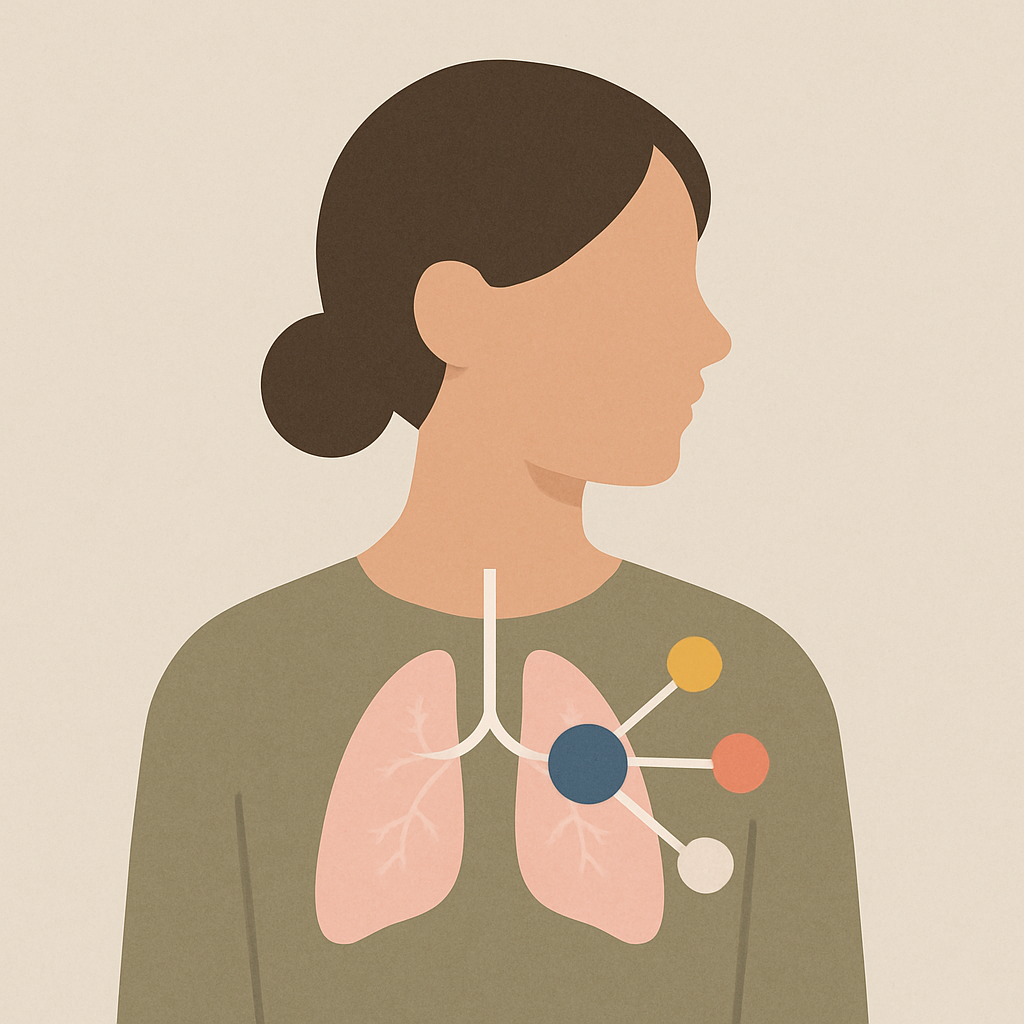
Personalized wellness is an approach within functional medicine that recognizes the unique biological, environmental, and lifestyle factors that influence an individual’s health. Rather than applying a one-size-fits-all model, personalized wellness focuses on tailoring health strategies to fit the individual’s specific needs. This holistic perspective considers the person’s genetics, microbiome, emotional health, and social determinants of health to create a comprehensive wellness plan.
This personalized approach allows healthcare practitioners to design interventions that can lead to improved health outcomes. By understanding the interplay between various factors affecting health, personalized wellness aims to address the root causes of disease rather than merely treating symptoms. The goal is to empower individuals to take charge of their well-being through informed choices and targeted therapies.
Mechanism / How It Works
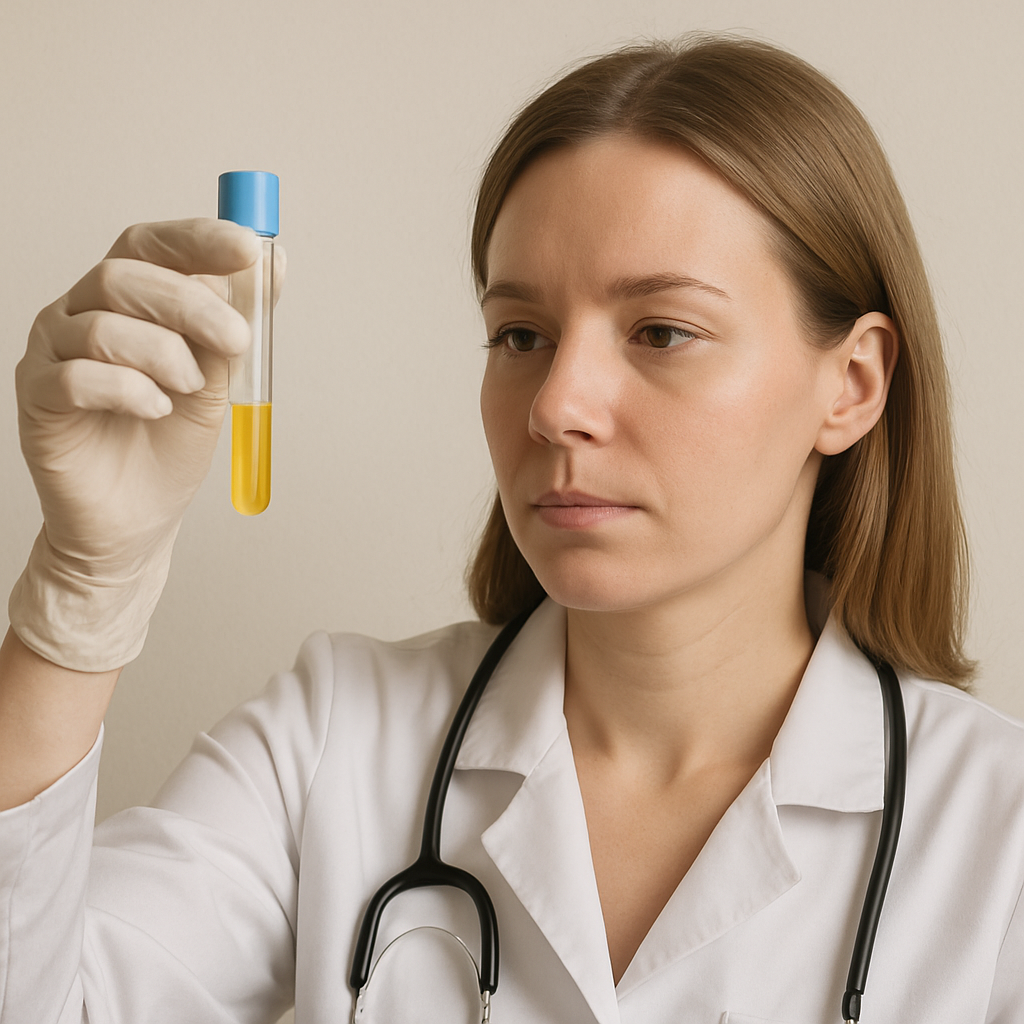
Personalized wellness operates on the principle of systems biology, which examines the complex interactions within biological systems. By utilizing advanced diagnostic tools, such as genetic testing, biomarkers, and comprehensive health assessments, practitioners can identify specific imbalances or dysfunctions in the body. This information guides the selection of appropriate interventions.
Interventions may include dietary modifications, lifestyle changes, supplementation, and stress management techniques tailored to the individual’s needs. For example, if a patient has a genetic predisposition to certain nutrient deficiencies, a personalized plan may include specific dietary recommendations or targeted supplementation to address these gaps. This individualized approach enhances the likelihood of positive health outcomes by aligning interventions with the patient’s unique biological makeup.
Evidence Summary
The evidence surrounding personalized wellness in functional medicine is still developing. Some preliminary studies suggest that personalized interventions can lead to better health outcomes, particularly in areas such as metabolic health, chronic disease management, and mental well-being. For instance, research indicates that individualized dietary plans may improve weight management and metabolic profiles.
However, the body of clinical evidence is mixed. While some trials demonstrate positive results, others indicate that the benefits of personalized wellness may not be significantly different from standard care. Conflicting results can arise from variations in study designs, populations, and the specific interventions tested. More rigorous, large-scale studies are needed to solidify the efficacy of personalized wellness strategies.
Practical Application
Integrating personalized wellness into daily life involves several practical steps:
- Assessment: Begin with comprehensive evaluations, including health history, lifestyle factors, and diagnostic tests.
- Goal Setting: Establish clear, achievable health goals based on individual assessments.
- Customized Protocols: Develop tailored wellness plans that include dietary guidelines, exercise regimens, and stress management techniques.
- Monitoring: Regularly track progress through follow-up assessments and adjustments to the wellness plan as needed.
Common pitfalls include underestimating the importance of lifestyle changes, neglecting to monitor progress, and failing to adjust protocols based on individual responses. Education and support are crucial for maintaining motivation and adherence to personalized wellness plans.
Relevant Biomarkers & Tracking
Key biomarkers for tracking personalized wellness may include:
- Genetic markers related to nutrient metabolism.
- Inflammatory markers such as C-reactive protein (CRP).
- Hormonal levels, including cortisol and insulin.
- Micronutrient levels, such as vitamin D and B12.
- Gut microbiome diversity and composition.
Regular monitoring of these biomarkers can provide valuable insights into the effectiveness of personalized wellness interventions and help guide adjustments to health strategies.
Body Systems Supported
Personalized wellness can support various body systems, including:
- Endocrine System: Tailored interventions can help balance hormones and improve metabolic health.
- Digestive System: Personalized nutrition can optimize gut health and nutrient absorption.
- Immune System: Individualized approaches may enhance immune function and reduce inflammation.
- Nervous System: Strategies focusing on stress management can support mental health and cognitive function.
Common Goals
Individuals engaging in personalized wellness often aim for the following goals:
- Improved energy levels and vitality.
- Enhanced mental clarity and focus.
- Better weight management and metabolic health.
- Reduced symptoms of chronic illness.
- Increased overall well-being and life satisfaction.
Safety, Contraindications & Edge Cases
While personalized wellness is generally safe, there are considerations to keep in mind:
- Contraindications: Certain genetic predispositions may require caution with specific supplements or dietary changes.
- Age and Health Status: Older adults or individuals with complex health conditions should consult healthcare providers before starting personalized wellness protocols.
- Allergies and Sensitivities: Individual responses to foods and supplements can vary; it is essential to identify any allergies or intolerances.
Practitioners should conduct thorough assessments to minimize risks and ensure safe implementation of personalized wellness strategies.
Pairs Well With
Personalized wellness aligns well with various ancient and natural health practices, including:
- Ayurveda: Individualized treatment plans based on body constitution and imbalances.
- Traditional Chinese Medicine: Tailored herbal remedies and dietary recommendations based on individual energy patterns.
- Mindfulness Practices: Incorporating meditation and stress reduction techniques to support mental well-being.
FAQs (5)
- What is the difference between personalized wellness and traditional medicine?
Personalized wellness focuses on tailoring health interventions to the individual, considering unique biological and lifestyle factors, whereas traditional medicine often applies standardized treatments for specific conditions.
- How can I start a personalized wellness journey?
Begin by consulting with a healthcare practitioner who specializes in personalized wellness to assess your health needs and develop a tailored plan.
- Are there specific tests needed for personalized wellness?
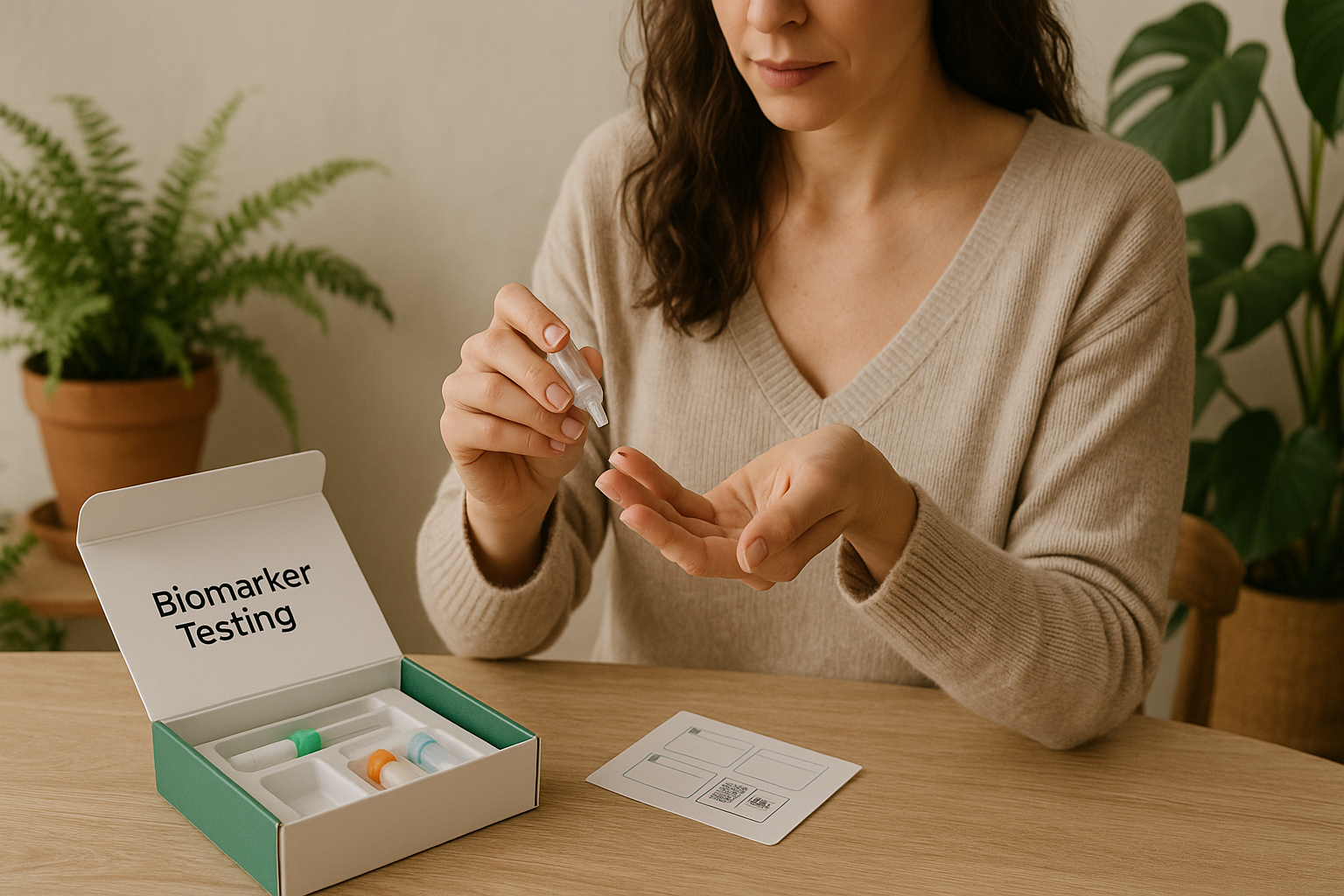
Common tests may include genetic testing, blood work for biomarkers, and assessments of lifestyle factors, but specific tests will vary based on individual needs.
- Can personalized wellness help with chronic illnesses?
Many individuals with chronic illnesses report improvements through personalized wellness approaches that address root causes and promote overall health.
- Is personalized wellness suitable for everyone?
While personalized wellness can benefit many, those with specific health conditions should consult with a healthcare professional to ensure safety and appropriateness.
Frequently asked
What is the difference between personalized wellness and traditional medicine?
Personalized wellness focuses on tailoring health interventions to the individual, considering unique biological and lifestyle factors, whereas traditional medicine often applies standardized treatments for specific conditions.
How can I start a personalized wellness journey?
Begin by consulting with a healthcare practitioner who specializes in personalized wellness to assess your health needs and develop a tailored plan.
Are there specific tests needed for personalized wellness?
Common tests may include genetic testing, blood work for biomarkers, and assessments of lifestyle factors, but specific tests will vary based on individual needs.
Can personalized wellness help with chronic illnesses?
Many individuals with chronic illnesses report improvements through personalized wellness approaches that address root causes and promote overall health.
Is personalized wellness suitable for everyone?
While personalized wellness can benefit many, those with specific health conditions should consult with a healthcare professional to ensure safety and appropriateness.