Hormonal Assessment
Discover hormonal assessment in functional medicine, including its mechanisms, evidence, applications, and safety considerations.

Explore the significance of hormonal assessment in functional medicine, its mechanisms, evidence, practical applications, and how it supports various body systems.
What It Is
Hormonal assessment in functional medicine refers to the comprehensive evaluation of hormone levels and their effects on the body. This process is aimed at identifying hormonal imbalances that may contribute to various health issues, including fatigue, mood swings, weight gain, and reproductive health concerns. Unlike traditional medical approaches that often focus on isolated symptoms, functional medicine takes a holistic view, considering the interplay of hormones with other bodily systems.
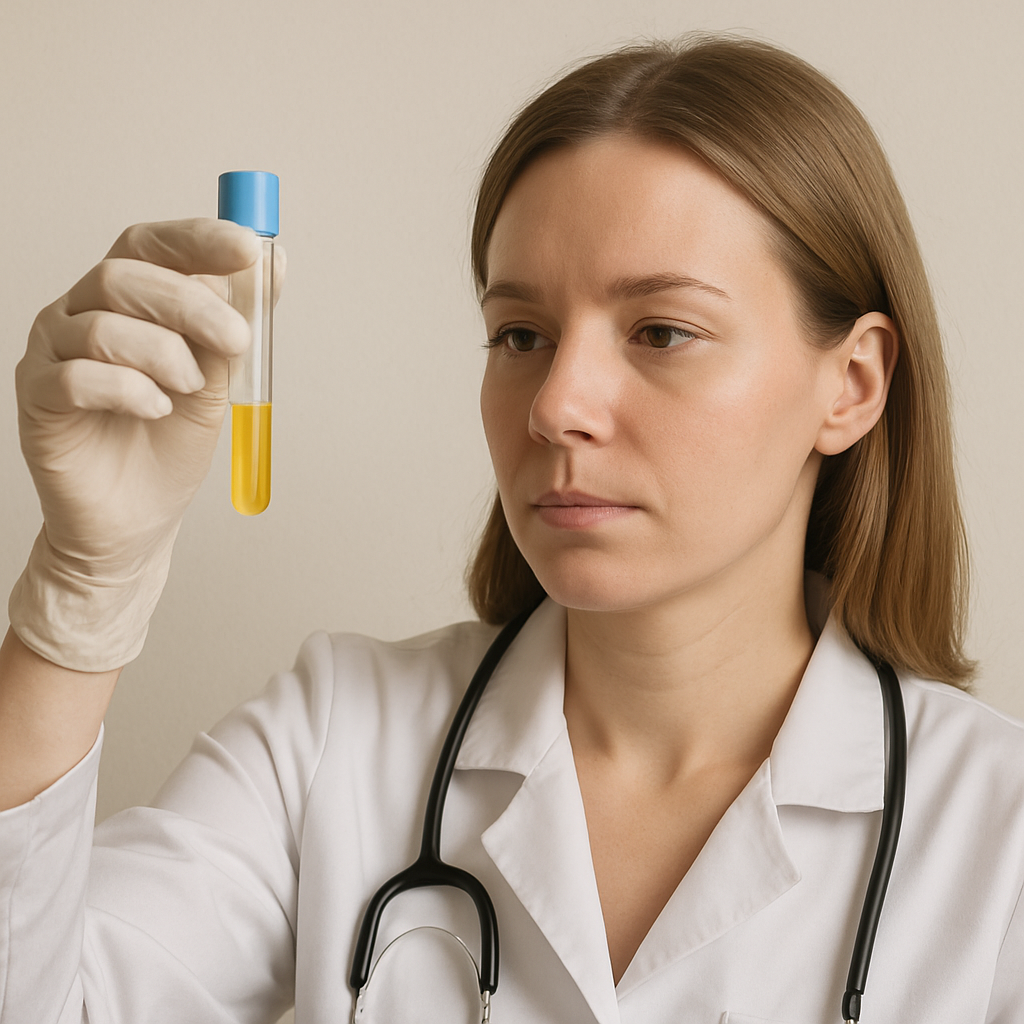
Hormonal assessments typically involve laboratory testing of blood, saliva, or urine samples to measure levels of key hormones such as estrogen, testosterone, cortisol, and thyroid hormones. Understanding these levels can help practitioners develop personalized treatment plans that support overall wellness and restore balance within the endocrine system.
Mechanism / How It Works
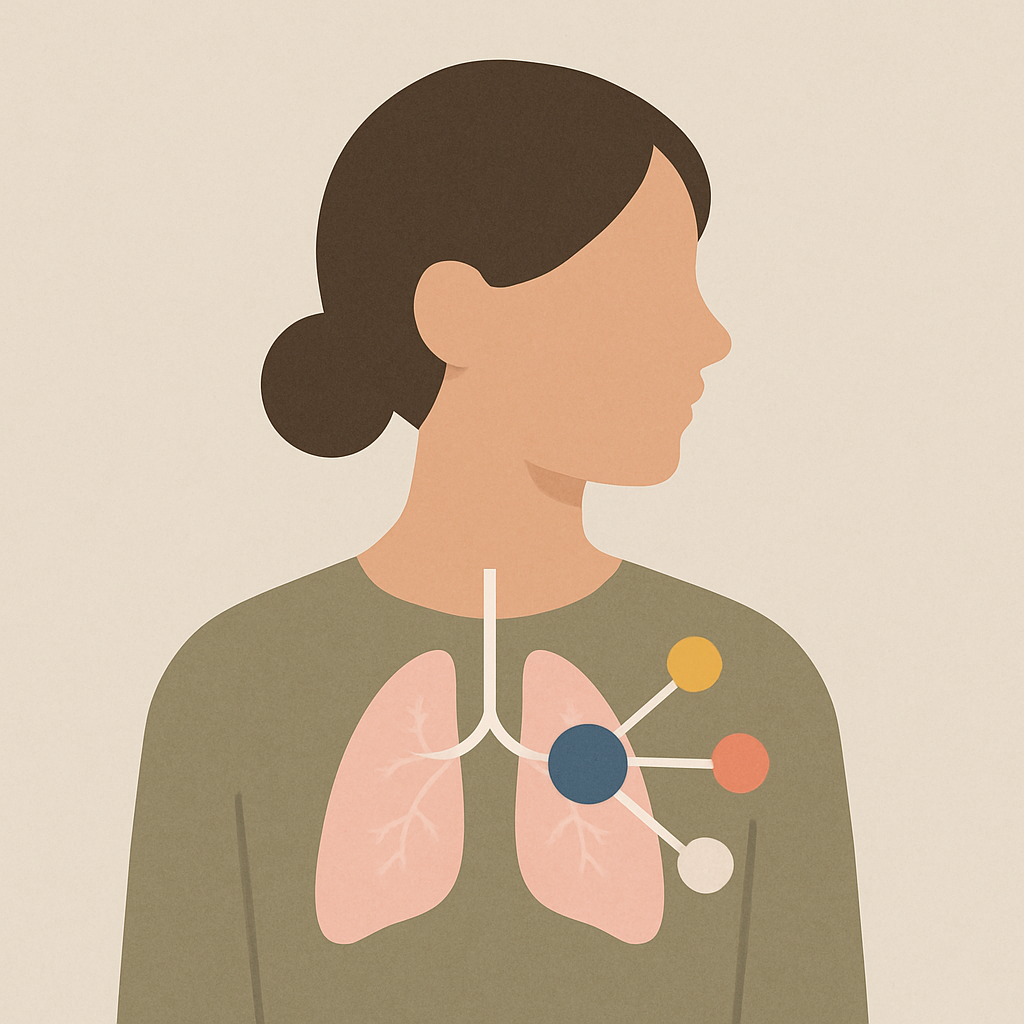
The mechanism of hormonal assessment is rooted in the understanding of how hormones function as chemical messengers in the body. Hormones are produced by various glands, including the thyroid, adrenal glands, and reproductive organs, and they regulate numerous physiological processes. By assessing hormone levels, practitioners can identify potential imbalances that may affect metabolism, mood, immune function, and reproductive health.
Once hormonal levels are assessed, practitioners can create tailored interventions that may include lifestyle modifications, nutritional support, and natural supplements aimed at restoring hormonal balance. These interventions can help to optimize hormone function, thereby improving overall health and well-being.
Evidence Summary
The evidence surrounding hormonal assessment in functional medicine is still evolving. Preliminary studies suggest that hormonal imbalances can significantly impact various health conditions. For example, research has shown correlations between low testosterone levels and increased fatigue or depression in men, as well as the effects of cortisol on stress and metabolic health.
However, the clinical evidence is mixed; while some studies support the benefits of hormone optimization, others indicate that not all hormone treatments are effective or necessary for every individual. Conflicting findings highlight the need for more rigorous research to clarify the role of hormonal assessment in different health contexts and establish standardized protocols for its use.
Practical Application
In practical applications, hormonal assessment can be integrated into routine health evaluations. Individuals seeking to understand their hormonal health may undergo testing to identify imbalances. Based on the results, practitioners can recommend specific protocols that may include dietary changes, exercise regimens, stress management techniques, and supplementation with vitamins or herbs.
Common pitfalls in hormonal assessment include relying solely on one test without considering the individual’s complete health picture. Additionally, it is crucial to interpret hormone levels within the context of an individual’s symptoms and lifestyle, as well as to monitor changes over time to assess treatment efficacy.
Relevant Biomarkers & Tracking
Key biomarkers assessed during hormonal evaluations may include:
- Estrogen
- Progesterone
- Testosterone
- Cortisol
- Thyroid hormones (T3, T4, TSH)
- Insulin
Tracking these biomarkers over time can provide insights into an individual’s hormonal health and response to interventions. Regular monitoring allows for adjustments in treatment strategies as needed, ensuring optimal outcomes.
Body Systems Supported
Hormonal assessment supports several body systems, including:
- Endocrine system
- Reproductive system
- Metabolic system
- Nervous system
- Immune system
By addressing hormonal imbalances, individuals may experience improved function across these interconnected systems, leading to enhanced overall health.
Common Goals
Common goals of hormonal assessment and subsequent interventions include:
- Restoring hormonal balance
- Improving energy levels
- Enhancing mood and mental clarity
- Supporting weight management
- Optimizing reproductive health
Achieving these goals often requires a comprehensive approach that includes lifestyle changes, dietary modifications, and possibly hormone optimization therapies.
Safety, Contraindications & Edge Cases
While hormonal assessment can be beneficial, it is essential to consider safety and contraindications. Certain individuals, such as those with specific cancers or hormonal-sensitive conditions, may need to avoid hormone therapies. Additionally, hormonal interventions should be approached cautiously in populations such as pregnant women or those with pre-existing health conditions.
Edge cases may include individuals with complex hormonal disorders that require specialized care. Collaboration with healthcare providers familiar with functional medicine is crucial for effective management.
Pairs Well With
Hormonal assessment pairs well with various ancient and natural health practices that emphasize holistic well-being. These may include:
- Adaptogenic herbs (e.g., Ashwagandha, Rhodiola)
- Traditional Chinese Medicine (TCM) approaches
- Ayurvedic practices focusing on hormonal balance
- Mindfulness and meditation for stress reduction
Integrating these practices can enhance the effectiveness of hormonal assessments and support overall health.
FAQs (5)
1. What is hormonal assessment?
Hormonal assessment is the evaluation of hormone levels in the body to identify imbalances that may affect health.
2. How is hormonal assessment conducted?
It typically involves laboratory testing of blood, saliva, or urine samples to measure various hormones.
3. What are common symptoms of hormonal imbalance?
Common symptoms include fatigue, mood swings, weight gain, and changes in reproductive health.
4. Can hormonal assessment help with weight loss?
Yes, identifying hormonal imbalances can support personalized strategies for weight management.
5. Are there any risks associated with hormonal interventions?
Yes, certain individuals may be at risk for complications, particularly those with specific health conditions or sensitivities.
Frequently asked
What is hormonal assessment?
Hormonal assessment is the evaluation of hormone levels in the body to identify imbalances that may affect health.
How is hormonal assessment conducted?
It typically involves laboratory testing of blood, saliva, or urine samples to measure various hormones.
What are common symptoms of hormonal imbalance?
Common symptoms include fatigue, mood swings, weight gain, and changes in reproductive health.
Can hormonal assessment help with weight loss?
Yes, identifying hormonal imbalances can support personalized strategies for weight management.
Are there any risks associated with hormonal interventions?
Yes, certain individuals may be at risk for complications, particularly those with specific health conditions or sensitivities.