Chronic Wellness
Discover how chronic wellness is defined and applied in functional medicine, focusing on holistic health strategies to improve long-term well-being.

Explore the concept of chronic wellness within functional medicine, emphasizing its mechanisms, evidence, practical applications, and safety considerations.
What It Is
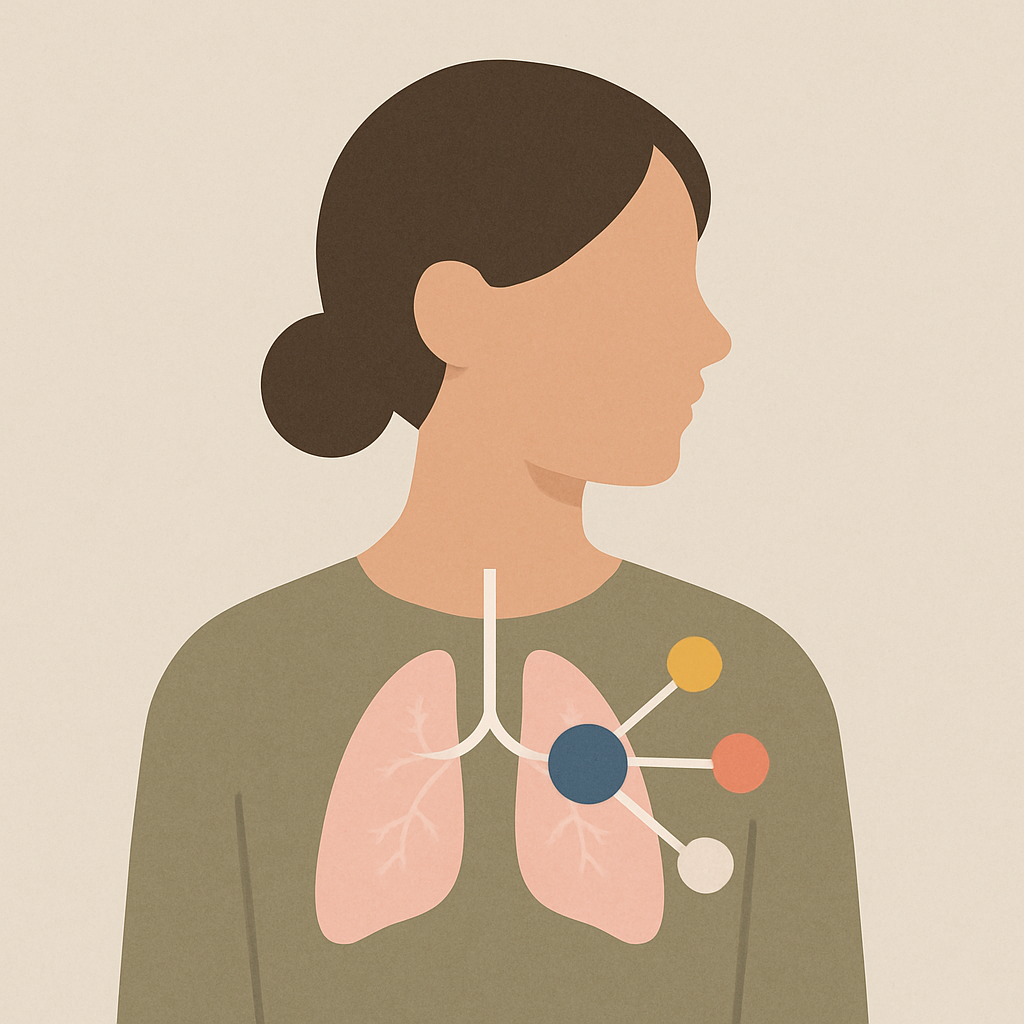
Chronic wellness refers to a holistic approach aimed at improving overall health and quality of life for individuals dealing with long-term health issues. It emphasizes the importance of understanding and addressing the underlying causes of chronic conditions, rather than merely managing symptoms. This perspective aligns with functional medicine, which seeks to identify and rectify imbalances in the body that contribute to chronic diseases.
In chronic wellness, the focus is not only on physical health but also encompasses mental, emotional, and social well-being. This multifaceted approach recognizes that chronic conditions often arise from a complex interplay of genetics, environment, lifestyle, and psychological factors. As such, chronic wellness promotes a tailored, patient-centered strategy that encourages proactive health management.
Mechanism / How It Works
The mechanisms of chronic wellness involve a comprehensive assessment of an individual's health history, lifestyle choices, and environmental exposures. Practitioners of functional medicine utilize various diagnostic tools to identify dysfunctions within the body. This may include blood tests, genetic testing, and assessments of gut health, hormone levels, and immune responses.
Once underlying issues are identified, the approach typically includes dietary changes, supplementation, stress management techniques, and lifestyle modifications. By addressing these root causes, chronic wellness aims to restore balance within the body, promoting healing and improving overall health outcomes. This integrative model empowers individuals to take charge of their health through informed choices and sustainable practices.
Evidence Summary
The evidence supporting chronic wellness in functional medicine is still evolving. Preliminary studies suggest that personalized treatment plans addressing lifestyle and dietary factors can lead to improvements in chronic conditions such as obesity, diabetes, and autoimmune diseases. However, the clinical evidence remains somewhat limited, with more research needed to establish standardized protocols and outcomes.
Some studies have shown conflicting results regarding the efficacy of certain interventions, such as dietary changes or specific supplements. While anecdotal evidence and case studies often highlight success stories, rigorous clinical trials are essential to validate these approaches. It is important to approach chronic wellness with a critical mindset, recognizing both the potential benefits and the limitations of current evidence.
Practical Application
Implementing chronic wellness strategies involves creating personalized health protocols that consider an individual's unique needs and circumstances. Common practical applications include:
- Developing a balanced, nutrient-dense diet tailored to the individual’s dietary preferences and health goals.
- Incorporating regular physical activity that resonates with the individual, whether it's yoga, strength training, or walking.
- Utilizing stress management techniques such as mindfulness, meditation, or journaling.
- Ensuring adequate sleep hygiene to promote restorative sleep patterns.
Despite the benefits, individuals may encounter common pitfalls, such as lack of consistency, overwhelming information, or unrealistic expectations. A supportive network and ongoing education can help mitigate these challenges, fostering a sustainable approach to chronic wellness.
Relevant Biomarkers & Tracking
Monitoring specific biomarkers can provide insight into an individual’s health status and the effectiveness of chronic wellness interventions. Relevant biomarkers may include:
- Inflammatory markers (e.g., C-reactive protein, interleukins)
- Hormonal levels (e.g., cortisol, insulin)
- Metabolic indicators (e.g., blood glucose, lipid profiles)
- Gut health markers (e.g., microbiome diversity, digestive enzymes)
Tracking these biomarkers over time can help individuals and practitioners assess progress, adjust treatment plans, and set achievable health goals.
Body Systems Supported
Chronic wellness strategies can support various body systems, including:
- The immune system, by reducing inflammation and promoting a balanced microbiome.
- The digestive system, through dietary interventions that enhance nutrient absorption and gut health.
- The endocrine system, by balancing hormones that impact metabolism and stress responses.
- The nervous system, through stress management techniques that promote mental clarity and emotional resilience.
Common Goals
Individuals pursuing chronic wellness typically aim for several common goals, including:
- Improved energy levels and vitality.
- Enhanced emotional well-being and mental clarity.
- Effective management of chronic symptoms and conditions.
- Increased resilience against stress and environmental factors.
- Long-term maintenance of health and prevention of future diseases.
Safety, Contraindications & Edge Cases
While chronic wellness practices are generally safe, there are some contraindications and edge cases to consider. Individuals with certain medical conditions should consult with a healthcare provider before implementing significant lifestyle changes. For example:
- Those with severe allergies may need to be cautious with dietary adjustments.
- Individuals on specific medications should consider potential interactions with supplements or herbs.
- Pregnant or nursing women should prioritize guidance from healthcare professionals.
A personalized approach, guided by healthcare professionals, can help ensure safety and efficacy in chronic wellness practices.
Pairs Well With
Chronic wellness can be complemented by ancient and natural practices that emphasize holistic health, including:
- Ayurveda, which offers personalized dietary and lifestyle recommendations based on individual constitution.
- Traditional Chinese Medicine (TCM), focusing on balancing energy and organ systems through herbs and acupuncture.
- Mindfulness practices, such as yoga and meditation, which promote mental clarity and emotional balance.
FAQs (5)
Below are some frequently asked questions regarding chronic wellness:
- What is the difference between chronic wellness and traditional healthcare? Chronic wellness focuses on addressing root causes and promoting holistic health, while traditional healthcare often emphasizes symptom management.
- How long does it take to see results from chronic wellness practices? Results can vary based on individual circumstances, but many individuals report improvements within weeks to months of consistent practice.
- Can chronic wellness be integrated with conventional medicine? Yes, many individuals find success by combining chronic wellness strategies with conventional medical treatments.
- Is chronic wellness suitable for everyone? While beneficial for many, individuals with specific medical conditions should consult a healthcare provider before starting new wellness practices.
- What role does diet play in chronic wellness? Diet is a crucial component, as it can significantly impact inflammation, energy levels, and overall health.
Frequently asked
What is the difference between chronic wellness and traditional healthcare?
Chronic wellness focuses on addressing root causes and promoting holistic health, while traditional healthcare often emphasizes symptom management.
How long does it take to see results from chronic wellness practices?
Results can vary based on individual circumstances, but many individuals report improvements within weeks to months of consistent practice.
Can chronic wellness be integrated with conventional medicine?
Yes, many individuals find success by combining chronic wellness strategies with conventional medical treatments.
Is chronic wellness suitable for everyone?
While beneficial for many, individuals with specific medical conditions should consult a healthcare provider before starting new wellness practices.
What role does diet play in chronic wellness?
Diet is a crucial component, as it can significantly impact inflammation, energy levels, and overall health.