Temple Healing
Learn about Temple Healing, its historical significance, practice methods, and its role in Ancient Egyptian Medicine.
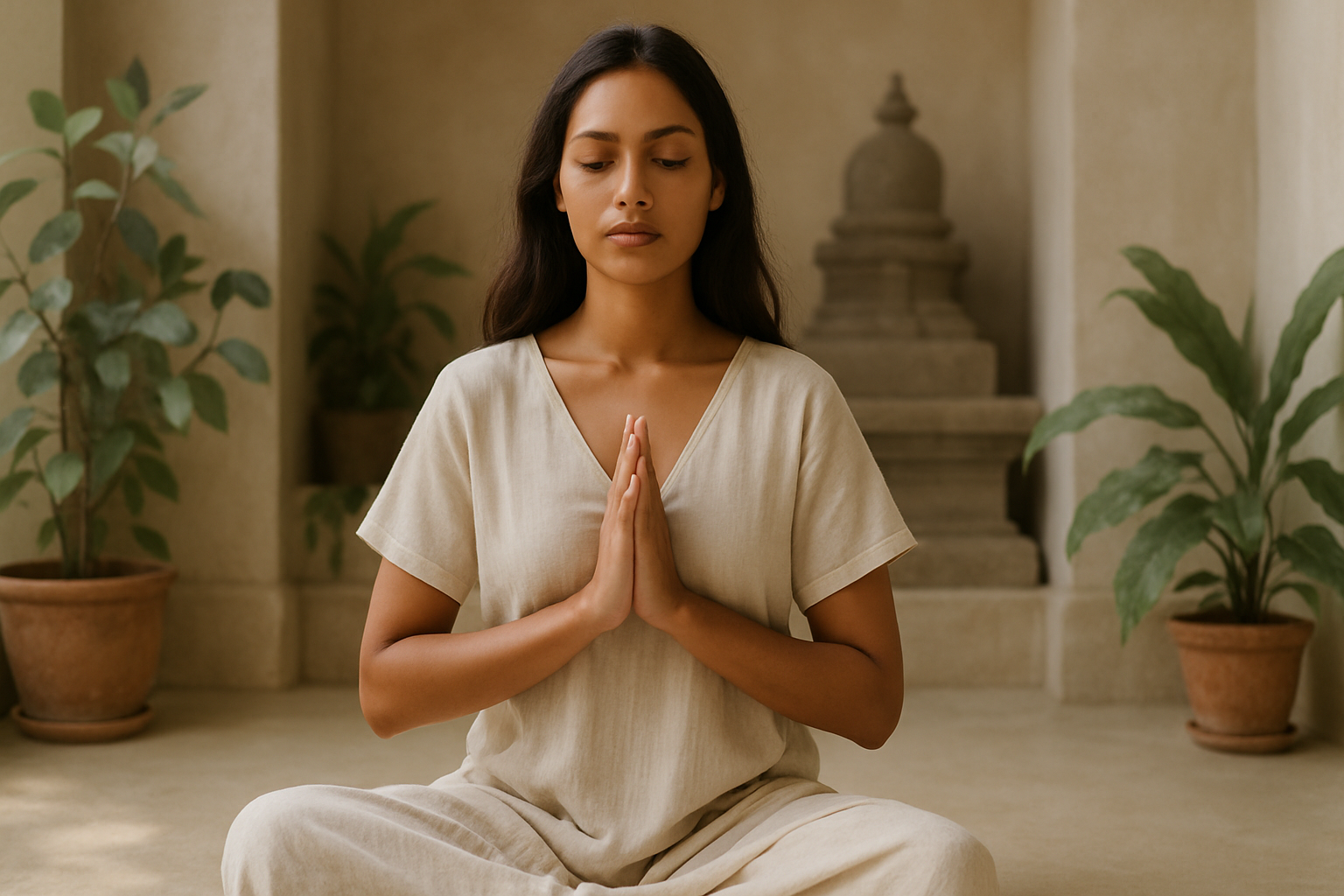
Explore the ancient practice of Temple Healing, rooted in Ancient Egyptian Medicine, its historical context, methods of practice, and modern insights.
What It Is
Temple Healing, a revered practice within Ancient Egyptian Medicine, encompasses a holistic approach to health and well-being that integrates spiritual, physical, and emotional elements. This modality is rooted in the belief that the human body is a vessel of divine energy, and maintaining harmony within this vessel is essential for overall wellness. Practitioners of Temple Healing utilize various techniques to restore balance, often conducted in sacred spaces that amplify the healing energies.
The practice involves rituals, prayers, herbal remedies, and physical therapies designed to align the body’s energies with cosmic forces. Temple Healing is not merely a treatment for ailments; it is a comprehensive method aimed at fostering a deeper connection between the individual and the universe, emphasizing the importance of spiritual health as a foundation for physical and mental well-being.
Historical Context Within Ancient Egyptian Medicine
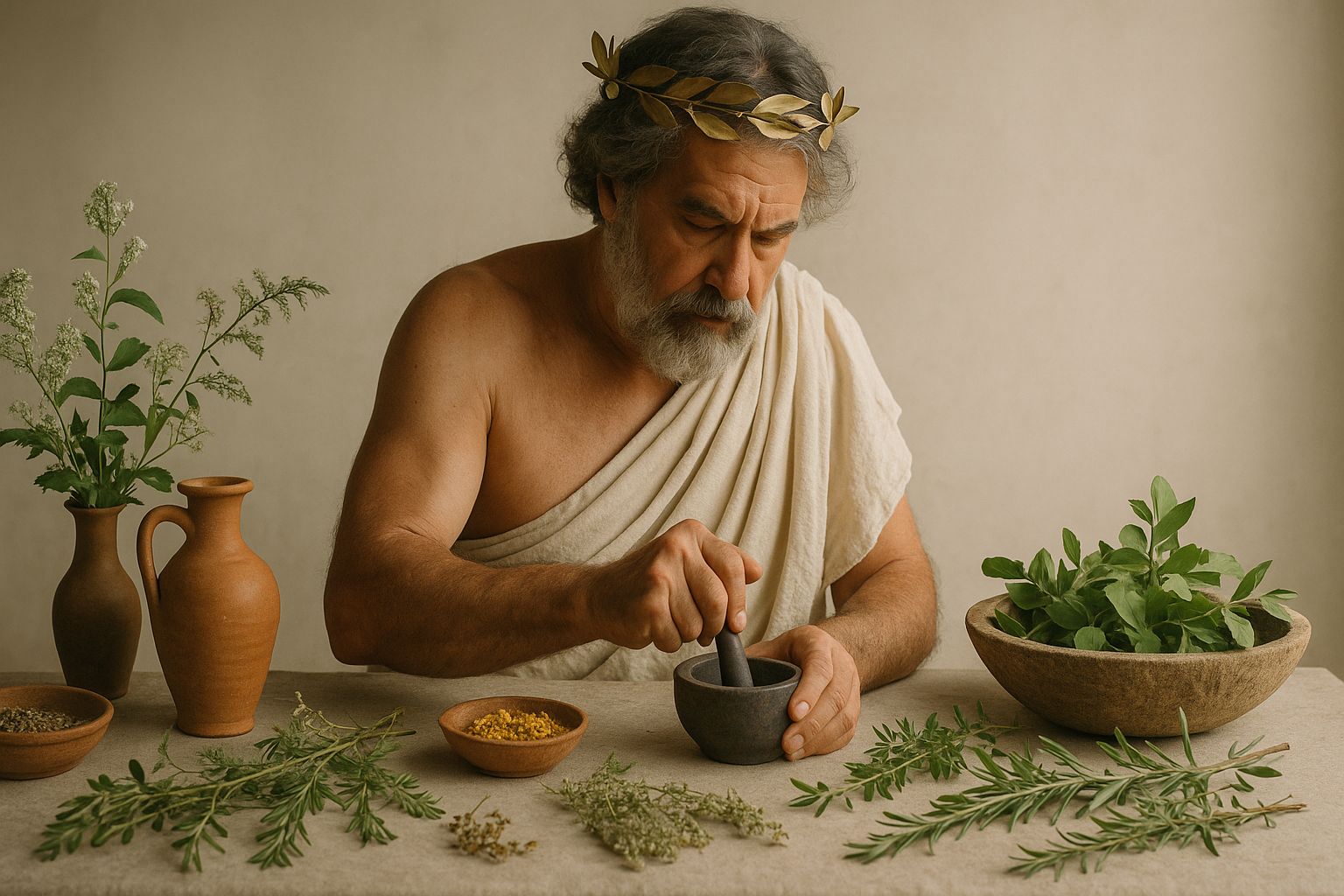
Temple Healing emerged during the height of Ancient Egyptian civilization, a time when spirituality and medicine were deeply intertwined. The ancient Egyptians viewed health as a sacred state, and illness was often interpreted as a disturbance in the relationship between the individual and the divine. This belief led to the establishment of healing temples, where trained priests and priestesses practiced medicine alongside spiritual rituals.
These healers were often considered intermediaries between the gods and the people, with specialized knowledge in both herbal medicine and spiritual practices. Influential figures, such as Imhotep, who is often regarded as the father of medicine, contributed to the formalization of these healing practices. Temple Healing, therefore, represents a unique convergence of science, spirituality, and art within the rich tapestry of Ancient Egyptian Medicine.
How It's Practiced
Practicing Temple Healing involves a series of steps designed to facilitate healing and spiritual alignment. Here’s a general overview of the process:
- Preparation: The practitioner prepares the sacred space, often adorned with symbols, herbs, and offerings to invoke divine presence.
- Assessment: The healer assesses the individual’s spiritual and physical state, often through observation, intuition, and sometimes divination methods.
- Ritual Invocation: Prayers and chants are recited to summon healing energies and establish a connection with the divine.
- Treatment Techniques: Various methods may be employed, including:
- Herbal applications
- Massage and bodywork
- Energy healing techniques
- Guided meditation and visualization
- Closure: The session concludes with a closing ritual, expressing gratitude and sealing the healing process.
What It Is Traditionally Explored For
Temple Healing has traditionally been used for a variety of conditions, with a focus on restoring balance and harmony within the individual. Some common goals include:
- Enhancing physical health
- Reducing stress and anxiety
- Promoting emotional well-being
- Supporting spiritual growth
- Facilitating recovery from illness or injury
While these practices are not intended to replace conventional medical treatment, they provide a complementary approach aimed at fostering overall wellness.
What Modern Research Suggests
Modern research into the principles behind Temple Healing reveals intriguing insights into its potential benefits. Preliminary studies suggest that practices emphasizing mindfulness, meditation, and holistic approaches to health can positively impact stress reduction and emotional health. For example, research into the effects of meditation and energy healing indicates that these modalities may enhance well-being and foster a sense of connectedness.
While specific studies on Temple Healing as a distinct practice are limited, the foundational elements—such as the use of rituals, herbs, and energy work—are supported by a growing body of evidence that highlights the significance of holistic health practices in contemporary wellness paradigms. Continued exploration may further illuminate the efficacy of these ancient methods in today's context.
Safety, Contraindications & Who Should Skip
While Temple Healing is generally considered safe, certain individuals may need to exercise caution or avoid it altogether. It is advisable for the following groups to consult with qualified health professionals before participating:
- Individuals with serious medical conditions
- Those currently undergoing treatment for specific health issues
- Pregnant women, unless guided by a qualified practitioner
- Individuals with a history of mental health disorders should proceed with caution
As with any healing practice, it is essential to approach Temple Healing with an open mind while ensuring that it complements any existing medical treatments.
Pairs Well With (within Ancient Egyptian Medicine and across pillars)
Temple Healing can be effectively combined with various other modalities and ingredients within Ancient Egyptian Medicine, including:
- Herbal remedies such as myrrh and frankincense
- Acupuncture and acupressure techniques
- Guided visualization practices
- Sound healing through music and chants
These complementary practices can enhance the overall healing experience and contribute to a more profound sense of well-being.
How to Find a Qualified Practitioner
Finding a qualified Temple Healing practitioner involves a few key steps:
- Research: Look for practitioners with training in Ancient Egyptian Medicine or related holistic healing practices.
- Credentials: Verify their qualifications, certifications, and experience in the field.
- Consultation: Schedule a preliminary consultation to discuss your goals and understand their approach.
- Referrals: Seek recommendations from trusted sources or online reviews to gauge the practitioner's reputation.
Taking the time to find a qualified practitioner can significantly enhance your healing journey.
FAQs (5)
- What is Temple Healing? Temple Healing is a holistic practice within Ancient Egyptian Medicine focused on restoring balance and harmony through spiritual and physical techniques.
- Who practices Temple Healing? Practitioners are often trained healers or priests who specialize in healing arts and spiritual rituals.
- What can I expect during a Temple Healing session? Sessions typically involve rituals, herbal remedies, and energy work aimed at promoting well-being.
- Is Temple Healing safe? Generally safe, but individuals with specific health concerns should consult healthcare providers before engaging in the practice.
- How does Temple Healing compare to modern medicine? Temple Healing offers a complementary approach to wellness, focusing on holistic health rather than purely addressing symptoms.
Frequently asked
What is Temple Healing?
Temple Healing is a holistic practice within Ancient Egyptian Medicine focused on restoring balance and harmony through spiritual and physical techniques.
Who practices Temple Healing?
Practitioners are often trained healers or priests who specialize in healing arts and spiritual rituals.
What can I expect during a Temple Healing session?
Sessions typically involve rituals, herbal remedies, and energy work aimed at promoting well-being.
Is Temple Healing safe?
Generally safe, but individuals with specific health concerns should consult healthcare providers before engaging in the practice.
How does Temple Healing compare to modern medicine?
Temple Healing offers a complementary approach to wellness, focusing on holistic health rather than purely addressing symptoms.