Meditation
Discover the significance of meditation in Ancient Egyptian Medicine, its historical roots, practice techniques, and its modern implications.
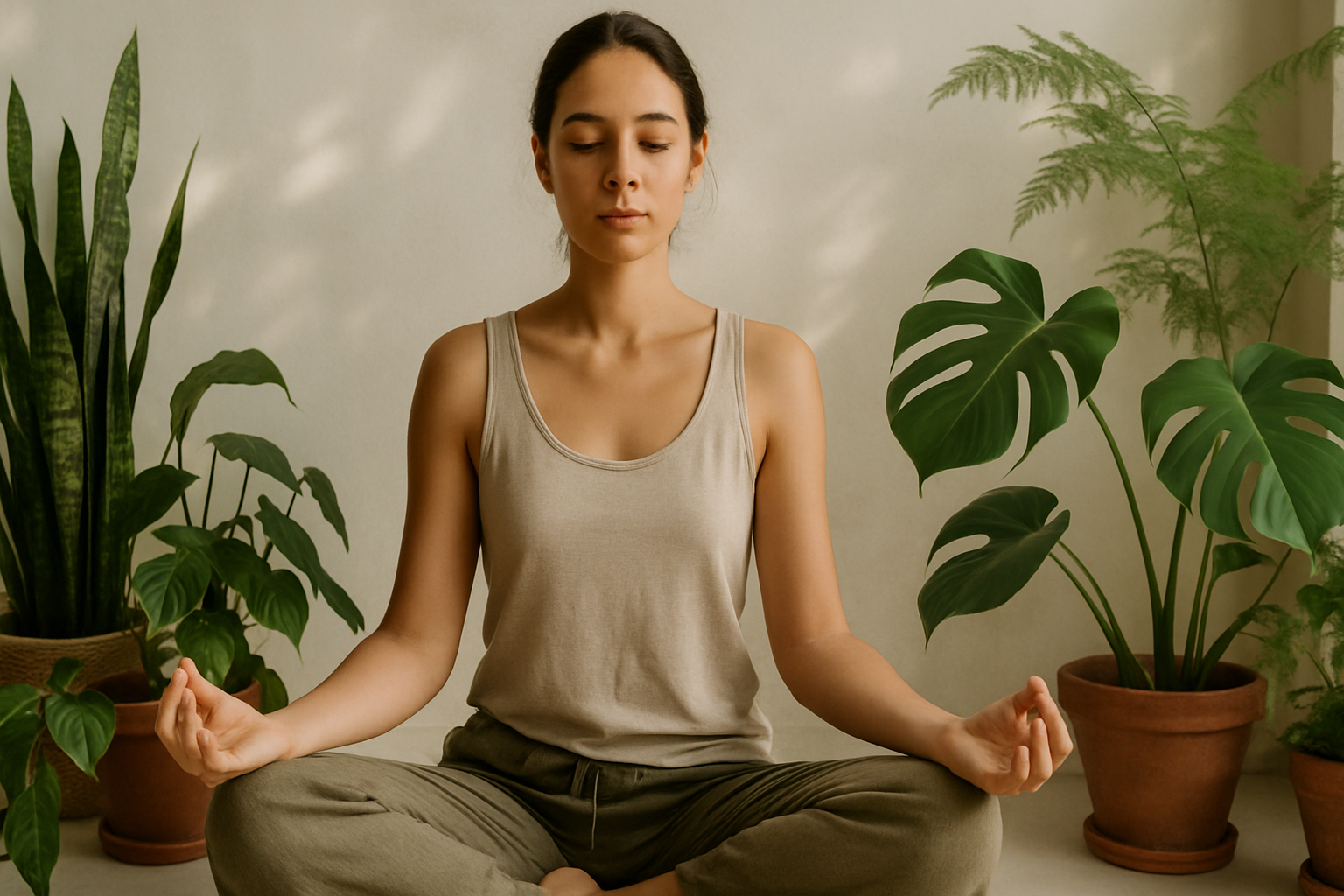
Explore the ancient practice of meditation within Ancient Egyptian Medicine, delving into its historical context, practice methods, and traditional uses.
What It Is
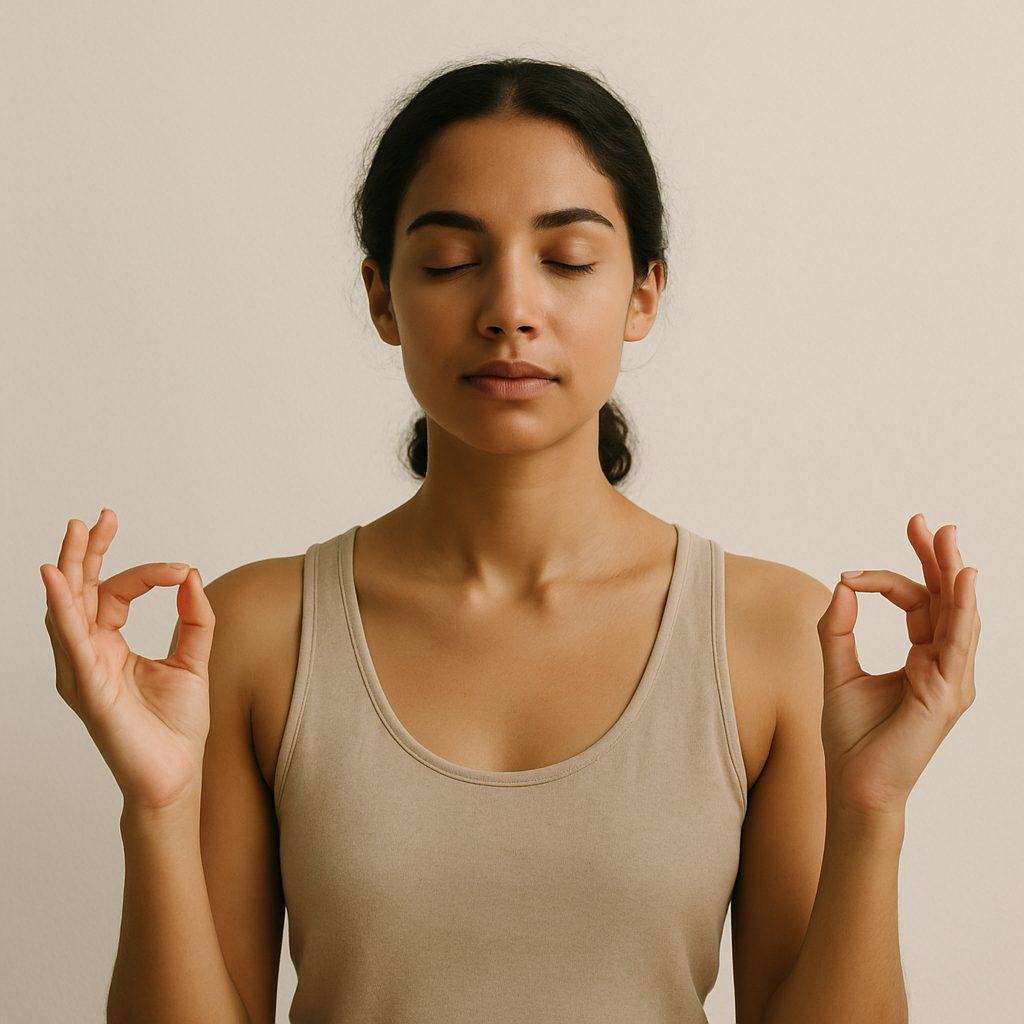
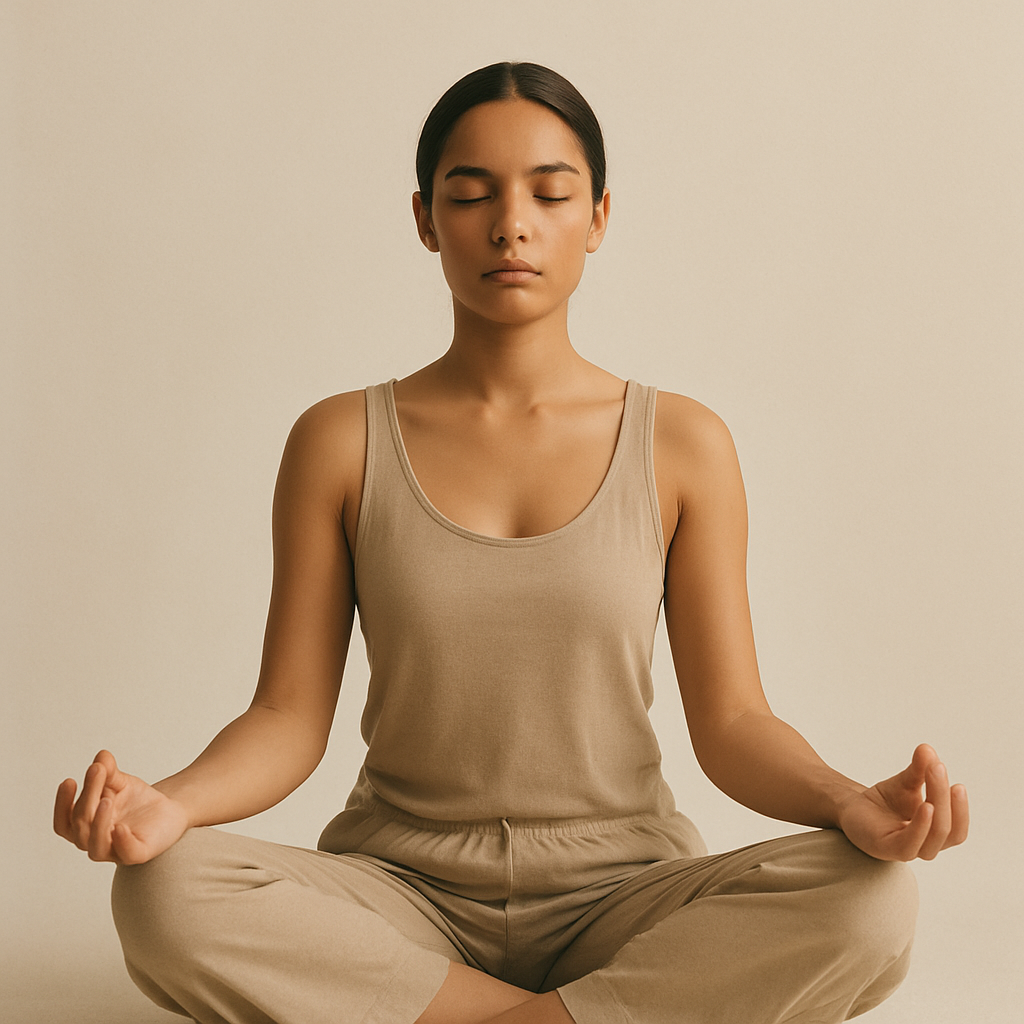
Meditation, a practice of focused contemplation and mindfulness, has roots in various ancient cultures, including Ancient Egypt. In the context of Ancient Egyptian Medicine, meditation is viewed as a means to achieve harmony between the body, mind, and spirit. It involves techniques aimed at fostering awareness, promoting relaxation, and enhancing spiritual connections.
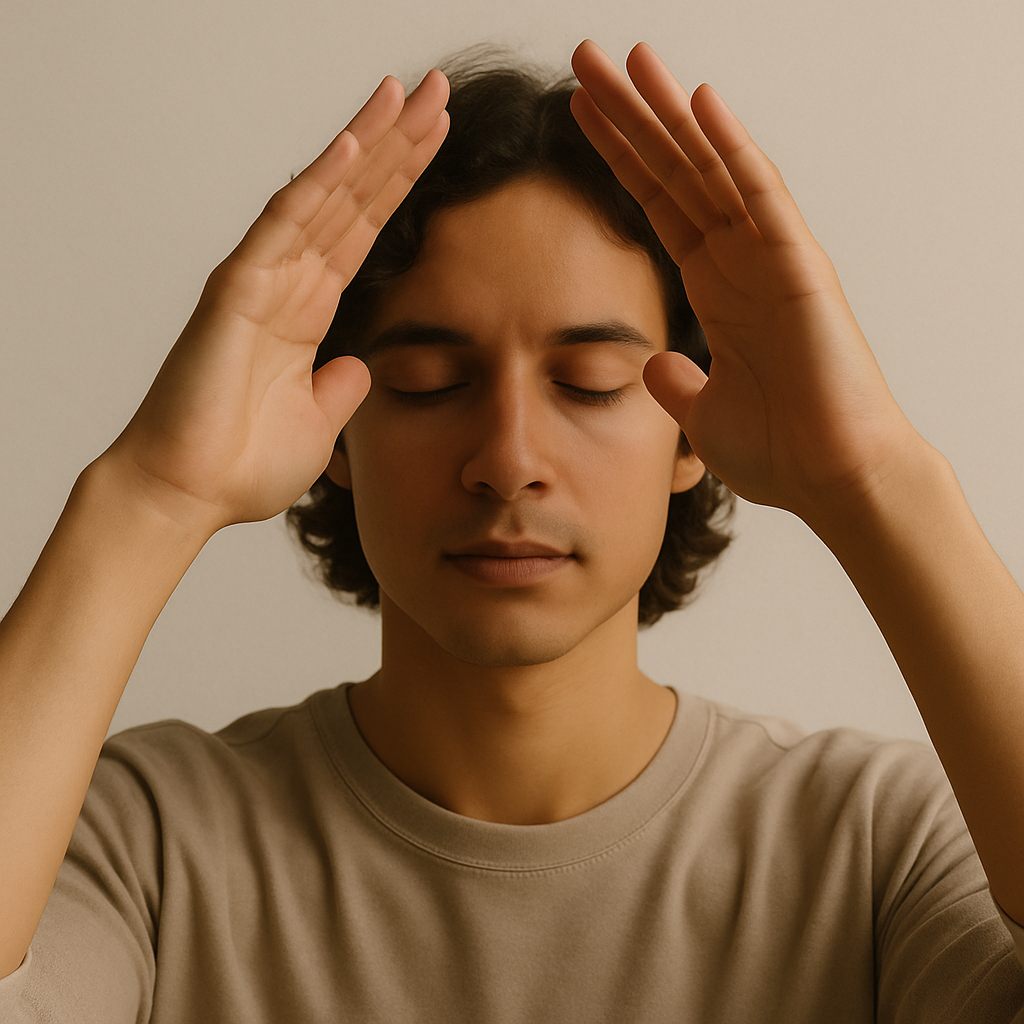
The practice often includes visualization, breath control, and rhythmic chanting, all aimed at quieting the mind and connecting with the divine. Ancient Egyptians believed that meditation could unlock hidden knowledge and facilitate a deeper understanding of oneself and the universe.
Historical Context Within Ancient Egyptian Medicine
Developed by spiritual leaders and healers, meditation was employed not just for personal enlightenment but also as a therapeutic tool. The ancient Egyptians recognized the importance of the mind and spirit in health, believing that mental clarity could lead to physical well-being.
How It's Practiced
Practicing meditation in the Ancient Egyptian context often involves the following steps:
- Choosing a quiet and sacred space, often adorned with symbols of the gods.
- Engaging in controlled breathing to center the mind.
- Using visualization techniques, often picturing the presence of deities or sacred symbols.
- Reciting prayers or mantras that resonate with personal intentions.
- Spending time in stillness, allowing thoughts to come and go without attachment.
These steps create a structured approach to meditation that not only promotes relaxation but also connects practitioners to the divine.
What It Is Traditionally Explored For
Meditation has been traditionally used for several purposes within Ancient Egyptian Medicine. Some of these include:
- Fostering spiritual growth and connection with the divine.
- Enhancing mental clarity and focus.
- Promoting emotional balance and stability.
- Facilitating healing processes by aligning body and spirit.
- Encouraging self-discovery and personal insight.
These goals reflect a holistic approach to health, emphasizing the interconnectedness of mind, body, and spirit.
What Modern Research Suggests
Contemporary studies on meditation have provided insights that echo ancient beliefs. Research indicates that meditation can lead to reductions in stress, anxiety, and depression, supporting emotional well-being. Moreover, some studies suggest that regular meditation practice may enhance cognitive functions and promote overall mental health.
While the direct connection to Ancient Egyptian practices may require more exploration, the benefits observed in modern studies align with the traditional goals of meditation as a holistic healing practice. However, further research is necessary to fully understand the implications and benefits of these ancient techniques in today’s context.
Safety, Contraindications & Who Should Skip
Meditation is generally considered safe for most individuals. However, certain populations may need to approach it with caution:
- Individuals with severe mental health conditions should consult a healthcare provider before beginning meditation.
- Those experiencing significant trauma may find certain meditation techniques triggering.
- People with specific health concerns should seek guidance from a qualified practitioner.
It is always advisable to approach meditation mindfully, ensuring that the practice aligns with personal comfort and mental health needs.
Pairs Well With (within Ancient Egyptian Medicine and across pillars)
Meditation pairs well with various other practices within Ancient Egyptian Medicine, including:
- Herbal remedies that promote relaxation, such as chamomile or valerian.
- Spiritual rituals aimed at invoking the presence of healing deities.
- Physical therapies like massage, which can enhance the meditative state.
- Other mindfulness practices such as yoga and breathing exercises.
This combination allows for a more holistic approach to health and well-being.
How to Find a Qualified Practitioner
Finding a qualified practitioner for meditation within the context of Ancient Egyptian Medicine can involve the following steps:
- Seek recommendations from local wellness centers or holistic health practitioners.
- Look for practitioners with a background in Ancient Egyptian spiritual practices.
- Attend workshops or introductory classes to assess the practitioner's approach and philosophy.
- Inquire about their training, experience, and methods used in meditation.
Choosing the right practitioner is crucial for ensuring an authentic and beneficial experience.
FAQs (5)
What is the goal of meditation in Ancient Egyptian Medicine?
The goal is to achieve harmony between body, mind, and spirit, promoting personal growth and healing.
Can anyone practice meditation?
Yes, most individuals can practice meditation, but those with certain mental health concerns should consult a healthcare provider first.
How long should I meditate for?
Starting with shorter sessions, around 10-15 minutes, is recommended, gradually increasing as comfort develops.
What is the role of visualization in meditation?
Visualization helps deepen the meditative experience by focusing the mind and connecting with spiritual symbols or deities.
Are there any specific breathing techniques used in Ancient Egyptian meditation?
While specific techniques may vary, controlled and rhythmic breathing is commonly emphasized to enhance relaxation and focus.
Frequently asked
What is the goal of meditation in Ancient Egyptian Medicine?
The goal is to achieve harmony between body, mind, and spirit, promoting personal growth and healing.
Can anyone practice meditation?
Yes, most individuals can practice meditation, but those with certain mental health concerns should consult a healthcare provider first.
How long should I meditate for?
Starting with shorter sessions, around 10-15 minutes, is recommended, gradually increasing as comfort develops.
What is the role of visualization in meditation?
Visualization helps deepen the meditative experience by focusing the mind and connecting with spiritual symbols or deities.
Are there any specific breathing techniques used in Ancient Egyptian meditation?
While specific techniques may vary, controlled and rhythmic breathing is commonly emphasized to enhance relaxation and focus.