Ancient Diagnostics
Delve into Ancient Diagnostics within Ancient Egyptian Medicine, examining its history, practice, modern research, and safety considerations.
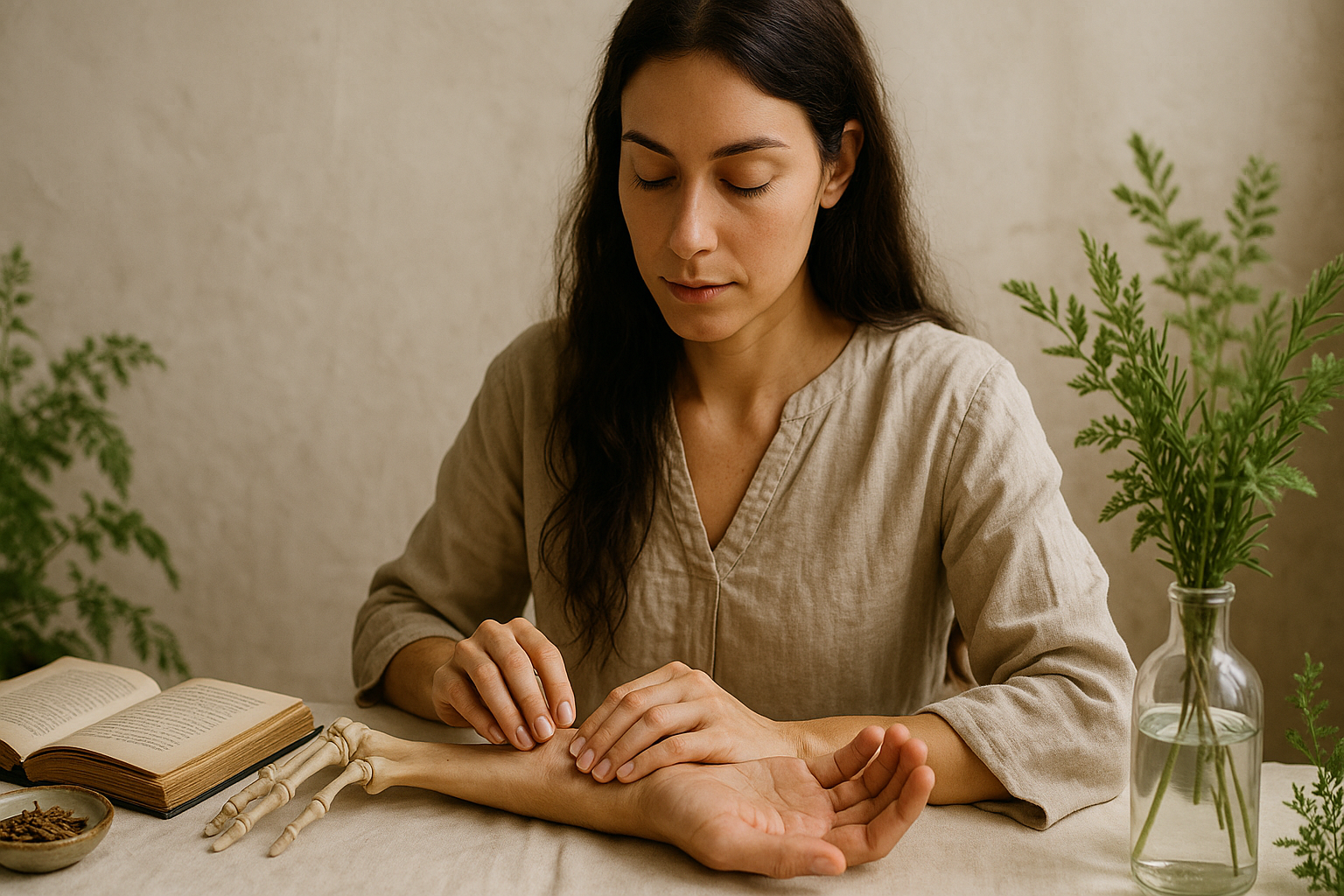
Explore the ancient practice of diagnostics in Ancient Egyptian Medicine, uncovering its historical context, methods, and modern implications.
What It Is
Ancient Diagnostics refers to the methods and practices used by ancient Egyptian healers to assess and understand health conditions. This modality encompasses a variety of techniques, including observation, questioning, and physical examination, aimed at determining the underlying causes of ailments. The ancient Egyptians believed that a person's health was closely tied to the balance of bodily elements and spiritual well-being, leading to a holistic approach to diagnostics.
In the practice of Ancient Diagnostics, practitioners relied on their keen observational skills and extensive knowledge of the human body, gained through years of experience and study. They would examine physical symptoms, inquire about a patient’s lifestyle and experiences, and interpret certain signs to reach a diagnosis. This approach not only focused on the physical aspects of health but also considered emotional and spiritual factors.
Historical Context Within Ancient Egyptian Medicine
Ancient Diagnostics emerged within the rich tapestry of Ancient Egyptian Medicine, which dates back thousands of years. The practice was developed by skilled physicians and healers, who were often trained in the temples and had access to extensive medical texts. The Ebers Papyrus, one of the oldest medical documents, highlights the sophisticated understanding of anatomy and diagnostics that existed during this time.
Healers in ancient Egypt were revered figures, often considered intermediaries between the divine and the human realm. They utilized a combination of empirical observation and spiritual insight, reflecting the belief that health was influenced by both physical and metaphysical factors. This approach laid the groundwork for subsequent medical practices in the region and influenced other cultures as well.
How It's Practiced
The practice of Ancient Diagnostics involves several key steps that practitioners follow to assess a patient's health. Here is a plain-language overview of the process:
- Initial Consultation: The practitioner begins by asking the patient questions about their symptoms, lifestyle, and emotional state.
- Observation: The healer carefully observes the patient’s physical appearance, looking for signs such as skin color, posture, and overall demeanor.
- Physical Examination: The practitioner may conduct a gentle physical examination, checking for abnormalities or areas of pain.
- Interpretation of Signs: The healer interprets any signs or symptoms based on traditional knowledge and ancient texts.
- Holistic Assessment: The practitioner considers both physical and spiritual factors in their diagnosis, aiming to understand the patient’s overall health.
What It Is Traditionally Explored For
Ancient Diagnostics has been traditionally used for a variety of health concerns. While it is essential to note that these practices are not substitutes for modern medical advice, they were believed to address several common goals, including:
- Identifying the root causes of physical ailments.
- Understanding emotional or spiritual disturbances that may be affecting health.
- Restoring balance to the body’s elements.
- Guiding treatment decisions based on comprehensive assessments.
What Modern Research Suggests
Modern research into ancient diagnostic practices has begun to reveal the sophisticated understanding of health that existed in ancient Egypt. Studies of ancient texts, such as the Ebers Papyrus and the Edwin Smith Papyrus, indicate a remarkable level of medical knowledge, including insights into anatomy and the body’s functions. Preliminary research suggests that some of the diagnostic techniques used by ancient Egyptians may still hold relevance today, particularly in their holistic approach to health.
While clinical studies specifically focused on Ancient Diagnostics are limited, researchers are increasingly interested in how ancient practices can inform contemporary understanding of health and wellness. The integration of holistic approaches that consider emotional and spiritual well-being alongside physical health is gaining recognition in modern medicine, echoing the principles found in ancient Egyptian practices.
Safety, Contraindications & Who Should Skip
Although ancient diagnostic practices can offer valuable insights, it is crucial to approach them with caution. Individuals with serious medical conditions or those requiring immediate medical attention should seek conventional medical care. Additionally, pregnant individuals and those with chronic illnesses should consult with a healthcare provider before exploring ancient diagnostic techniques. It is essential to ensure that any practitioner is qualified and operates within the appropriate ethical and safety guidelines.
Pairs Well With (within Ancient Egyptian Medicine and across pillars)
Ancient Diagnostics can be complemented by various other modalities and practices within Ancient Egyptian Medicine, as well as across different pillars of ancient wisdom. These include:
- Herbal Medicine
- Spiritual Healing
- Massage Therapy
- Nutritional Guidance
- Ritual Practices
How to Find a Qualified Practitioner
Finding a qualified practitioner of Ancient Diagnostics requires careful consideration. Here are some steps to help you locate a knowledgeable and experienced healer:
- Research practitioners with a background in ancient medicine or holistic health.
- Look for certifications or training related to ancient healing practices.
- Seek recommendations from trusted sources or community groups.
- Schedule consultations to discuss their approach and methods.
- Ensure they adhere to safety and ethical standards in their practice.
FAQs (5)
- What is the main focus of Ancient Diagnostics? Ancient Diagnostics focuses on assessing health conditions through observation, questioning, and holistic understanding.
- Can Ancient Diagnostics be used as a substitute for modern medicine? No, it is essential to consult modern medical professionals for serious health issues.
- How did ancient Egyptians view health? They believed health was a balance of physical, emotional, and spiritual elements.
- What types of conditions were traditionally explored with Ancient Diagnostics? Common concerns included physical ailments, emotional disturbances, and overall well-being.
- How can one find a practitioner of Ancient Diagnostics? Research qualified practitioners and seek recommendations based on their experience and ethical standards.
Frequently asked
What is the main focus of Ancient Diagnostics?
Ancient Diagnostics focuses on assessing health conditions through observation, questioning, and holistic understanding.
Can Ancient Diagnostics be used as a substitute for modern medicine?
No, it is essential to consult modern medical professionals for serious health issues.
How did ancient Egyptians view health?
They believed health was a balance of physical, emotional, and spiritual elements.
What types of conditions were traditionally explored with Ancient Diagnostics?
Common concerns included physical ailments, emotional disturbances, and overall well-being.
How can one find a practitioner of Ancient Diagnostics?
Research qualified practitioners and seek recommendations based on their experience and ethical standards.