Body Cleansing
Discover the significance of body cleansing within Ancient Egyptian Medicine, its historical context, practices, and modern insights.
Explore the ancient practice of body cleansing in Ancient Egyptian Medicine, its historical roots, methods, and modern perspectives on health and safety.
What It Is
Body cleansing, rooted in the traditions of Ancient Egyptian Medicine, refers to a holistic practice aimed at purifying the body and restoring balance. This process encompasses various techniques and rituals designed to may help with toxins, promote health, and enhance spiritual well-being. Cleansing was believed to be essential for maintaining harmony between the physical and spiritual aspects of life.
The concept of body cleansing in Ancient Egypt was closely tied to the civilization's understanding of health and disease. Practitioners utilized natural substances, rituals, and dietary adjustments to facilitate this cleansing process. The belief was that a clean body was essential for a prosperous life, allowing individuals to connect more deeply with the divine and maintain their physical vitality.
Historical Context Within Ancient Egyptian Medicine
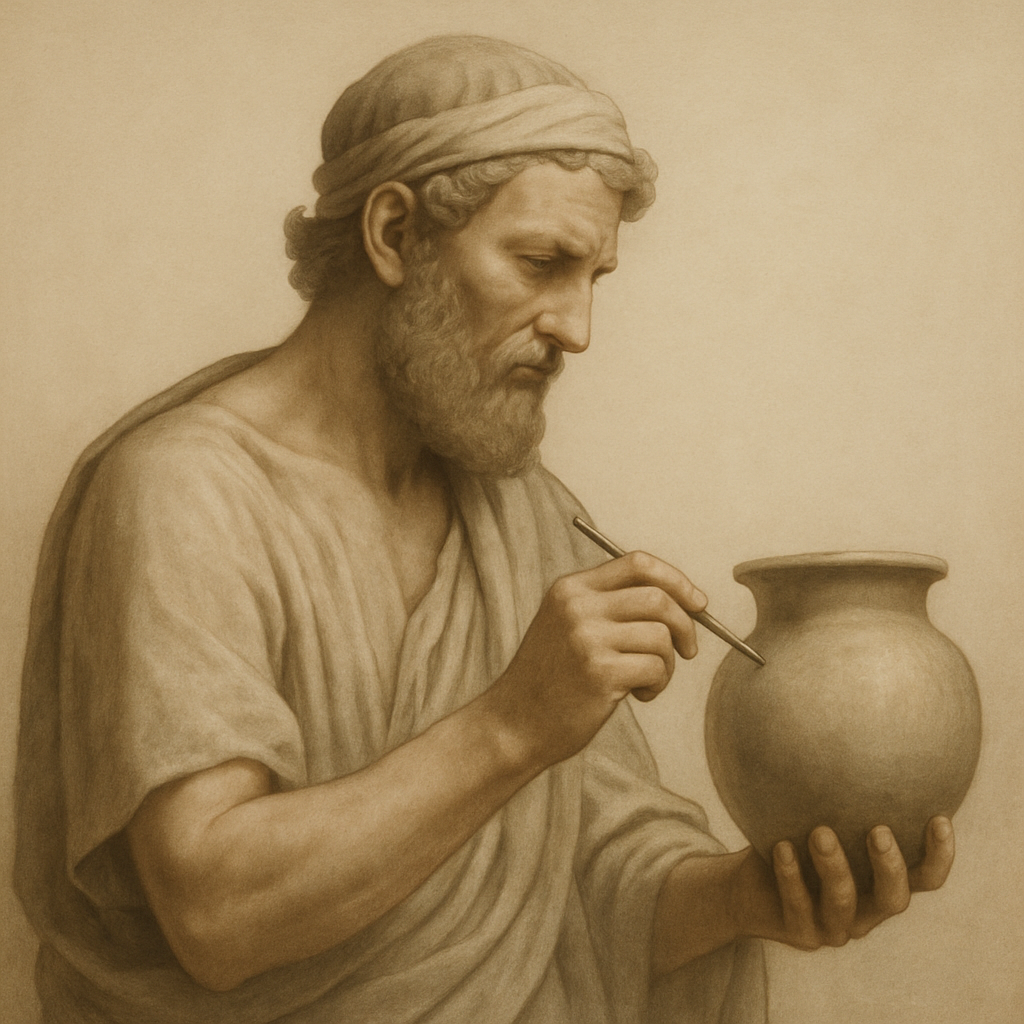
Body cleansing emerged as a fundamental aspect of Ancient Egyptian Medicine around 3000 BCE, during a time when the Egyptians were developing their understanding of health, disease, and the human body. Early practitioners, often priests and healers, were responsible for these cleansing rituals, integrating their knowledge of herbs, minerals, and spiritual practices.
The practice was influenced by the Egyptian belief in the afterlife, where a clean body was essential for a successful journey into the next realm. As such, cleansing rituals were not only physical in nature but also deeply spiritual, reflecting the intertwined nature of health and the cosmos in Ancient Egyptian culture.
How It's Practiced
Practitioners of body cleansing in Ancient Egypt typically followed a structured approach that included several key components:
- Preparation: Individuals would prepare for cleansing by fasting or reducing intake of heavy foods.
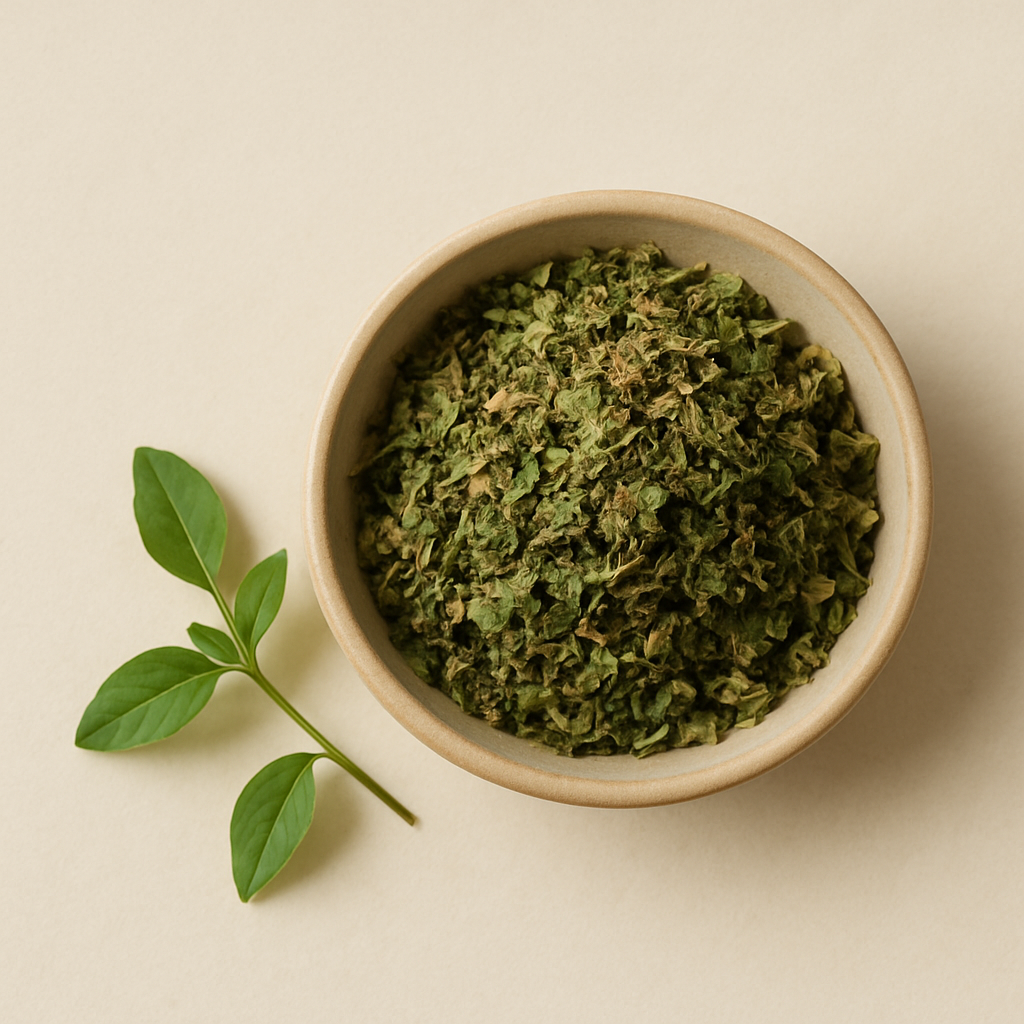
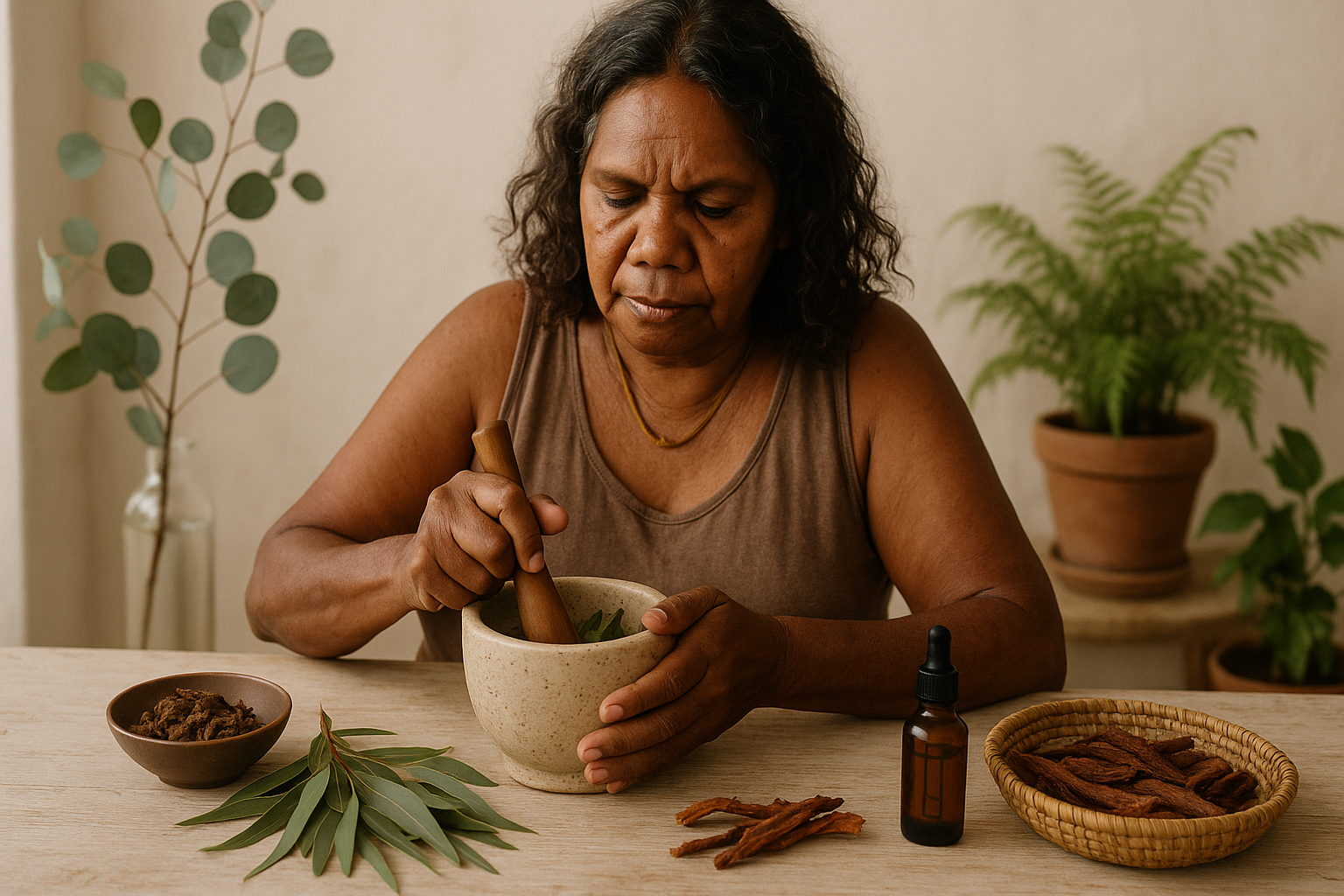
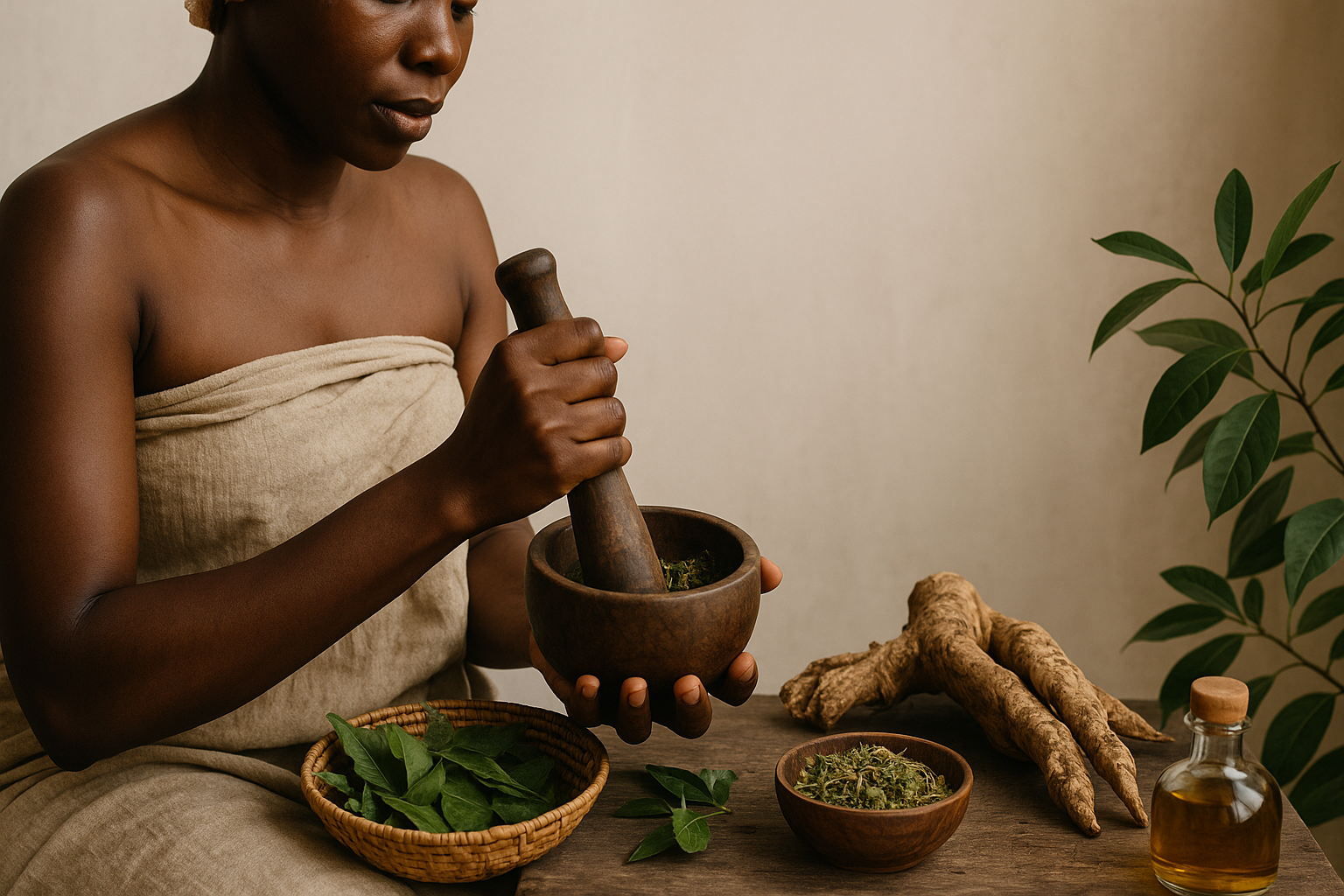
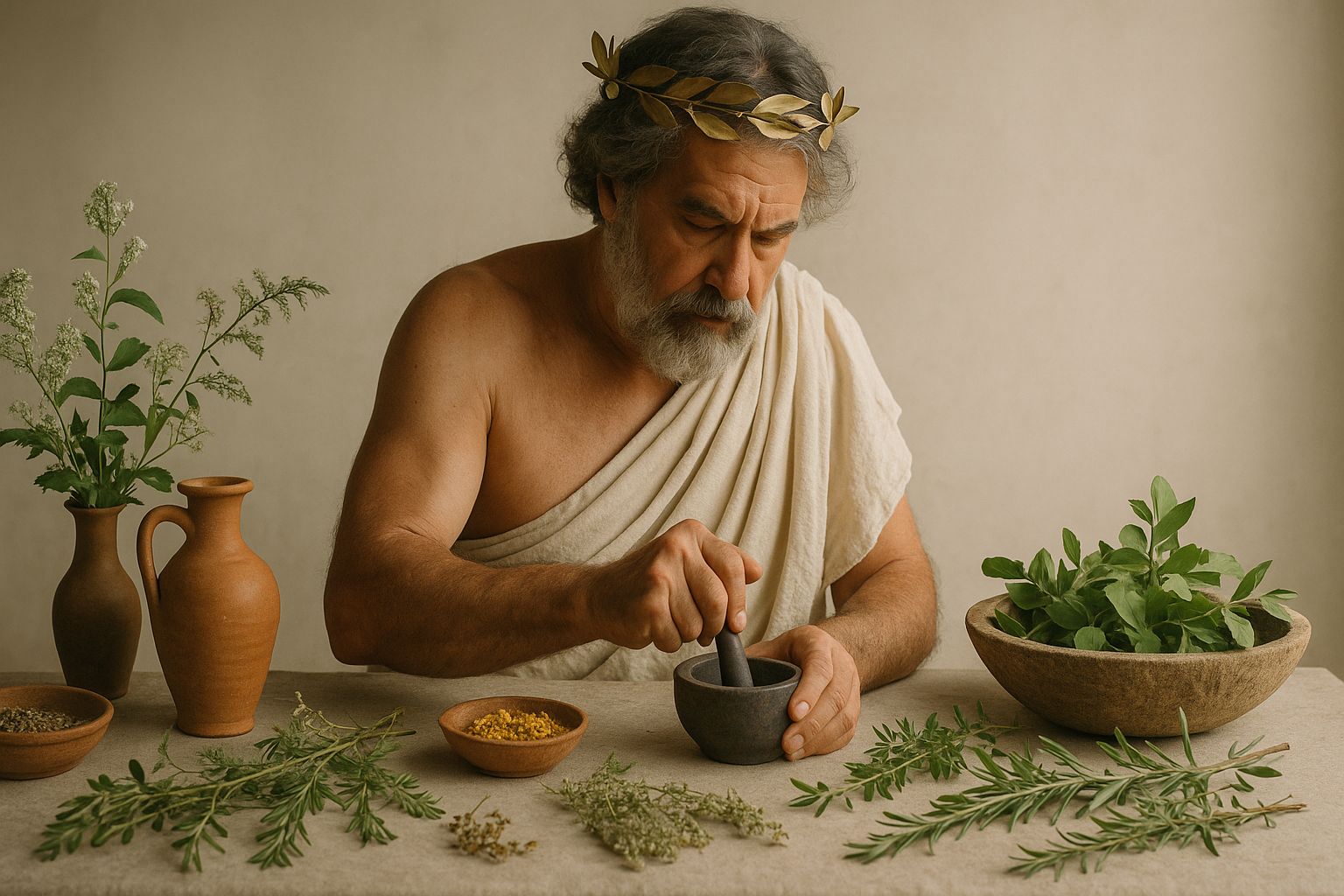
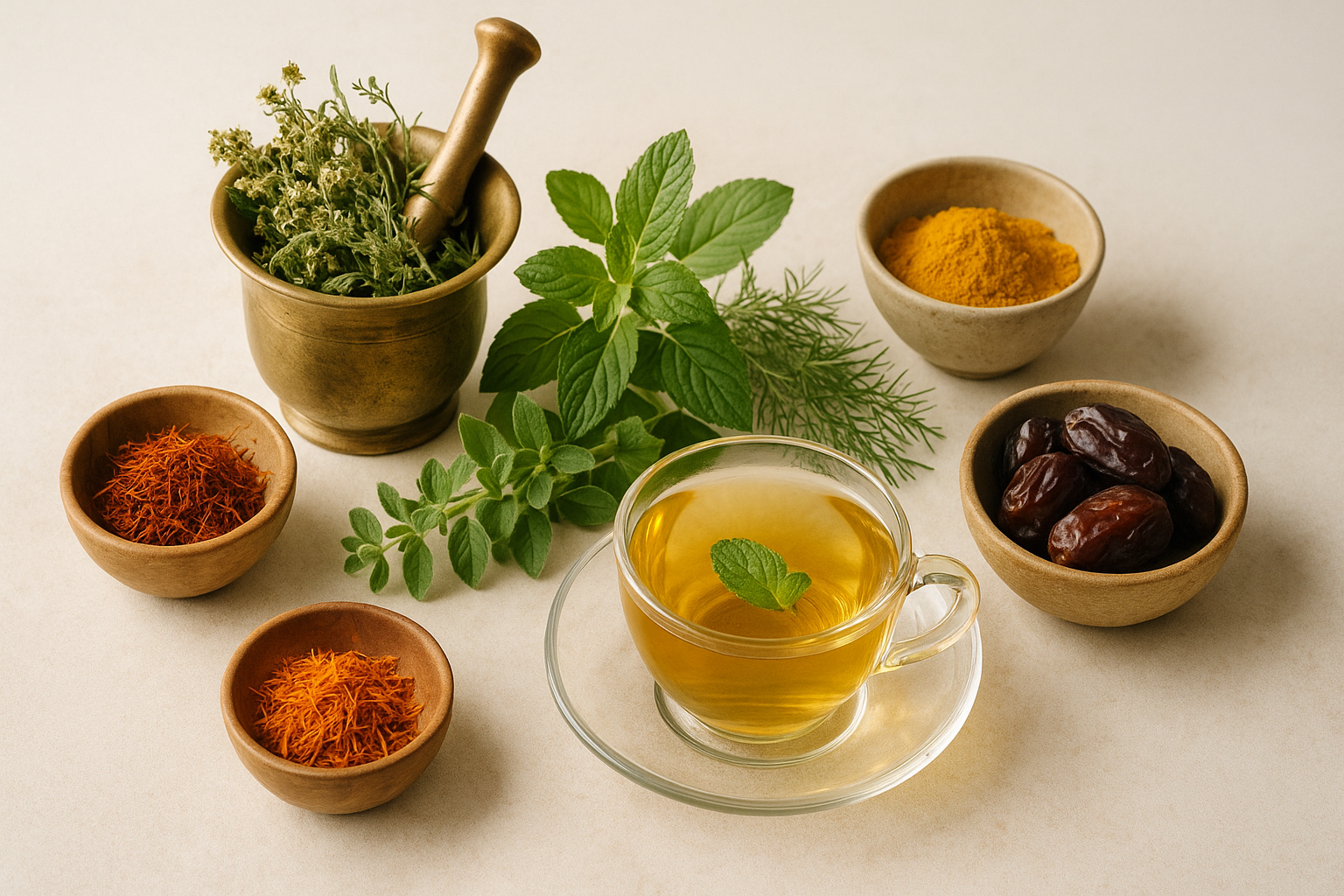
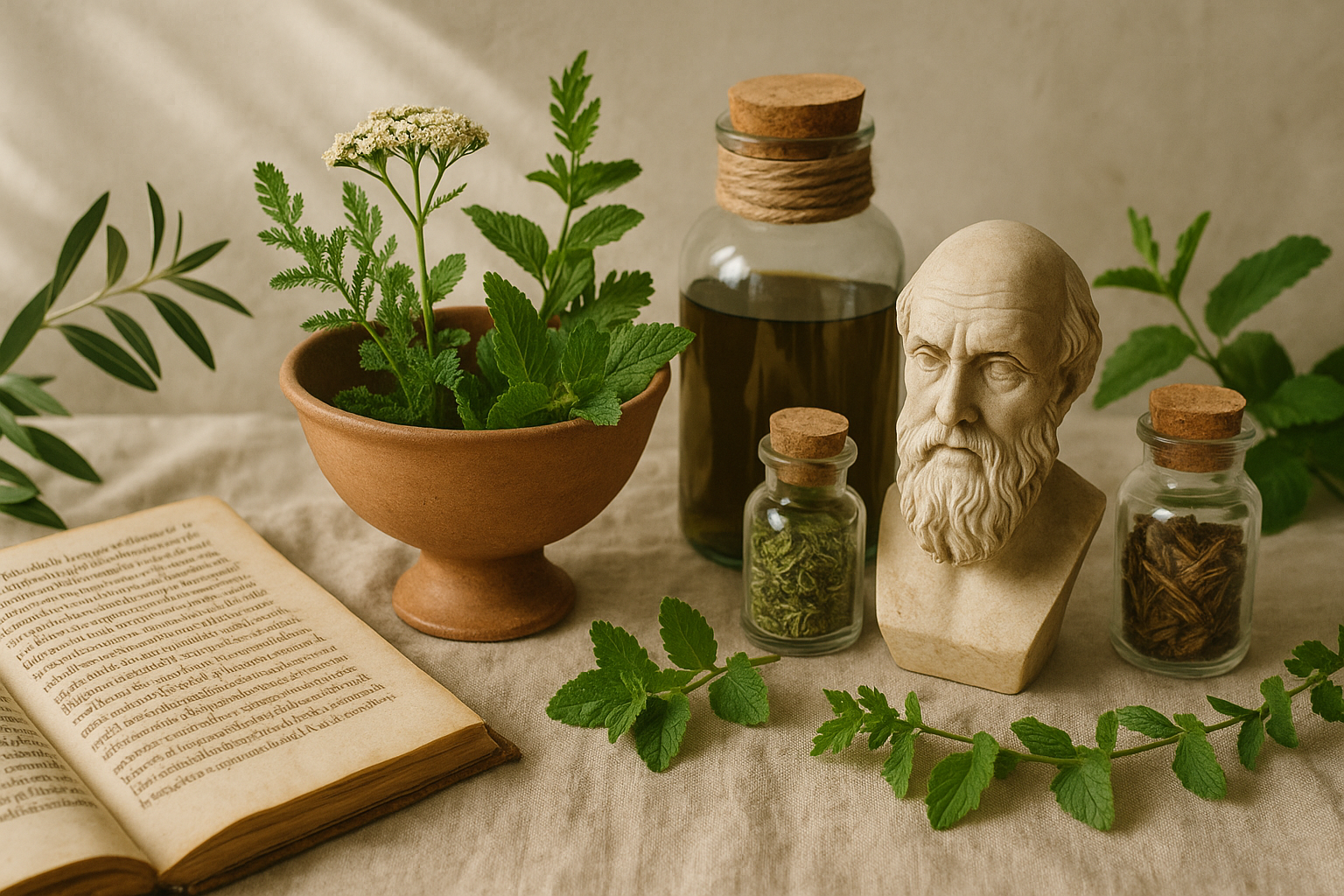
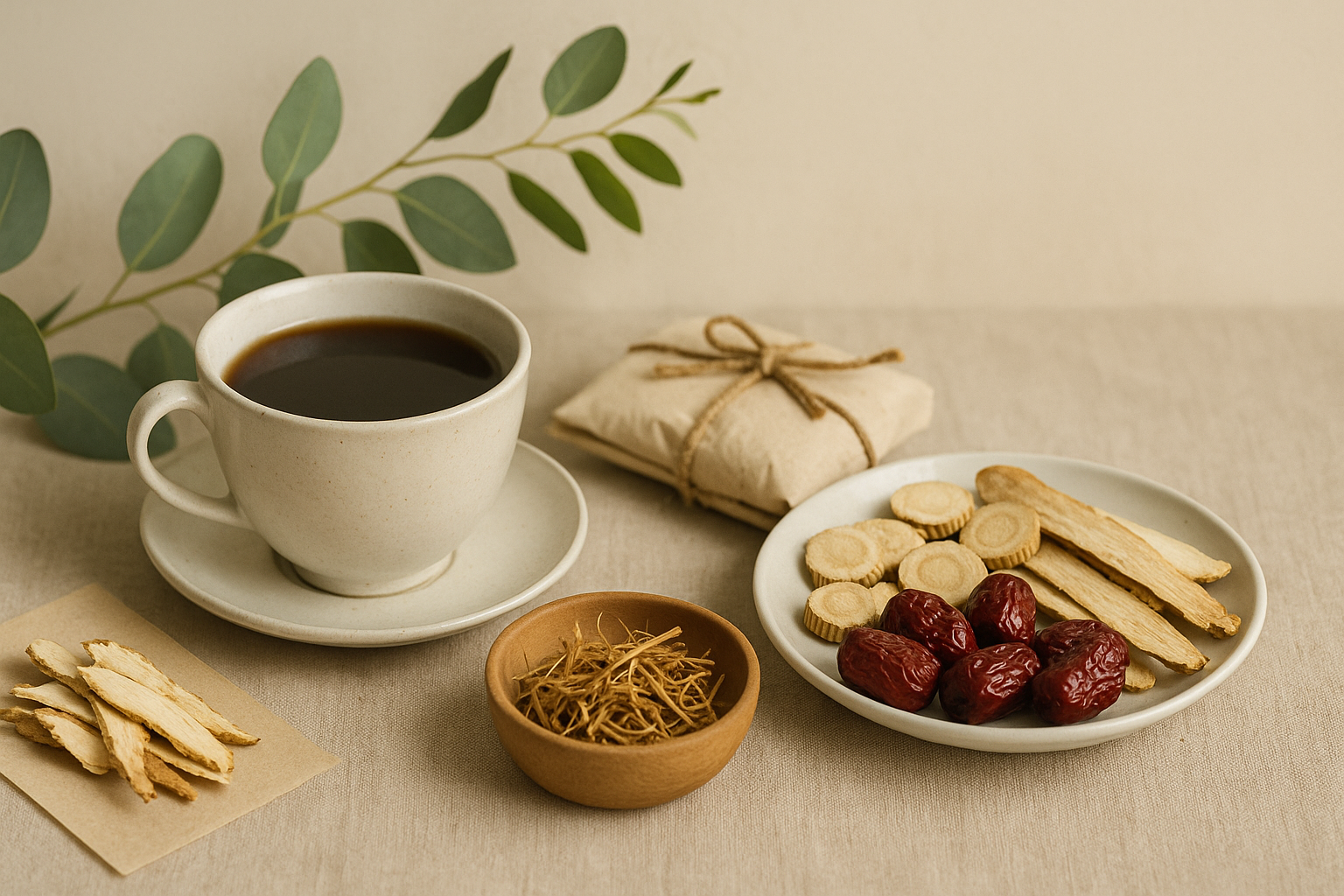
- Herbal Infusions: Use of herbal teas or infusions made from local plants known for their purifying properties.
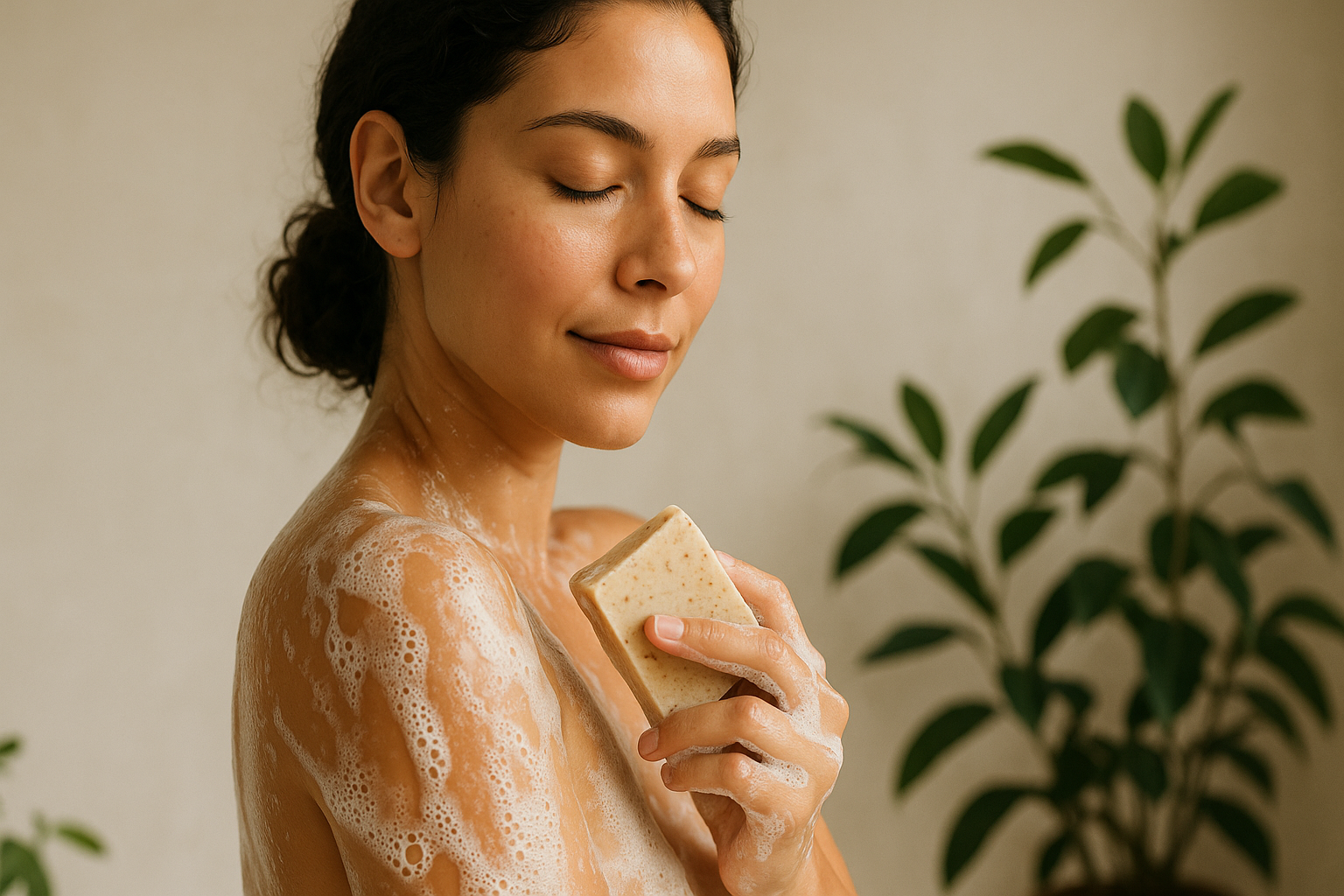
- Bathing Rituals: Ritual baths using natural oils and fragrances to cleanse the skin and spirit.
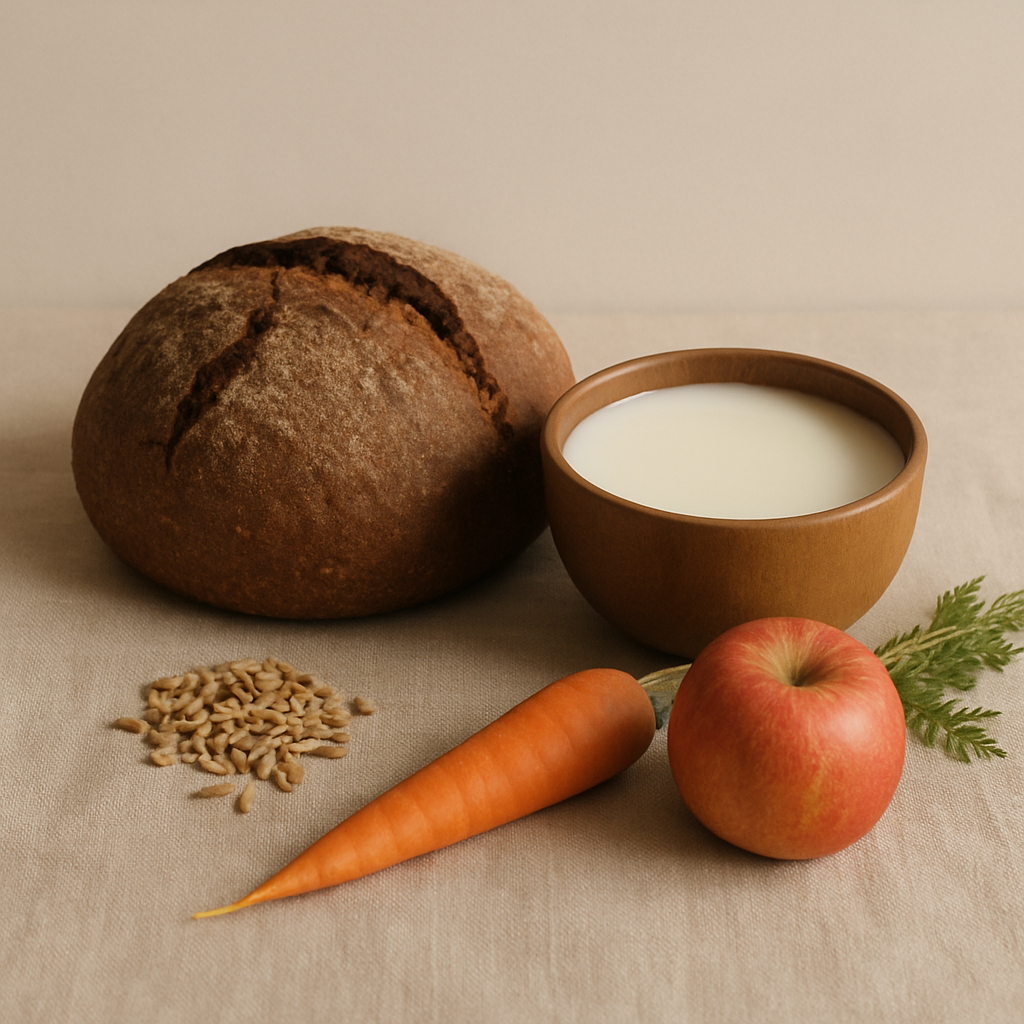
- Detoxifying Diet: Consumption of light, plant-based foods to aid in the cleansing process.
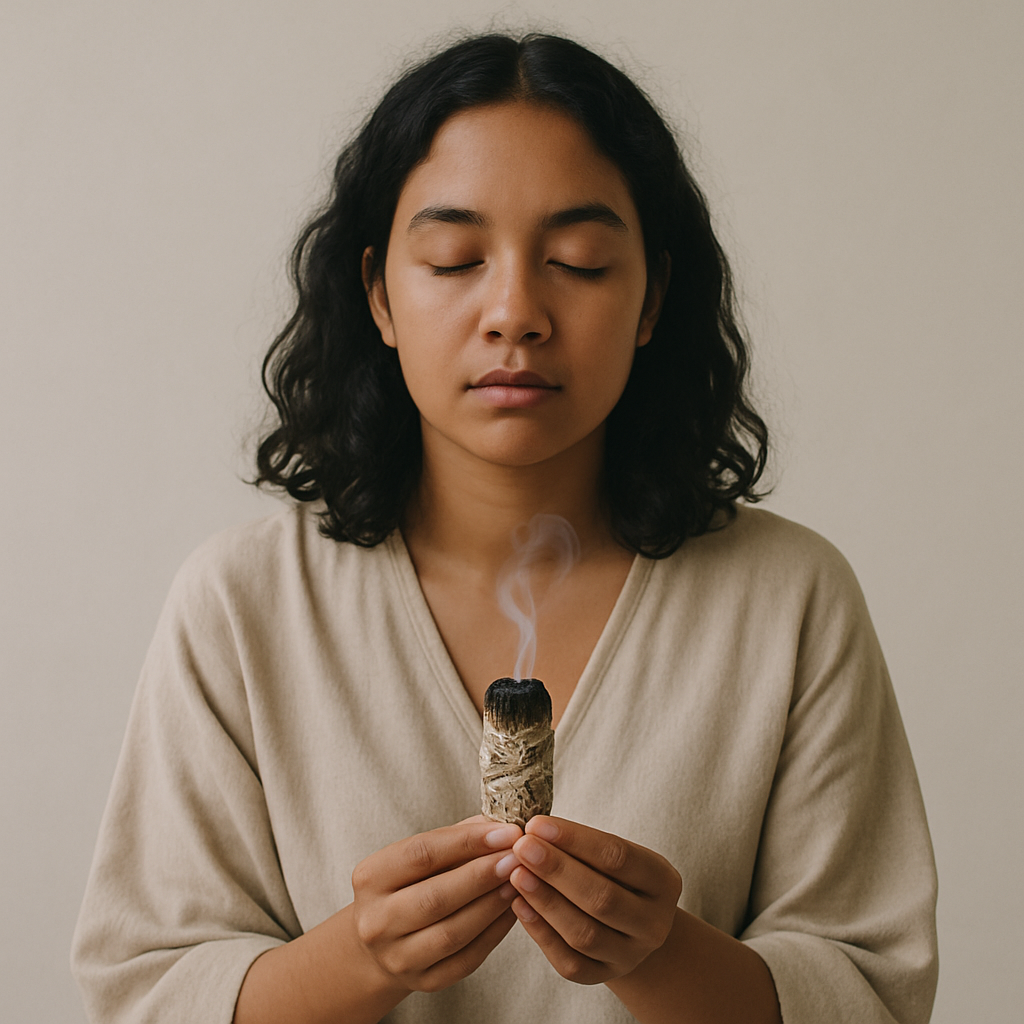
- Spiritual Practices: Incorporation of prayers, chants, or meditations to enhance the spiritual aspect of cleansing.
This holistic approach exemplified the Ancient Egyptians' understanding of the body as a vessel that needed regular maintenance and care.
What It Is Traditionally Explored For
Body cleansing in Ancient Egyptian Medicine was traditionally used for several purposes, including:
- Promoting physical health and vitality.
- Enhancing spiritual clarity and connection to the divine.
- Preparing individuals for significant life events or transitions.
- Facilitating emotional healing and well-being.
- Supporting overall balance and harmony within the body.
These goals reflect the holistic worldview of the Ancient Egyptians, who believed that physical, emotional, and spiritual health were interconnected.
What Modern Research Suggests
While the practices of body cleansing in Ancient Egyptian Medicine are ancient, modern research has begun to explore similar concepts in the context of health and wellness. Some studies suggest that certain herbal remedies used in cleansing practices may have beneficial effects on detoxification and overall health. For example, herbs traditionally associated with cleansing, such as fennel and mint, have been studied for their potential digestive and detoxifying properties.
However, it is essential to approach these findings with caution. While there is some emerging evidence supporting the benefits of herbal cleansing, more rigorous clinical studies are needed to establish definitive conclusions. The holistic nature of body cleansing, including its spiritual components, is also challenging to quantify in modern scientific terms.
Safety, Contraindications & Who Should Skip
While body cleansing can be beneficial, it is not suitable for everyone. Individuals with certain health conditions, such as kidney disease, liver disorders, or gastrointestinal issues, should consult a healthcare provider before engaging in cleansing practices. Pregnant or nursing women and those on specific medications may also need to avoid these practices to ensure safety.
It is essential to approach body cleansing thoughtfully, considering one's individual health status and seeking guidance from qualified practitioners when necessary.
Pairs Well With (within Ancient Egyptian Medicine and across pillars)
Body cleansing can be effectively paired with several other practices within Ancient Egyptian Medicine, including:
- Herbal Medicine: Utilizing various herbs known for their healing properties.
- Massage Therapy: Techniques that promote relaxation and enhance the cleansing process.
- Acupuncture: Balancing energy flow within the body.
Additionally, across different wellness traditions, body cleansing may complement practices such as yoga and meditation, which also focus on holistic health.
How to Find a Qualified Practitioner
To find a qualified practitioner of body cleansing within the framework of Ancient Egyptian Medicine, consider the following steps:
- Research local wellness centers that specialize in holistic health.
- Look for practitioners with credentials in herbal medicine, traditional healing arts, or ancient practices.
- Seek recommendations from those who have undergone similar treatments.
- Ask about their experience and the specific techniques they use in body cleansing.
Ensuring that the practitioner aligns with your health philosophy and goals is essential for a positive experience.
FAQs
- What is body cleansing? Body cleansing is a holistic practice aimed at purifying the body and restoring balance through natural methods.
- What were the primary methods used in Ancient Egyptian body cleansing? Common methods included herbal infusions, ritual baths, and detoxifying diets.
- Is body cleansing safe for everyone? No, those with specific health conditions should consult a healthcare provider before engaging in cleansing practices.
- What are the traditional goals of body cleansing? Traditionally, it was used to promote health, enhance spirituality, and support emotional well-being.
- How can modern research inform our understanding of body cleansing? Some studies suggest potential benefits of herbal remedies, but more research is needed for conclusive evidence.
Frequently asked
What is body cleansing?
Body cleansing is a holistic practice aimed at purifying the body and restoring balance through natural methods.
What were the primary methods used in Ancient Egyptian body cleansing?
Common methods included herbal infusions, ritual baths, and detoxifying diets.
Is body cleansing safe for everyone?
No, those with specific health conditions should consult a healthcare provider before engaging in cleansing practices.
What are the traditional goals of body cleansing?
Traditionally, it was used to promote health, enhance spirituality, and support emotional well-being.
How can modern research inform our understanding of body cleansing?
Some studies suggest potential benefits of herbal remedies, but more research is needed for conclusive evidence.