Sacred Plants
Discover the role of sacred plants in Ancient Egyptian medicine, including their historical significance, traditional uses, and modern research insights.
Explore the sacred plants of Ancient Egyptian medicine, their historical context, traditional uses, modern research, and safety considerations.
What It Is
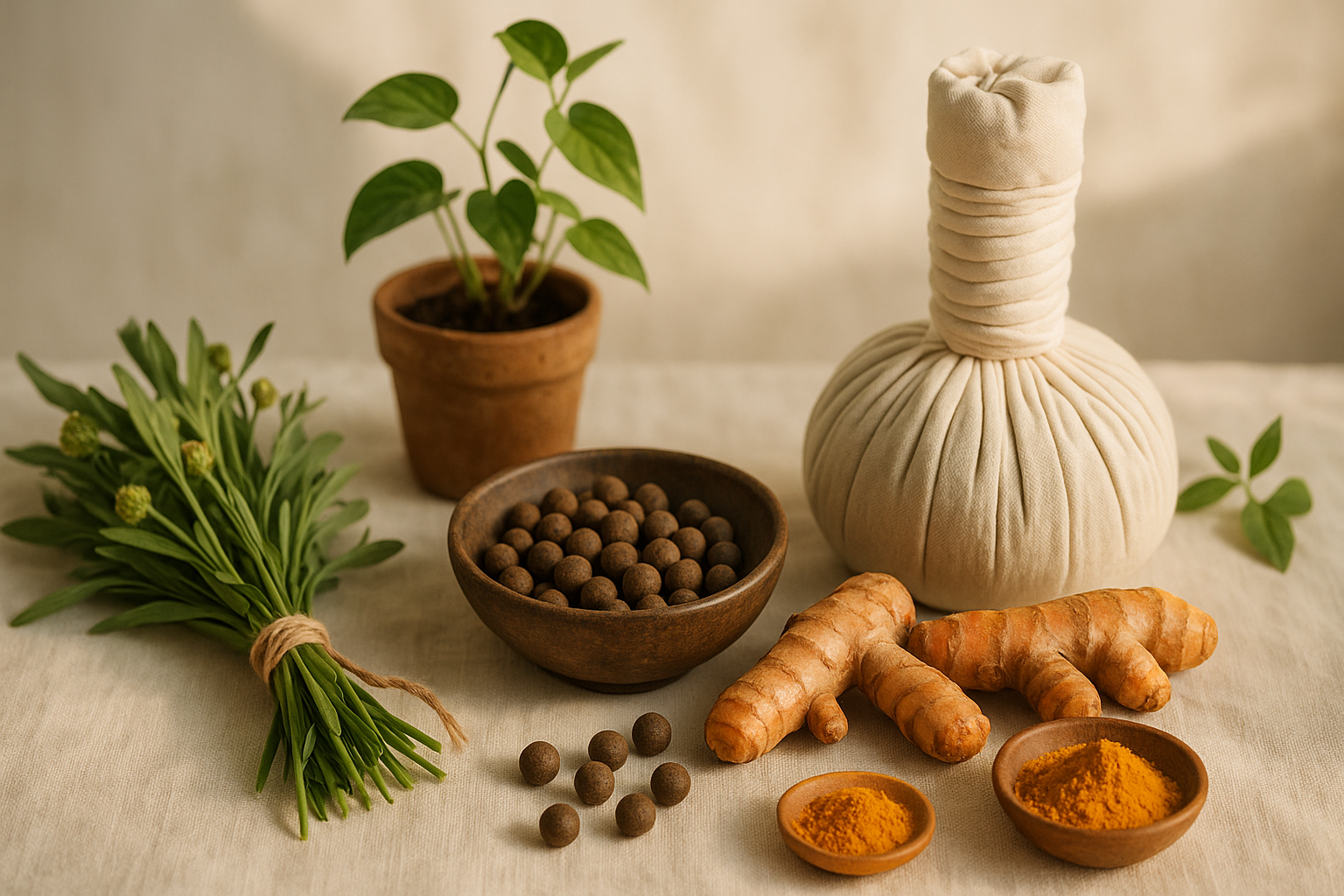
Sacred plants in Ancient Egyptian medicine encompass a variety of botanical species that were revered for their spiritual and healing properties. These plants were not only used for physical ailments but also played a significant role in rituals and religious practices. The Egyptians believed that these plants, infused with divine properties, could facilitate communication with the gods and promote overall well-being.
In essence, sacred plants were integral to the holistic approach of Ancient Egyptian medicine, which viewed health as a balance between the body, mind, and spirit. The knowledge surrounding these plants was passed down through generations, forming a crucial part of the medical practices of the time.
Historical Context Within Ancient Egyptian Medicine
The use of sacred plants in Ancient Egyptian medicine dates back to at least 3000 BCE, with significant documentation found in ancient texts such as the Ebers Papyrus and the Papyrus of Ani. These texts highlight the sophisticated understanding that the Egyptians had of various botanical substances and their uses in healing.
Prominent figures such as Imhotep, often regarded as the father of medicine, contributed to the development of herbal medicine in Egypt. He was a priest, architect, and physician, whose teachings emphasized the spiritual dimensions of healing, which included the use of sacred plants.
How It's Practiced
The practice of using sacred plants in Ancient Egyptian medicine involved several steps, typically carried out by trained priests or healers. The process included the following:
- Identification: Recognizing the specific sacred plants and their intended uses.
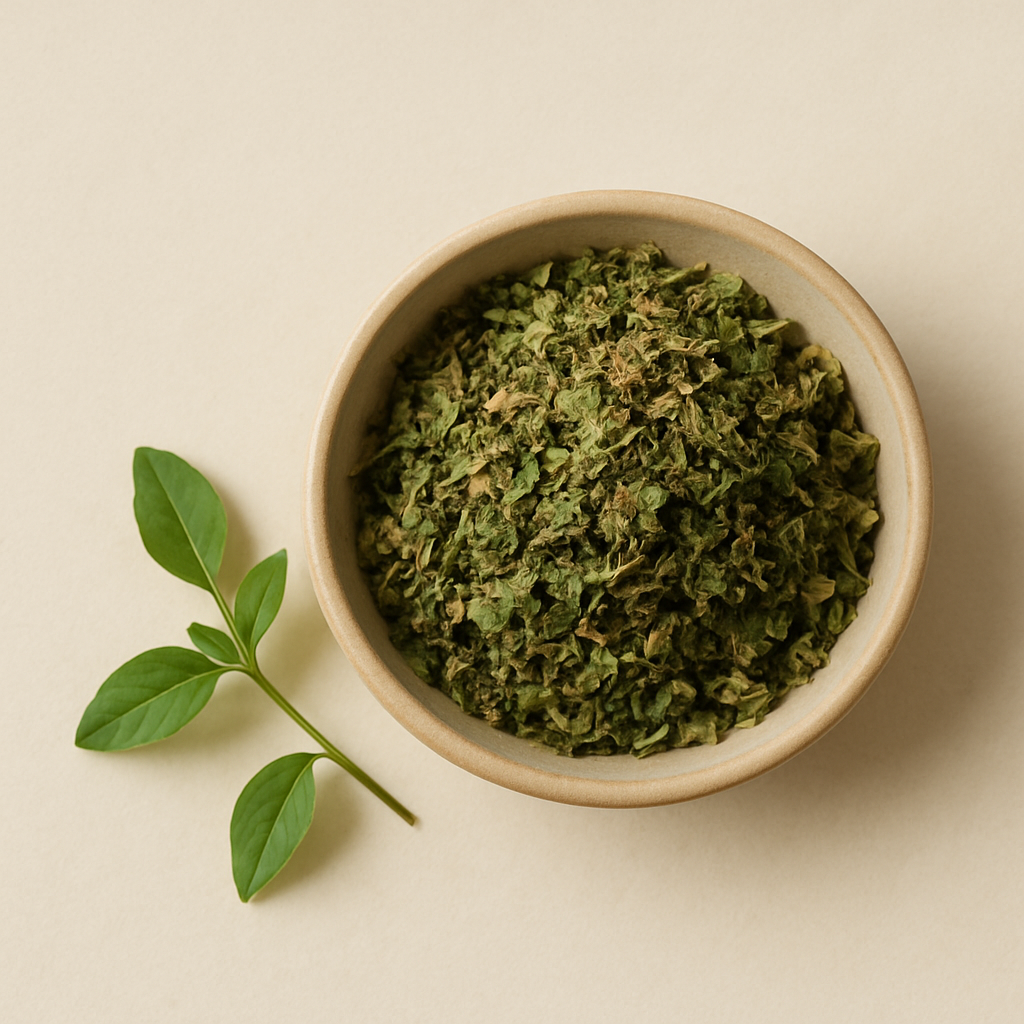
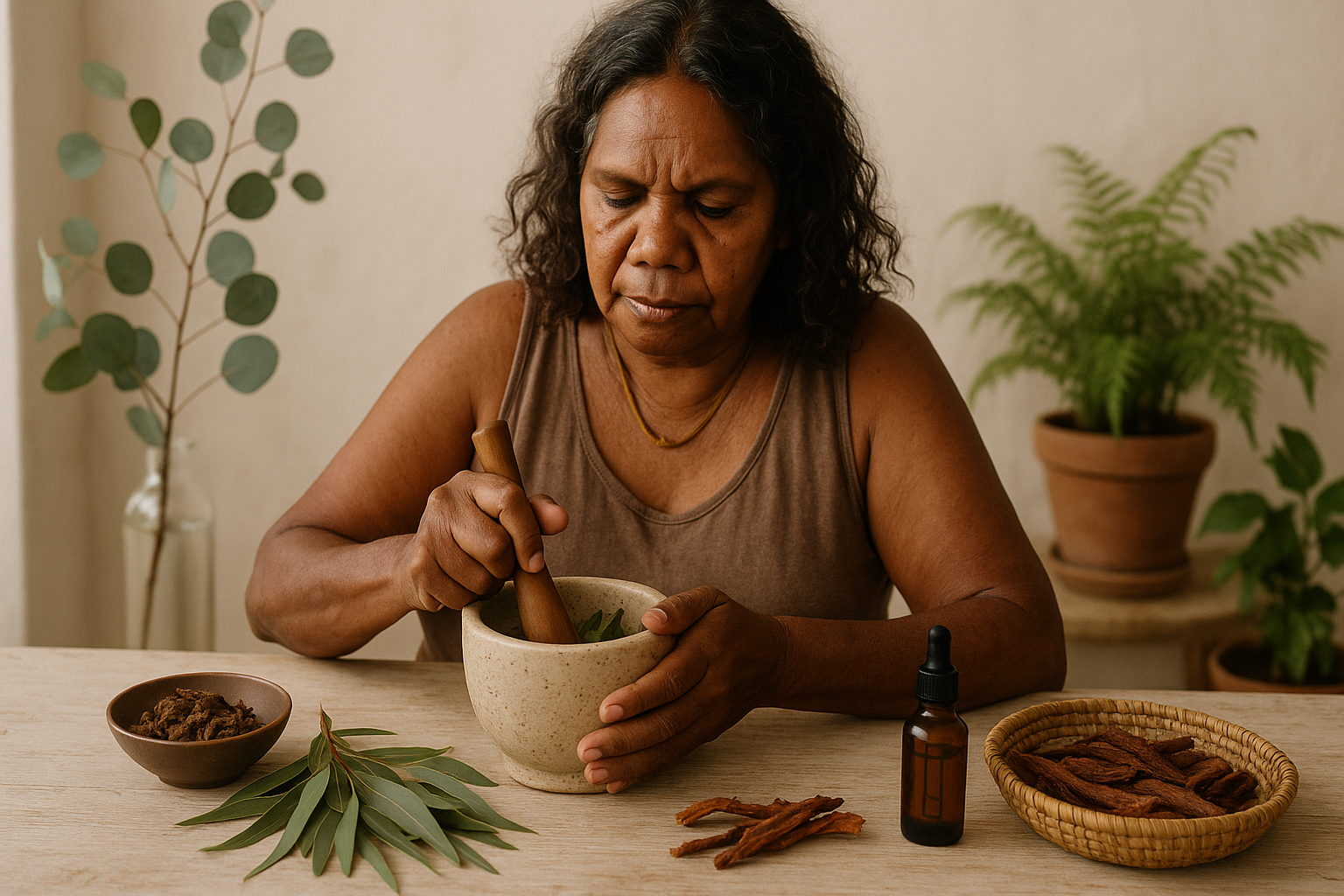
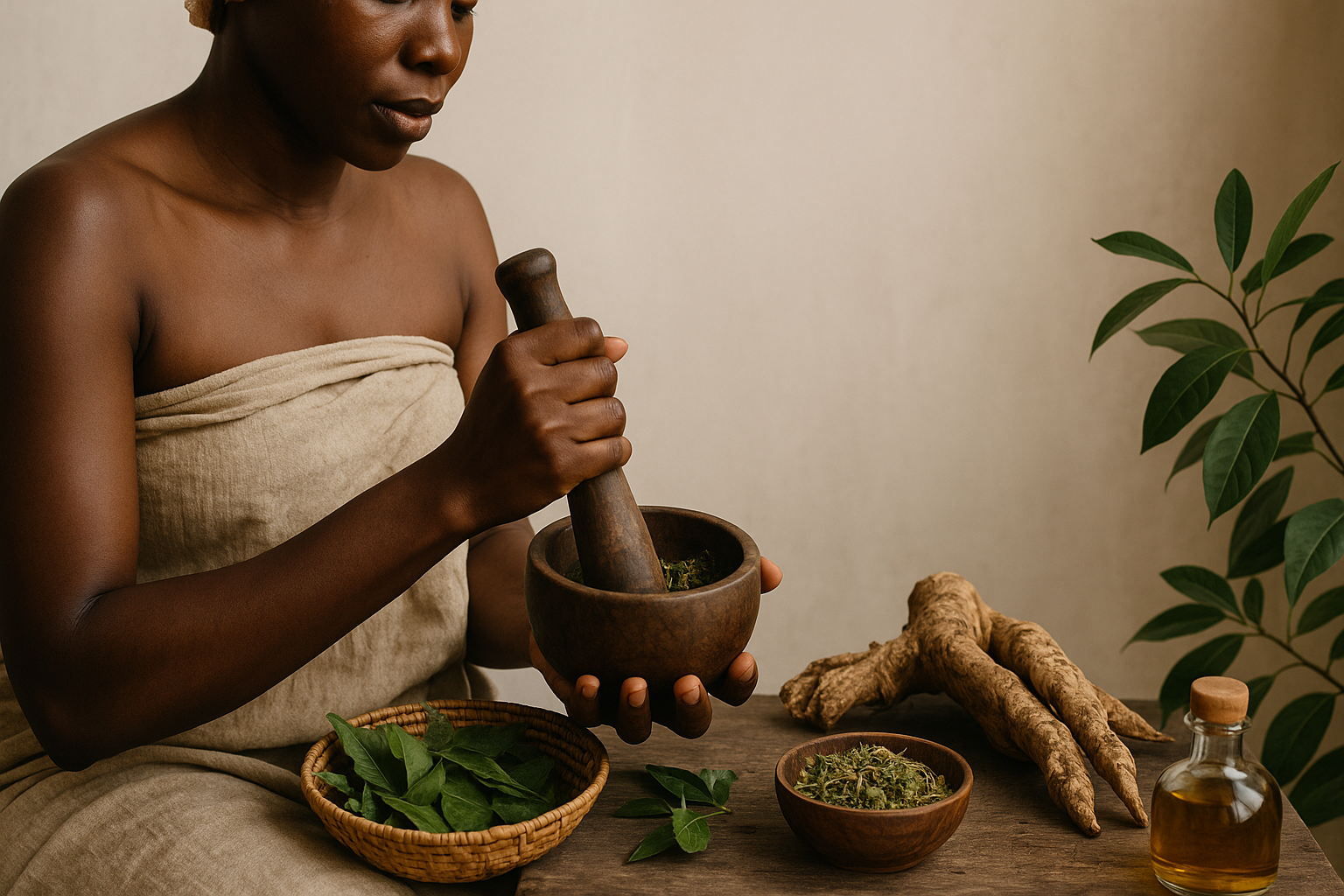
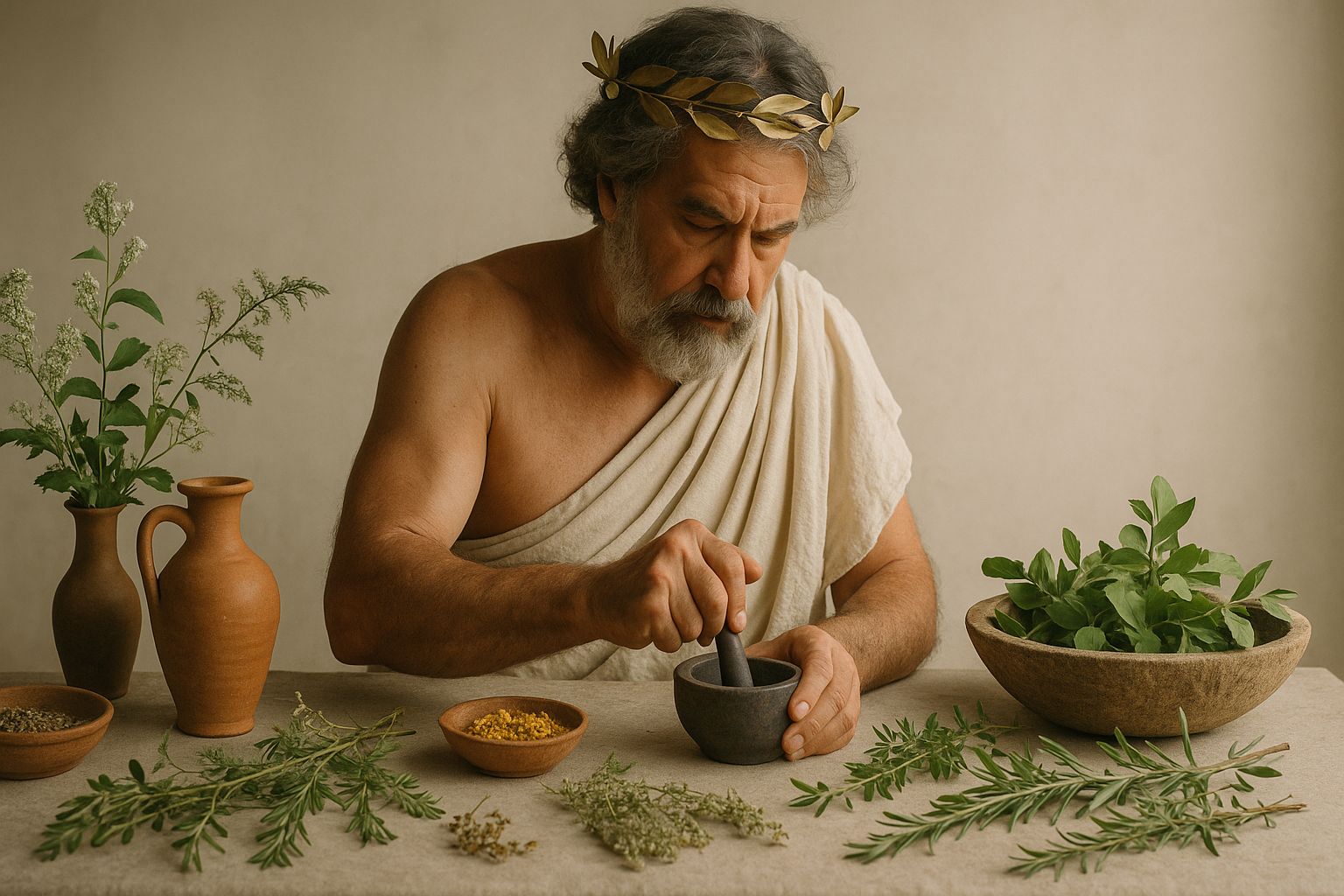
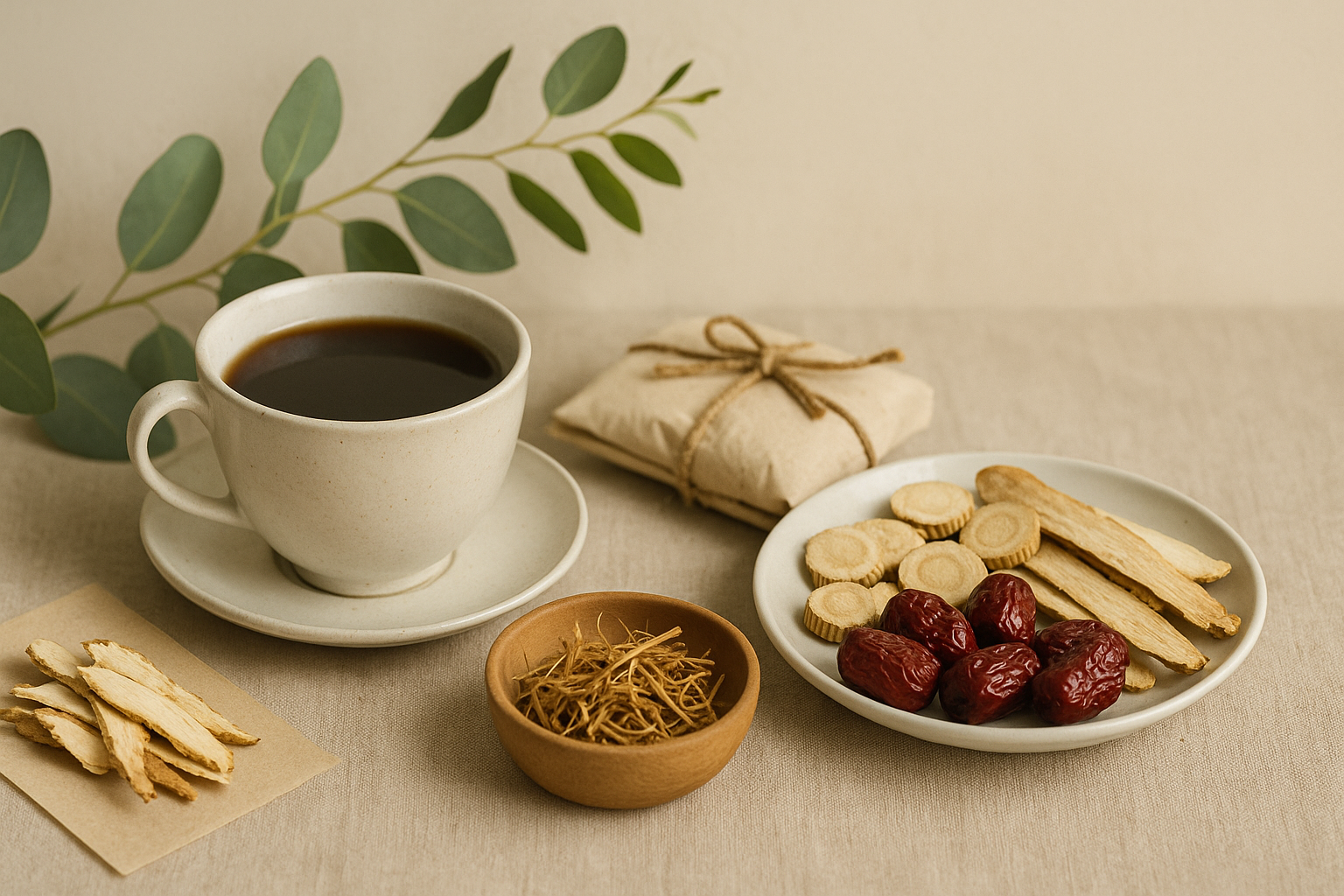
- Preparation: Harvesting and processing the plants, which could involve drying, grinding, or infusing them in oils or wines.
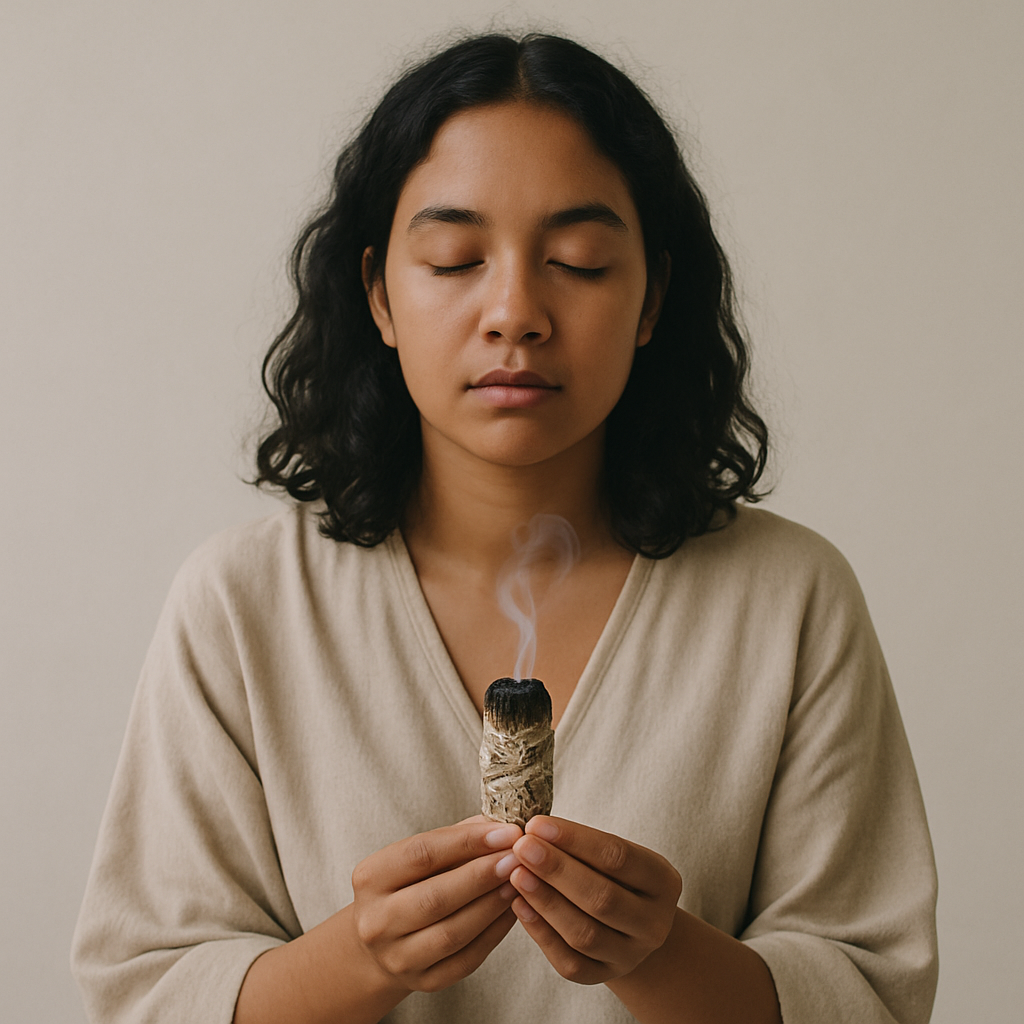
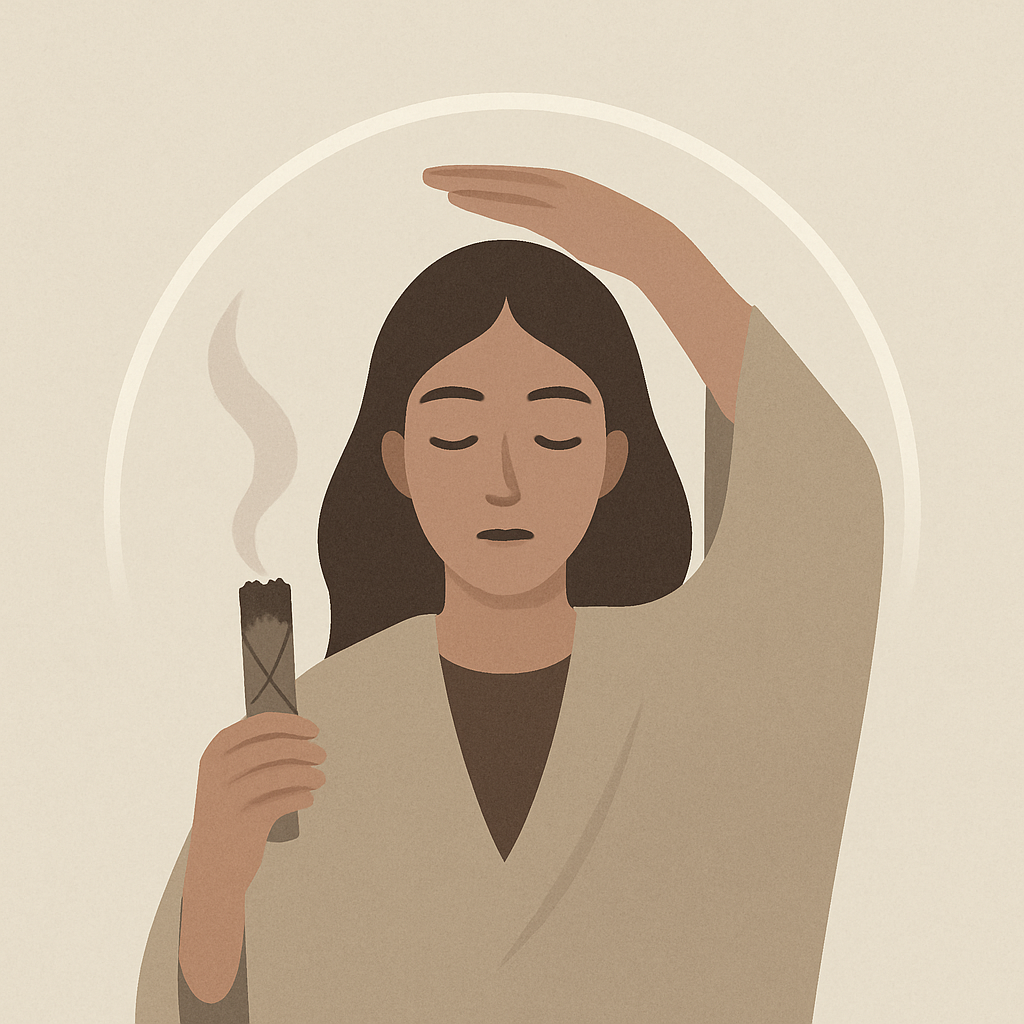
- Application: Administering the plants in various forms, such as poultices, infusions, or incense, depending on the ailment or spiritual need.
- Ritualistic Integration: Combining the use of plants with prayers, incantations, or offerings to enhance their effectiveness.
What It Is Traditionally Explored For
Sacred plants in Ancient Egyptian medicine were traditionally used for various purposes, including:
- Promoting overall wellness and vitality.
- Enhancing spiritual connection and communication with the divine.
- Addressing physical ailments such as digestive issues, respiratory problems, and skin conditions.
- Facilitating relaxation and reducing stress through aromatic properties.
It is important to note that these uses are based on historical practices and beliefs, and modern interpretations may differ.
What Modern Research Suggests
Contemporary studies on sacred plants, particularly those referenced in Ancient Egyptian texts, are emerging but still limited. Some research has begun to validate the traditional uses of certain plants, such as frankincense and myrrh, which have been found to possess anti-inflammatory and analgesic properties.
Additionally, studies on the psychological effects of aromatherapy with sacred plants suggest potential benefits for stress reduction and emotional well-being. However, further rigorous clinical studies are necessary to substantiate these claims and fully understand the efficacy and mechanisms behind these ancient practices.
Safety, Contraindications & Who Should Skip
While sacred plants have a rich history of use, safety is paramount. Some sacred plants may cause allergic reactions or interact with medications. Individuals who are pregnant, nursing, or have underlying health conditions should exercise caution and consult with a qualified practitioner before using these plants.
Pairs Well With (within Ancient Egyptian Medicine and across pillars)
Sacred plants can complement various other modalities in Ancient Egyptian medicine, including:
- Herbal Medicine
- Spiritual Healing Practices
- Ritualistic Practices
- Massage Therapy
They may also pair with practices from other medicinal traditions, such as:
- Aromatherapy
- Homeopathy
- Ayurvedic Medicine
How to Find a Qualified Practitioner
Finding a qualified practitioner who specializes in sacred plants within Ancient Egyptian medicine can be approached through the following methods:
- Seek recommendations from local holistic health centers or spiritual communities.
- Look for practitioners with credentials in herbal medicine or ancient healing traditions.
- Attend workshops or seminars focused on Ancient Egyptian healing practices.
- Utilize online directories that specialize in holistic and alternative medicine practitioners.
FAQs (5)
- What are sacred plants? Sacred plants are botanical species revered for their spiritual and healing properties, often used in traditional medicine.
- How were sacred plants used in Ancient Egypt? They were used for healing, rituals, and enhancing spiritual connections, often prepared in various forms.
- Are there modern studies on sacred plants? Yes, some studies suggest potential benefits, but more research is needed to confirm their efficacy.
- Who should avoid using sacred plants? Pregnant or nursing individuals and those with certain health conditions should consult a qualified practitioner before use.
- How can I find a practitioner? Seek recommendations, check online directories, or attend relevant workshops to find a qualified practitioner.
Frequently asked
What are sacred plants?
Sacred plants are botanical species revered for their spiritual and healing properties, often used in traditional medicine.
How were sacred plants used in Ancient Egypt?
They were used for healing, rituals, and enhancing spiritual connections, often prepared in various forms.
Are there modern studies on sacred plants?
Yes, some studies suggest potential benefits, but more research is needed to confirm their efficacy.
Who should avoid using sacred plants?
Pregnant or nursing individuals and those with certain health conditions should consult a qualified practitioner before use.
How can I find a practitioner?
Seek recommendations, check online directories, or attend relevant workshops to find a qualified practitioner.