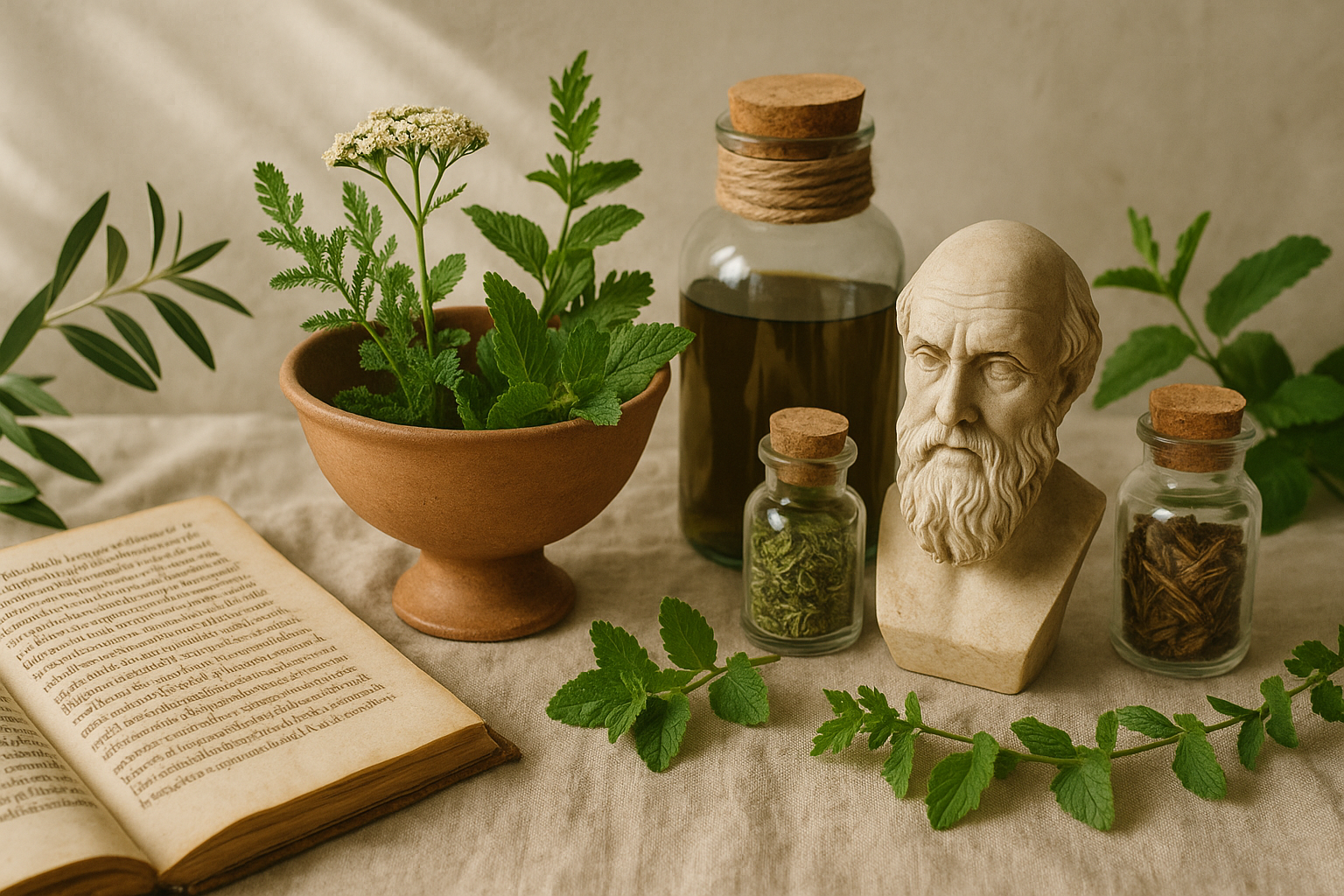
Spiritual Medicine
Delve into the practice of Spiritual Medicine in Ancient Egyptian Medicine, focusing on its definitions, historical context, and traditional applications.
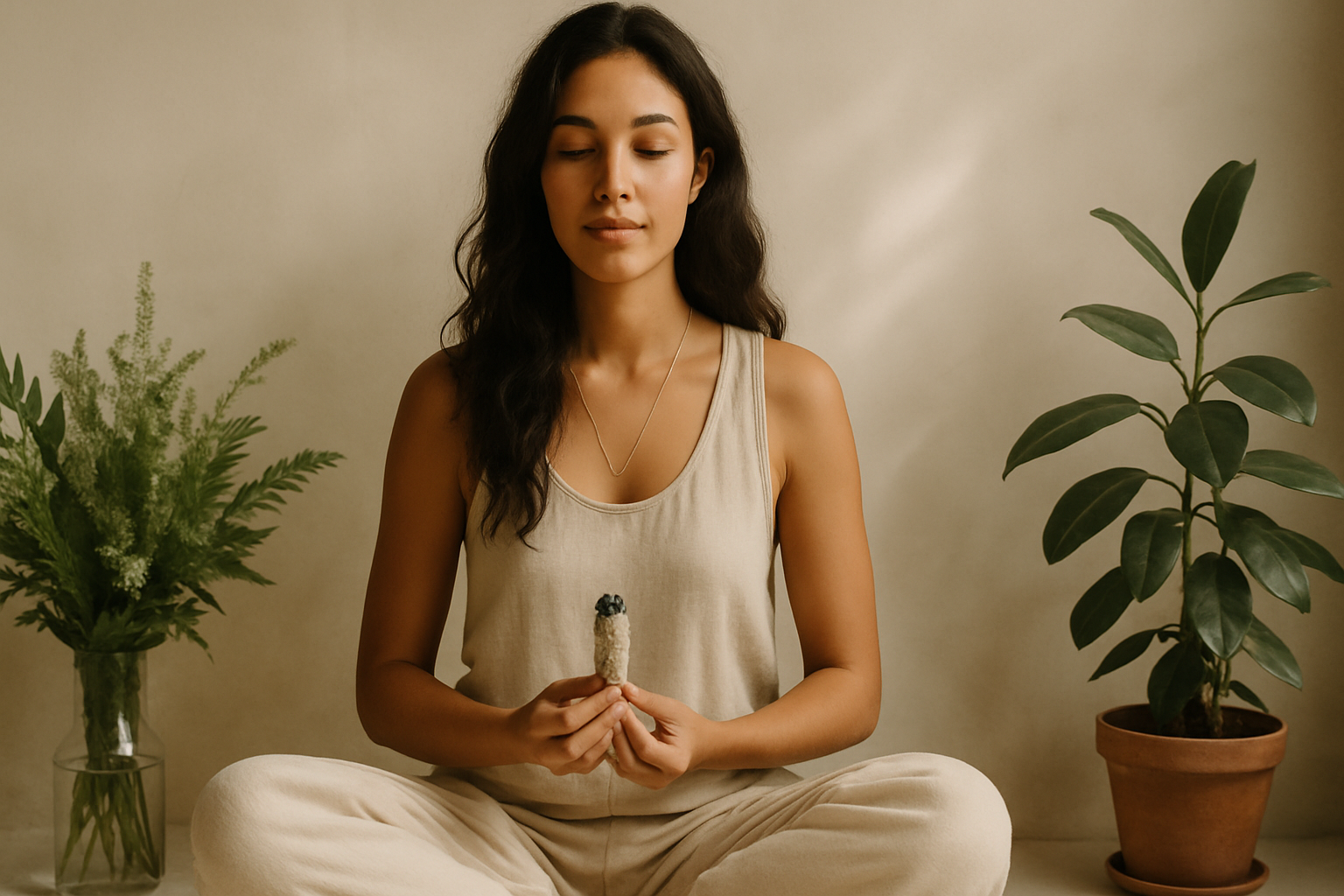
Explore the ancient practice of Spiritual Medicine within Ancient Egyptian Medicine. This holistic approach integrates the spiritual and physical aspects of health, emphasizing balance and harmony. Discover its historical roots, traditional applications, modern insights, and how to find a qualified practitioner.
What It Is
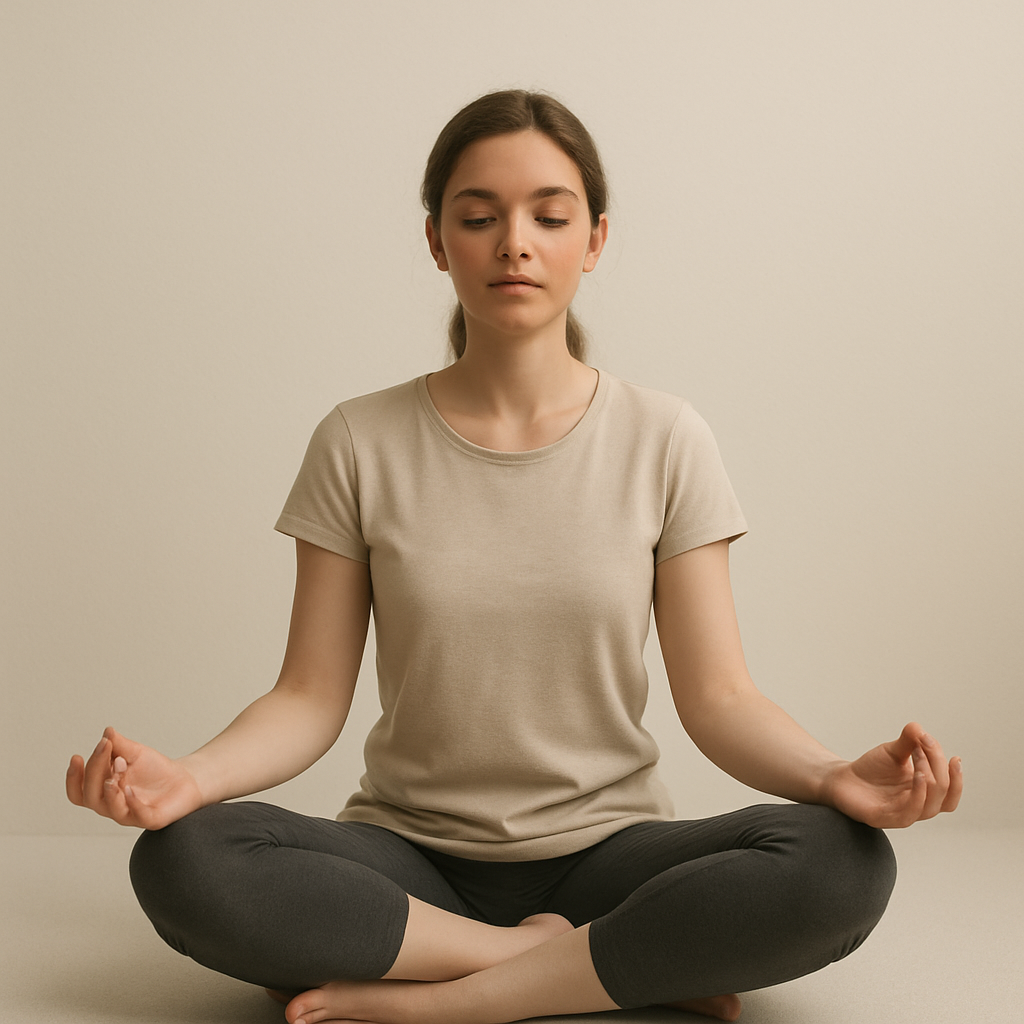
Spiritual Medicine, within the framework of Ancient Egyptian Medicine, refers to a holistic approach that intertwines spiritual beliefs with physical health. It emphasizes the interconnectedness of the body, mind, and spirit, positing that emotional and spiritual well-being is crucial for overall health. Practitioners of Spiritual Medicine aim to restore balance and harmony within the individual, often utilizing various rituals, prayers, and meditative practices.
This modality recognizes that ailments may not only stem from physical causes but can also be influenced by spiritual disturbances. Consequently, healing practices often involve addressing these spiritual aspects to facilitate a comprehensive healing process.
Historical Context Within Ancient Egyptian Medicine
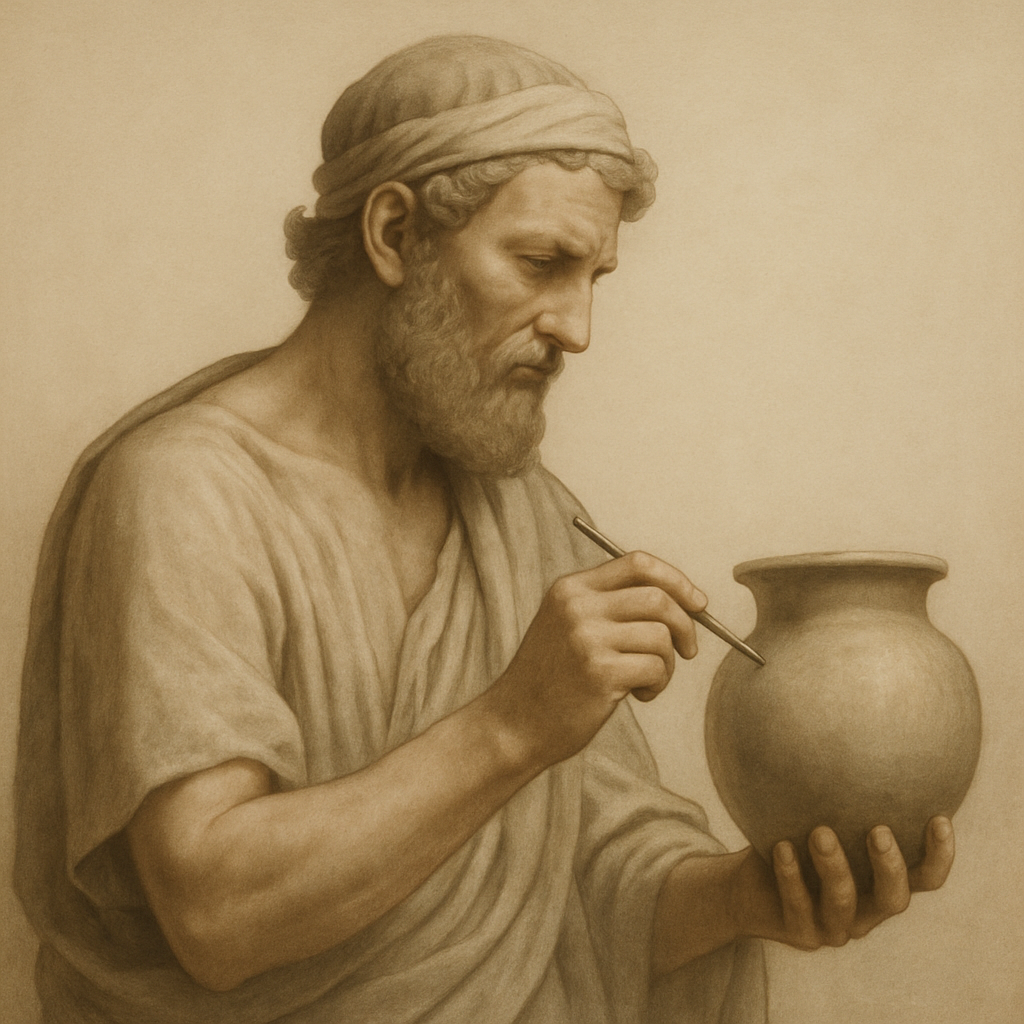
Spiritual Medicine emerged as a significant component of Ancient Egyptian Medicine, which spanned thousands of years, dating back to the early dynastic period (around 3100 BCE). The Egyptians held a profound belief in the divine and the spiritual realm, which influenced their understanding of health and illness. Notable figures, such as Imhotep, often regarded as the first physician in history, contributed to the blending of medical practices with spiritual beliefs.
The early Egyptians viewed the human body as a vessel for the soul, and health was seen as a reflection of the harmony between these elements. Spiritual healers, or priests, played a vital role in society, conducting rituals to appease the gods and facilitate healing for the community.
How It's Practiced
Practicing Spiritual Medicine involves a combination of rituals, prayers, and meditative techniques aimed at restoring spiritual balance. Here’s a plain-language walk-through of how a typical session might unfold:
- Initial Consultation: The practitioner gathers information about the individual’s physical and emotional state.
- Spiritual Assessment: The practitioner assesses any spiritual disturbances or imbalances that may be contributing to the individual’s condition.
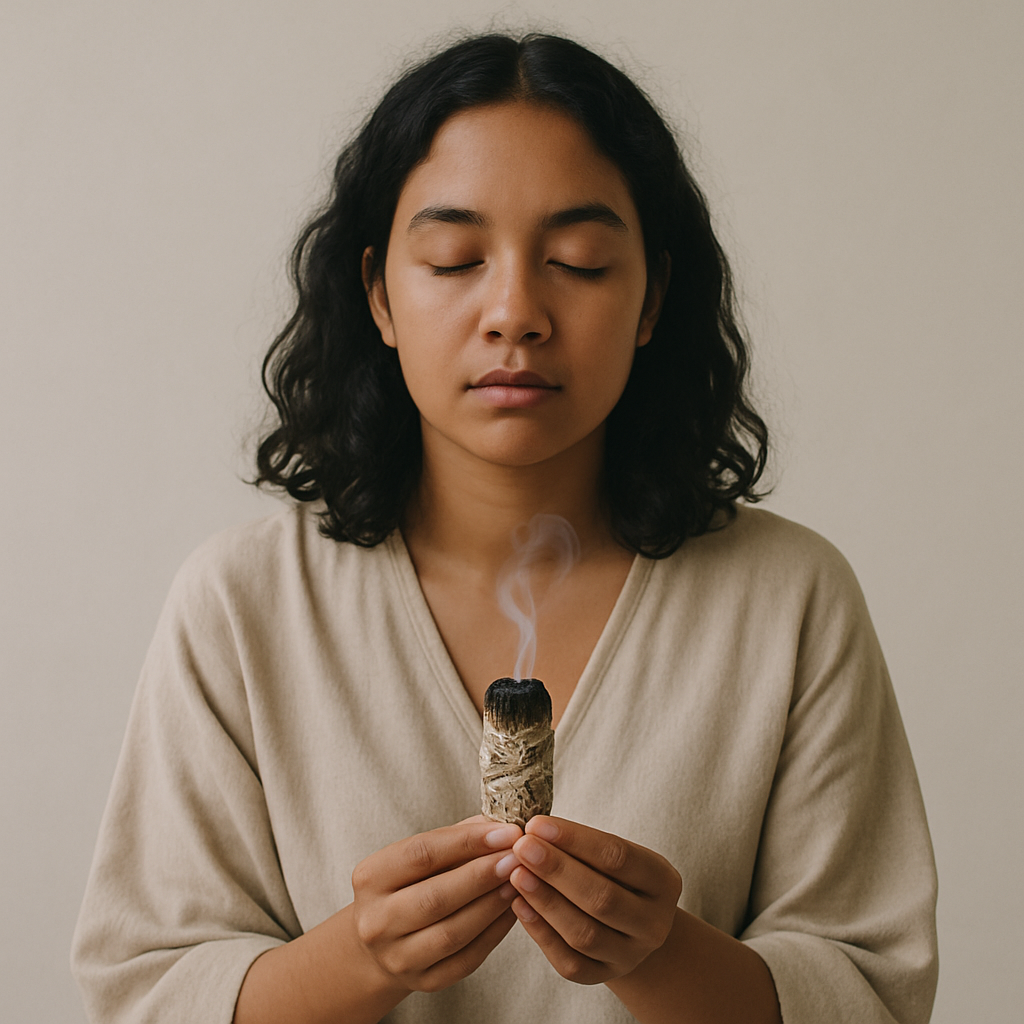
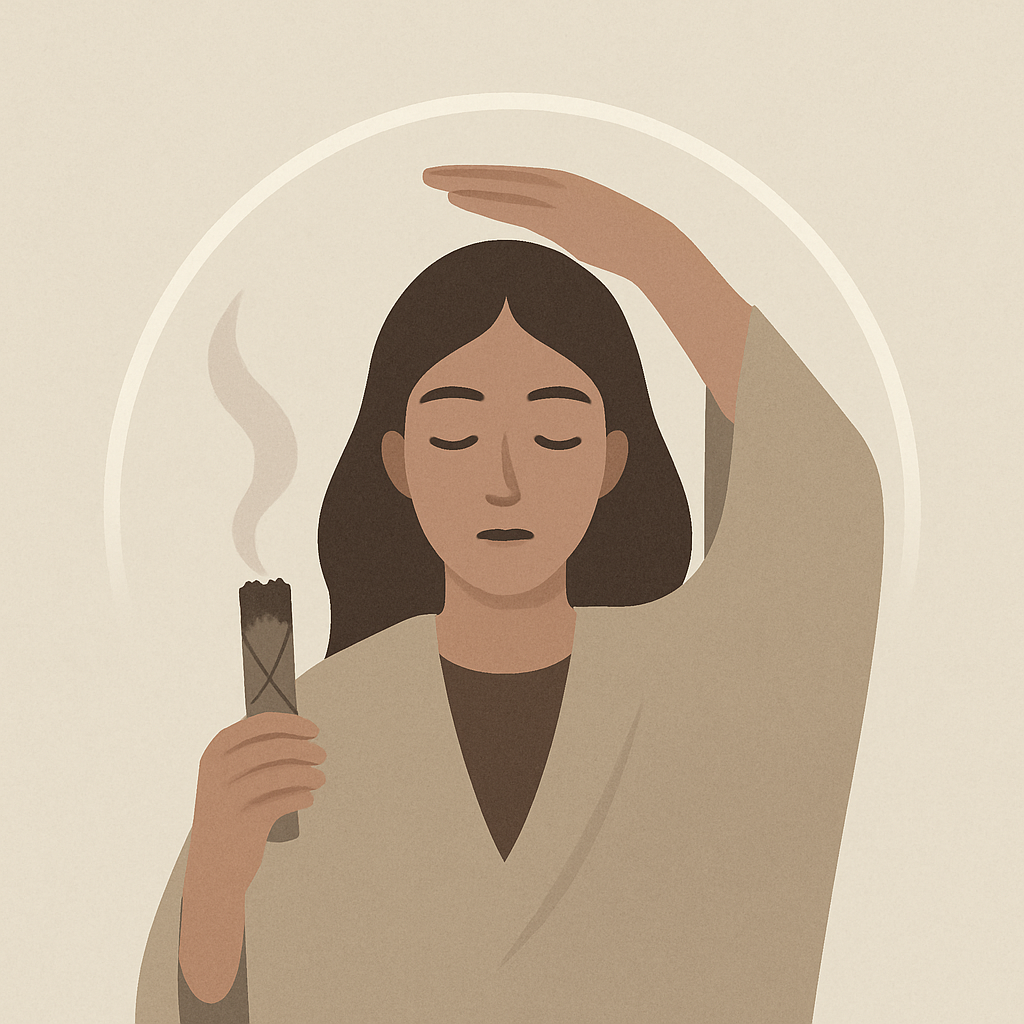
- Rituals and Prayers: Specific rituals may be performed, which could include offerings, invocations, or recitations of sacred texts.
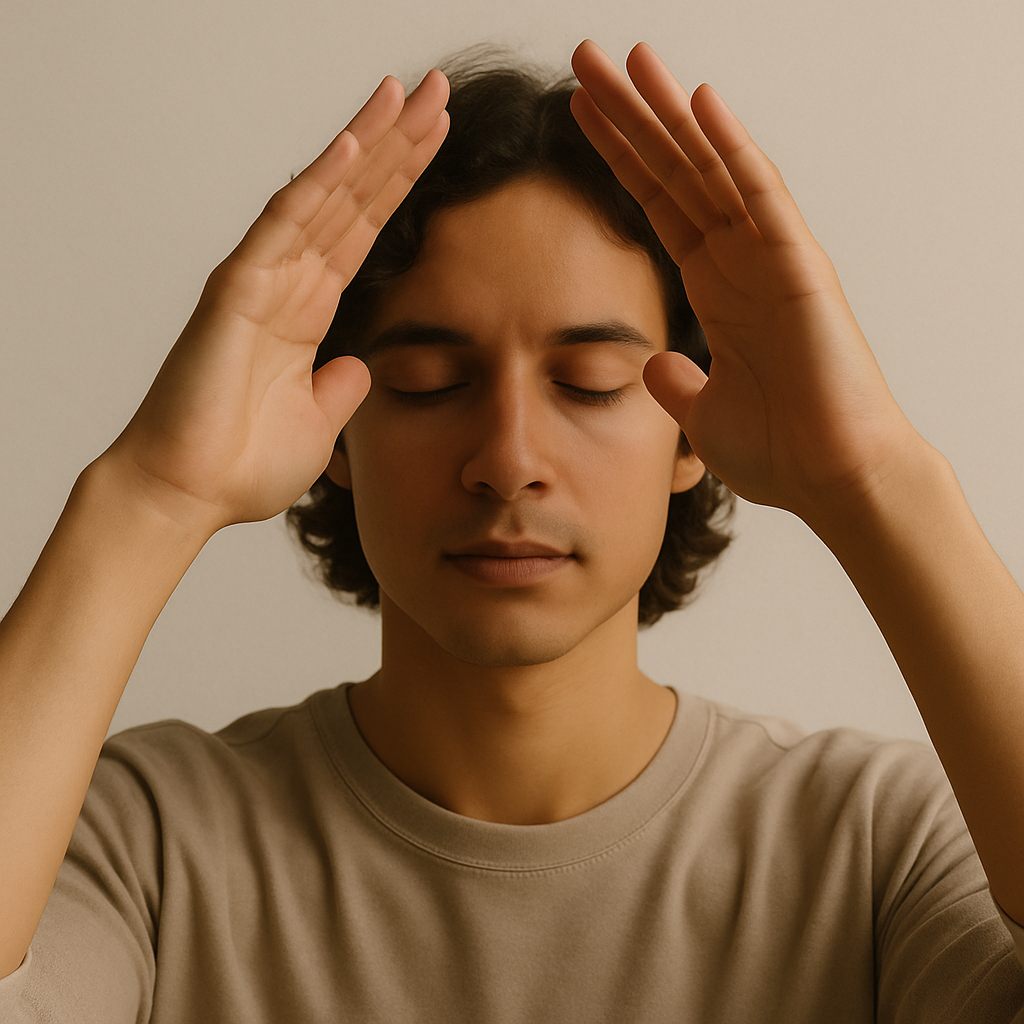
- Guided Meditation: The practitioner may lead the individual in meditation to foster a sense of peace and clarity.
- Integration: The session concludes with guidance on how to maintain spiritual well-being in daily life, often incorporating practices for ongoing self-care.
What It Is Traditionally Explored For
Spiritual Medicine has been traditionally explored for a variety of concerns, focusing on the emotional and spiritual dimensions of health. Common goals of this practice include:
- Promoting emotional healing and resilience.
- Facilitating spiritual growth and self-discovery.
- Helping individuals cope with grief or loss.
- Addressing feelings of disconnection or spiritual emptiness.
- Enhancing overall well-being through emotional balance.
What Modern Research Suggests
Modern research into Spiritual Medicine and its efficacy is still in the early stages. Preliminary studies suggest that spiritual practices can have a positive impact on mental health, potentially alleviating symptoms of anxiety and depression. Some clinical studies have indicated that interventions involving spiritual or religious practices may enhance coping mechanisms and provide a sense of purpose.
While more rigorous research is needed to establish definitive conclusions, the existing evidence points to the potential benefits of integrating spiritual dimensions into therapeutic settings. This aligns with the ancient understanding that health is multifaceted, encompassing physical, emotional, and spiritual elements.
Safety, Contraindications & Who Should Skip
While Spiritual Medicine is generally considered safe, individuals with specific mental health conditions should approach it with caution. Those experiencing severe psychological disorders or crises may benefit more from conventional medical treatment and should consult a qualified healthcare professional before engaging in spiritual practices. Additionally, individuals who are uncomfortable with spiritual or religious elements may find this approach less suitable.
Pairs Well With (within Ancient Egyptian Medicine and across pillars)
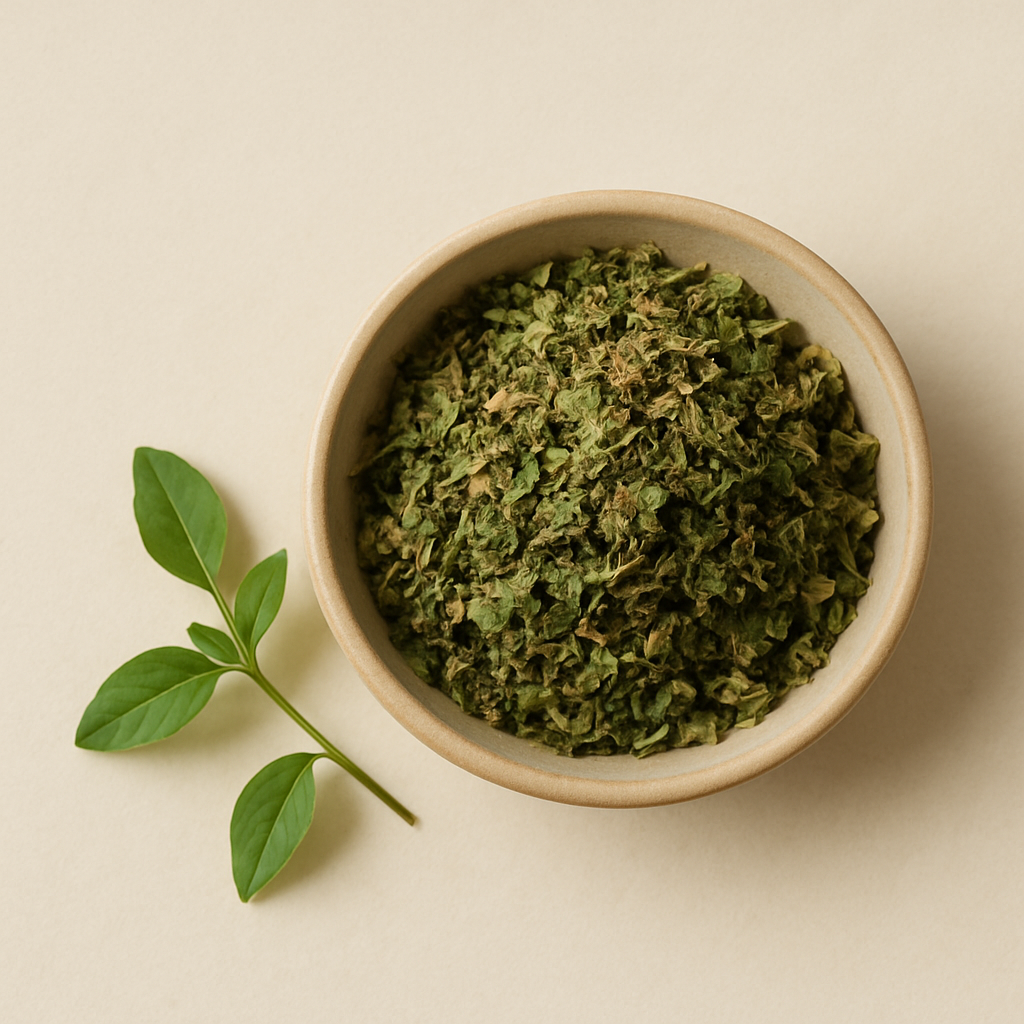
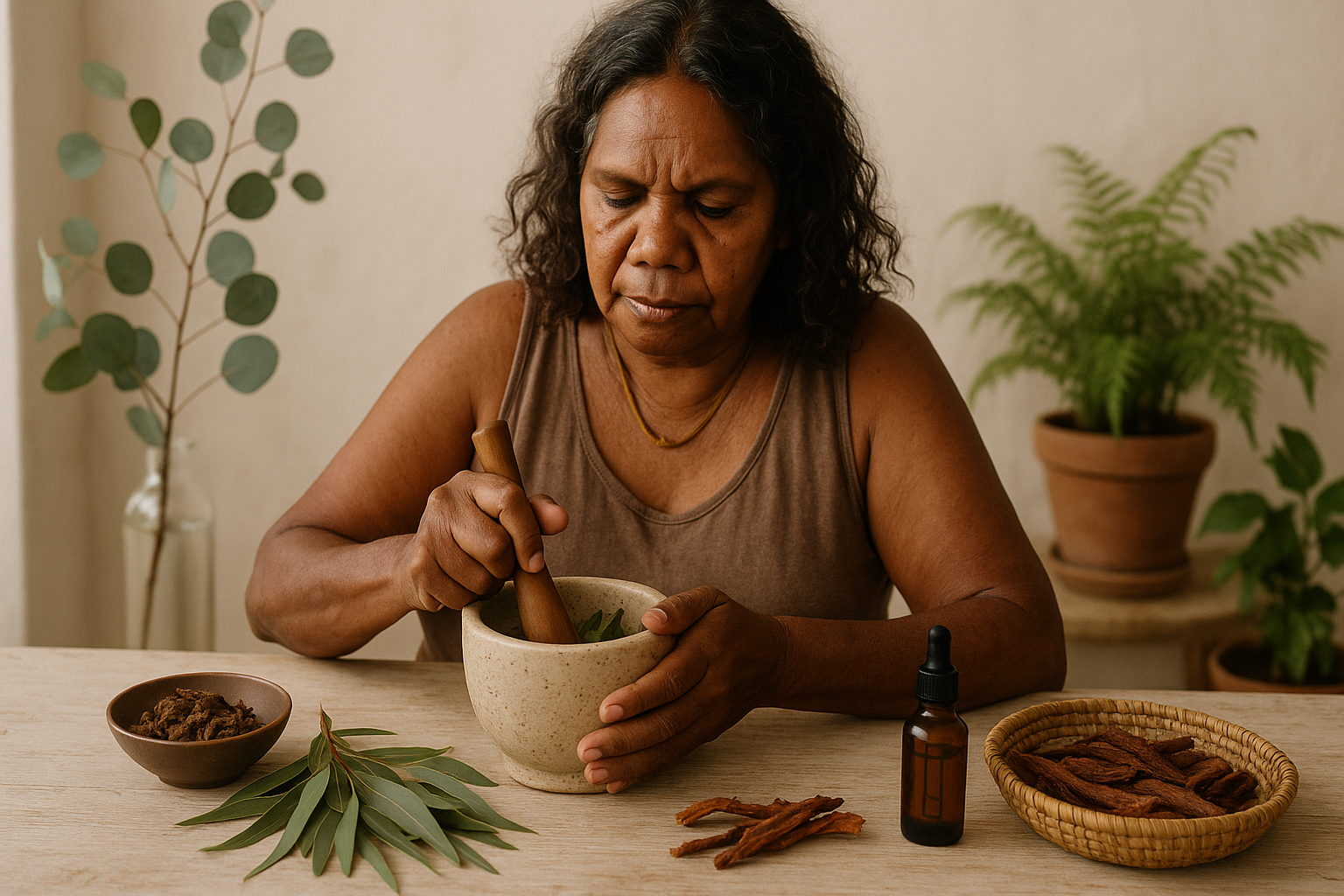
- Herbal Remedies: Often used alongside Spiritual Medicine for physical ailments.
- Massage Therapy: Complementing spiritual practices with physical relaxation techniques.
- Yoga and Movement: Promoting physical and spiritual integration.
- Astrology: Understanding cosmic influences on personal health.
- Ritual Cleansing: Enhancing spiritual readiness for healing.
How to Find a Qualified Practitioner
Finding a qualified practitioner in Spiritual Medicine can be approached through various avenues:
- Seek recommendations from holistic health centers or wellness communities.
- Look for practitioners with credentials in both spiritual practices and health sciences.
- Check online directories that specialize in holistic and alternative medicine.
- Attend local workshops or seminars to connect with practitioners directly.
FAQs (5)
- What is Spiritual Medicine?
Spiritual Medicine is a holistic approach that integrates spiritual beliefs with physical health, emphasizing the balance between body, mind, and spirit. - How can Spiritual Medicine help me?
It may assist in promoting emotional healing, facilitating spiritual growth, and enhancing overall well-being. - Is there any scientific evidence supporting Spiritual Medicine?
Preliminary research suggests potential benefits, but more rigorous studies are needed to establish conclusive evidence. - Are there any risks associated with Spiritual Medicine?
While generally safe, individuals with severe mental health issues should consult a healthcare professional before engaging in spiritual practices. - How do I find a qualified Spiritual Medicine practitioner?
Seek recommendations, check online directories, and look for practitioners with relevant credentials and experience in holistic health.
Frequently asked
What is Spiritual Medicine?
Spiritual Medicine is a holistic approach that integrates spiritual beliefs with physical health, emphasizing the balance between body, mind, and spirit.
How can Spiritual Medicine help me?
It may assist in promoting emotional healing, facilitating spiritual growth, and enhancing overall well-being.
Is there any scientific evidence supporting Spiritual Medicine?
Preliminary research suggests potential benefits, but more rigorous studies are needed to establish conclusive evidence.
Are there any risks associated with Spiritual Medicine?
While generally safe, individuals with severe mental health issues should consult a healthcare professional before engaging in spiritual practices.
How do I find a qualified Spiritual Medicine practitioner?
Seek recommendations, check online directories, and look for practitioners with relevant credentials and experience in holistic health.