Spiritual Balance
Discover the significance of Spiritual Balance within Ancient Egyptian Medicine, its historical context, practices, and modern considerations.
Explore the ancient practice of Spiritual Balance in Ancient Egyptian Medicine, its historical roots, traditional uses, and modern implications.
What It Is
Spiritual Balance is a holistic practice rooted in Ancient Egyptian Medicine, emphasizing the harmony between the body, mind, and spirit. It seeks to align the spiritual aspects of an individual with their physical well-being, recognizing that true health transcends mere absence of illness. This modality views the individual as part of a larger cosmic order, where maintaining balance is essential for overall wellness.
At its core, Spiritual Balance involves techniques and rituals designed to restore and enhance the connection between the individual and the divine. This practice acknowledges the belief that disturbances in spiritual equilibrium can manifest as physical ailments, emotional distress, or mental disarray. Therefore, achieving spiritual balance is seen as a foundational step in promoting healing and well-being.
Historical Context Within Ancient Egyptian Medicine
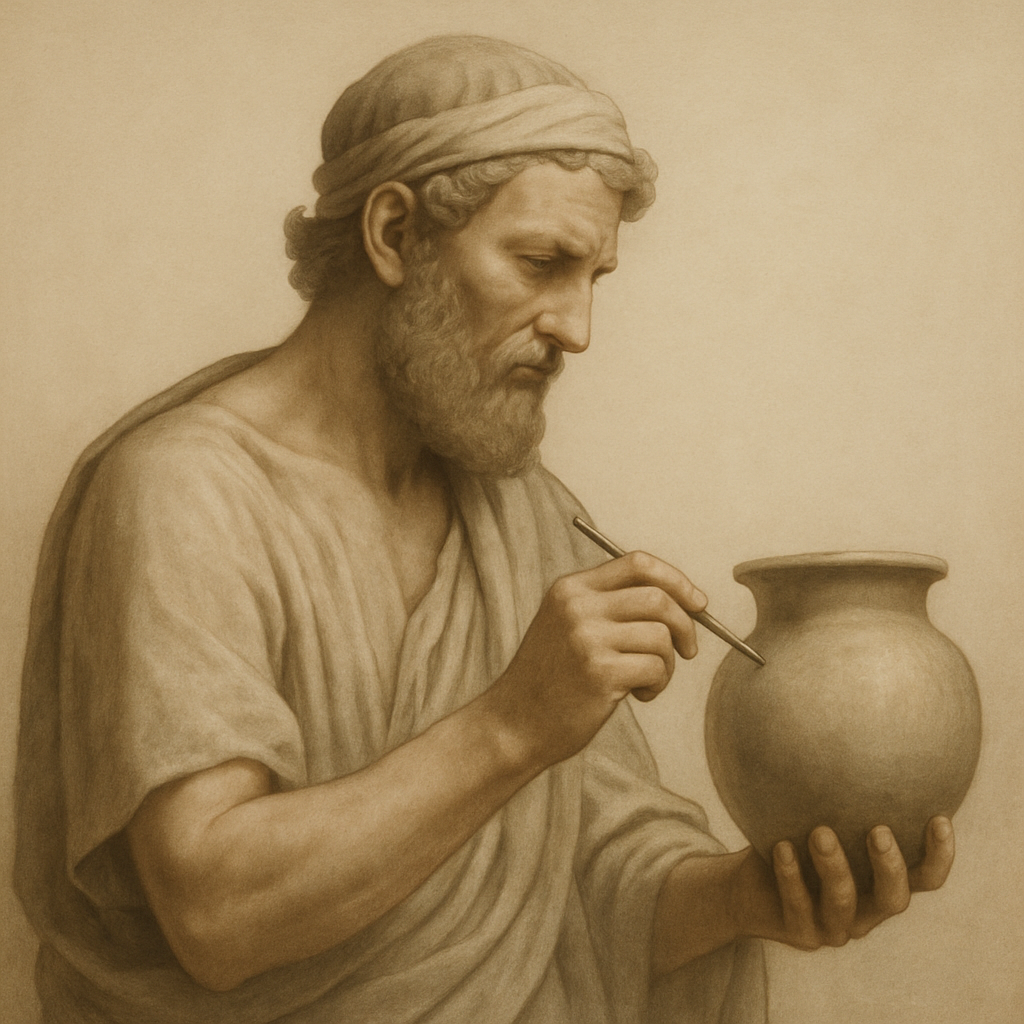
Spiritual Balance emerged within the vast spectrum of Ancient Egyptian Medicine, which dates back thousands of years. Ancient Egyptians believed in a complex interplay between the physical world and the spiritual realm, which significantly influenced their medical practices. The concept of Ma'at, representing truth, balance, and cosmic order, was central to their understanding of health.
Prominent practitioners such as Imhotep, who is often regarded as the father of medicine, contributed to these ancient healing practices. Spiritual Balance was not only a medical approach but also a philosophical one, deeply intertwined with the religious and cultural beliefs of the time. It was through rituals, prayers, and offerings that individuals sought to restore their spiritual equilibrium and, in turn, their physical health.
How It's Practiced
Practitioners of Spiritual Balance guide individuals through a series of steps aimed at achieving harmony within themselves. A typical session might include the following:
- Initial Consultation: Understanding the individual's concerns and spiritual history.
- Energy Assessment: Evaluating the client's energy fields and identifying imbalances.
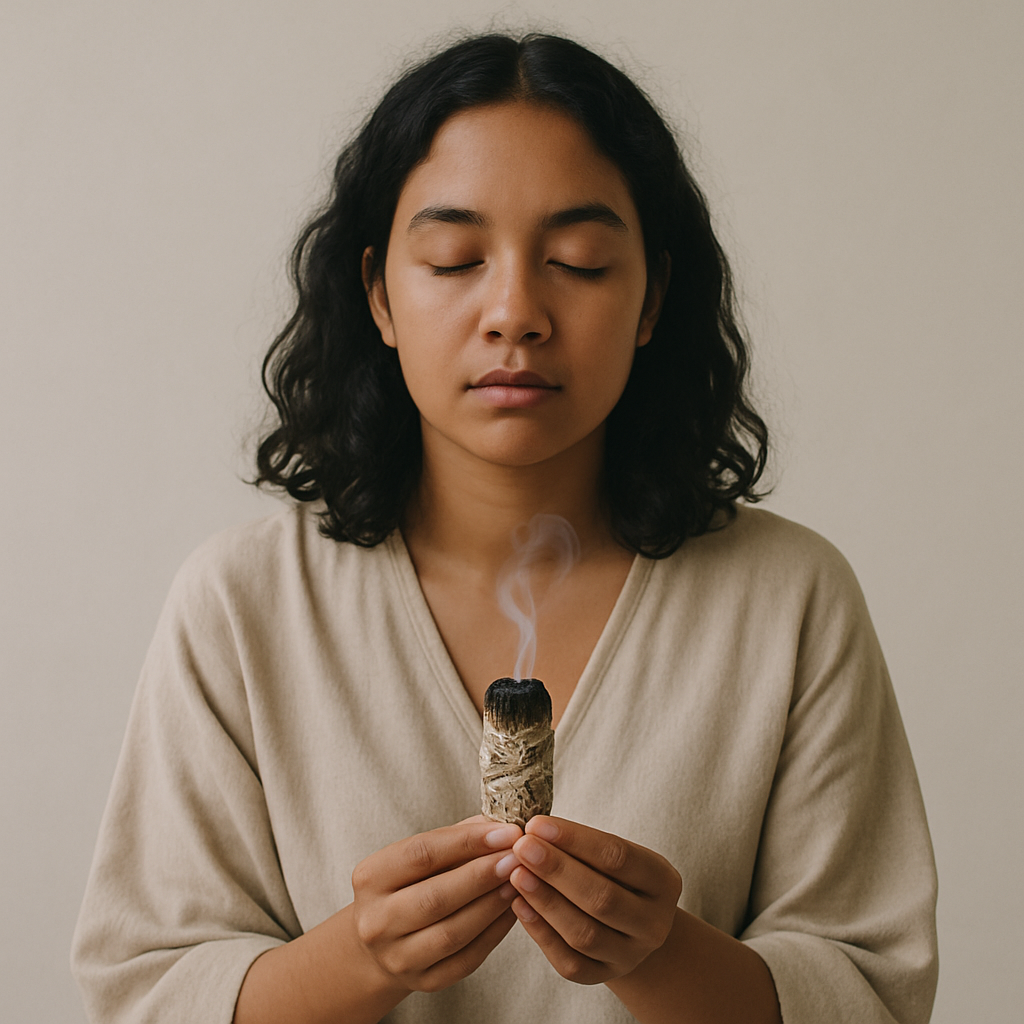
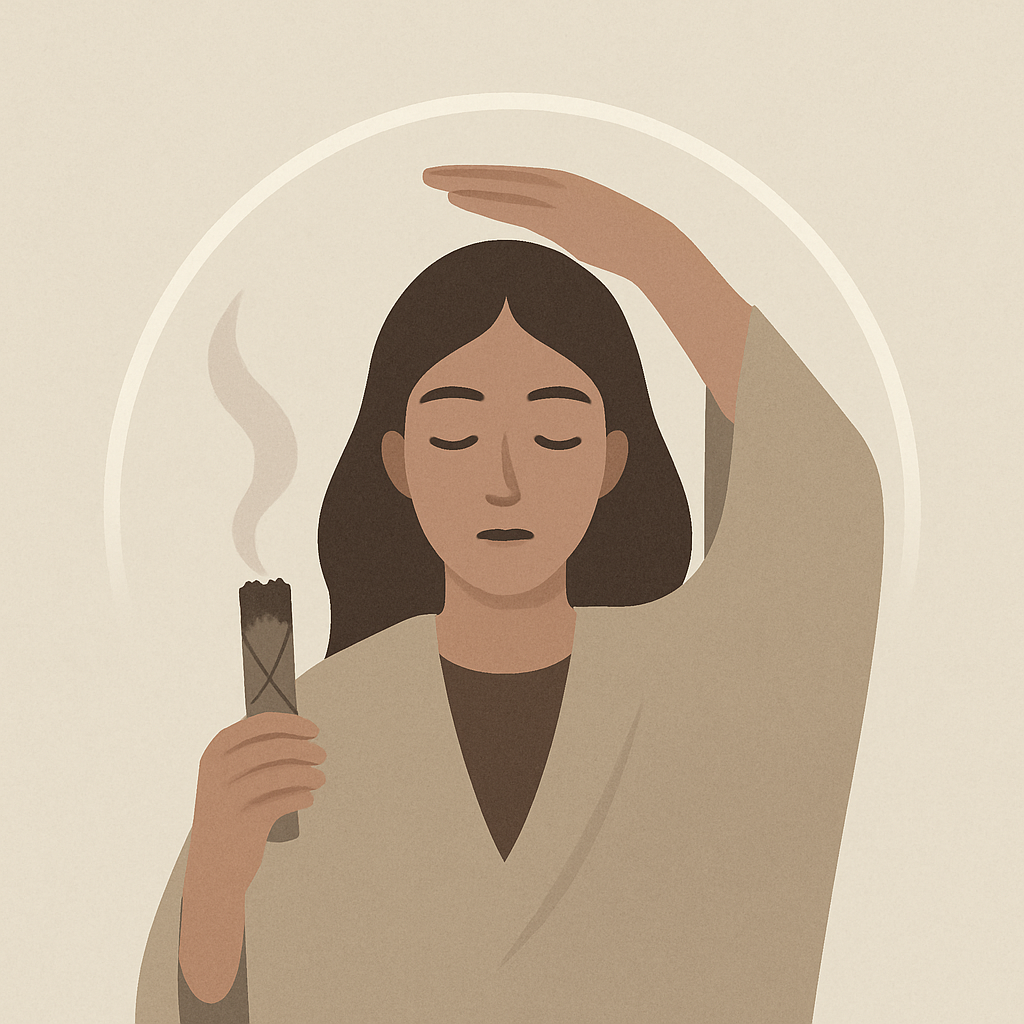
- Rituals and Prayers: Performing specific rituals or prayers to invoke divine assistance.
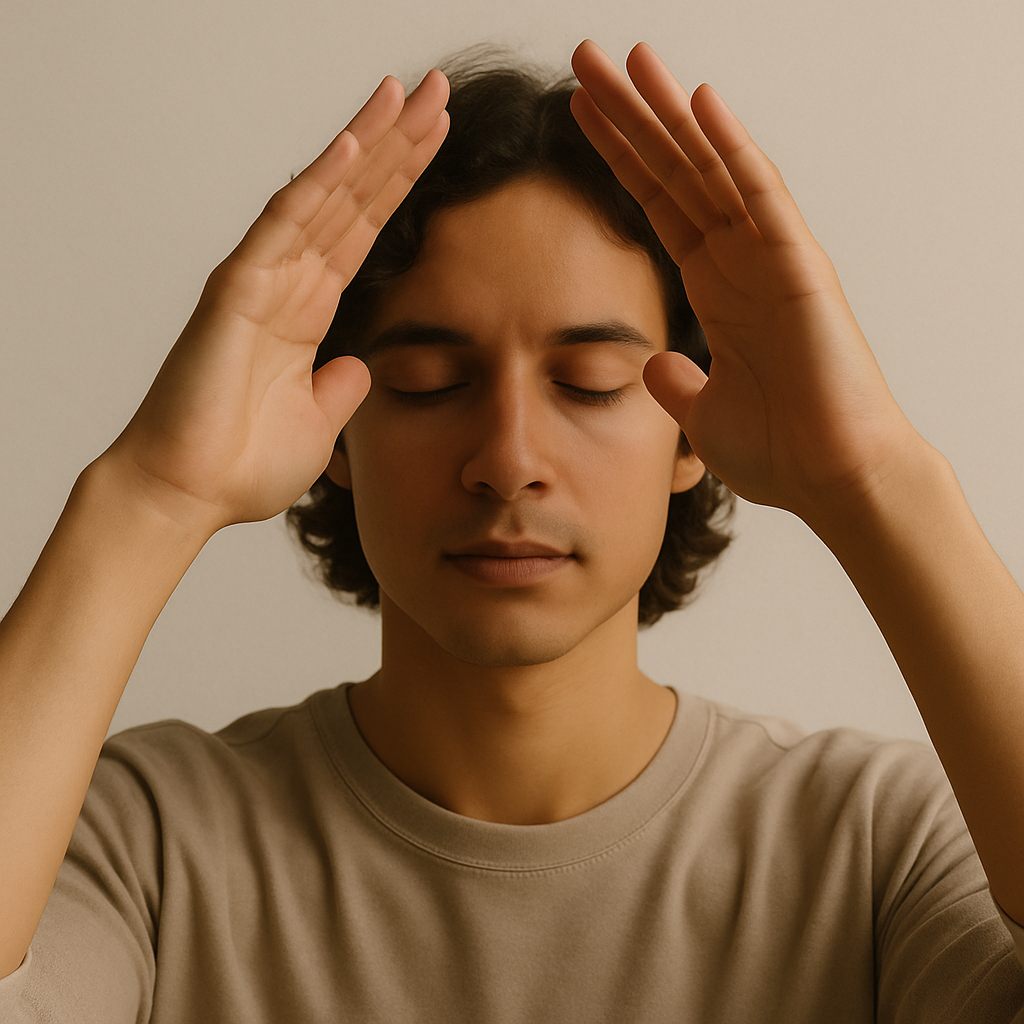
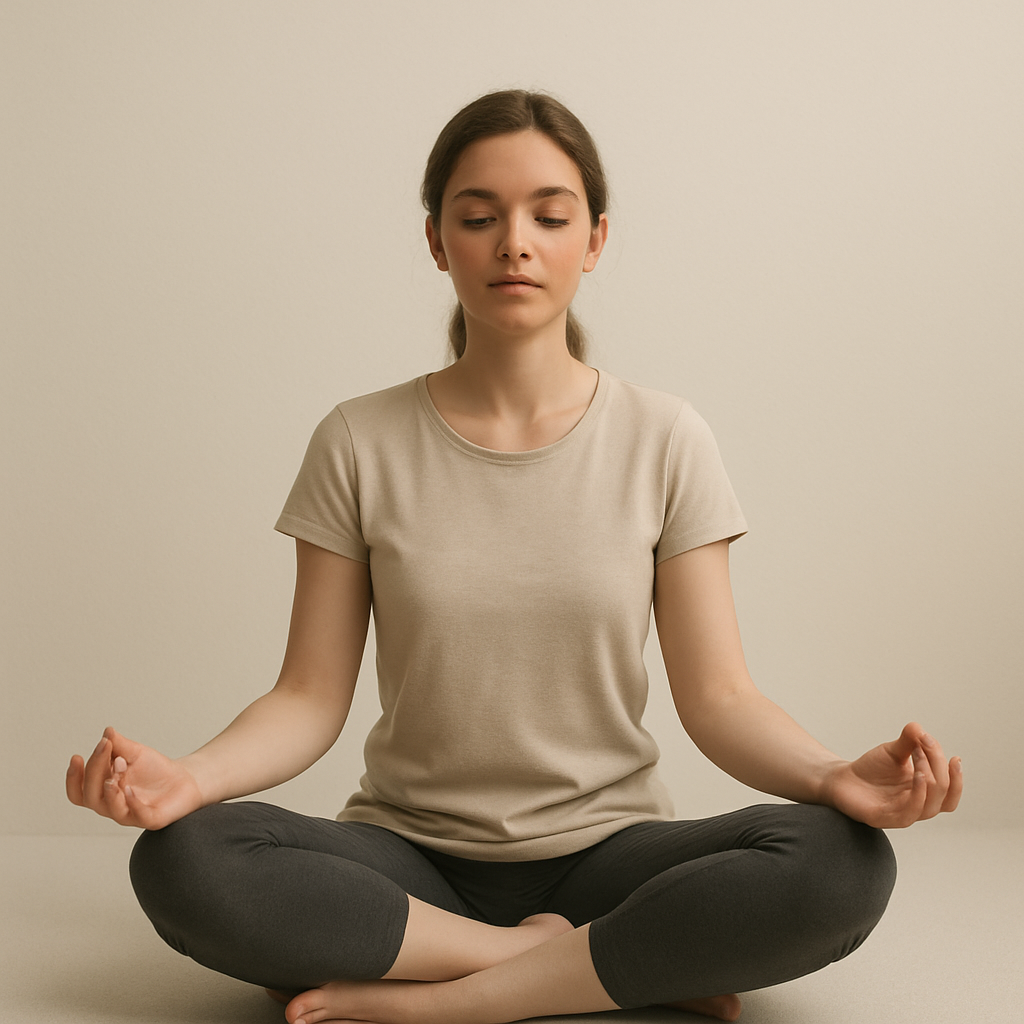
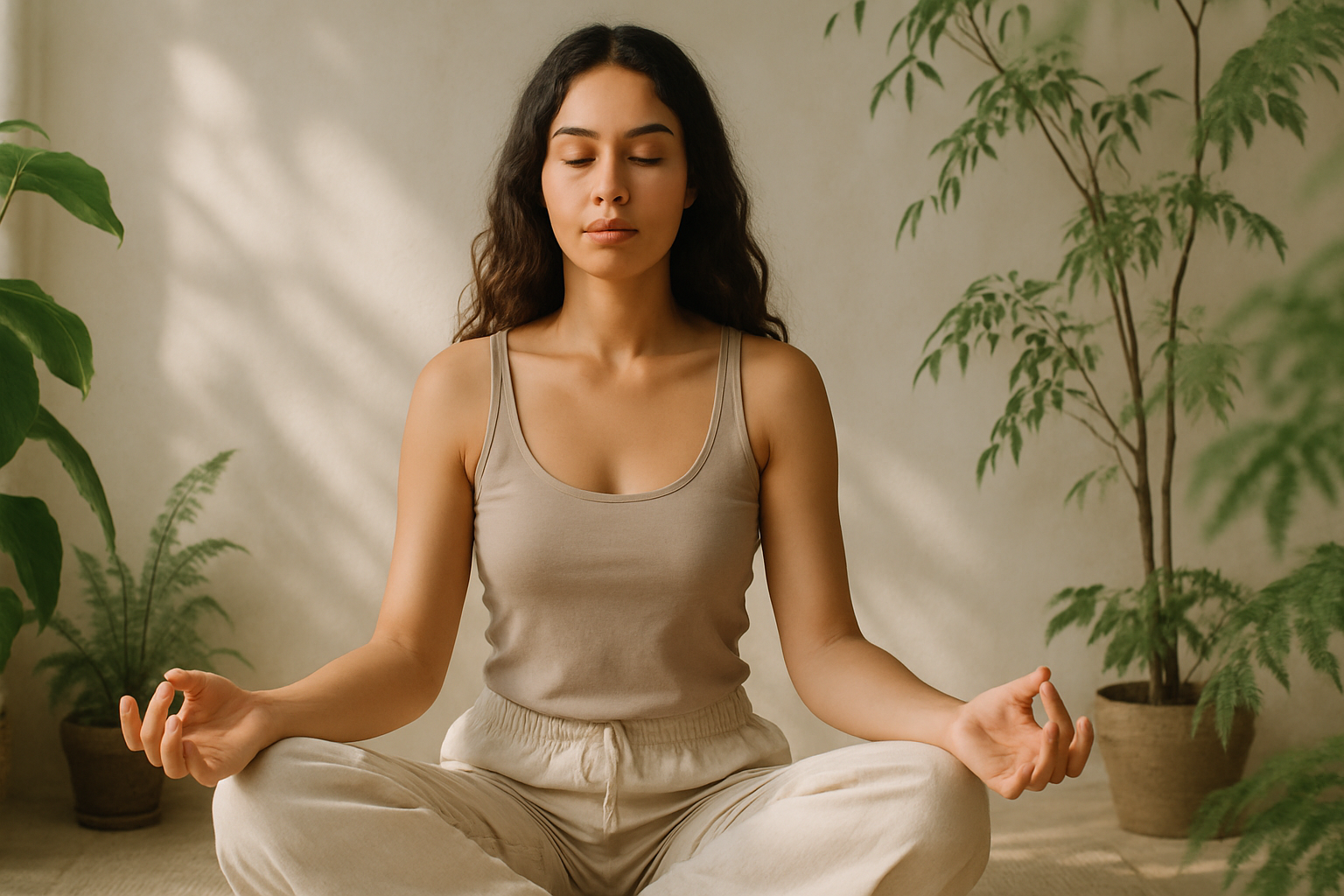
- Guided Meditation: Leading the client through meditation to promote inner peace and connection.
- Breath Work: Teaching techniques to enhance spiritual awareness and release tension.
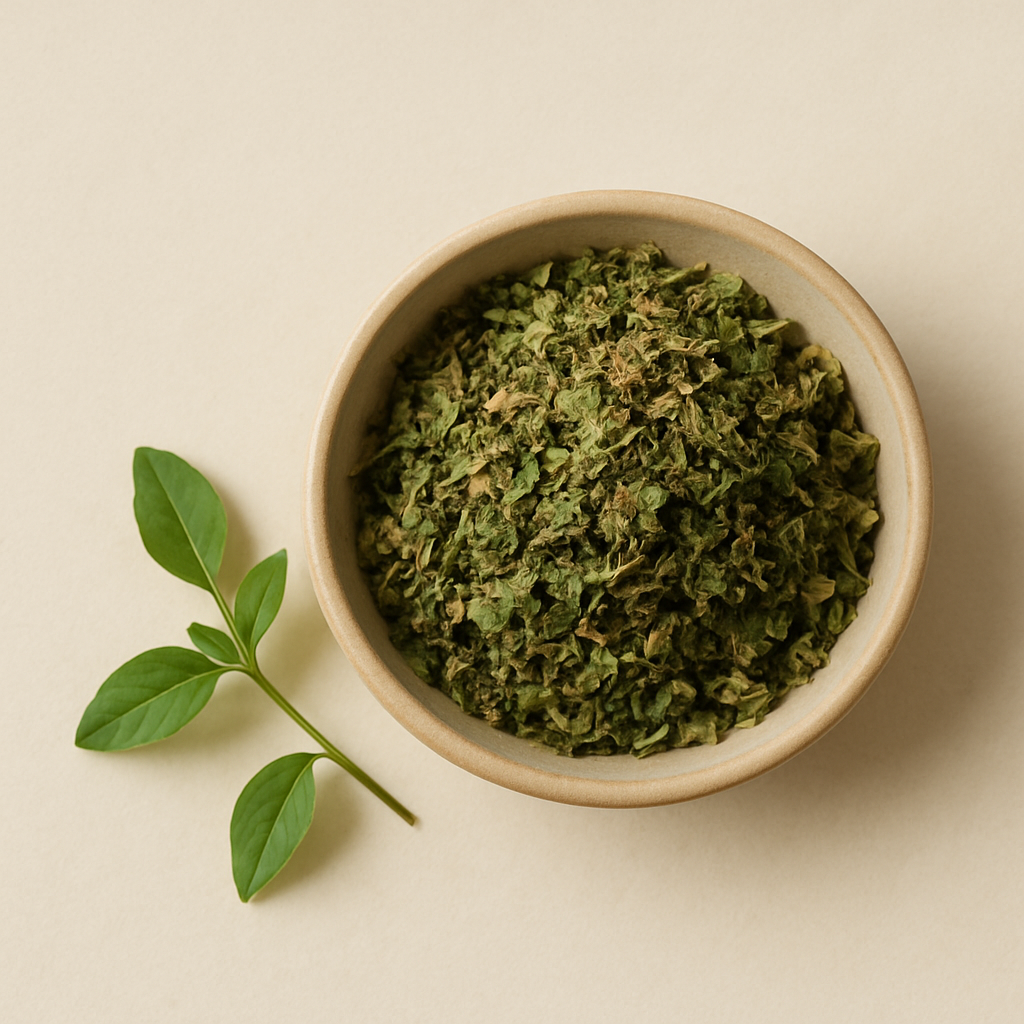
- Herbal Remedies: Recommending natural substances that align with the client's spiritual goals.
Throughout these practices, the focus is always on restoring balance and fostering a deeper connection with the divine.
What It Is Traditionally Explored For
Spiritual Balance has traditionally been used for a variety of concerns, often viewed through the lens of holistic health. Common goals of this practice include:
- Enhancing emotional well-being and reducing stress.
- Supporting mental clarity and focus.
- Promoting spiritual growth and self-awareness.
- Helping individuals cope with grief or loss.
- Facilitating personal transformation and empowerment.
While these applications are based on historical practices, it is important to approach them with a cautious mindset, recognizing the individualized nature of healing.
What Modern Research Suggests
Modern research into practices similar to Spiritual Balance indicates that there may be benefits to addressing the mind-body-spirit connection. Studies have shown that practices involving mindfulness, meditation, and spiritual engagement can lead to reductions in stress and improvements in emotional health. Furthermore, there is a growing interest in understanding how spiritual practices can complement conventional healthcare approaches.
While scientific evidence specific to Spiritual Balance within Ancient Egyptian Medicine is limited, the overarching principles of seeking harmony and balance resonate positively with contemporary holistic health approaches. Preliminary studies suggest that individuals who engage in spiritual practices may experience enhanced life satisfaction and overall well-being.
Safety, Contraindications & Who Should Skip
As with any complementary practice, it is essential to approach Spiritual Balance with caution. Individuals who are experiencing severe mental health issues or are under medical treatment for significant health concerns should consult with a healthcare professional before engaging in spiritual practices. Additionally, those who are skeptical or uncomfortable with spiritual concepts may find it challenging to benefit fully from this modality.
Pairs Well With (within Ancient Egyptian Medicine and across pillars)
Spiritual Balance pairs well with several other modalities and practices within Ancient Egyptian Medicine, as well as other holistic approaches. Related modalities include:
- Herbal Medicine: Utilizing plants to support physical and spiritual health.
- Energy Healing: Techniques aimed at restoring the body's energy balance.
- Massage Therapy: Physical touch to promote relaxation and spiritual connection.
- Ritualistic Practices: Engaging in ceremonies that foster a sense of community and spiritual alignment.
How to Find a Qualified Practitioner
Finding a qualified practitioner in Spiritual Balance involves several key steps:
- Research local holistic health centers or practitioners specializing in Ancient Egyptian Medicine.
- Look for credentials or training in spiritual practices and holistic healing.
- Seek recommendations or reviews from individuals who have previously engaged in similar practices.
- Schedule an initial consultation to assess compatibility and approach.
It is essential to choose a practitioner who resonates with your personal beliefs and values regarding health and spirituality.
FAQs (5)
- What is Spiritual Balance? Spiritual Balance is a holistic practice aimed at aligning an individual's spiritual, mental, and physical well-being.
- How did Spiritual Balance originate? It emerged from Ancient Egyptian Medicine, influenced by beliefs in cosmic order and harmony.
- What are the benefits of Spiritual Balance? Traditionally, it is explored for enhancing emotional well-being, promoting inner peace, and supporting personal growth.
- Is there scientific evidence supporting Spiritual Balance? While direct research is limited, related practices show potential benefits for mental and emotional health.
- Who should avoid Spiritual Balance? Those with severe mental health issues or skepticism towards spiritual practices may find it challenging to engage effectively.
Frequently asked
What is Spiritual Balance?
Spiritual Balance is a holistic practice aimed at aligning an individual's spiritual, mental, and physical well-being.
How did Spiritual Balance originate?
It emerged from Ancient Egyptian Medicine, influenced by beliefs in cosmic order and harmony.
What are the benefits of Spiritual Balance?
Traditionally, it is explored for enhancing emotional well-being, promoting inner peace, and supporting personal growth.
Is there scientific evidence supporting Spiritual Balance?
While direct research is limited, related practices show potential benefits for mental and emotional health.
Who should avoid Spiritual Balance?
Those with severe mental health issues or skepticism towards spiritual practices may find it challenging to engage effectively.