Natural Therapy
Discover the essence of Natural Therapy in Ancient Egyptian Medicine, its historical roots, practices, and safety considerations.
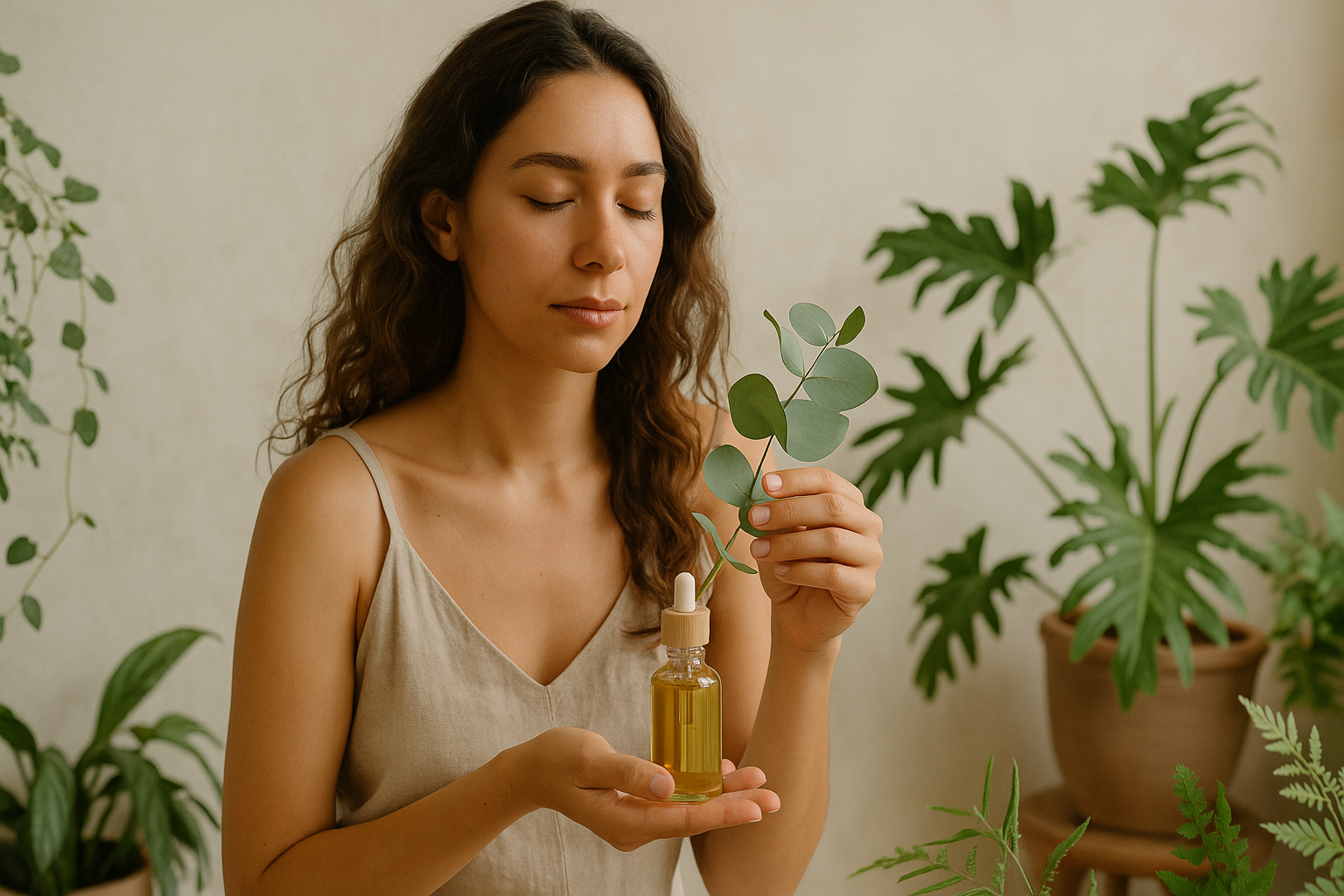
Explore the practice of Natural Therapy within Ancient Egyptian Medicine, its historical context, traditional applications, and modern research insights.
What It Is
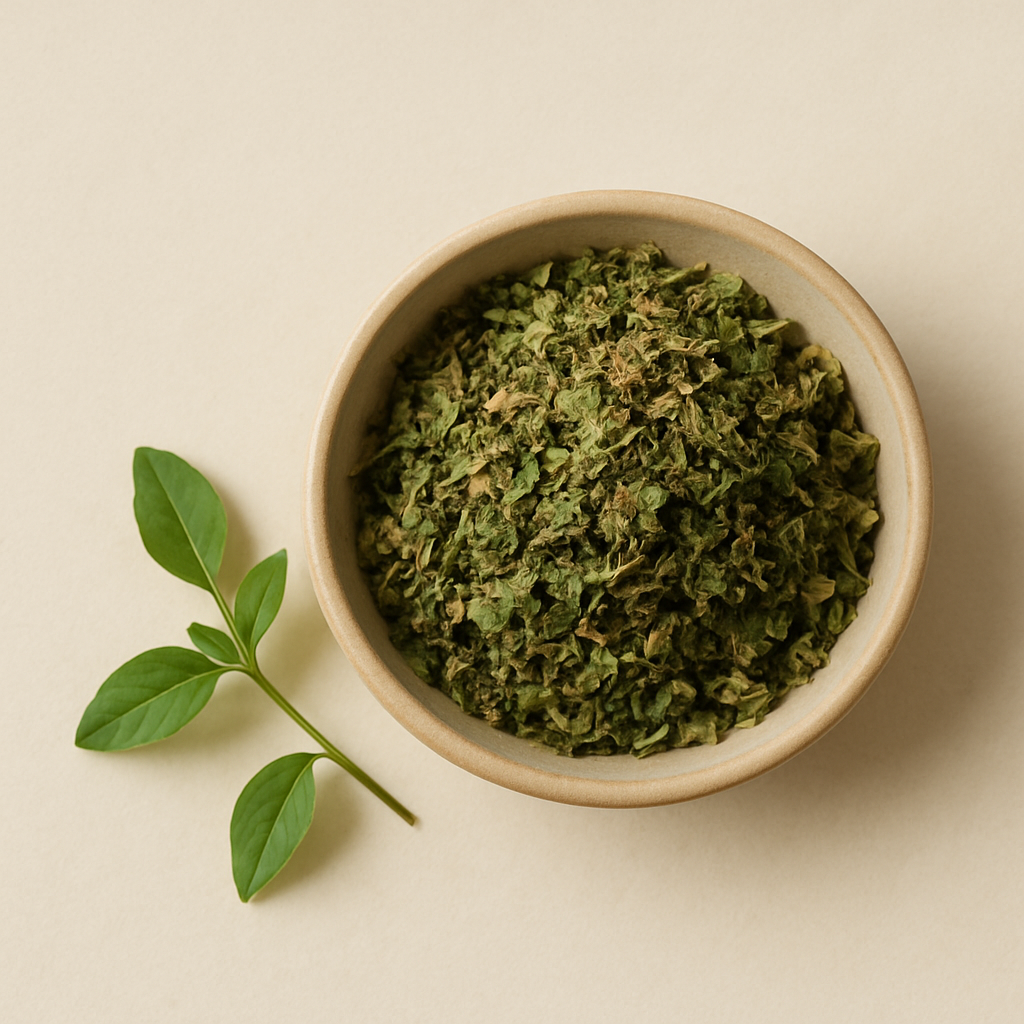
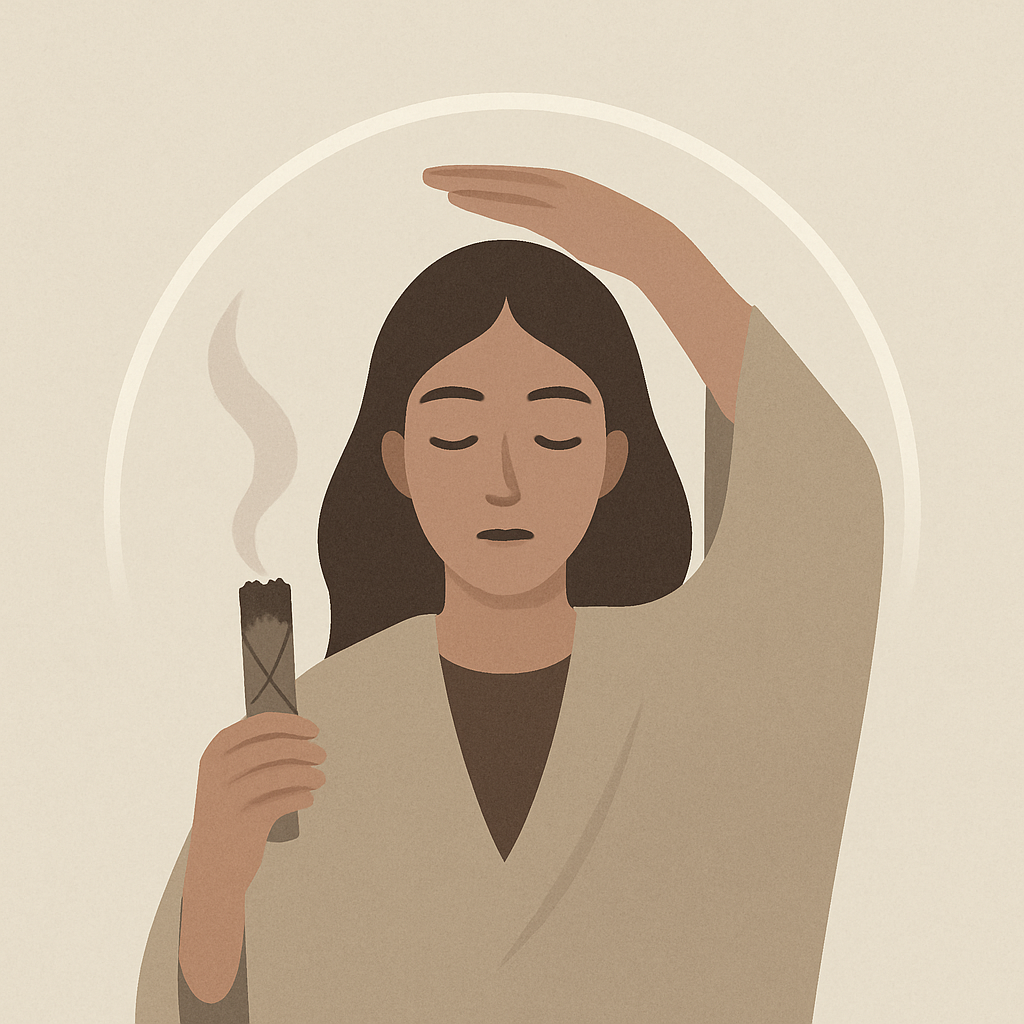
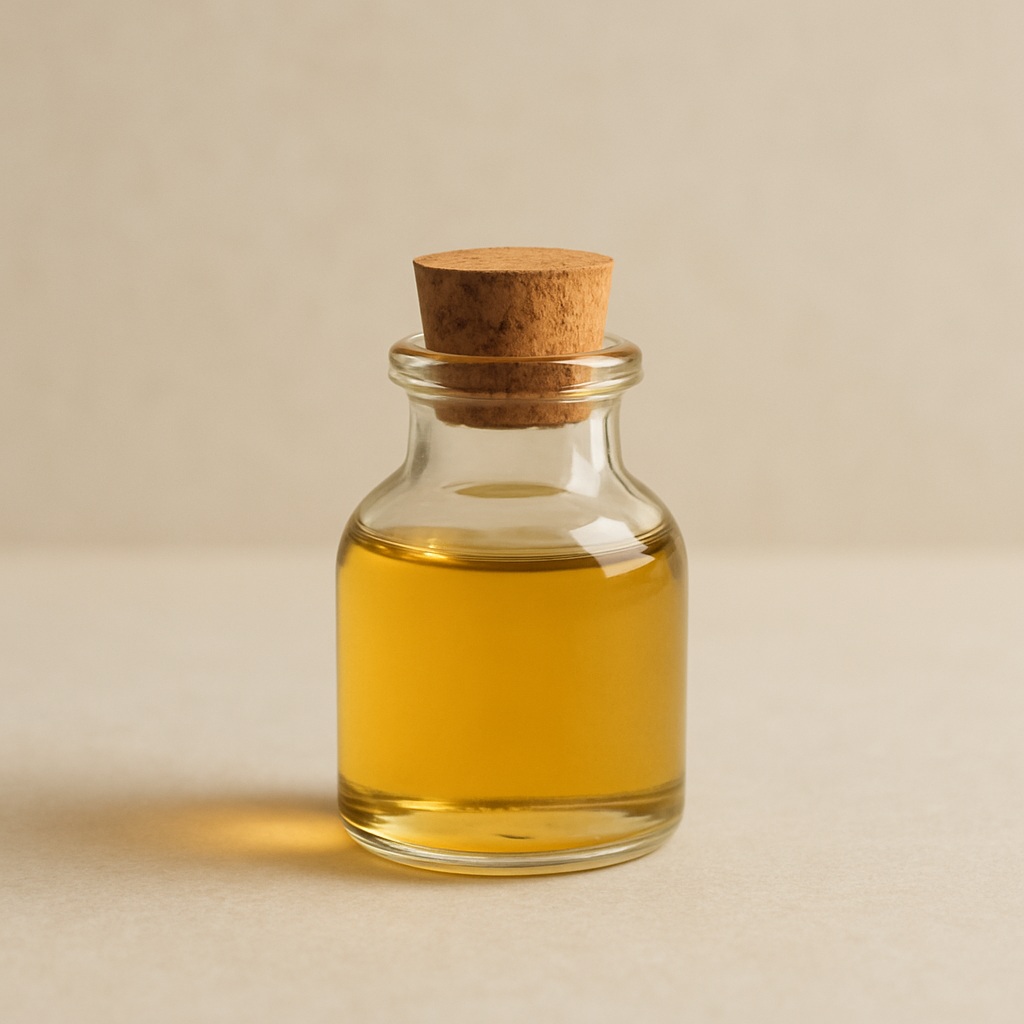
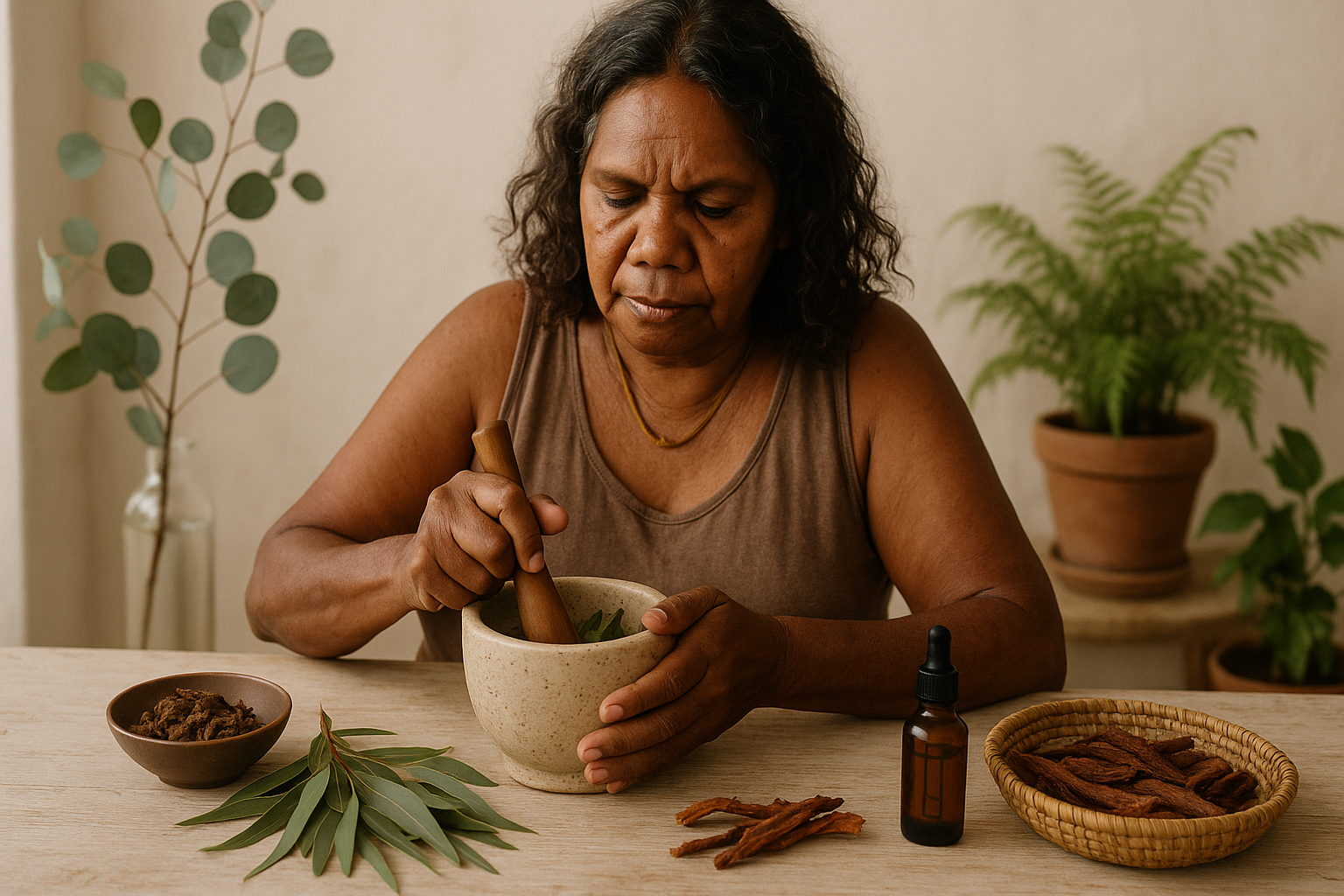
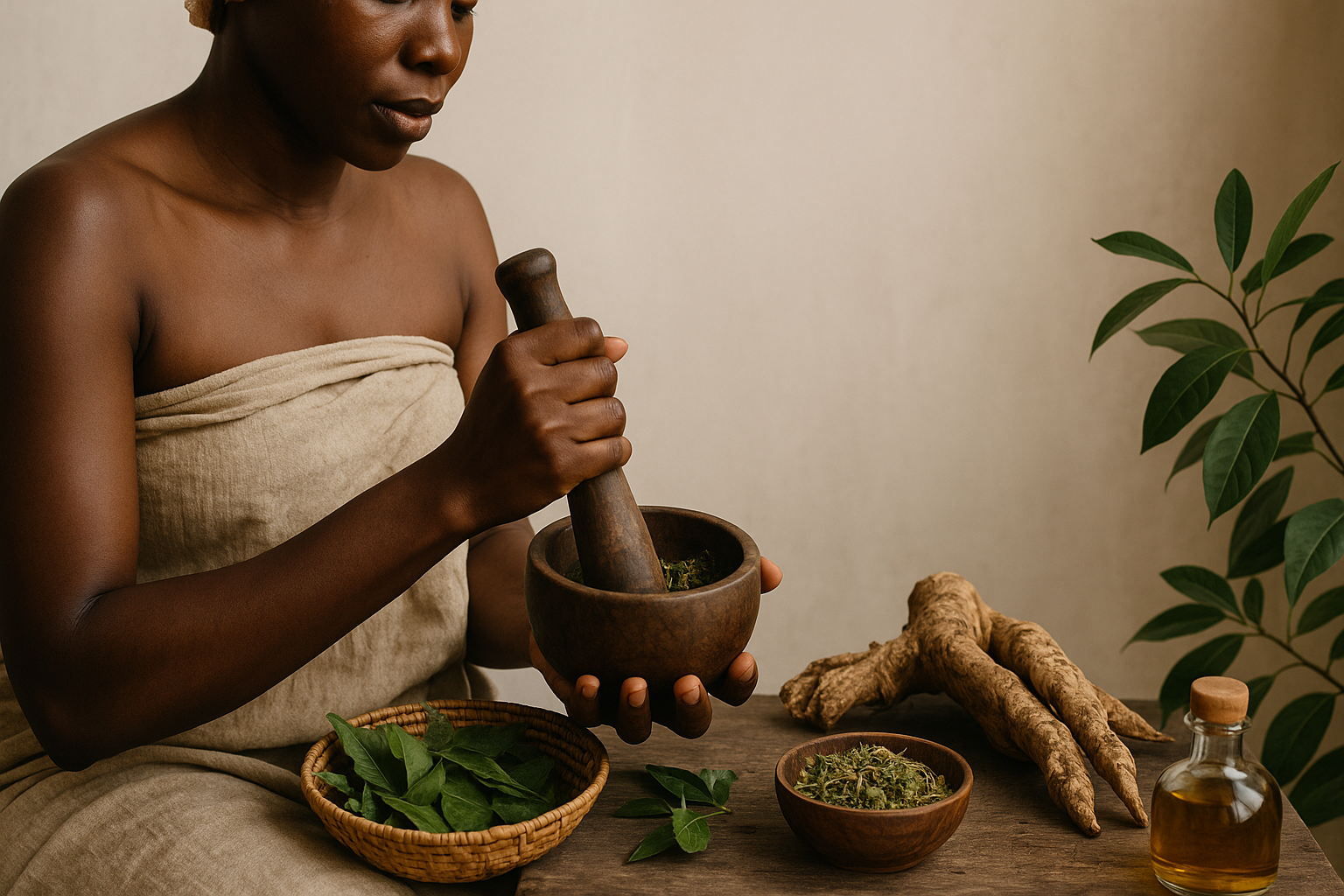
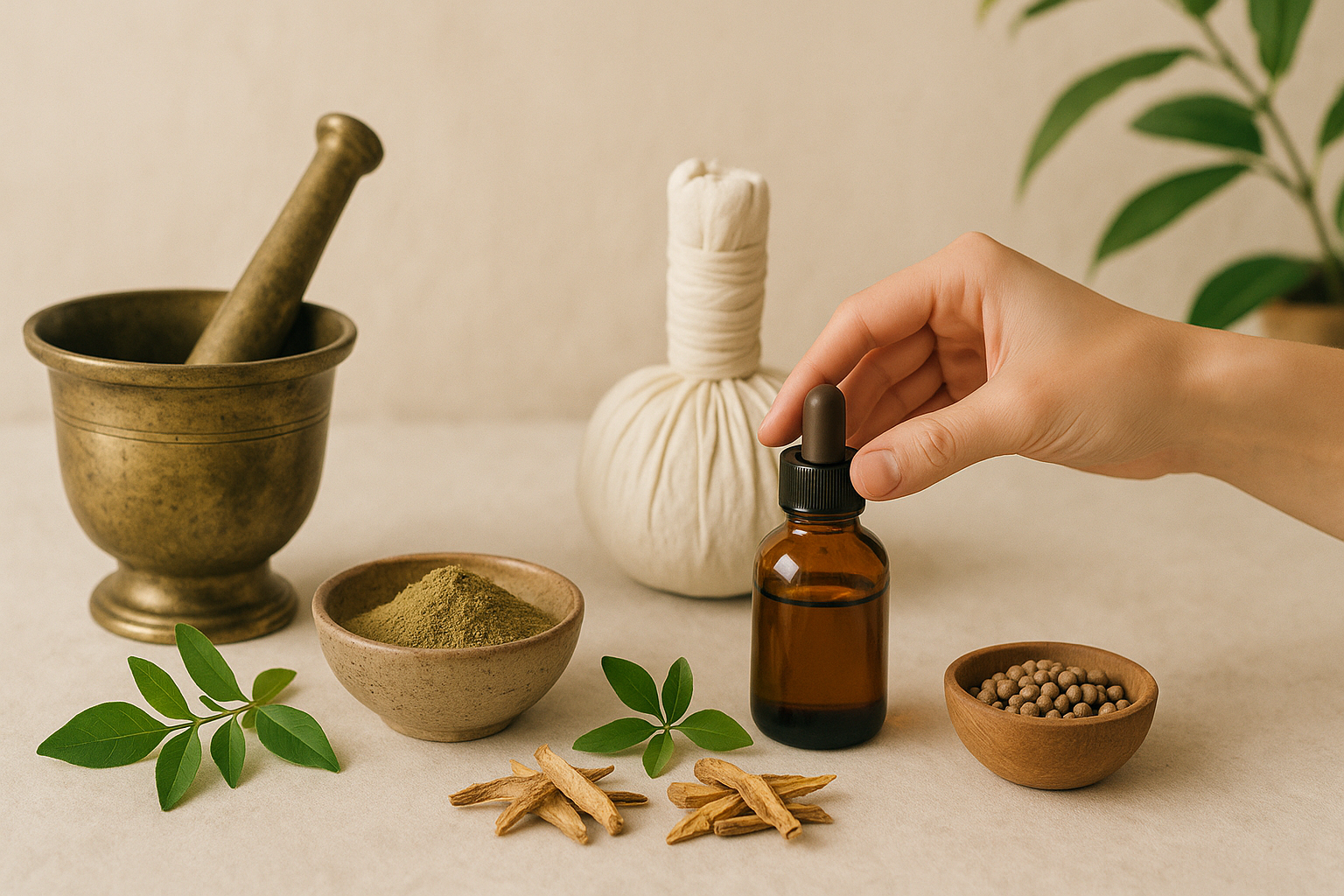
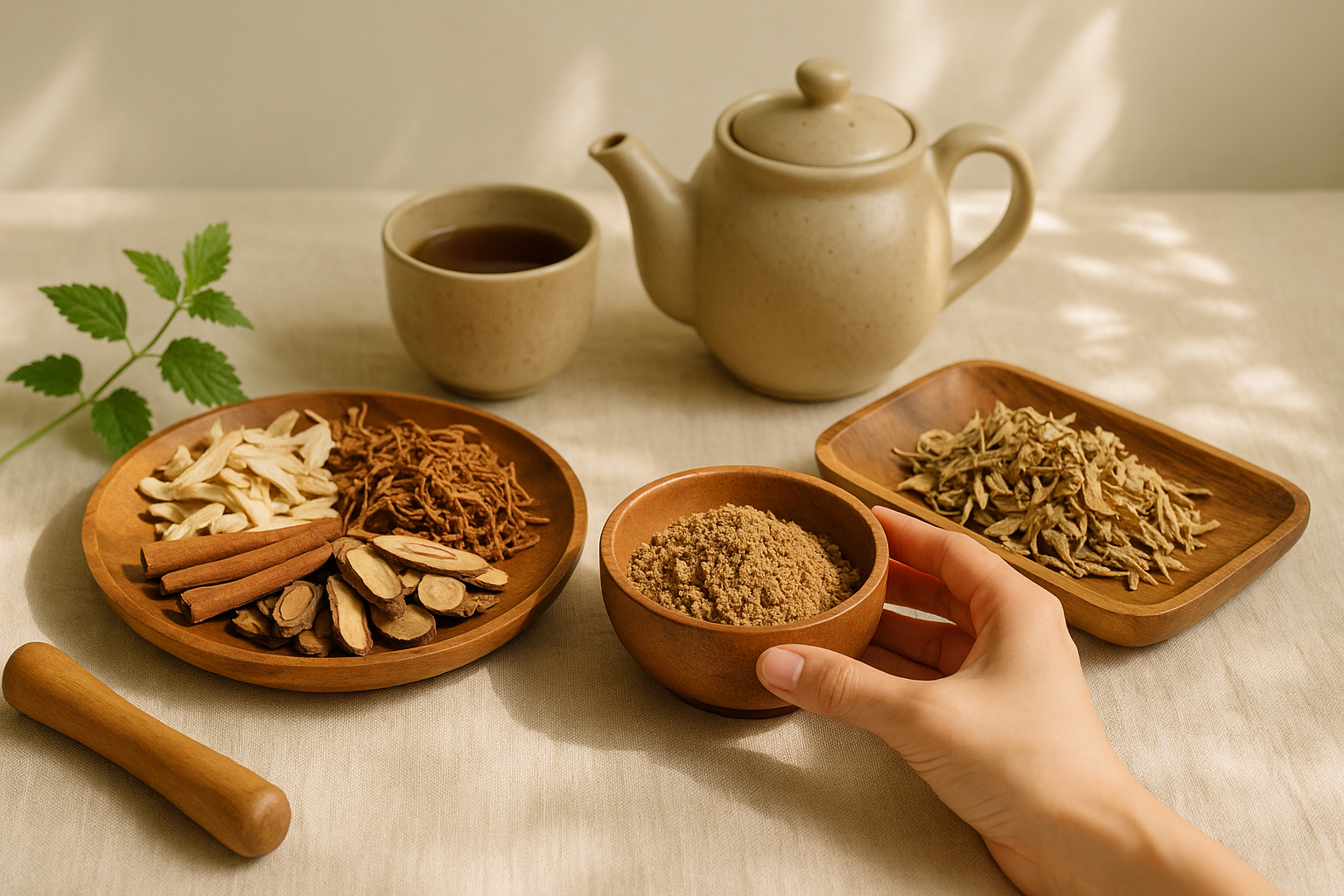
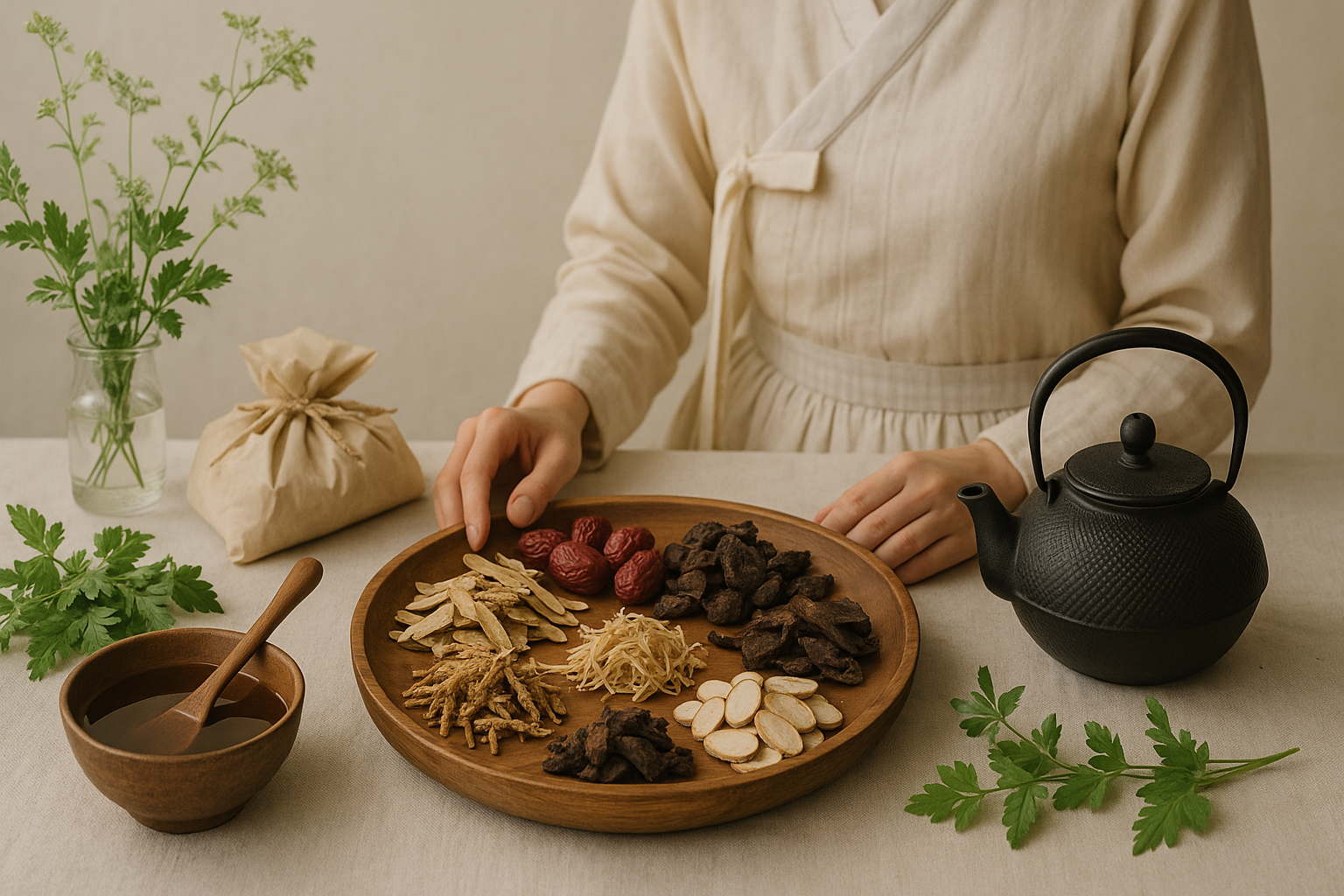
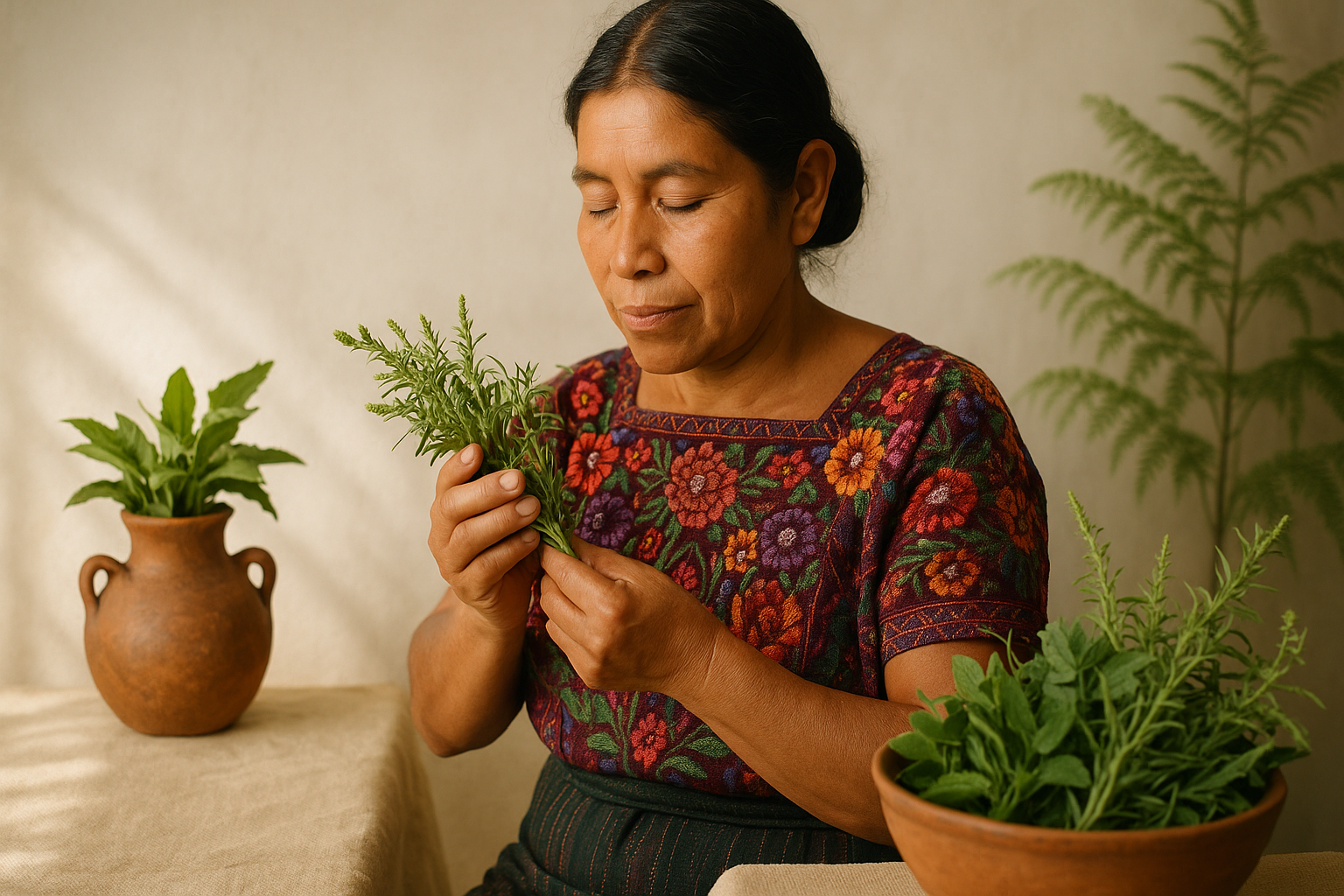
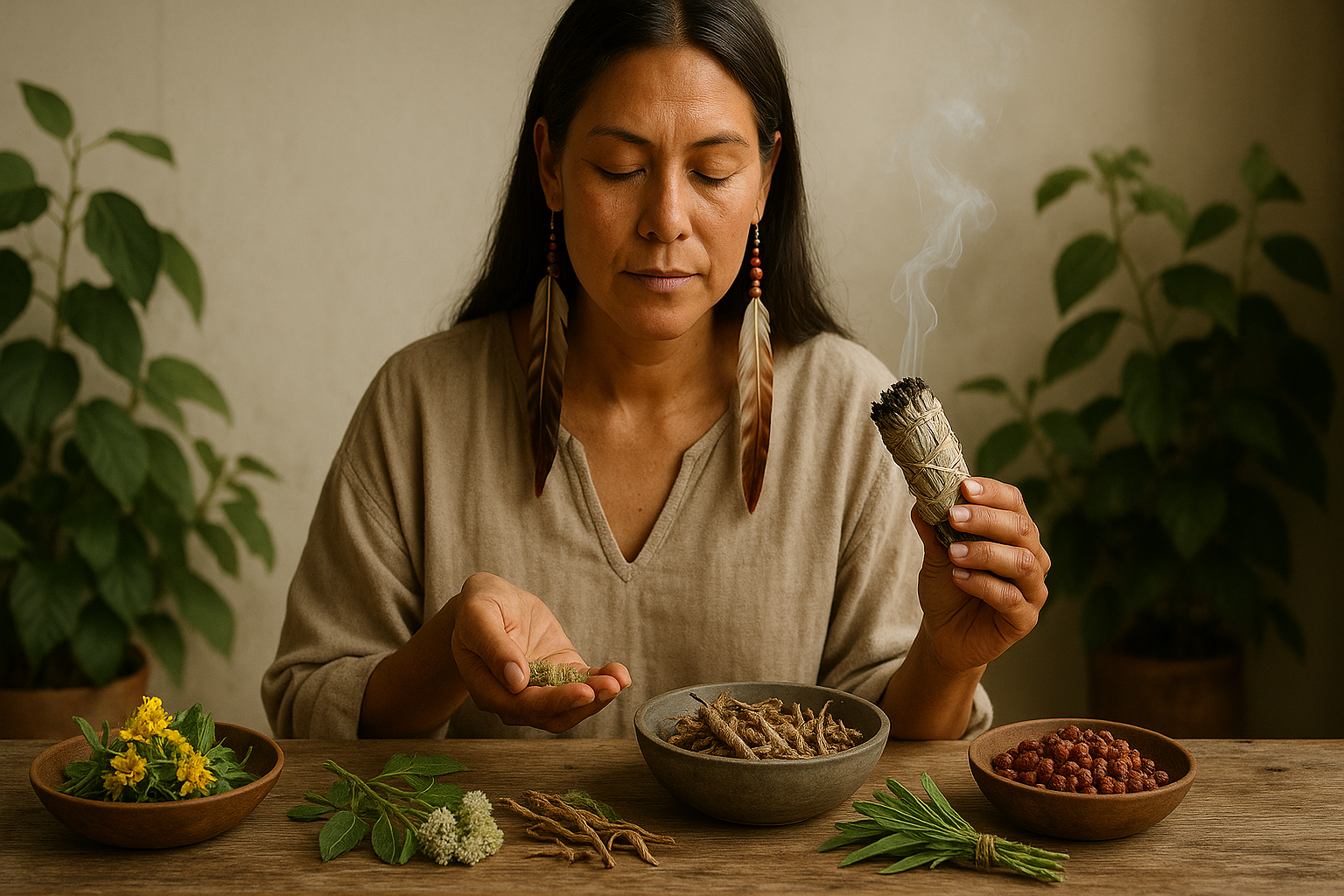
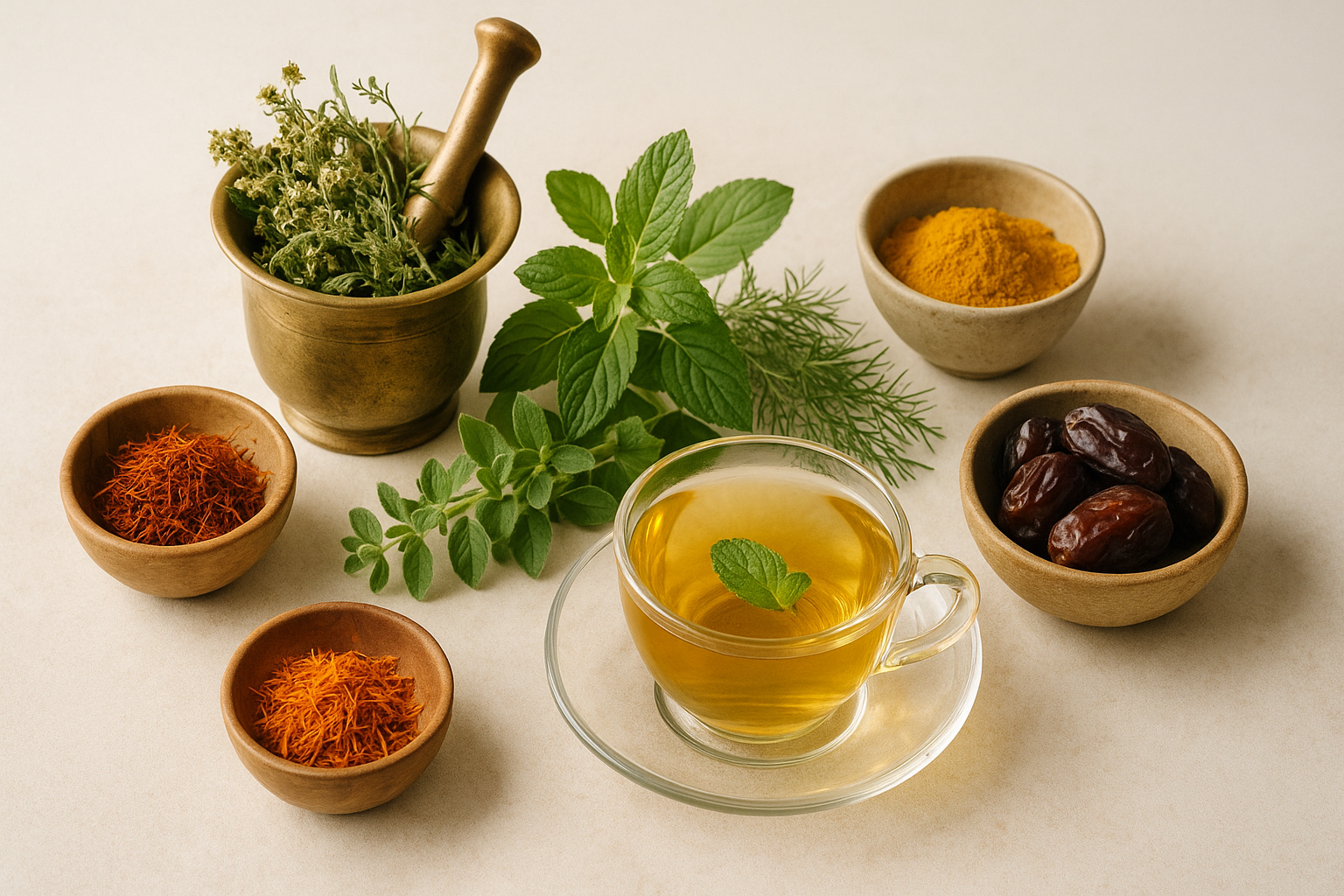
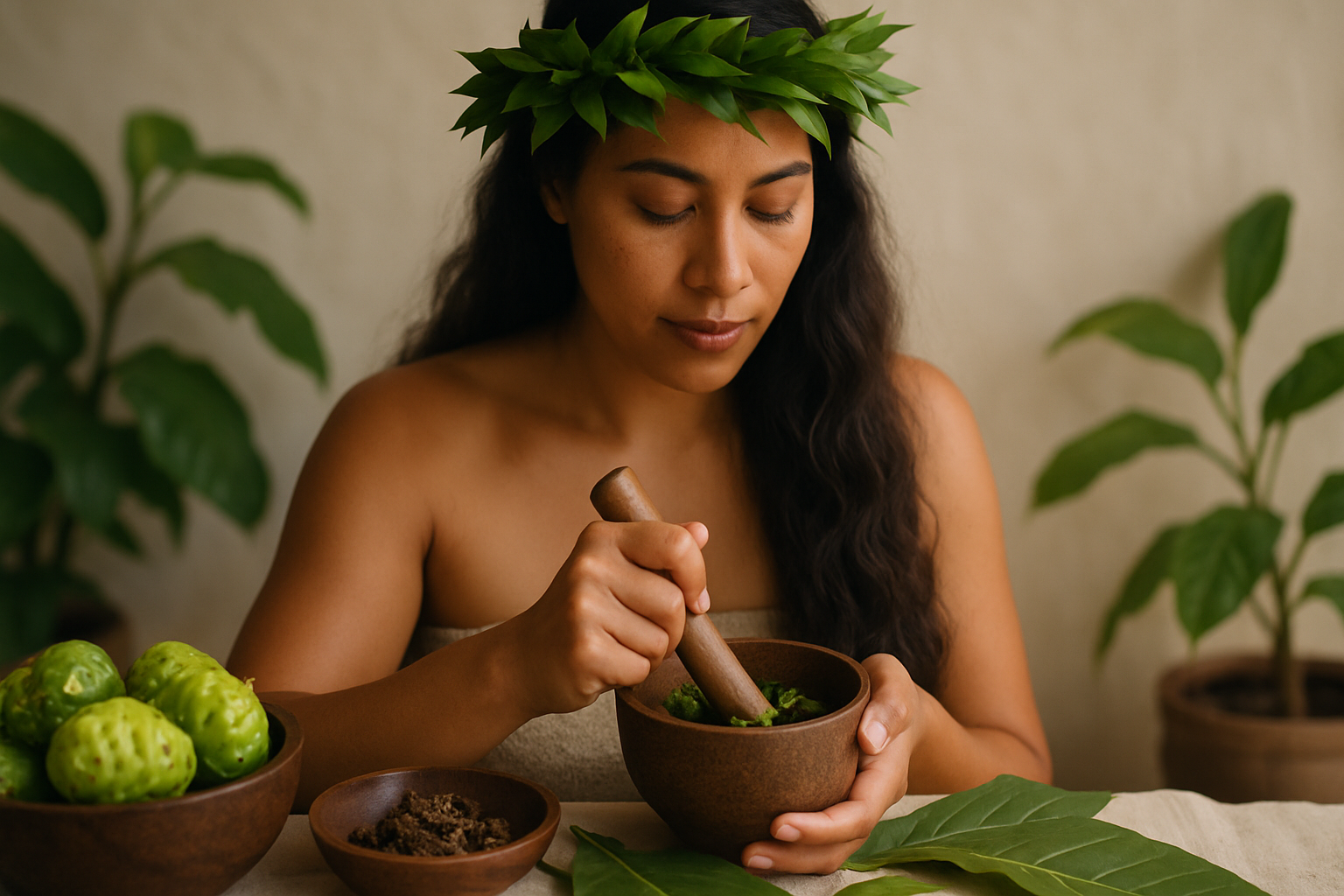
Natural Therapy, a cornerstone of Ancient Egyptian Medicine, emphasizes healing through the use of nature's resources. This holistic approach integrates the physical, spiritual, and environmental aspects of health, focusing on restoring balance within the body. Practitioners of Natural Therapy believe that the natural world provides various elements—such as herbs, minerals, and essential oils—that can aid in healing and promote overall wellness.
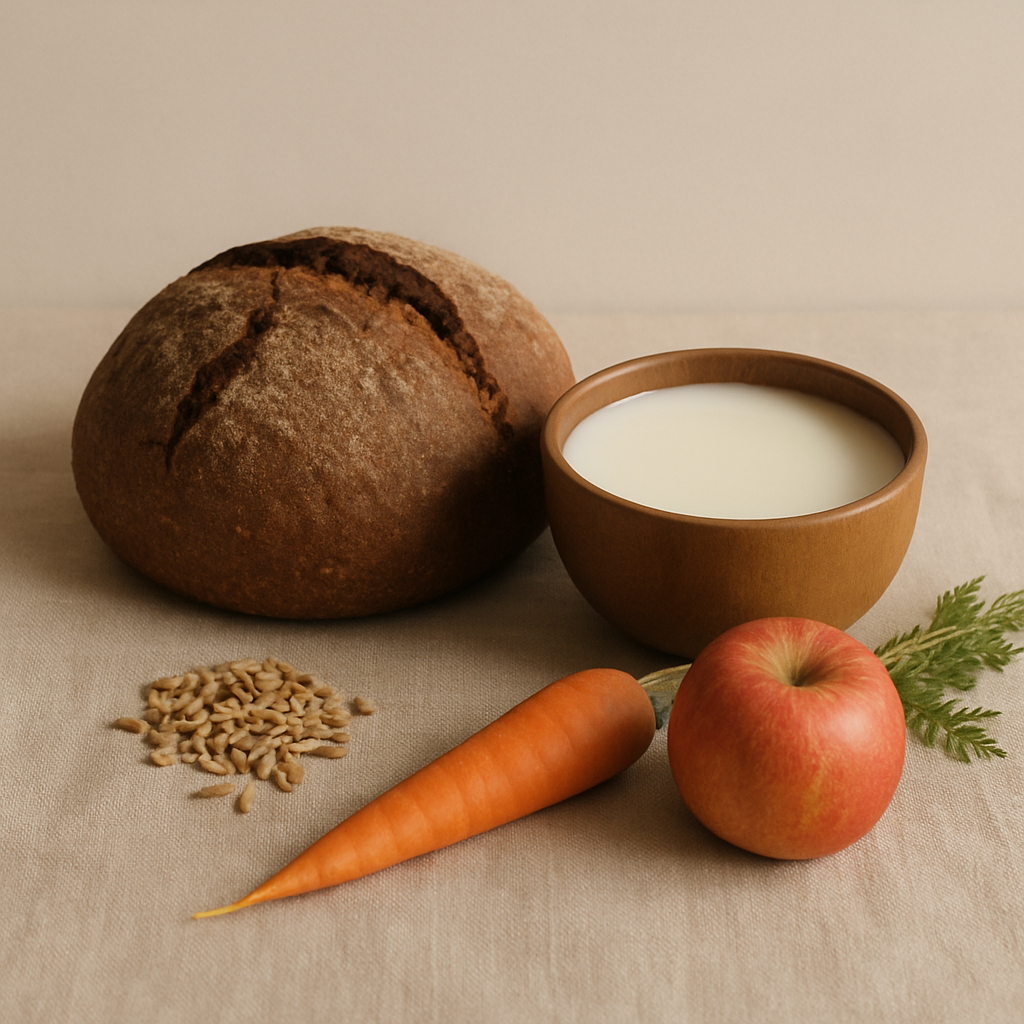
This modality encompasses a range of techniques, including herbal remedies, dietary adjustments, and the use of local flora and fauna. By utilizing what the environment offers, Natural Therapy aims to support the body's innate ability to may support itself, aligning with the Ancient Egyptians' profound respect for nature and its capabilities.
Historical Context Within Ancient Egyptian Medicine
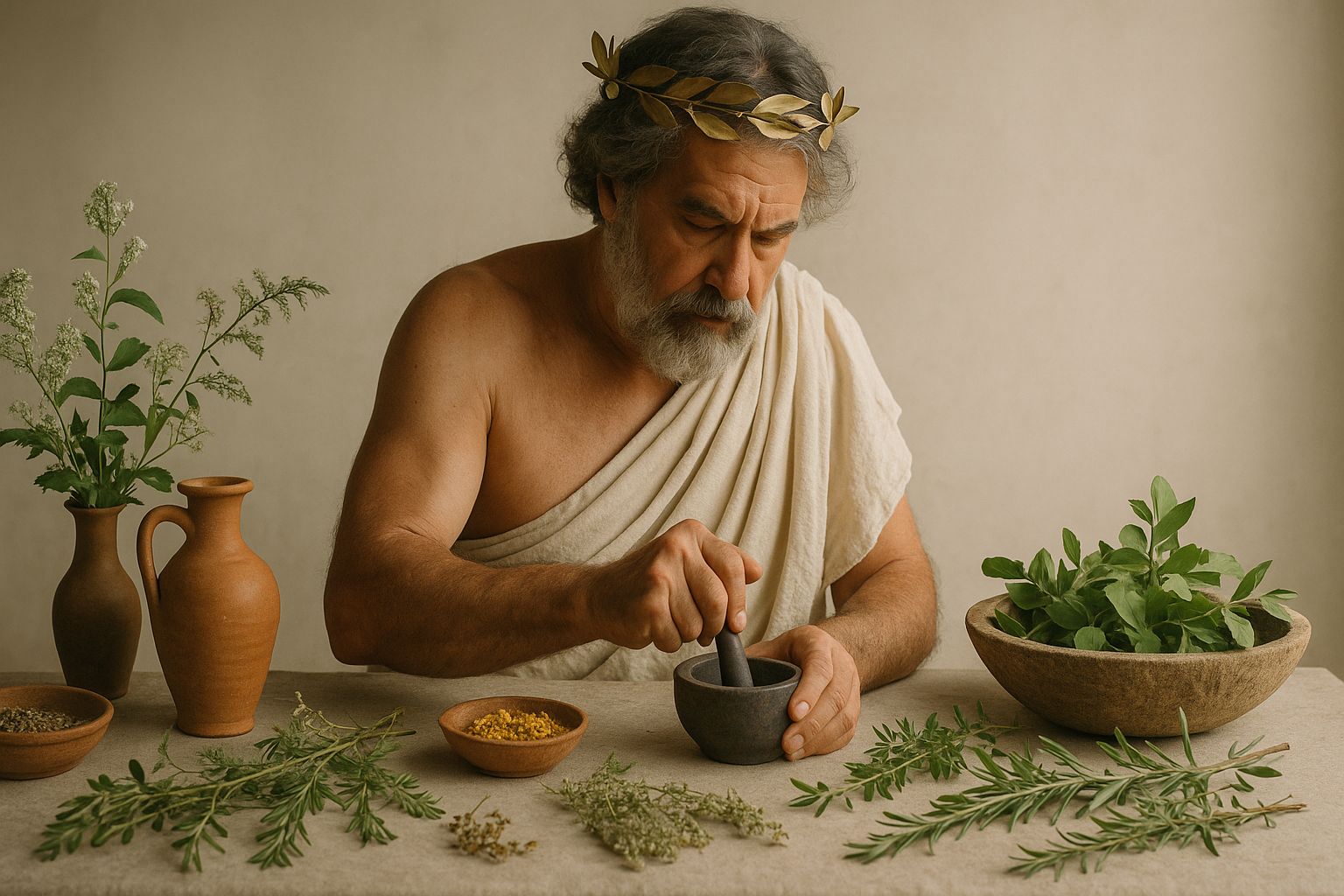
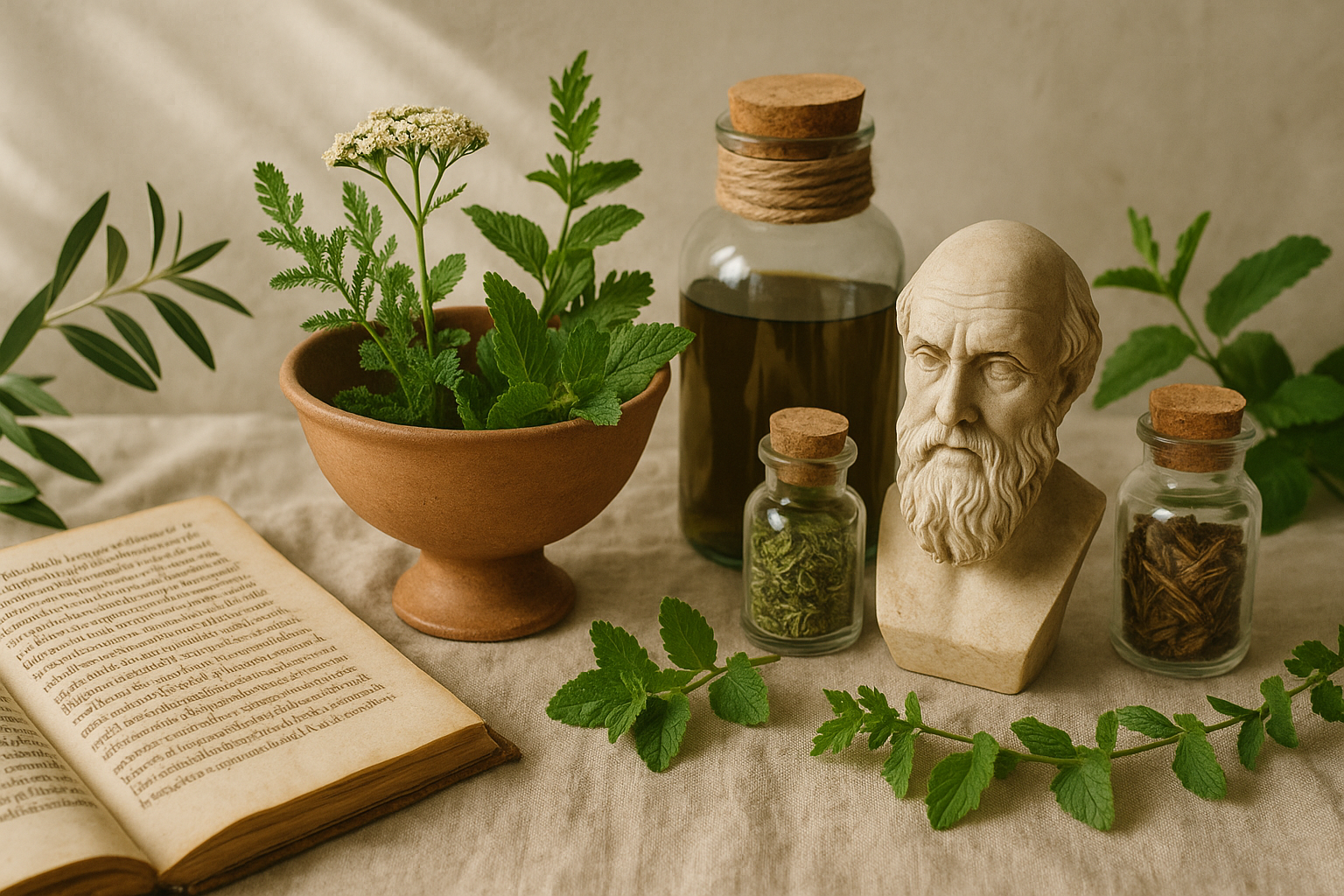
Natural Therapy emerged as a vital component of Ancient Egyptian Medicine around 3000 BCE, during a period when medical practices were deeply intertwined with spirituality and nature. This approach was developed by ancient healers who observed the effects of plants and minerals on the human body and sought to harness their properties for healing purposes.
The ancient Egyptians documented their knowledge in texts such as the Ebers Papyrus and the Edwin Smith Papyrus, which detailed various remedies and treatments derived from natural sources. These texts illustrate the sophisticated understanding of anatomy and the importance placed on natural elements in promoting health and well-being.
How It's Practiced
Practicing Natural Therapy involves several steps that allow practitioners to tailor treatments to individual needs. Here is a general overview of how a session might unfold:
- Initial Consultation: The practitioner discusses the patient's health history, symptoms, and lifestyle.
- Assessment: An evaluation of physical and emotional health is conducted, often including observation and questioning.
- Personalized Treatment Plan: Based on the assessment, the practitioner formulates a plan that may include dietary changes, herbal remedies, and lifestyle adjustments.
- Implementation: Patients are guided on how to incorporate the recommended practices into their daily lives.
- Follow-Up: Regular check-ins to assess progress and make necessary adjustments to the treatment plan.
What It Is Traditionally Explored For
Natural Therapy has been traditionally used for a variety of health concerns. Common goals include:
- Supporting digestive health
- Boosting the immune system
- Managing stress and anxiety
- Alleviating pain and inflammation
- Promoting skin health
While these applications are rooted in ancient practices, they reflect a holistic approach to health that considers the physical, emotional, and environmental factors influencing well-being.
What Modern Research Suggests
Modern research into Natural Therapy, particularly regarding herbal remedies and dietary practices, has begun to validate some of the ancient wisdom. Preliminary studies suggest that certain herbs used in Ancient Egyptian Medicine may have anti-inflammatory and antioxidant properties, supporting their traditional uses. For example, findings on herbs like garlic and fenugreek indicate potential benefits in managing blood sugar levels and enhancing immune function.
However, clinical studies are still limited, and while some results are promising, further research is necessary to fully understand the efficacy and safety of these natural treatments. It is essential for individuals to approach these remedies with a critical perspective and consult healthcare professionals when considering their use.
Safety, Contraindications & Who Should Skip
While many natural therapies are considered safe, there are precautions to keep in mind. Individuals with specific health conditions, such as allergies to certain plants, pregnant or nursing women, and those on medication should exercise caution. Consultation with a healthcare provider is recommended to avoid potential interactions or side effects.
Moreover, individuals suffering from serious health issues should not rely solely on Natural Therapy as a substitute for conventional medical treatment. It is best used as a complementary approach under professional guidance.
Pairs Well With (within Ancient Egyptian Medicine and across pillars)
Natural Therapy can be effectively combined with several other modalities and practices in Ancient Egyptian Medicine, including:
- Herbal Medicine
- Aromatherapy
- Massage Therapy
- Spiritual Healing
- Dietary Therapy
Additionally, it may complement practices from other holistic traditions, such as acupuncture and yoga, promoting a more integrated approach to health.
How to Find a Qualified Practitioner
To find a qualified practitioner of Natural Therapy, consider the following steps:
- Research local practitioners who specialize in holistic or natural therapies.
- Look for certifications or credentials in natural medicine or herbalism.
- Seek recommendations from trusted sources or health professionals.
- Schedule initial consultations to discuss approaches and treatment philosophies.
Ensuring that the practitioner has a thorough understanding of both ancient principles and modern health considerations is crucial for a safe and effective experience.
FAQs (5)
- What is Natural Therapy? Natural Therapy is a holistic healing approach that utilizes natural resources to promote health and well-being.
- What types of conditions can it help with? Traditionally, it has been used for digestive issues, stress management, immune support, and more.
- Is it safe for everyone? While generally safe, individuals with certain health conditions or pregnant women should consult a healthcare provider before starting.
- How can I find a qualified practitioner? Research local practitioners, check for credentials, and seek recommendations.
- What does modern research say about Natural Therapy? Preliminary studies suggest some traditional remedies may have beneficial properties, but more research is needed.
Frequently asked
What is Natural Therapy?
Natural Therapy is a holistic healing approach that utilizes natural resources to promote health and well-being.
What types of conditions can it help with?
Traditionally, it has been used for digestive issues, stress management, immune support, and more.
Is it safe for everyone?
While generally safe, individuals with certain health conditions or pregnant women should consult a healthcare provider before starting.
How can I find a qualified practitioner?
Research local practitioners, check for credentials, and seek recommendations.
What does modern research say about Natural Therapy?
Preliminary studies suggest some traditional remedies may have beneficial properties, but more research is needed.